


 CJMY
CJMY
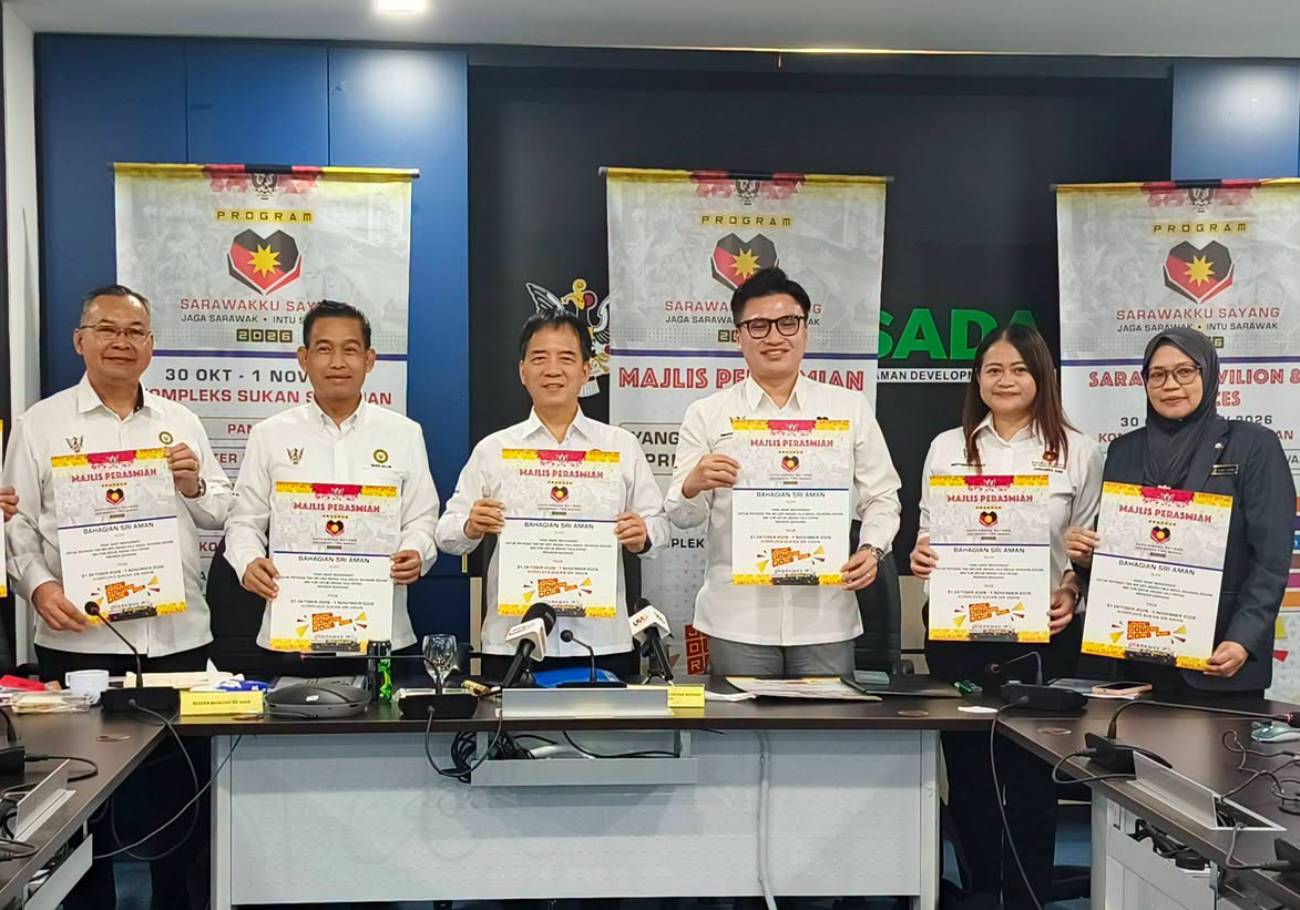
The Sarawakku Sayang programme comes to Sri Aman from 30 October to 1 November. Organisers expect at least 100,000 visitors at the Sri Aman Sports Complex.
Sarawak Premier Abang Johari Tun Openg will launch it on Saturday, 31 October. Government agencies will run 170 service counters over the three days.
Here is what is planned, what visitors can win and what to check before you go.
What the programme brings to Sri Aman
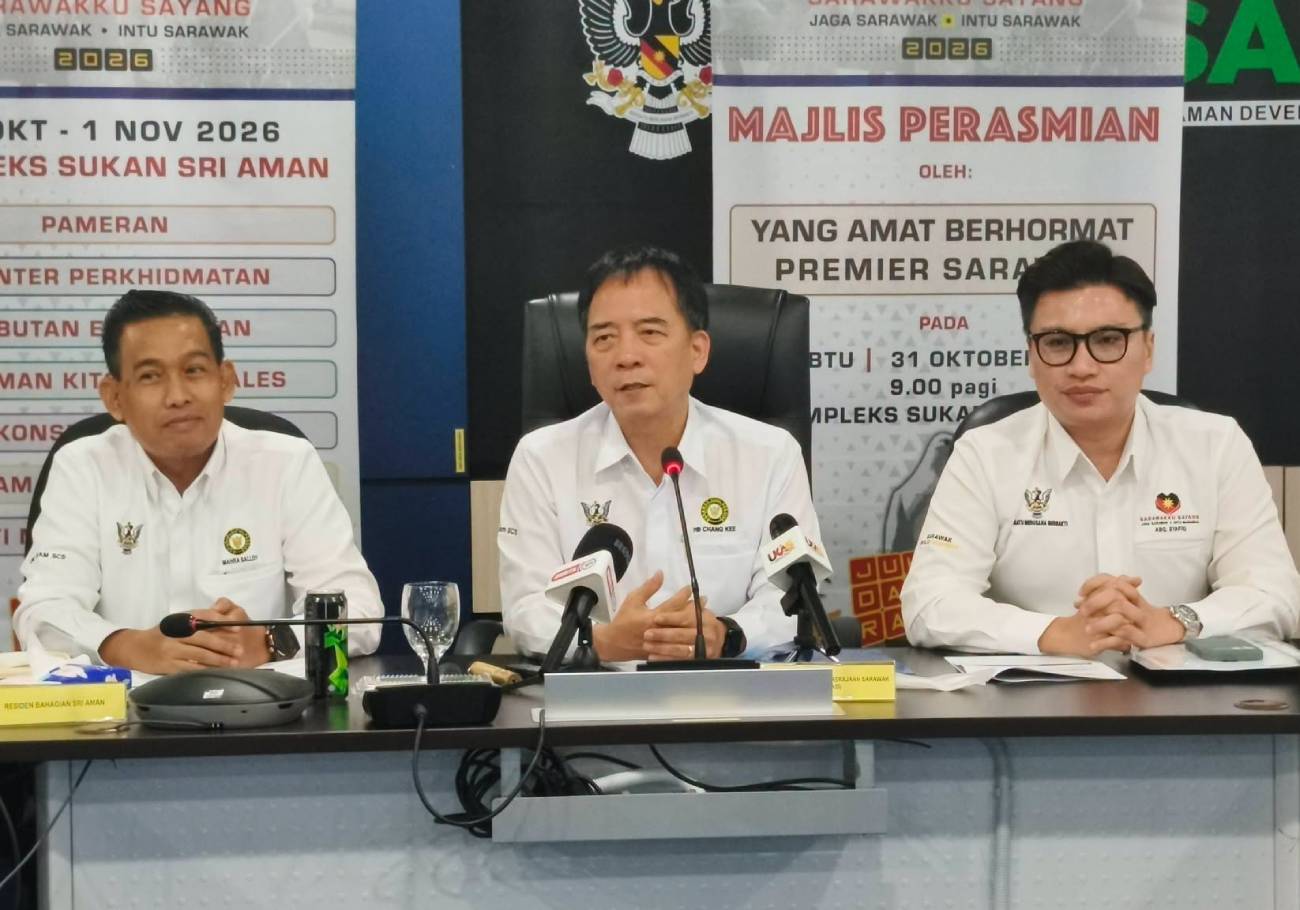
The three-day event is the Southern Zone programme for Sri Aman Division. Its theme is “Jaga Sarawak – Intu Sarawak”.
Datu Hii Chang Kee, the Sarawak Deputy Secretary (Operations), chairs the organising committee. According to Sarawak’s Public Communication Unit, 52 government agencies will take part.
The Sarawakku Sayang series aims to bring government services closer to the people. Sri Aman residents and visitors can use them in one place.
Together, they will run 170 service counters. They will also exhibit the state government’s development projects and achievements.
The exhibition area will also show state projects. Visitors can learn what is planned for their own district.
Local food and products will be on sale at Sri Aman’s Kitchen and Sales. Ikan bulu products are among them.
However, the reports did not list which services the counters offer. Therefore, check with the divisional office before you travel for a specific service.
Concert, fun walk and prizes
Deputy Minister Snowdan Lawan is due to open the pre-launch day on 30 October. Organisers plan cultural performances featuring Mawat that day.
On 31 October, Abang Johari will officiate. A luncheon with Sri Aman leaders follows, then a visit to the Batang Lupar II Bridge at 3pm.
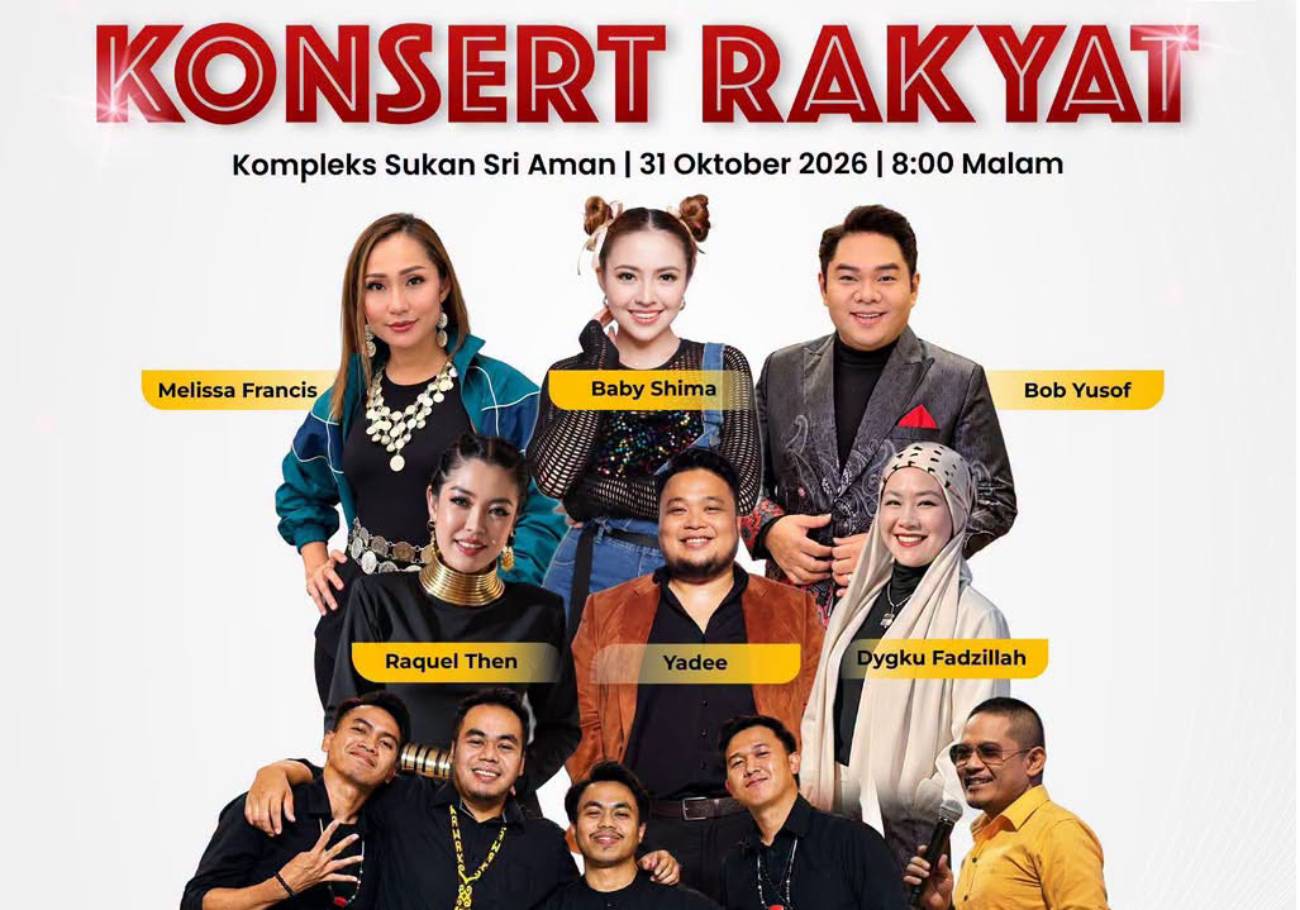
The Konsert Rakyat is also on 31 October. Baby Shima and Bob Yusof will perform alongside other artistes. A Malam Budaya Sarawak is on the line-up too.
On 1 November, organisers plan a fun walk in traditional costume. It is the third and final day.
Visitors can also join an e-contest. They scan a QR code at the exhibition area and answer a short question, said Sri Aman Residen Mahra Salleh.
Saturday, 31 October, looks like the busiest day. The launch, the concert and the lucky draw all fall around then.
Winners will be drawn from those who join. Keep your phone charged so you can scan the code.
The main prize is a Perodua Bezza. Motorcycles, electrical goods and jewellery are also among the prizes.
What to check before you go
The reports did not give an entry fee, daily opening hours, parking plans or shuttle services. Follow official Sarawakku Sayang updates before you leave home.
Plans may also change, as with any large event. Expect crowds on 31 October, when the Premier and the concert draw the biggest turnout.
Air quality is another concern. The haze has hit parts of Sarawak this month. Sri Aman’s API read 157, which is unhealthy, at 6pm on Sunday, 25 October.
A separate real-time Air Quality Index (AQI) reading was 72 at 1am on Wednesday, 28 October. That falls in the moderate range.
Bring water and a hat for the day, too. It can be a long day for families.
Check the latest reading for Sri Aman before you travel. Carry a mask if the air looks hazy.
Finally, the organisers want at least 100,000 people over three days. Arrive early to avoid queues at the popular counters.




 C. Khor
 Amirull Salihing





Add comment