


 Jimmy Tan
Growing public concern over animal cruelty cases has sharpened calls for more consistent and effective enforcement of existing laws, reflecting broader expectations of transparency, accountability and justice within Malaysia’s enforcement system. Animal welfare groups and civil society actors argue that how such cases are handled has implications not only for animal protection but also for public confidence in institutions.
Rising incidents, mounting public concern
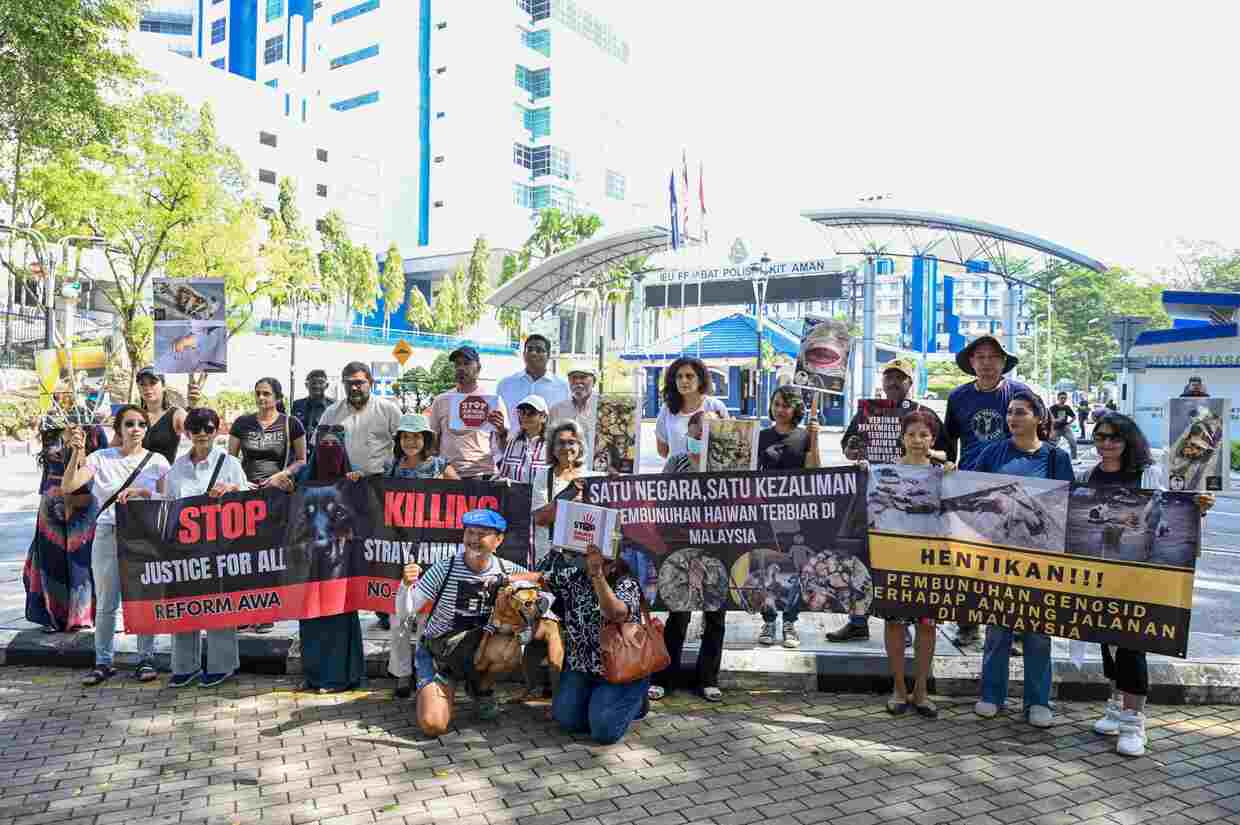
In recent months, several high-profile incidents involving alleged cruelty and violence against animals have drawn national attention. These cases, reported from different parts of the country, have triggered widespread public outcry and raised questions about investigative outcomes. Observers point to perceived delays and a lack of clear communication regarding the progress of investigations, despite police reports and supporting evidence having been lodged.
Concerns intensified following reports of dogs allegedly poisoned in Langkawi, shootings said to have occurred within a university campus in Serdang, puppies reportedly buried alive in Kluang, and the discovery of mass burial sites in Manjung. Collectively, these incidents have underscored public unease about whether enforcement responses are sufficiently robust and coordinated.
Enforcement gaps and institutional clarity
On 17 January 2026, these concerns culminated in a memorandum submitted by a coalition of 25 non-governmental organisations to the Inspector-General of Police at Bukit Aman. Framed as a constructive appeal, the memorandum highlighted recurring enforcement challenges observed across multiple cases and sought leadership-level attention to address systemic gaps.

A central issue raised was uncertainty over the respective roles of the Royal Malaysia Police and the Department of Veterinary Services in handling animal cruelty cases. While complainants have sometimes been referred between agencies, the absence of clear operational guidelines has contributed to delays and unresolved investigations. This lack of clarity, civil society groups argue, undermines enforcement effectiveness and frustrates public expectations.
Strengthening systems in public interest
Statistics cited in the memorandum indicate that between 2021 and 2024, 7,613 animal abuse cases were reported nationwide, with dogs accounting for more than two-thirds. These figures reinforce the need for a review of enforcement mechanisms to ensure cases are addressed promptly and credibly.
Beyond animal welfare, the memorandum highlights wider public interest considerations, noting established international research linking violence against animals to broader antisocial behaviour. The coalition’s proposals focus on institutional improvements, including clearer national guidelines, stronger inter-agency coordination, better communication with complainants and the possible development of specialised capacity within the police force.
At its core, the appeal reflects confidence in institutional leadership to strengthen enforcement responses, uphold the law and reinforce public trust through consistent and transparent action.


 Admin
Admin







Add comment