


 Admin
AdminIn a global competition dominated by Master’s students, PhD researchers, industry professionals and former champions, a team of 10 undergraduates from Asia Pacific University of Technology & Innovation (APU) has defied expectations to emerge as Global Champions of the Industry Energy Track at the SAS Hackathon 2025.
Competing against more than 100 teams worldwide, Team Decathon stood out as the only victorious team from Malaysia — marking a historic milestone not only for the university but for Malaysian data analytics education on the global stage.
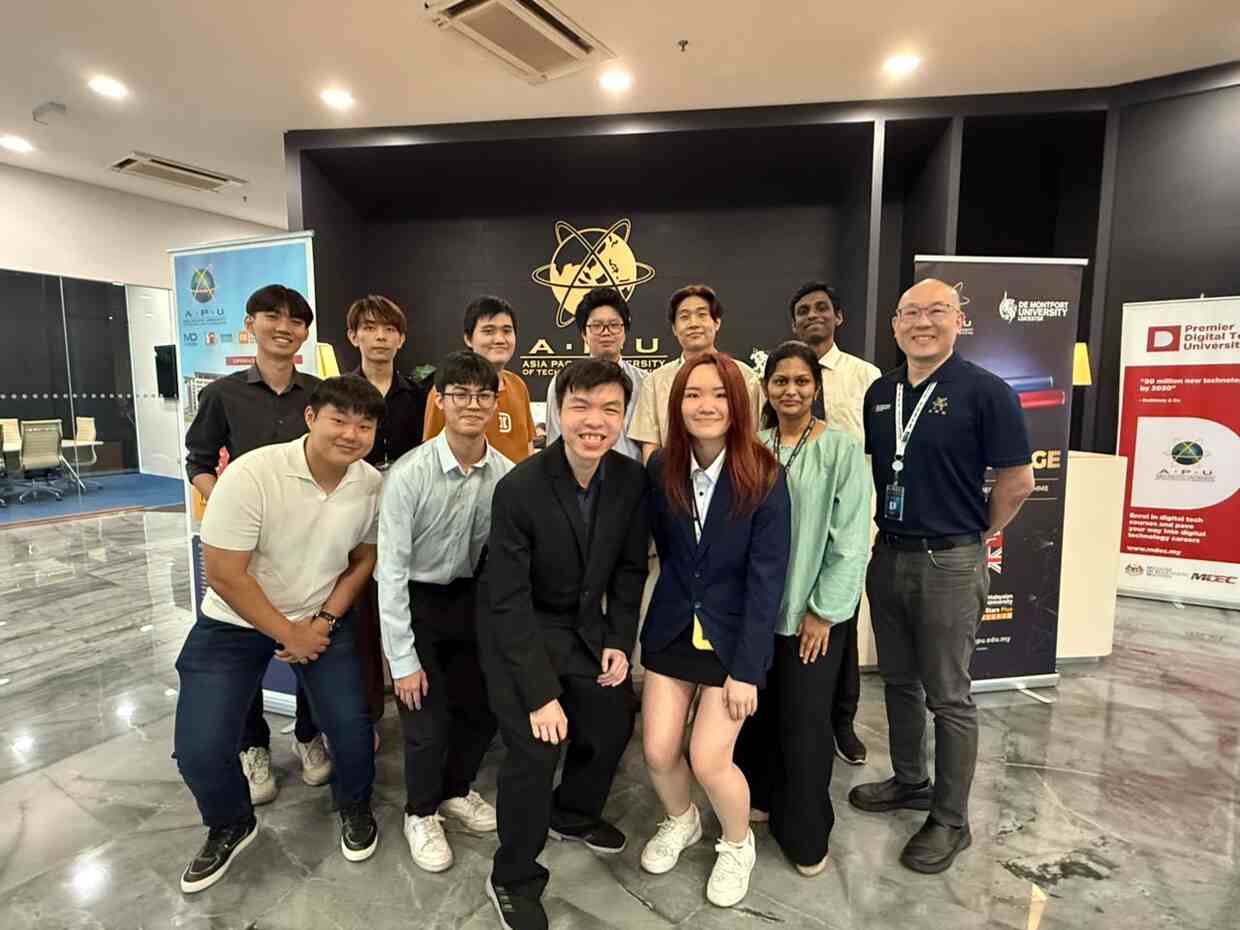
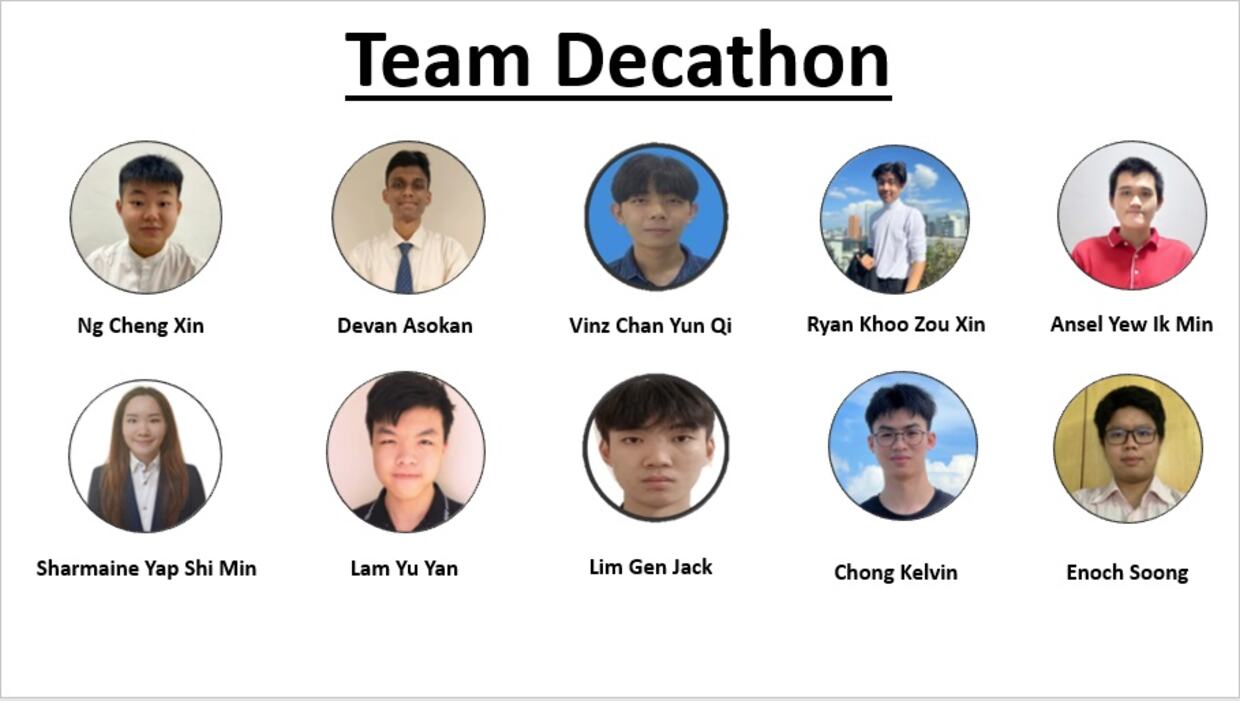
Led by Data Analytics student Lam Yu Yan, the team comprised Ng Cheng Xin, Devan Asokan, Vinz Chan Yun Qi, Ryan Khoo Zou Xin, Ansel Yew Ik Min, Shermaine Yap Shi Min, Chong Kelvin, Enoch Soong, and Artificial Intelligence student Lim Gen Jack. Their journey was guided by Assistant Professor Dr Preethi Subramanian of APU’s School of Computing, with professional support from Mr Khor Swee Kweng, Principal Advisor of SAS Malaysia.
Held virtually from 15 September to 10 October 2025, the month-long hackathon challenged participants to design real, deployable AI solutions addressing urgent industry, societal and sustainability issues using advanced analytics and cloud platforms.
Tackling global energy crisis head-on
While many teams gravitated towards narrower problem statements, Team Decathon chose to confront systemic obsolescence in global energy infrastructure.
“As the world accelerates towards a hyper-connected future, our energy systems are struggling to keep up,” Lam explained. “By 2030, an estimated 125 billion IoT devices will be connected worldwide. Yet today’s power grids still react too slowly to disruptions. The consequences are devastating—large-scale blackouts, billions in economic losses, wasted renewable energy, and threats to public safety and national resilience. In the United States alone, power outages cost approximately US$150 billion every year.”
Rather than retreat from the scale of the challenge, the team leaned into it.
They developed Project LUCID, an intelligent energy analytics system inspired by the human nervous system. Designed to enable power grids to sense, think, react and anticipate in real time, LUCID integrates IoT connectivity, advanced AI forecasting powered by SAS Viya and Python, automated anomaly detection, predictive modelling, digital twin simulations, and live visual analytics dashboards.
The international jury praised the project’s technical maturity and real-world viability.
“The team clearly demonstrated the immense social and economic consequences of power outages. Their solution stands out through its seamless integration of SAS Viya with open-source Python tools, combining reflexive response, predictive foresight, and digital twin simulations. It was a comprehensive, well-structured, and compelling solution to a critical global challenge.”
Victory forged through discipline
What makes the triumph remarkable is not only the outcome but the journey. All 10 members were undergraduates, most balancing full-time internships during the competition.
Reflecting on the win, Lam said, “Countless hackathon losses enhanced my critical thinking skills and taught me how to lead under pressure. Crossing the finish line is already a miracle, but winning it felt as if the universe itself had answered our calling. To my team that I’ll forever be proud of—thank you for refusing to quit.”
Shermaine Yap added, “I still couldn’t believe it when I woke up and found out we became SAS Hackathon Champions. Balancing the hackathon with internship commitments was challenging, but overcoming it together taught me so much about time management, teamwork, and applying analytics to real-world problems.”
Lim Gen Jack described the journey as surreal, while Dr Preethi highlighted the students’ discipline, curiosity and complementary strengths.
“This victory proves that a so-called ‘dark horse’ can redefine the race. With the right training, mindset, and mentorship, our undergraduates can rise beyond expectations and stand shoulder to shoulder with the world’s best,” concluded Associate Professor Ts Dr Tan Chin Ike, Head of the School of Computing.



 Jimmy Tan



Add comment