


 Admin
AdminManaging risk properly is what separates consistent traders from those who struggle to stay in the game. While many focus on finding the “perfect” entry, seasoned traders know that success often comes down to how well you manage your exit.
That’s where stop loss and take profit levels come in. When used correctly, they help protect your capital, lock in gains, and remove emotion from your decisions — something especially important in fast-moving forex markets.
For traders in Malaysia, where access to global markets is easier than ever, mastering these tools is essential for long-term success.
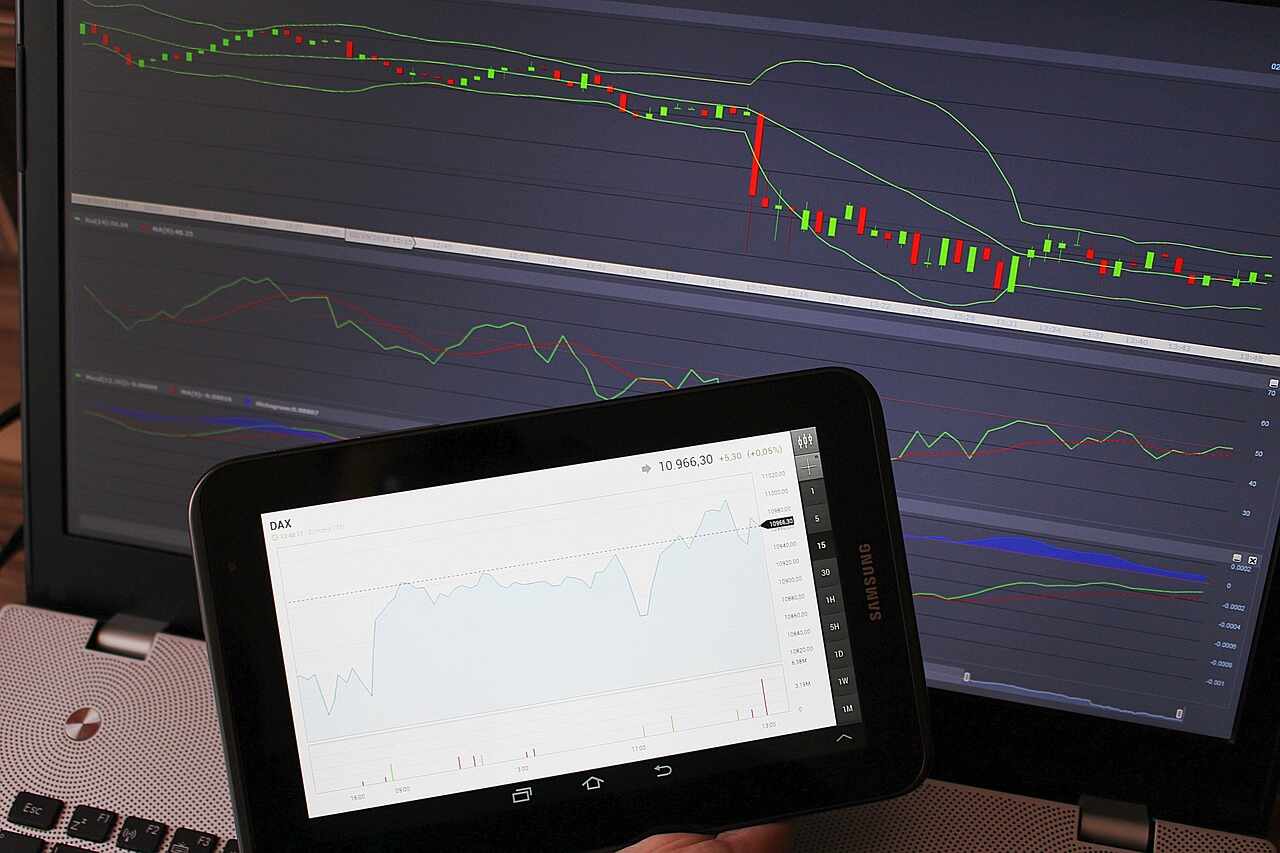
What are Stop Loss and Take Profit?
A stop loss is an order that automatically closes your trade at a predetermined level to limit potential losses. In simple terms, it’s your safety net.
A take profit, on the other hand, closes your trade once it reaches a specific profit level. This ensures you secure gains without needing to constantly monitor the market.
Together, they form the foundation of disciplined trading. Rather than reacting emotionally, you’re planning your trade from the outset — deciding both your risk and your reward before entering the market.
Why Risk Management Matters in Malaysia
Forex trading has become increasingly popular in Malaysia, with more traders accessing international markets via mobile and desktop platforms. However, with opportunity comes risk.
Currency markets can be volatile, especially during major economic announcements or shifts in global sentiment. Without proper risk controls, even a few poorly managed trades can significantly impact your account.
That’s why experienced traders in Malaysia prioritise risk management just as much as strategy. Using stop loss and take profit levels helps create a structured approach, reducing the likelihood of impulsive decisions.
How Professionals Set Stop Loss
Professional traders don’t place stop losses randomly. Instead, they base them on logic, market structure, and risk tolerance.
One common method is using support and resistance levels. For example, if you’re buying a currency pair, your stop loss might be placed just below a key support level. This allows for normal market fluctuations while protecting you if the trend reverses.
Another approach is using volatility. Markets don’t move in straight lines, so placing your stop too close can result in being stopped out prematurely. Tools like the Average True Range (ATR) can help you gauge how much a market typically moves and set your stop accordingly.
It’s also important to define your risk per trade. Many professionals risk only a small percentage of their account — often around 1–2% — on any single position. This ensures that no single trade can cause significant damage.
How Professionals Set Take Profit
Setting a take profit is just as strategic as placing a stop loss. Professionals don’t simply aim for arbitrary targets — they look for logical exit points.
A common method is targeting the next key level on the chart, such as resistance when buying or support when selling. This aligns your exit with how the market naturally moves.
Another important concept is the risk-to-reward ratio. Many experienced traders aim for at least a 1:2 ratio, meaning the potential reward is twice the risk. For example, if your stop loss is 50 pips away, your take profit might be set at 100 pips.
This approach allows traders to remain profitable even if only a portion of their trades are successful.
Avoiding Common Mistakes
Even with the right tools, mistakes can happen — especially for those still developing their trading approach.
One common error is moving the stop loss further away after entering a trade. This usually comes from hoping the market will turn back in your favour. In reality, it often leads to larger losses.
Another mistake is setting take profit levels too early. While it might feel good to secure quick gains, consistently cutting profits short can limit overall performance.
There’s also the issue of not using stop loss at all. Some traders rely on manual exits, but this can be risky — particularly if the market moves quickly or you’re not actively monitoring your trades.
Adapting to Your Trading Style
There’s no single “correct” way to set stop loss and take profit levels. Your approach should reflect your trading style.
If you’re a short-term trader, you might use tighter stops and smaller targets, aiming to capture quick movements. If you prefer longer-term positions, your stop loss may be wider, with larger profit targets to match.
Malaysian traders often balance trading alongside work or other commitments, which makes pre-setting these levels even more important. It allows you to manage trades without needing constant screen time.
Using Technology to Your Advantage
Modern trading platforms make it easy to set and adjust stop loss and take profit levels. With just a few clicks, you can define your risk and reward before entering a trade.
FxPro MY provides the tools needed to manage trades efficiently, whether you’re using a desktop or mobile device. This flexibility is particularly useful in Malaysia, where traders may access markets at different times of the day.
Features such as price alerts, charting tools, and one-tap execution help streamline the process, making it easier to stay disciplined.
Final Thoughts
Setting stop loss and take profit levels isn’t just a technical step — it’s a mindset. It’s about approaching trading with structure, discipline, and a clear plan.
Professional traders don’t rely on luck. They define their risk, stick to their strategy, and let the market do the rest.
If you take the time to develop this habit, you’ll not only protect your capital but also build a more consistent and confident approach to trading.









Add comment