


 Maran Perianen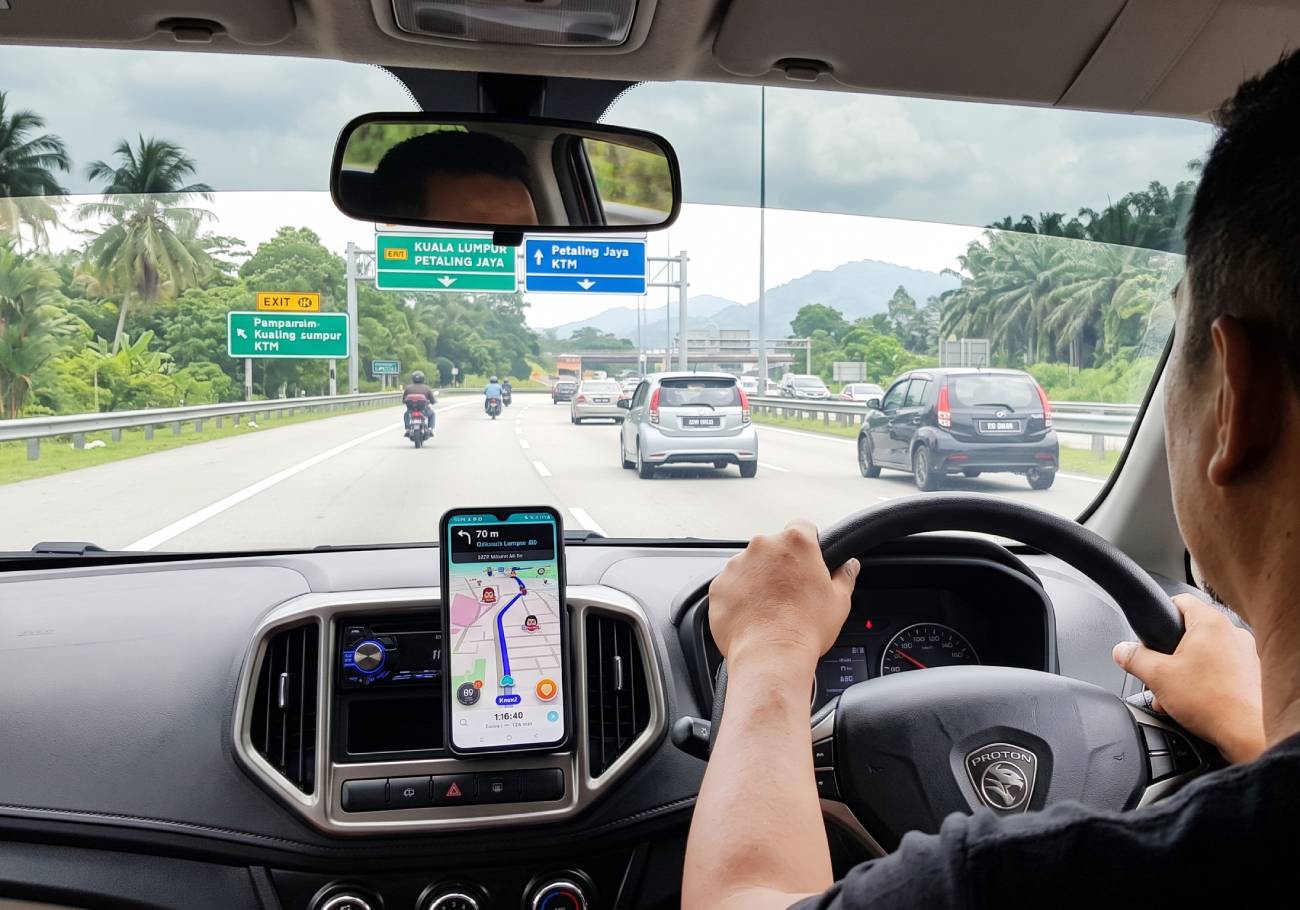
The Waze denial came on 22 October. A spokesperson called the government’s data claims “completely false”. It came two days after Prime Minister Dato Seri Anwar Ibrahim urged Malaysians to use TuJu.
Since then, the message on who must quit Waze has changed. TuJu has also struggled with new users.
Here is what changed from 20 to 22 October. We also cover what a dark-web claim does and does not show.
Waze ban: what changed between 20 and 22 October

On 20 October, Malay Mail reported that Anwar urged the public to use TuJu. He cited security risks to movement data. He said Waze is bound by Israeli law.
On 21 October, the PM’s Office said Anwar had barred all civil servants from using Waze. It also said he urged all Malaysians to stop using it, The Vibes carried.
By 22 October, the message was softer. YM Raja Dato’ Nushirwan Zainal Abidin of the National Security Council said there is no blanket ban, Malay Mail reported.
He said the government must weigh security against freedom to choose. The ban covers civil servants on official duties. However, it urges them and the public to remove Waze.
Likewise, Digital Minister Gobind Singh Deo told the Dewan Rakyat the same. The rule covers only public servants on official duty, Associated Press reported.
Civil servants may use other apps besides TuJu, The Rakyat Post reported. Gobind named Google Maps and PINTAZ.
Waze denial and what the National Cyber Security Agency says
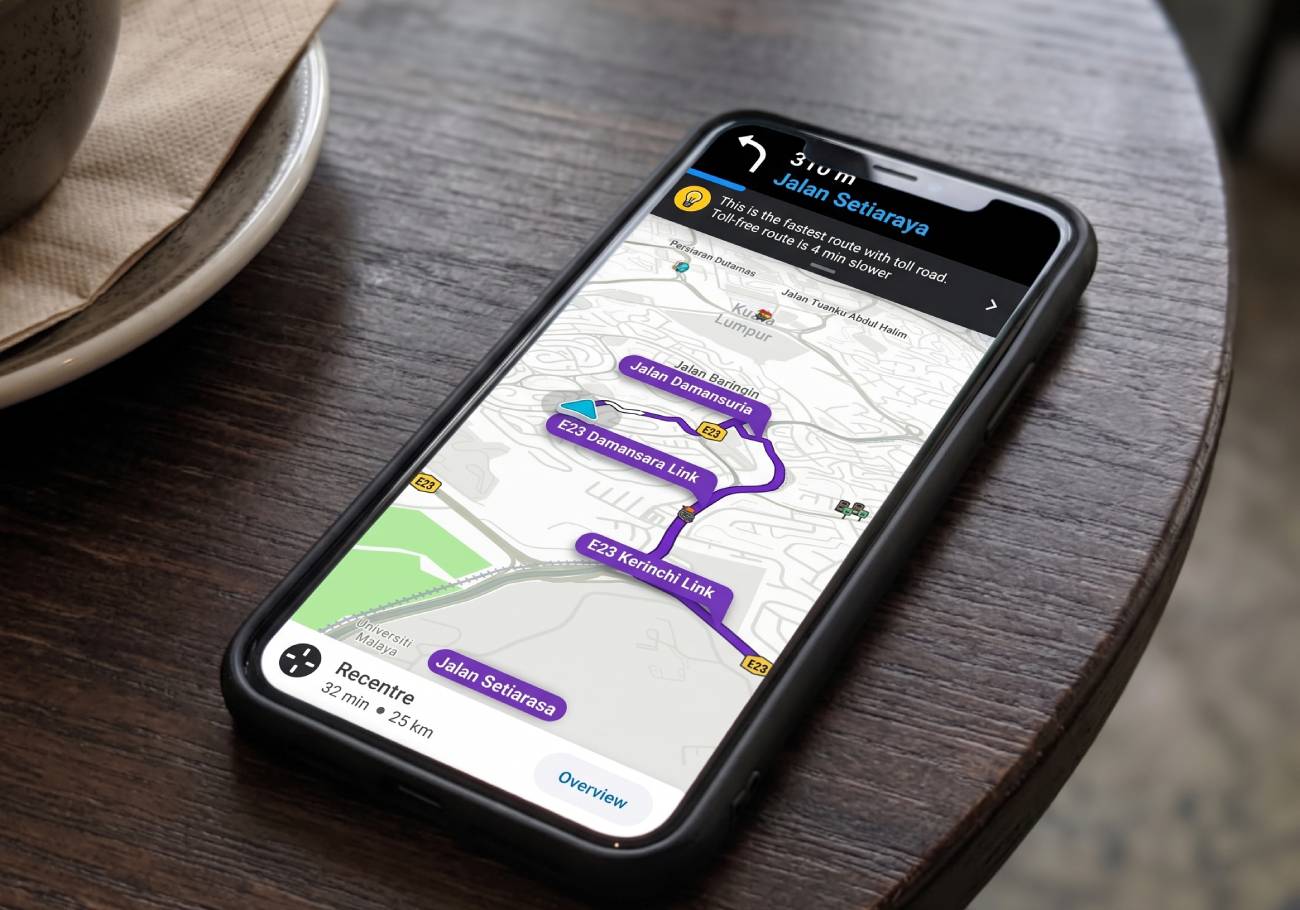
A spokesperson said the claims are “completely false”, Malaysiakini reported. The claims are that Waze collects sensitive government data or lets others misuse personal data.
The spokesperson said Waze follows strict privacy policies and global data standards. However, the AP said the spokesperson did not address any Israeli link.
Overall, the main reason is legal. Waze’s terms put it under Israeli law. Nushirwan said users who accept that choose for themselves.
The National Cyber Security Agency (Nacsa) spoke of risk. Its FAQ said there is no evidence that Waze analyses its users. However, it said the data could still be used or exposed.
In short, officials have not said they found a leak. They say they see a risk.
That is a different claim from the one in the Waze denial. Keep the two apart.
TuJu outage after the call to switch
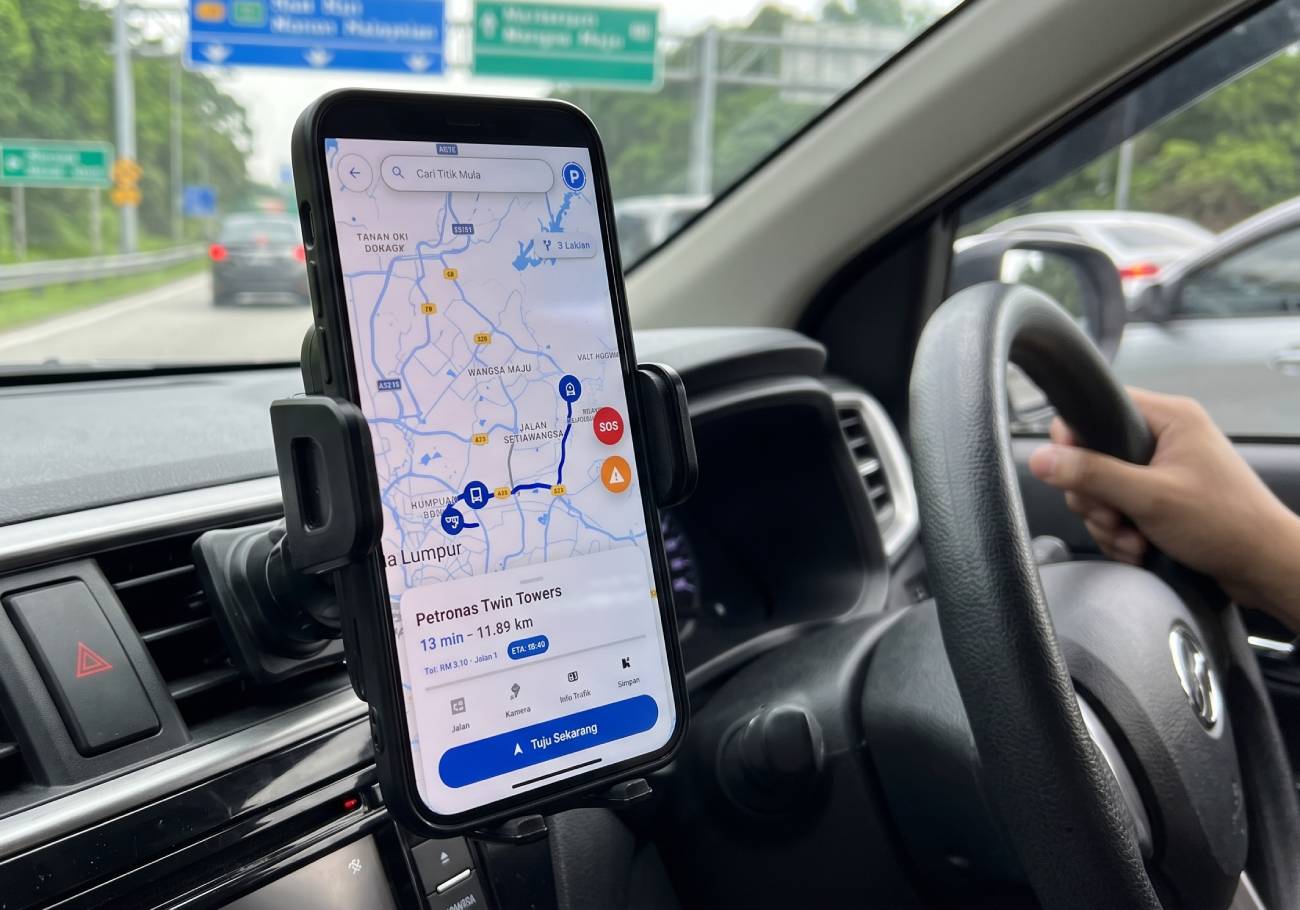
The switch has not been smooth. The highway authority, LLM, said sorry on 22 October for TuJu disruptions, Malay Mail reported.
LLM said it is working with developer Prosignal Consortium to find the cause and fix the app. It blamed a surge of new users after Anwar’s call.
Meanwhile, users complained about navigation, route accuracy and the app overall, it said. It gave no date for a fix.
Lim Guan Eng, a DAP adviser and Bagan MP, called TuJu a “national embarrassment” in a written statement, Malaysiakini reported.
Gobind said TuJu will grow beyond highways to cover ordinary roads. The Star reported that GovTech will work with TuJu, PINTAZ and others on this.
A separate claim has also resurfaced. Bernama reported that a threat actor is selling data of nearly 7.7 million Waze users on a dark web marketplace.
The data allegedly has usernames, user IDs, trip history and live GPS spots. The source is the firm ClearPhish.
However, the claim is not new. ClearPhish published it in February 2025, Business Today reported. The article added that the dataset has not been independently verified.
Google had not confirmed any breach then. We found no reply from Waze, Google or Malaysian officials.
So it is no proof for the ban. The government’s stated reasons concern Israeli law, not this dataset.


 C. Khor
 Sashidaran Gunathevan
 Yalinie Mathan




Add comment