


 Maran Perianen
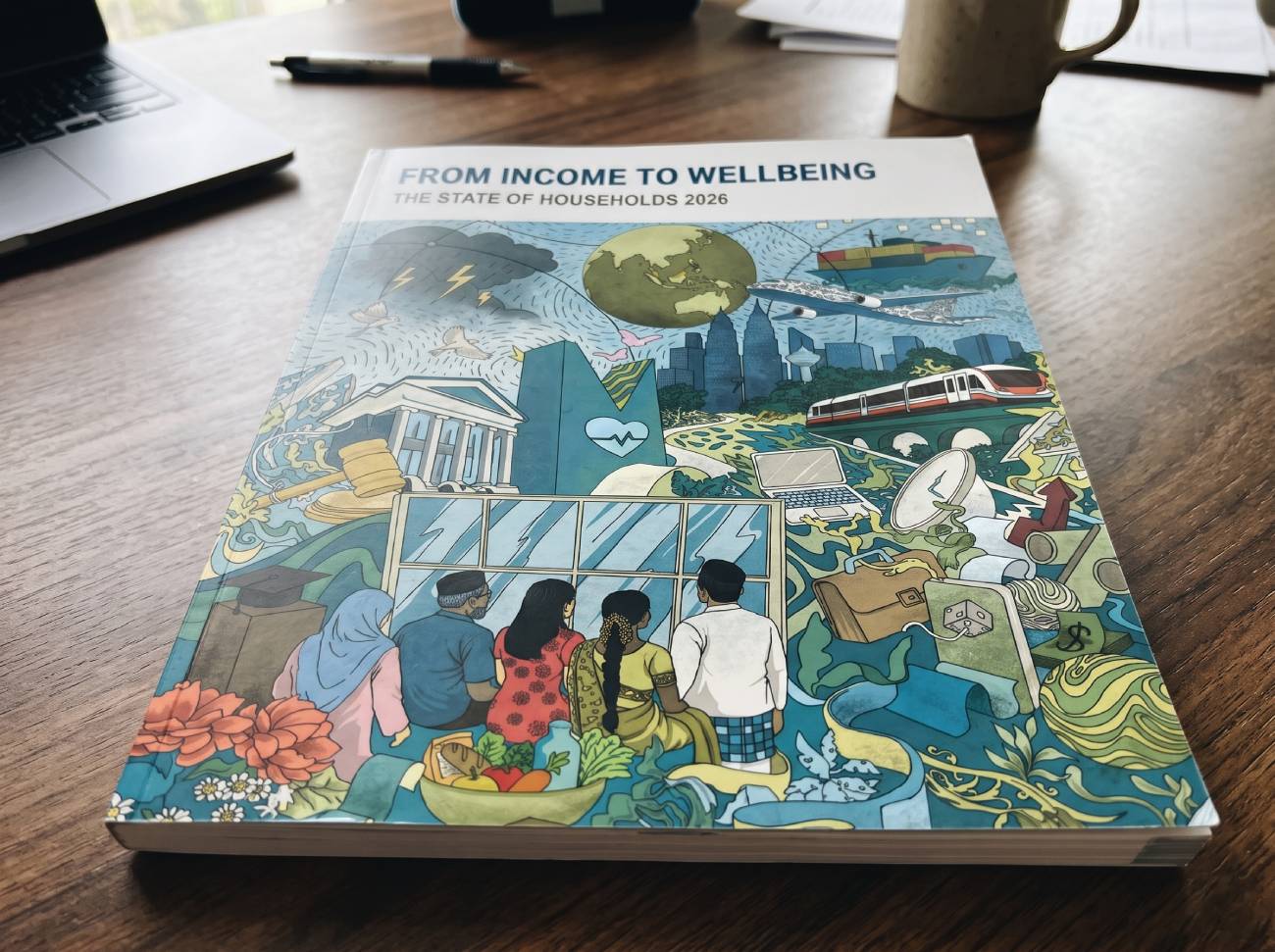
Malaysian households are earning more and feel happier, but the poorest are not keeping up. That is the main finding of the State of Households 2026 report.
The Khazanah Research Institute (KRI) report, released on 23 October, covers 2024 data.
Here are the key figures, who is squeezed, and what the researchers say should follow.
Incomes, happiness and poverty all improved
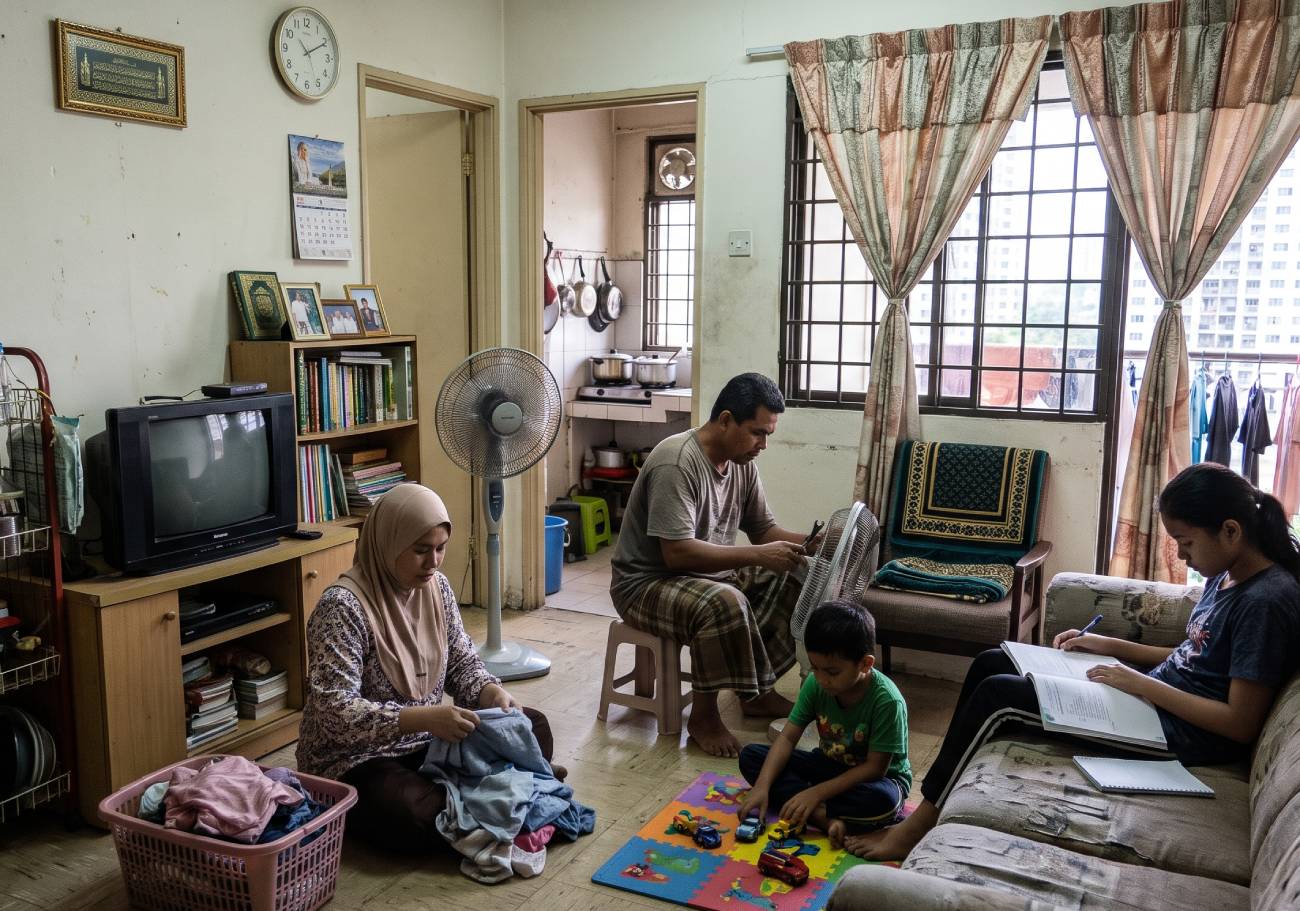
Median monthly household income reached RM7,017 in 2024, and the mean was RM9,155. Median income grew 5.1% a year from 2022, faster than 2.5% over 2019 to 2022.
Inequality also fell. The Gini coefficient dropped from 0.404 to 0.390, the lowest on record. Households earning under RM2,000 fell from 11.7% in 2014 to 3%.
Meanwhile, poverty eased too. Absolute poverty fell from 6.2% to 5.1% of households between 2022 and 2024. That is below pre-pandemic levels.
In addition, happiness rose. The Malaysia Happiness Index climbed from 6.48 in 2021 to 7.60 in 2024. KRI classes Malaysians as “happy”.
Wages supply 62.9% of household income. Labour force participation also rose to 70.6%, from 68.7% in 2019.
KRI says the happiness rise is likely due to better post-Covid perceptions. In its words, “household wellbeing is improving at the national level.”
Why lower-income households feel squeezed
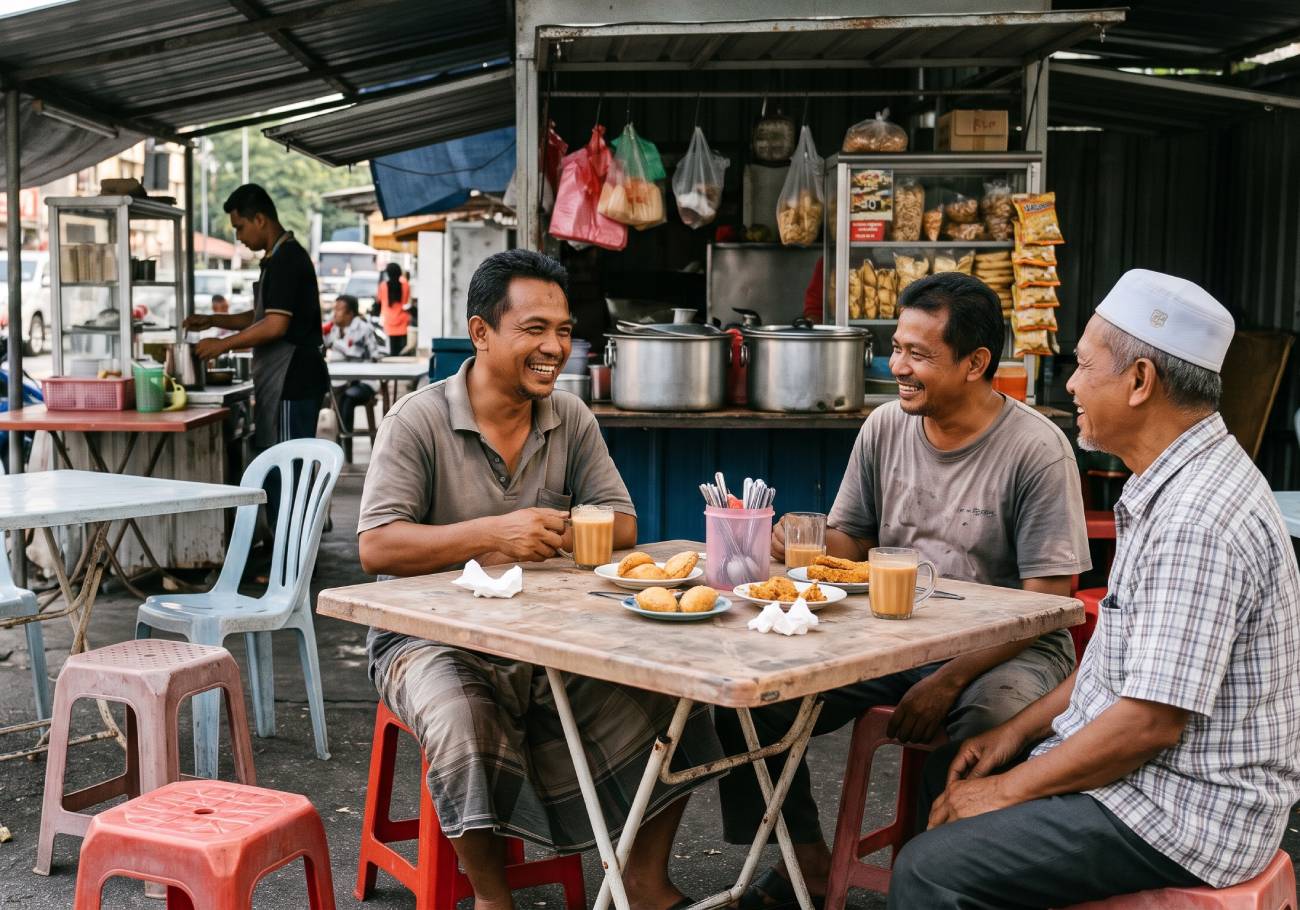
However, spending grew faster than comfort. Between 2019 and 2024, spending rose by more than 15% for the lower 70% of households. It barely moved for the top 10%.
The bottom 10% saw the sharpest jump, at 21.3%. Their monthly income averaged RM2,227 in 2024.
As a result, they kept only 1.9% of gross income after spending, down from 10.8% in 2019. That is about RM41 a month.
Moreover, that figure ignores taxes, loan repayments and remittances. After transfers, KRI puts their residual income at minus RM246 a month.
KRI says that points to borrowing or drawing down savings. Food is the main pressure. It takes 38.3% of spending for the bottom 10%, against 24.5% for the top 10%.
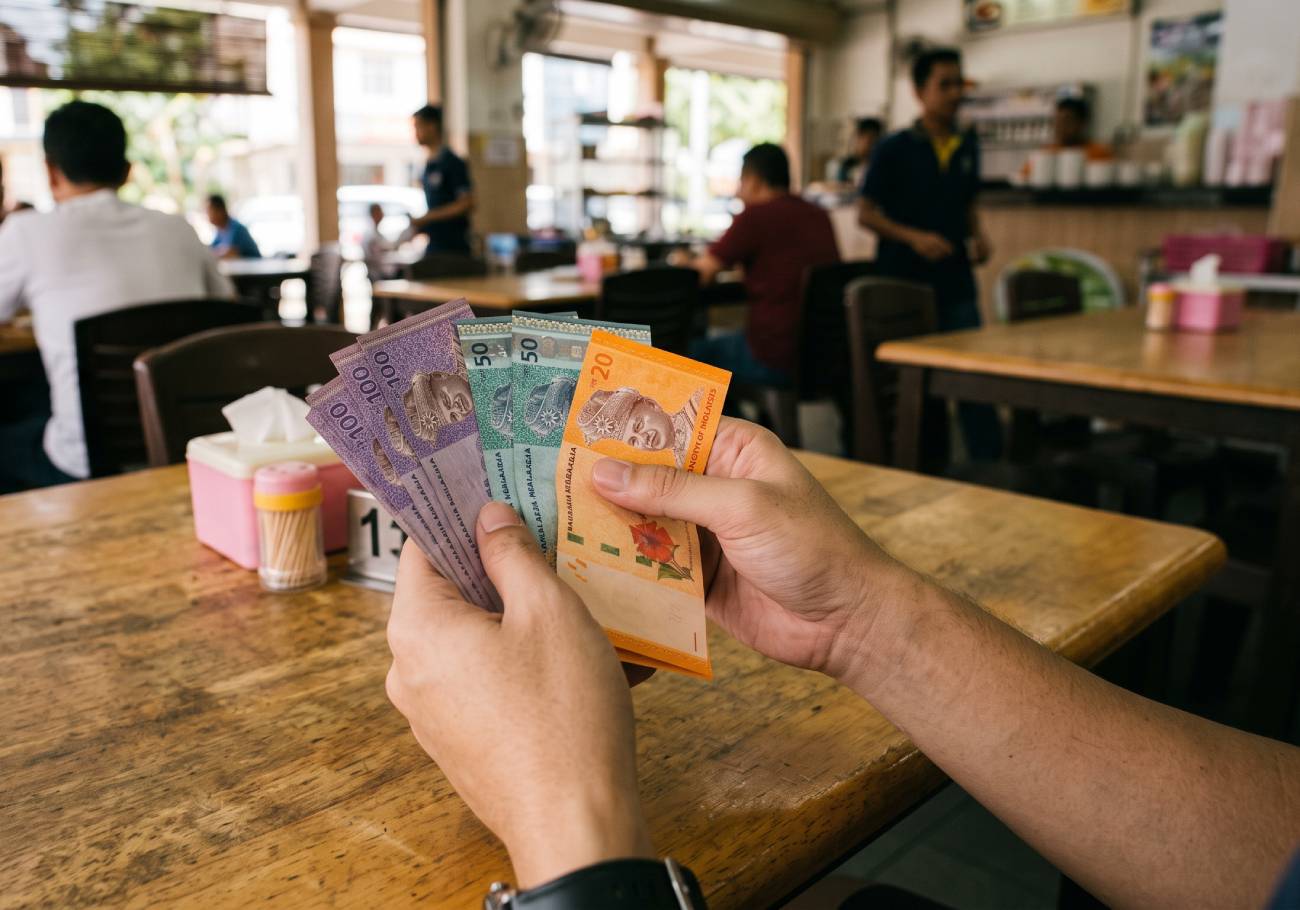
Also, eating out now costs more than cooking at home. Households averaged RM902.70 a month on eating out, against RM875.80 on food at home.
KRI links this to higher living costs and changing lifestyles.
Big gaps remain by place and age
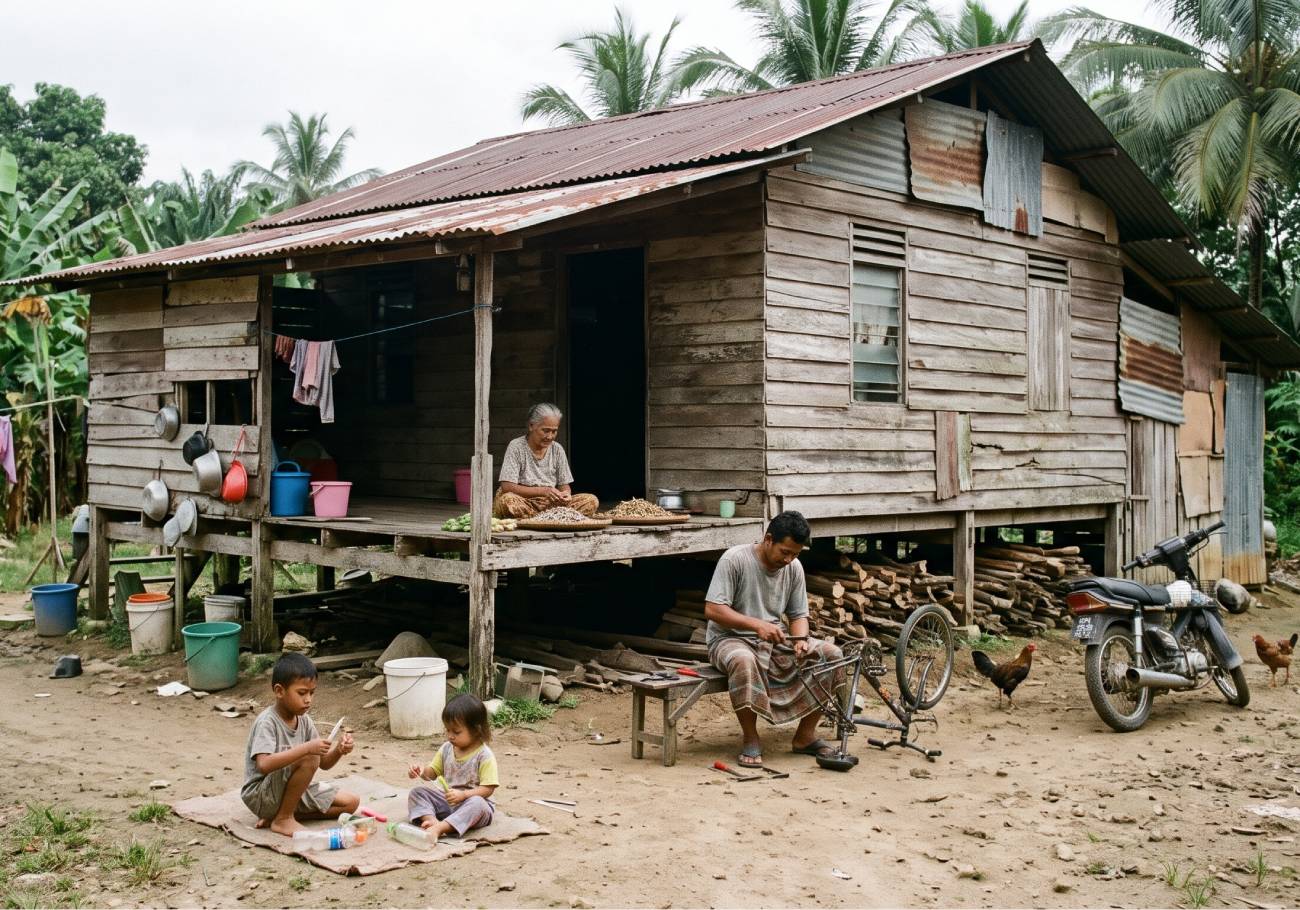
First, where you live matters. Rural median household income was just 56.4% of the urban figure. That gap is RM3,551 a month.
Median wages were RM2,851 in urban areas and RM1,698 in rural areas. Nearly half of households, or 46.2%, live in just 22 of 166 districts with above-average income.
Poverty is uneven, too. In 111 districts, poverty rates exceeded the national 5.1%. In 66 of them, rates were more than double that.
Pitas in Sabah had the highest rate at 50%. Kuala Krai in Kelantan was highest in Peninsular Malaysia at 20.2%.
Likewise, age and health add pressure. Households headed by someone over 65 had a median income of just over half the national median. In Perak, 41.7% of households include an older person.
Meanwhile, 54.4% of adults were above a healthy weight in 2023, with 21.8% obese. KRI warns that this raises long-term health costs.
What KRI says should come next
KRI says the State of Households 2026 report does not offer policy solutions. It calls itself a baseline body of evidence. However, its conclusion points to a direction.
Cash aid and subsidies for short-term needs should be matched by long-term investment in infrastructure and services. It also calls for local solutions based on community needs.
For example, it highlights care services for an ageing population and wider social protection for informal workers.
Spreading development beyond big cities could also narrow gaps, it adds. It also warns that food supply is exposed to global shocks. Nearly three-quarters of beef imports come from India, and two-thirds of vegetable imports from China.
Overall, the State of Households 2026 shows progress with uneven gains. For help available now, read our STR 2027 guide. For prices at the shop, see our report on subsidised cooking oil.


 C. Khor

 Yalinie Mathan

 Sashidaran Gunathevan




Add comment