


 Jimmy Tan
In the heart of Selangor, a quiet yet significant environmental effort is unfolding across a 50-acre stretch of secondary forest in Sungai Buaya. At a time when conservation is often driven by government agencies or large corporations, this project stands out as a privately led initiative grounded in long-term ecological thinking. Spearheaded by David Loke and his partner, Mr. Moo, under Green Tree Plantation, the effort signals a growing recognition that safeguarding natural heritage also rests with individual citizens and small enterprises.
Since receiving state approval and beginning work in September 2023, the team has planted 6,000 native trees. With a clear and structured plan, they are aiming to double that number to 12,000 by mid-2026, gradually reshaping the forest’s future.
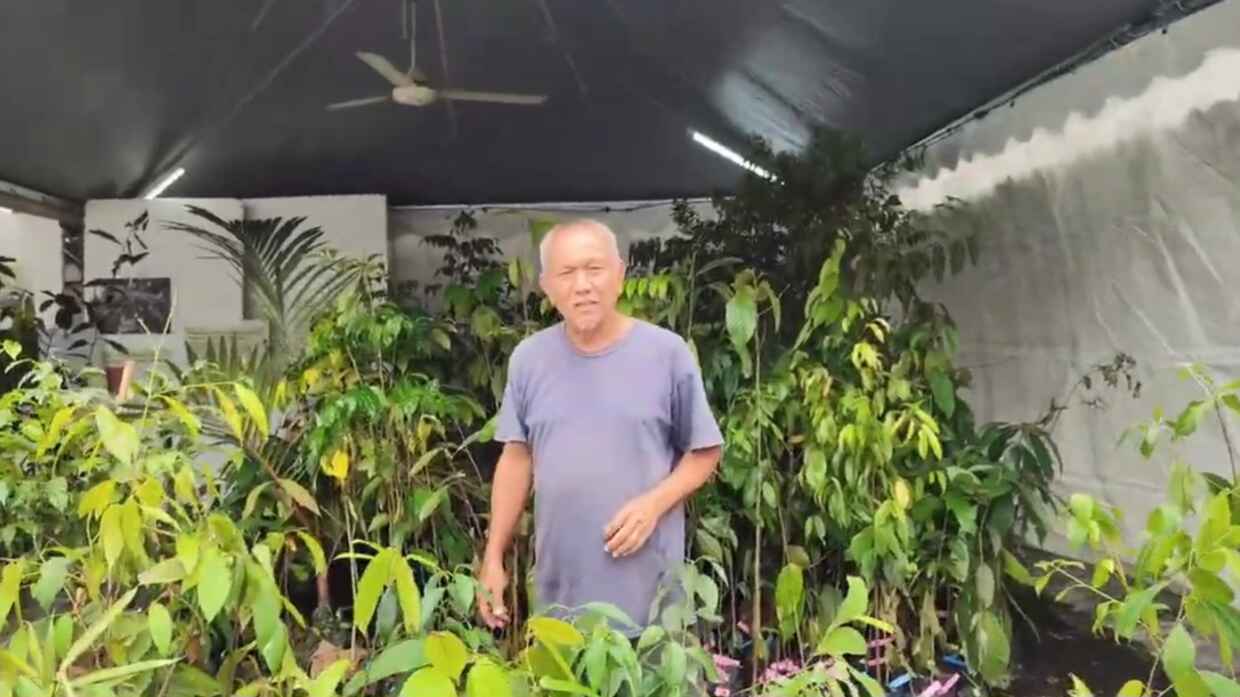
Restoring forests through natural succession
The approach adopted in Sungai Buaya is rooted in the concept of forest succession. While the area is currently dominated by secondary forest species, such vegetation is often short-lived and vulnerable to decline within a decade. By introducing primary jungle species beneath the existing canopy, the project ensures ecological continuity rather than abrupt change.
Species such as Meranti, Keruing and Chengal are being carefully planted to take over as the secondary forest matures and fades. These trees are integral to Malaysia’s original rainforest ecosystem, capable of living for centuries. Over time, they will form a stable, permanent jungle that supports biodiversity, improves soil health and functions as a vital carbon sink. For Selangor, the project represents the strengthening of a natural green lung amid ongoing urban expansion.
Transparency, community and long-term protection
A defining feature of the initiative is its openness about cost and logistics. Reforestation, often romanticised, is presented here in practical terms. Planting and maintaining 1,000 trees requires an estimated RM19,000 to RM20,000 per month, covering saplings, maintenance and labour.
Crucially, Orang Asli workers play a central role in the project. Their involvement provides steady employment while ensuring the forest is tended by individuals with deep knowledge of the land. This partnership reflects a model of conservation that integrates environmental goals with social responsibility.
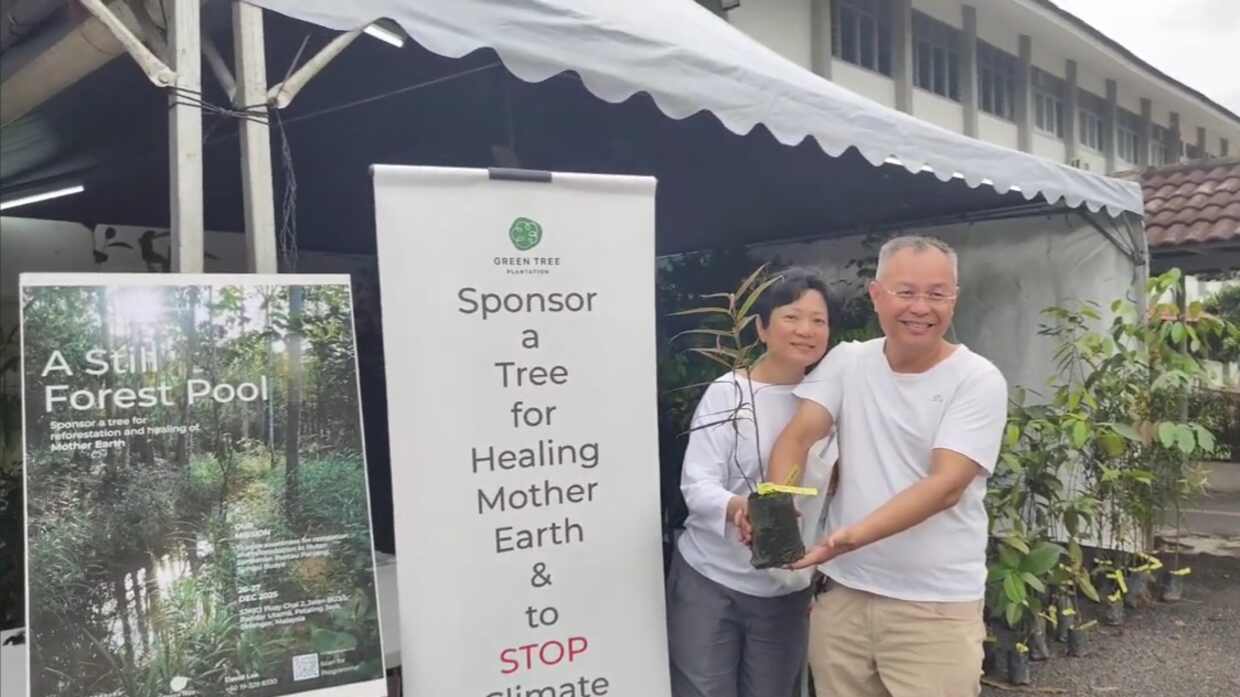
Looking beyond their own stewardship, Loke and Moo are also exploring the Wakaf scheme as a mechanism to protect the land permanently. Such an endowment would legally prevent future development, ensuring the forest remains intact for generations to come.
A growing network of citizen conservationists
The Sungai Buaya effort does not exist in isolation. It forms part of a wider, informal network of Malaysians committed to restoring native biodiversity. This spirit of collaboration was recently highlighted through engagement with Brother Lye Yue Chong of the Dhammavijaya Meditation Centre, who has led the planting of 70 trees across 16 native species at the centre.
While independently managed, these initiatives share technical knowledge and moral encouragement, reinforcing the idea that private citizens can play a meaningful role in environmental recovery.
Inspired by mindfulness teachings and a deep respect for nature, the Sungai Buaya project goes beyond climate action. By planting species such as Sentul, Petaling and Kepong, it reconnects landscapes with the history embedded in their names. In an era of environmental uncertainty, this 50-acre forest stands as a compelling example of how passion, transparency and community collaboration can create a lasting ecological legacy.


 Yalinie Mathan
 Admin
Admin
 Sashidaran Gunathevan






Add comment