


 Admin
AdminMuseums, galleries, and historical sites aren’t just buildings; they’re caretakers of our shared memory. Across Malaysia and Singapore, these institutions preserve centuries of cultural heritage while welcoming millions of visitors each year. Protecting these treasures is a shared responsibility, ensuring they remain accessible for future generations.
Understanding threats to heritage
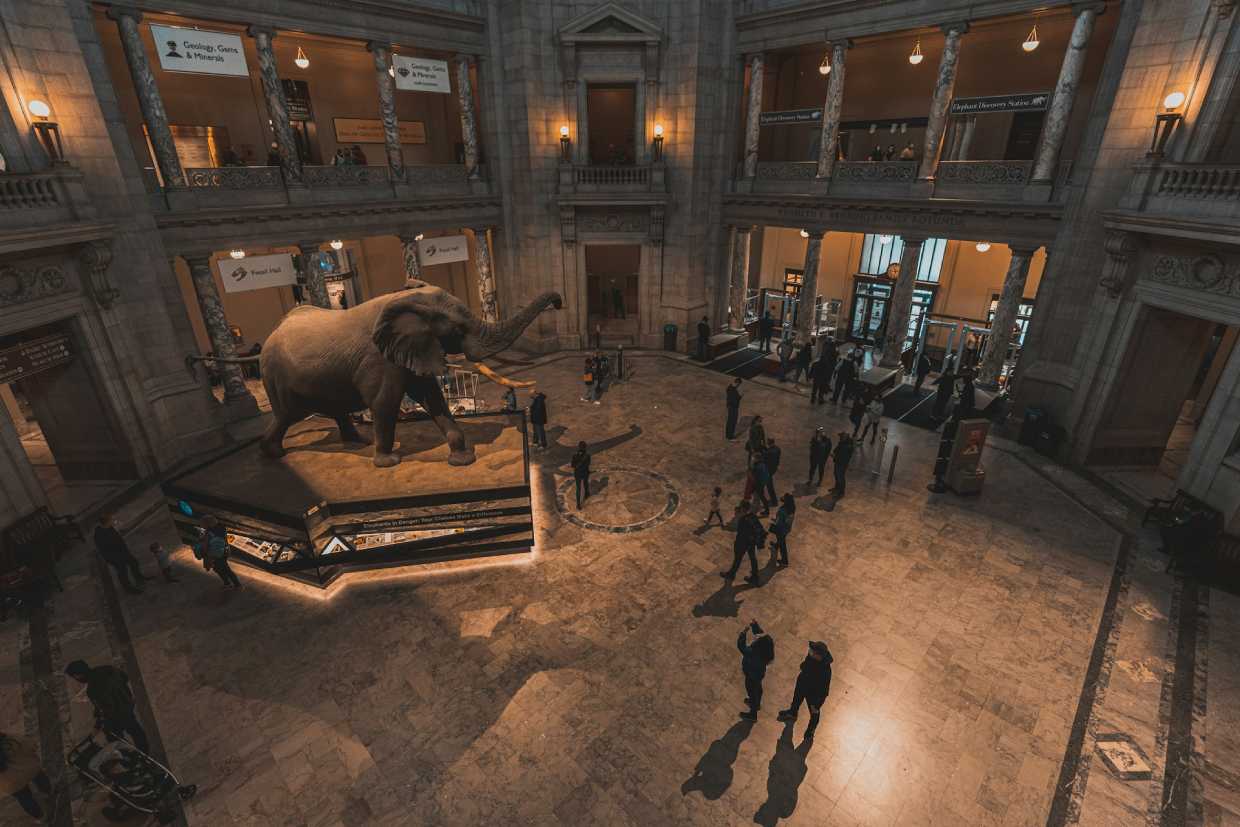
Cultural assets face many different and complicated dangers. The most obvious one is theft, which steals our shared history for someone’s private gain. Vandalism, whether random or planned, can permanently damage artifacts and buildings. Beyond intentional harm, environmental factors are a big risk. Things like changing temperatures and humidity, too much light, or the danger of fire or water can slowly ruin delicate materials.
In today’s connected world, threats have also moved online. Many institutions are putting their collections into digital formats to make them easier to access and preserve. But this also creates new weaknesses. Now, risks include advanced digital cultural heritage threats, like data breaches or cyberattacks on digital archives, which can expose private information or erase priceless records.
The role of advanced surveillance
Modern security for cultural institutions is much more than just a few cameras and a night guard. Today’s surveillance technology offers smart, active monitoring. High-definition cameras can get clear images even in dim light, and special software can automatically spot unusual behavior. This could be someone lingering in a restricted area or an object being moved. This helps security staff react to potential problems before they escalate.
At the heart of such a system is a powerful video management system. This software acts as the main control center for all surveillance. It brings together feeds from hundreds of cameras across many buildings, giving security teams a full picture of what’s happening. It makes it easy to review incidents, monitor things in real-time, and set up automatic alerts, turning a passive security system into an active defense.
Integrated security solutions
The best security plan uses many layers of protection. Video surveillance is key, but it works best when combined with other systems. For example, access control makes sure only authorized people can enter sensitive areas like storage vaults or conservation labs. This can be done with keycards, fingerprint scanners, or mobile passes, and every entry is recorded for review.
Environmental sensors are another crucial part. These devices check for smoke, heat, water leaks, and changes in temperature or humidity. They give early warnings about conditions that could harm the collection. When these systems are connected, something happening in one can trigger an action in another. For instance, a fire alarm could automatically unlock certain doors for evacuation while sending a live video feed of the affected area to first responders.
Preventative measures for collections
While securing the outside is important, protecting assets also means taking steps inside the institution itself. Good collection management is a type of preventative security. This involves keeping a detailed list of every item, with photos, descriptions, and condition reports. This information is incredibly valuable for getting items back if they’re stolen and for insurance.
Secure display and storage are also fundamental. Display cases should be made from strong, tamper-resistant materials and have their own alarms. In storage areas, artifacts should be kept in stable, climate-controlled environments that protect them from environmental damage. Regular training for staff on security rules and emergency procedures ensures everyone knows their role in protecting the collection, building a security-focused culture throughout the organization.
Keeping our cultural assets safe requires looking ahead, combining technology, careful planning, and constant watchfulness. By understanding all the different threats and putting integrated solutions in place, we can make sure these connections to our past stay secure for generations to come.









Add comment