


 Maran Perianen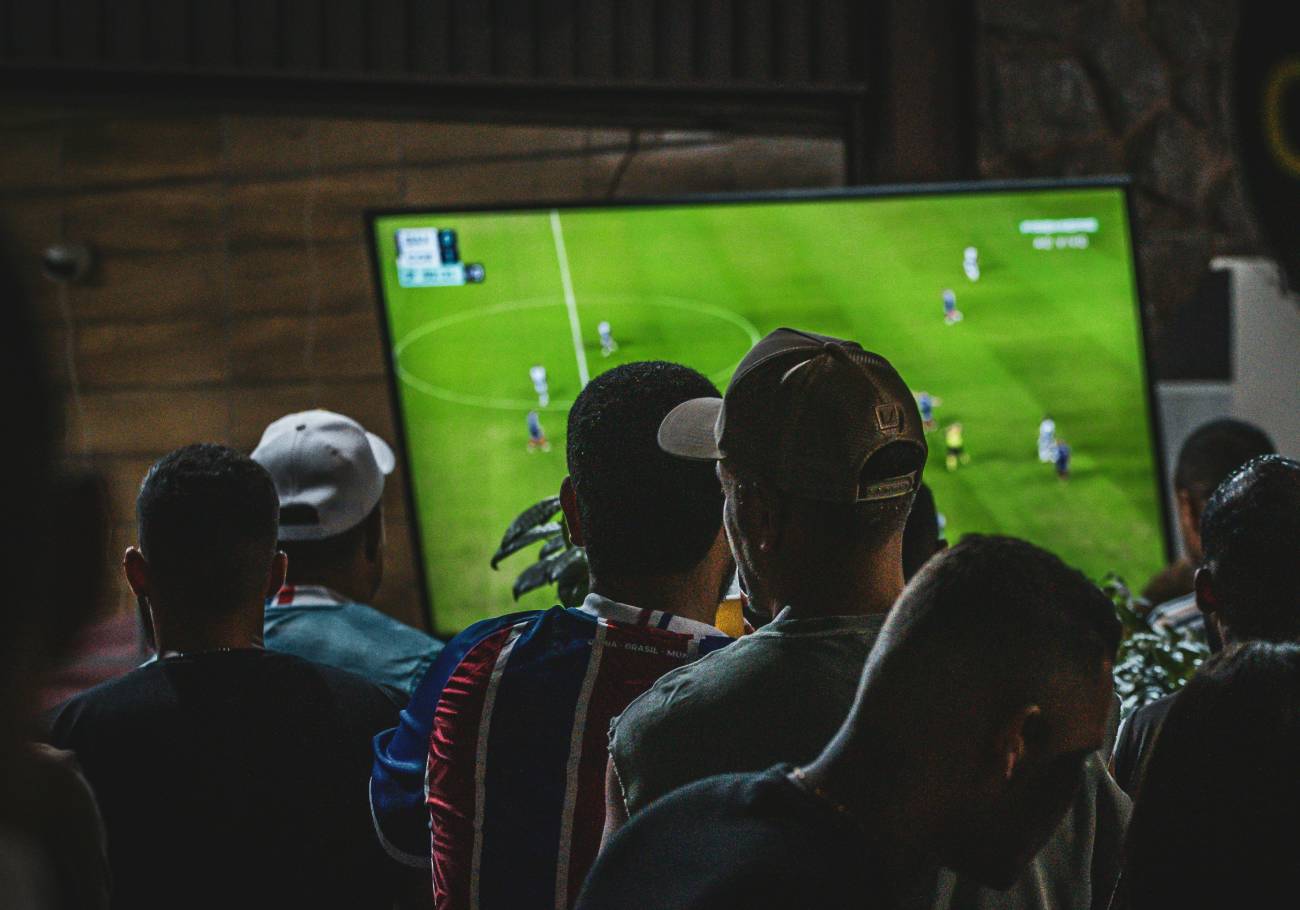
The alarm went off at the usual time this morning. No match to stay up for. No group chat buzzing at 2am with someone’s hot take on a penalty decision in New Jersey. The World Cup 2026 is over. Malaysia is returning to its regular rhythm — slowly, and with a fair amount of sleep debt to repay.
For five weeks, this country ran on a different clock. Mamak stalls packed at 2am. Office productivity following the fixture list. WhatsApp groups that existed for years without incident turned into battlegrounds over referee decisions. And then there were the medical certificates. The suspiciously timed stomach aches that coincided with 3am kick-offs. The MCs that nobody questioned too hard because everyone in the office was in the same condition. Malaysian employers learned long ago that enforcing attendance policies during a World Cup is a battle not worth fighting.
All of this points to something. Malaysians are not casual football fans. The passion is real, deep and slightly irrational in the best possible way. We are, arguably, among the most football-obsessed nations in Southeast Asia. We just happen to watch somebody else’s football.
The evidence is in the mamak: Malaysia loves football
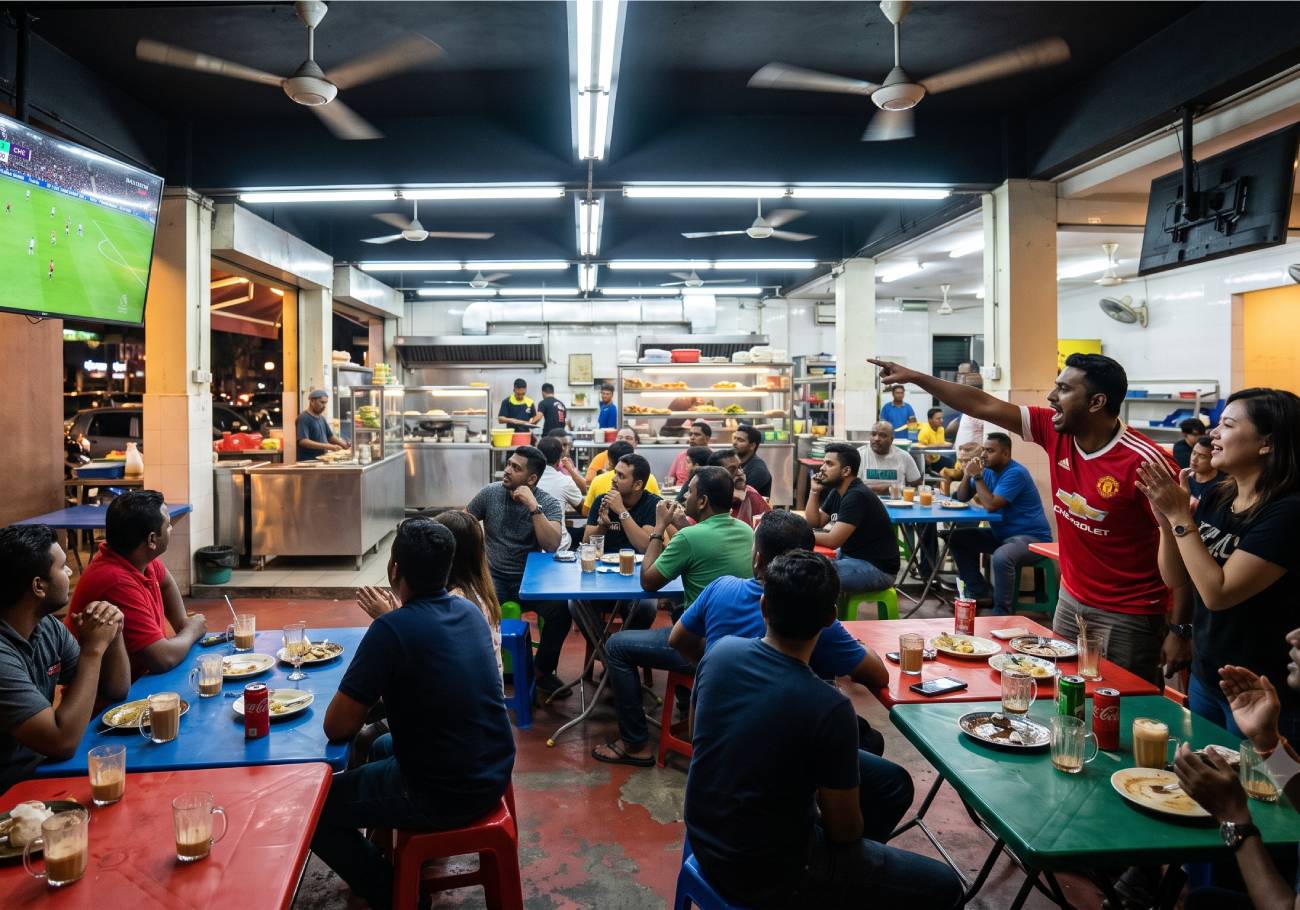
The true measure of the World Cup’s grip on Malaysia is the mamak stall at midnight. For five weeks, the plastic chairs were full. Teh tarik orders came in waves timed to kick-off. Any mamak with a large screen and a reliable Astro subscription had the best business of the year.
But the football was almost secondary to the argument. The one that never ends. Ronaldo or Messi. The GOAT debate — Greatest of All Time — has run in mamaks, WhatsApp groups and office pantries for two decades. It shows no signs of resolution. One side points to tournament records. The other points to club dominance. Someone brings up assists. Someone else brings up penalties. By 2am, the teh tarik is cold and nobody has changed their mind.
That is the point. The GOAT debate is not meant to be won. It is meant to be had — loudly, repeatedly, in good company. And the depth of feeling behind it reveals something important. Malaysians do not follow football casually. They follow it with the kind of emotional investment most people reserve for family matters. They argue, they track, they analyse, they suffer. That is not a passive relationship with the sport. That is love.
The lunch hour nap became a recognised institution during the World Cup. The colleague who disappeared for forty-five minutes at 1pm was not sleeping off a heavy meal. He was recovering from a match that ended at 4am. Everyone understood. Nobody said anything. That level of commitment to somebody else’s sport is extraordinary.
August fills the gap — EPL replaces World Cup 2026 fever
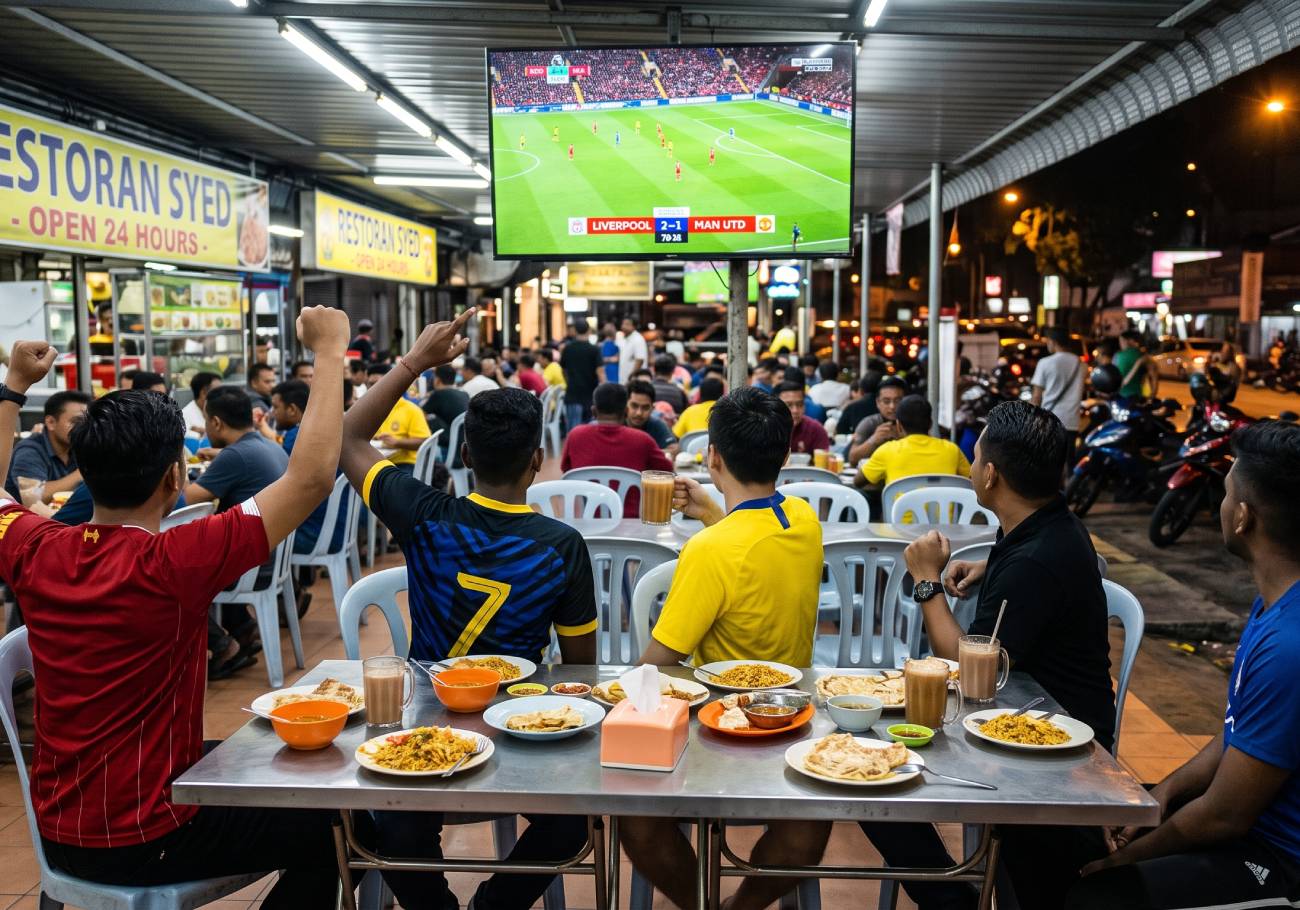
The football addict’s recovery period will be brief. The English Premier League returns in August. La Liga follows. Serie A. The Champions League not long after. The questions that will fill the mamak are already forming. Can Arsenal finally win the title after coming so close for two seasons?
What becomes of Manchester City after Pep Guardiola — does the machine still run without the man who built it? Will Manchester United finally break free from the long shadow of Sir Alex Ferguson? And Liverpool — always Liverpool — whose Malaysian fanbase treats Anfield like a second home and every defeat like a personal loss.
Different arguments, same mamak, same cold teh tarik at 2am. The addiction transfers seamlessly. This is the annual rhythm of Malaysian football fandom and it has been this way for decades. The World Cup ends. The Premier League starts. Nobody notices the gap.
That seamless transfer is worth pausing on. Malaysians do not lose interest in football when the World Cup ends. They simply redirect it — efficiently, enthusiastically, toward clubs and leagues they have followed for years. The passion does not diminish. Right now, Malaysian football fans direct their attention almost entirely to foreign leagues. Not because they are disloyal. Because that is where the habit has always pointed.
Malaysia’s World Cup 2026 passion and the league nobody watches
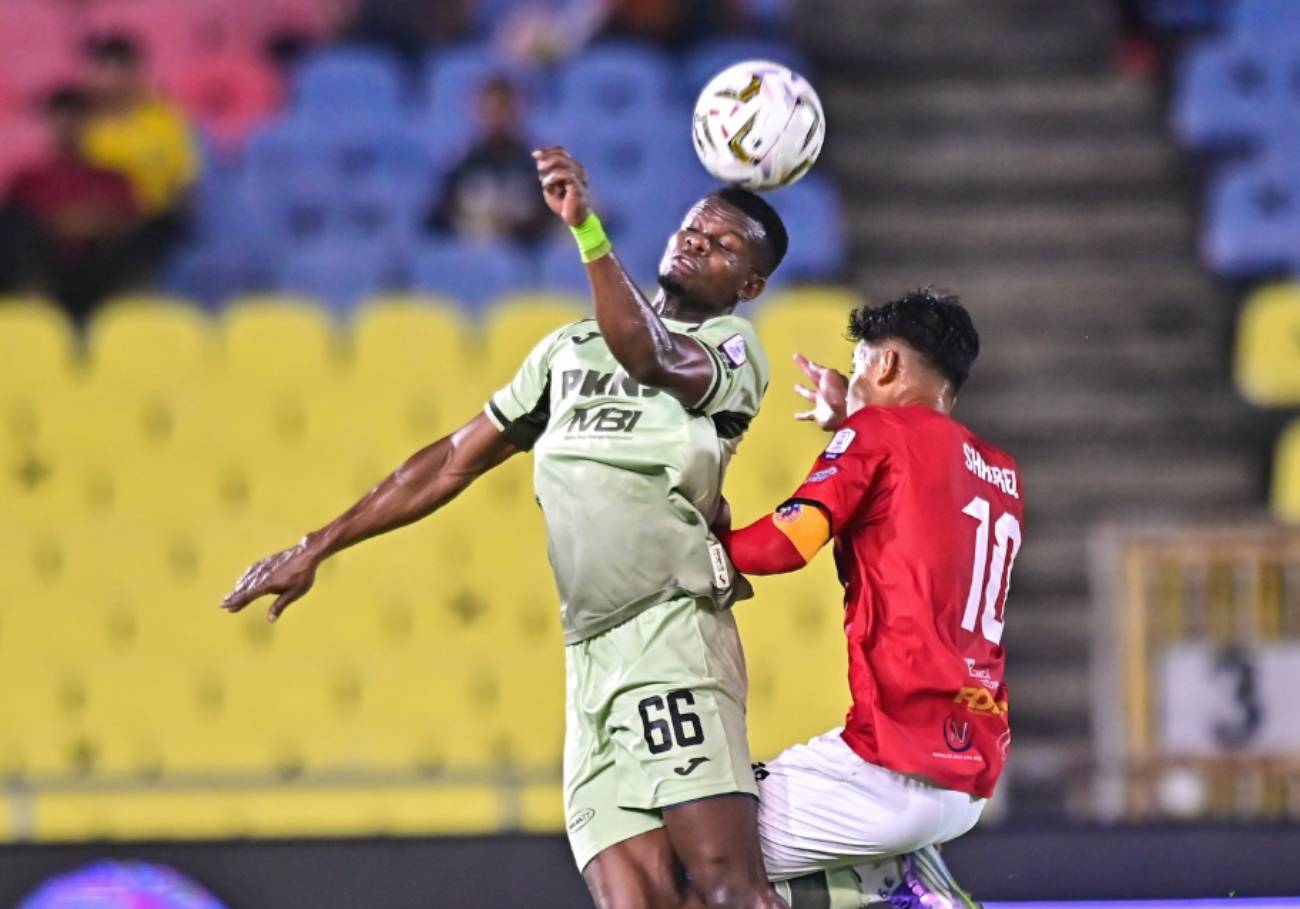
Here is the uncomfortable truth underneath all of this. Somewhere in the middle of August, the Malaysia Super League will also be in progress. Professional football. Malaysian players. Malaysian pitches. Malaysian clubs with genuine history and local fan bases. And average crowds of 3,000 to 5,000 per match in a country of 33 million football fans.
That Malaysian — the one who faked an MC for a 3am match, who knows every injury update from the Croatia squad — often cannot name the Super League’s top scorer. That gap is not about quality. It is about habit, attention and the accumulated weight of decades pointing in a different direction.
But here is what is also true. Harimau Malaya climbed two spots in the FIFA rankings this month — from 138 to 136. Small movement. The right direction. Despite the naturalised player scandal of 2025, despite the FAM fine and the annulled results, the league continued. The players trained. The foundation did not collapse.
At a giant screen in Bangi Square 2 this morning, watching the World Cup final at dawn, Deputy PM Datuk Seri Ahmad Zahid Hamidi said something telling. He went to where Malaysian football ambition still lives. “Insya-Allah, one day we aspire to make Malaysia a World Cup host. Hopefully, by then, our team will be among those representing Southeast Asia,” he said. Just a dream. Said out loud. At 3am. By a man who could not sleep through the final any more than the rest of us.
What World Cup 2026 left behind for Malaysian football
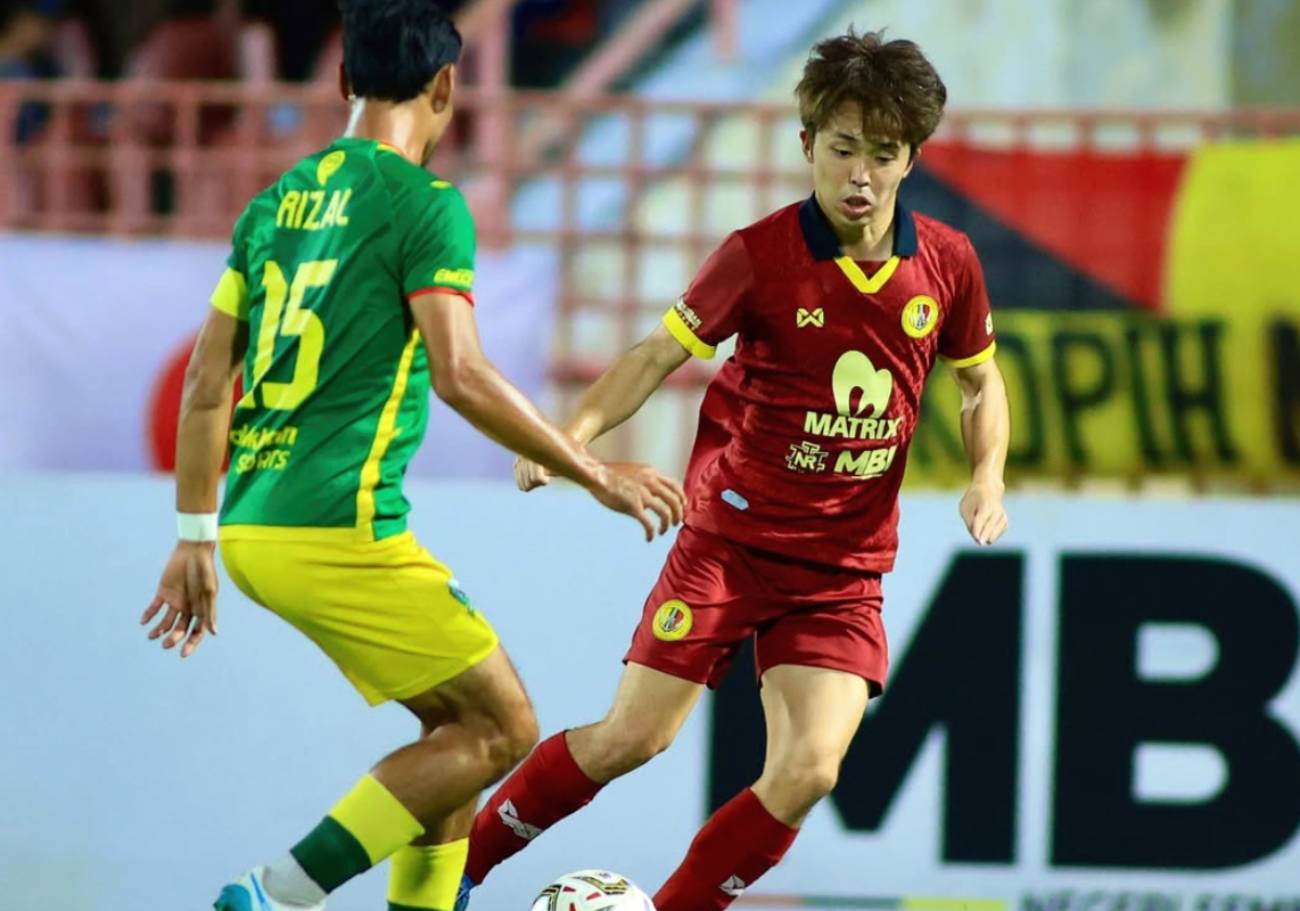
FIFA did leave something behind. Mini pitches, a National Training Centre, Football for Schools in 237 schools. Dietmar Hamann said it plainly at a KL event in June.
“The kids are the future, and without grassroots football, there’s no professional football.” That investment is real. The infrastructure is being built. Japan missed the 1994 World Cup, spent three decades building from the ground up, and now reaches knockout stages. The path is known.
But infrastructure alone does not fill stadiums. Attention does. And right now that attention flows elsewhere. The World Cup just ended. Before the EPL takes over completely, there is a brief window — a moment when the energy is still in the air and the habit has not yet reasserted itself.
What if — just for one Wednesday night — some of that energy went to a Super League match instead?
We are a nation of football lovers. We fake MCs for 3am matches. We argue about the GOAT until the teh tarik goes cold. We know more about Arsenal’s injury list than our own national team’s fixtures. The passion is there. It has always been there. It just needs, somewhere between the EPL and the next World Cup, to occasionally point toward home


 Admin
Admin






Add comment