


 Admin
AdminThe Asian Games open in Aichi and Nagoya on 19 September, and Malaysia is sending one of its biggest contingents in years. Almost everyone back home will follow the whole thing through a phone screen. Here is what that actually involves, from ticket accounts to time zones to the broadcast question nobody has answered.
Start with the schedule, because it behaves oddly
Sixteen days, 43 sports, 53 venues, roughly 10,000 athletes from 45 countries and regions. The official window runs 19 September to 4 October. Ticketed competition, though, starts on 10 September, nine full days before the opening ceremony, which is a detail that has already ruined a few carefully booked flight itineraries. Not every venue sits in Aichi either. Swimming has been placed in Tokyo, and events spill into Shizuoka, Gifu and Osaka as well, so the official schedule page earns its bookmark faster than any summary article will.
Malaysian fans watching from home usually run several windows at once. One holds a results feed, another a medal table, and for the crowd that follows the odds side of a tournament, a comparison page covering the best betting sites Malaysia tends to sit in the same cluster of open tabs. That habit is older than smartphones. The screens simply got smaller and the refresh got faster.
A few dates deserve a calendar entry rather than a mental note:
- 10 September, when the first ticketed sessions begin
- Opening ceremony on 19 September at Paloma Mizuho Stadium, 18:00 Japan time
- Closing on 4 October, same venue
- The Asian Para Games follow separately, 18 to 24 October
Watching from home, and one unresolved question
Malaysia’s broadcast landscape shifted recently. Astro lost the 2026 World Cup rights it had held for two decades, and the government stepped in with roughly RM24 million so that RTM and Unifi TV could carry all 104 matches, with RTMKlik streaming them free to anyone with an internet connection. Astro blamed piracy and kick-off times. Fans blamed nobody and just downloaded the app.
As of writing, no Malaysian broadcaster has publicly confirmed the Asian Games package. RTM held free-to-air rights for the 2018 edition, which makes it the obvious candidate, but that is an expectation rather than a confirmed fact. Worth checking before September.
Japan Standard Time sits one hour ahead of Malaysia. An 8pm final in Nagoya lands at 7pm in Kuala Lumpur, which is the friendliest scheduling Malaysian sports fans have had since the last Asian Games in this hemisphere. No 3am alarms. Enjoy it.
Connectivity is not the bottleneck. Ookla put Malaysia’s median mobile download speed at 143.56 Mbps in late 2025, up around 34 percent in a year, and DataReportal counted 44 million mobile connections against a population near 36 million. More SIM cards than people, in other words, which explains how one family ends up streaming the same final in three rooms.
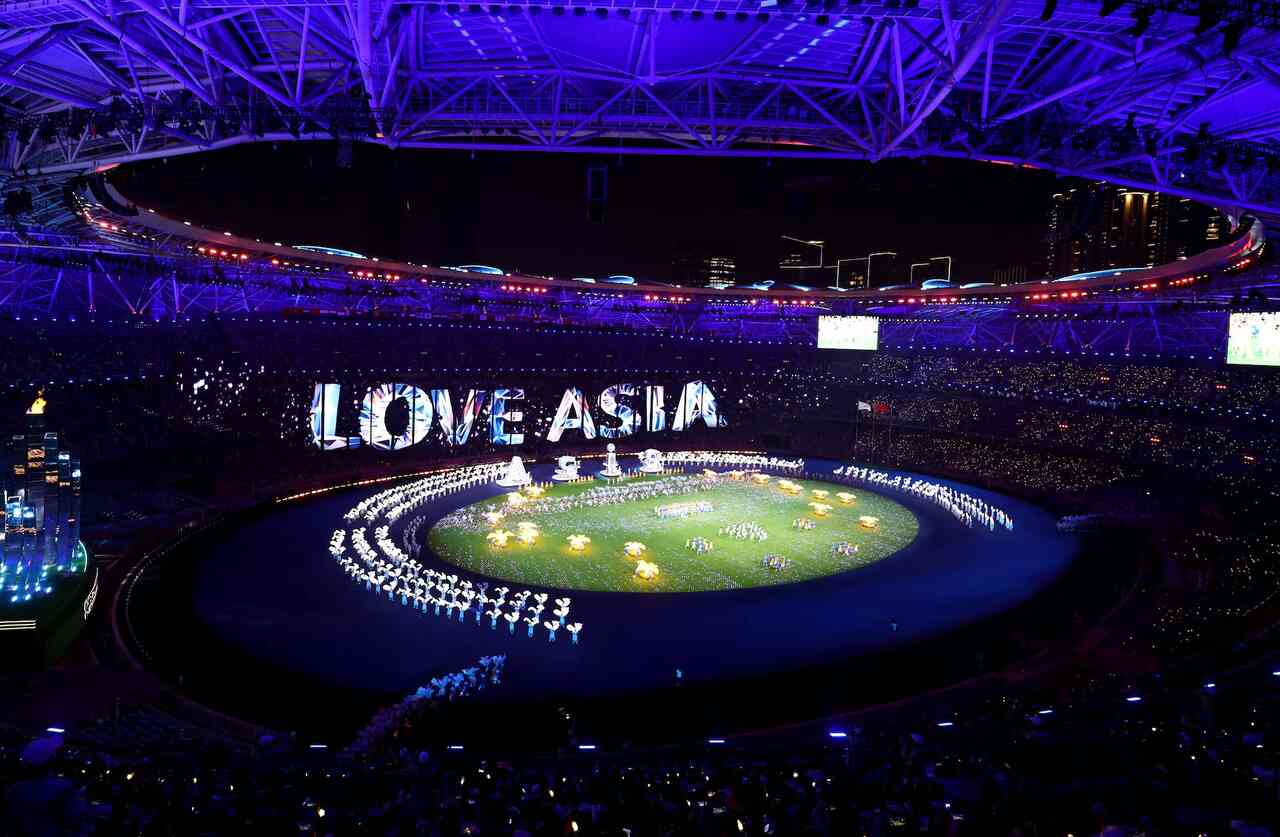
Going to Japan? Sort these out before September
Register a Supporter ID first. The organisers require one to buy tickets, and it doubles as the channel for schedule changes and venue notices. General sale is open worldwide with no regional restriction, so nationality is not a barrier here.
Then work through the rest in this order:
- Fill in Visit Japan Web before departure and skip the paper immigration forms entirely.
- Sort data before you land. A Japan eSIM or a pocket wifi rental costs less than roaming and saves the airport queue.
- Assume no parking. Venue guidance says spectators travel by public transport, and Mizuho Park, Aichi International Arena and Aichi Sky Expo all state plainly that there is no spectator parking.
- Price a JR Pass against individual tickets if the plan involves Tokyo or Osaka. Multi-venue trips tip the maths quickly.
- Book accommodation with free cancellation now, decide later. Central Nagoya fills up.
Nagoya’s subway reaches most city venues directly, and the Mizuho Park cluster puts the stadium, rugby field and gymnasium within walking distance of each other. One base, several sessions, minimal transit.
The esports crowd has its own tab open
Mobile Legends: Bang Bang arrives at Aichi-Nagoya as an official medal title for the first time, and Malaysia came through the qualifier held at Resorts World Sentosa in June alongside the Philippines, Indonesia, Cambodia and Myanmar. For a country where mobile gaming already outdraws plenty of traditional sports online, a continental medal event changes the weight of the thing considerably.
Malaysia’s contingent numbers around 523 people, though reports differ on whether that counts athletes only or officials too. Either way, it is a lot of people to follow across 43 sports on one phone. Pick your events early.

 Sashidaran Gunathevan
 Yalinie Mathan
 Maran Perianen




Add comment