


 Maran Perianen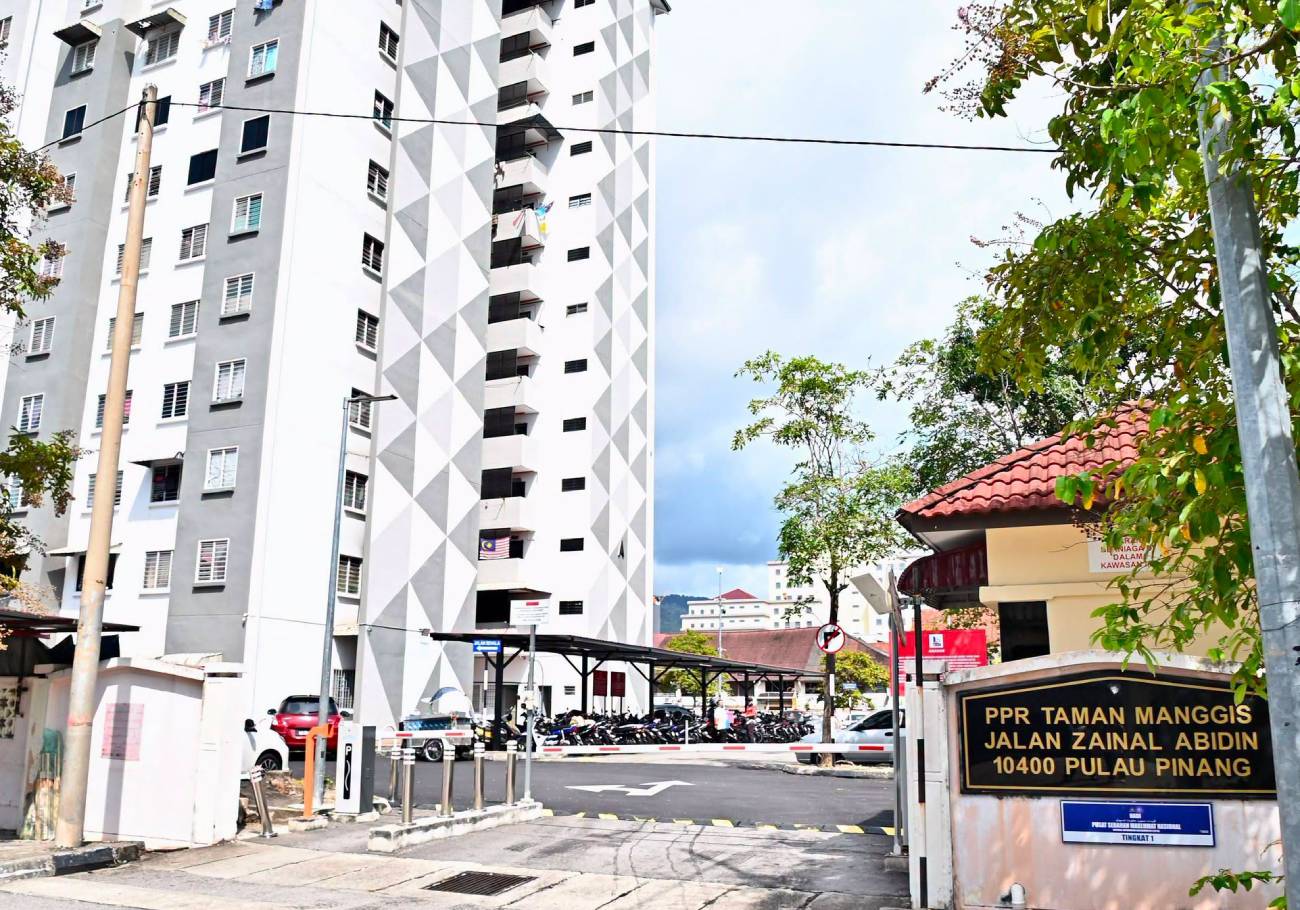
Penang Housing Board officers sealed five units at PPR Taman Manggis this week. PSM’s own statement puts the date at 3 September. Other reporting says Friday, 4 September. PSM says several more units beyond these five are reportedly facing the same fate.
PSM Penang spokesman Choo Chon Kai called the action “inhumane.” He said it fails to uphold the housing board’s own stated vision. He said affected residents had already filed appeals with the board before officers sealed their doors. They received no response, he said, calling the lockout sudden and without prior notice.
Chief Minister Chow Kon Yeow defended the enforcement days later. He said the process was not sudden. Some residents, he said this week, had occupied their units for up to 19 years. The project opened in 2007. That is nearly four times the scheme’s standard five-year limit.
This is not the first time Taman Manggis has reached this point. The same building saw a nearly identical standoff in 2019, and another wave of notices in April this year. Each round raises the same unresolved question: why has the gap between the rule and its enforcement never closed?
PPR Taman Manggis : The five-year rule that was never enforced
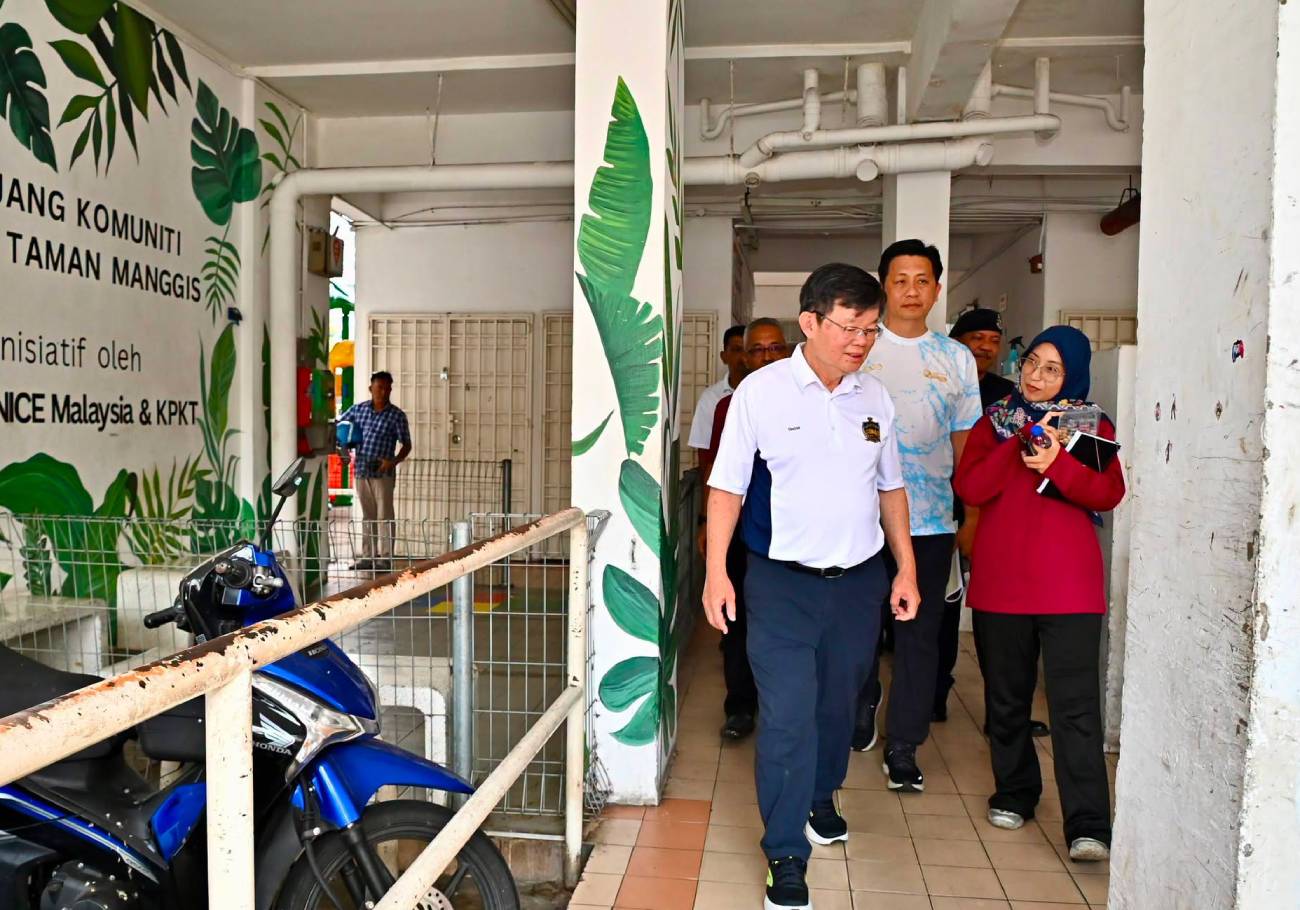
PPR housing serves as transit accommodation, not permanent residence. Rent is heavily subsidised at around RM124 a month. Tenants are meant to move on within five years so units can rotate to new applicants.
That rule has not held in practice. In April this year, State Housing and Environment Committee chairman Datuk Seri S. Sundarajoo spoke to Malay Mail. He said roughly 30% of PPR and RSKN occupants statewide no longer met eligibility rules.
He issued 18 fresh notices at Taman Manggis alone. At the time, he said some tenants there had stayed as long as 20 years.
Seven years earlier, in March 2019, the same building faced a nearly identical enforcement round. Officers sealed units belonging to 22 tenants found ineligible.
Reasons cited included exceeding income limits, owning other property, or marrying a foreigner. The underlying story was the same one playing out today.
Three enforcement waves have hit one 300-unit complex, each citing the same causes. That pattern suggests the missing piece was never the rule itself. It was a mechanism to act on it before overstays stretched into decades.
Two sides, one unresolved question

PSM’s case rests on humanity, not disagreement with the rules. Choo argues the board is removing residents without lining up permanent alternatives first.
PSM wants Penang’s income caps raised, proposing RM3,500 for a household, in line with today’s minimum wage. The current caps, RM750 for individuals and RM1,500 for households, have not moved since Malaysia’s minimum wage rose to RM1,700. Federal PPR allows household income up to RM3,000, and neighbouring Perak allows up to RM3,860.
The state’s case rests on fairness to people who followed the rules and are still waiting. Penang’s PPR waiting list topped 1,000 applicants earlier this year. Of those, 494 were seeking a unit at Taman Manggis specifically. Some have waited seven to eleven years for a home that never came.
Chow has framed the trade-off directly. “If the units are not vacated, how can new applicants move in? We have to be fair to everyone because these units are limited,” he said.
The Housing Board maintains this round followed cross-checks, engagement sessions and notices issued well in advance, not a snap decision. PSM disputes that account. It says the affected residents’ appeals went unanswered before officers sealed the units.
Neither argument is baseless. Long-term occupants facing sudden loss of home is a genuine hardship. So is a family waiting eleven years for a unit that stays occupied by someone who no longer qualifies.
The dispute is less about whether eligibility rules matter. It is more about what should happen in the years between losing eligibility and actually leaving.
What closes the gap for good at PPR Taman Manggis
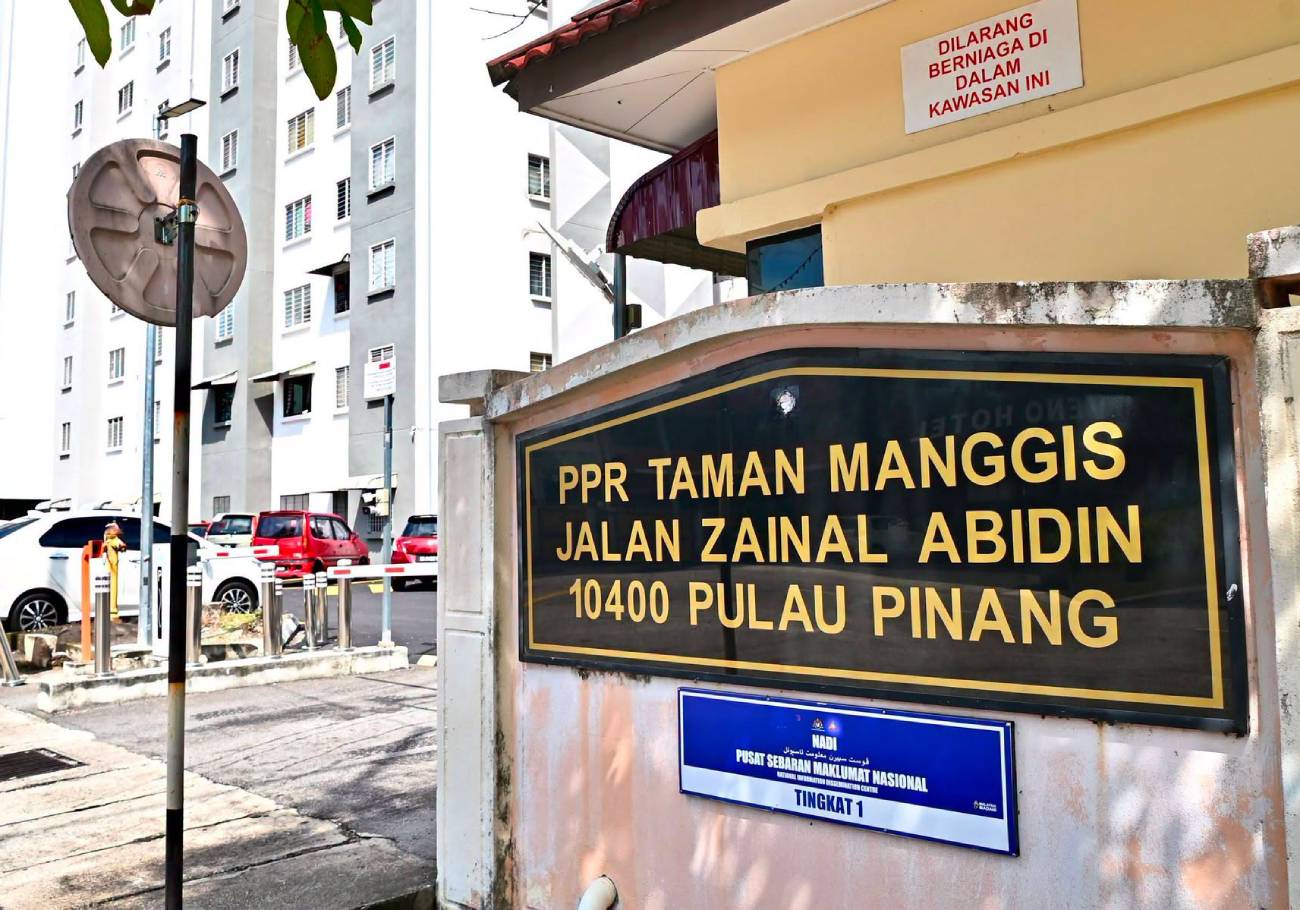
Penang already has an exit pathway on paper. Its Rent-To-Own scheme lets eligible households pay RM240 a month for 14 years. After that, they pay RM140 for one more year before owning the unit outright.
The Housing Board has pointed affected residents toward it.
The recurring problem is timing, not the absence of an alternative. Reassessments and extensions have repeatedly stretched years past the original five-year mark.
Enforcement then arrives only after occupancy has drifted into de facto permanence. A reassessment at year five could produce a documented outcome instead: renewal with conditions, or a secured alternative. That would close the gap before it opens.
Penang runs three other PPR schemes beyond Taman Manggis. All face the same structural pressure between limited supply and long-term occupants.
PSM warns that officers may seal more Taman Manggis units next. Whether this stays confined to one building remains to be seen.
Readers should watch whether Penang extends this enforcement pattern to its other PPR sites. Or Taman Manggis may just keep absorbing the same fight on its own every few years.


 Yalinie Mathan
 Sashidaran Gunathevan






Add comment