


 Admin
AdminThe growing conversation around longevity is increasingly moving beyond the pursuit of treatments that promise to slow ageing, with experts highlighting the importance of everyday habits, evidence-based care and personalised approaches to maintaining health.
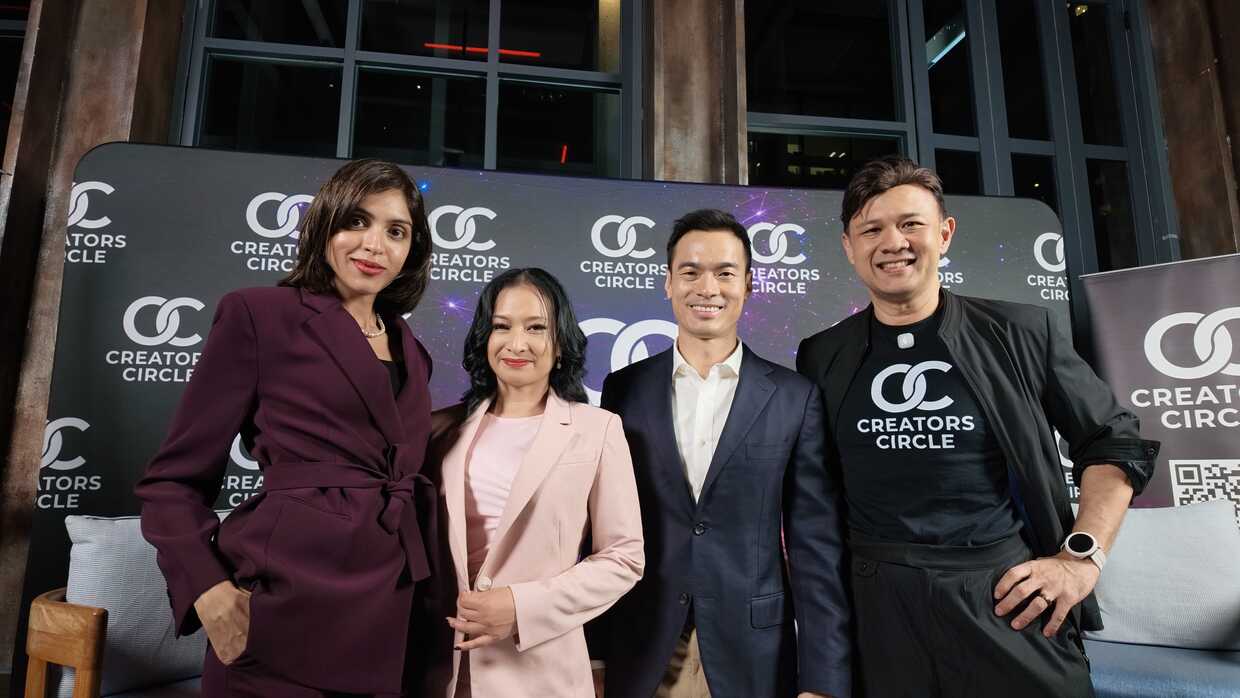
The issue was explored at the latest Creators Circle by LOL Asia, titled “Can We Hack Ageing? What Men & Women Need To Know About Living Better, Longer”, held on 23 September at 21 Rooftop Bar, Hyatt Centric Kuala Lumpur.
Moderated by Dr Aiesha Asmadi, a sports and exercise medicine doctor and co-founder of ThrivePlay, the discussion brought together Dr Iman Thalia, medical doctor and co-founder of The Longevity Lounge, and Kit Mah, founder of Healthspan and NFM Practitioner.

Rather than focusing solely on extending lifespan, the discussion examined how sleep, nutrition, movement, recovery and metabolic health can influence people’s ability to remain active and capable as they age.
Dr Aiesha said the longevity conversation should focus not only on adding years to life, but also on the quality of those years.
“The conversation around ageing needs to change. It’s not simply about adding years to our lives; it’s about making those years healthier, more active and more meaningful,” she said.
At the same time, she cautioned against assuming that every emerging longevity intervention is already supported by strong scientific evidence.
“Longevity medicine is an incredibly exciting and rapidly evolving space, and we should remain open-minded about innovation,” she said. However, she noted that evidence varies considerably between interventions, citing peptides as an example of an area where promising science exists alongside limited regulation and claims that may have moved ahead of robust human evidence.
Personalised approach to ageing gains attention
The discussion also highlighted differences in how men and women experience ageing, with particular attention given to women’s health during perimenopause.
Dr Iman said wearable technology and health data can provide useful information, but that women may need help translating measurements into meaningful health decisions.
She noted that hormonal changes during perimenopause can affect sleep, body composition, muscle retention, cognitive function, libido and metabolic health.
“Unlocking peak vitality through this transition isn’t about generic wellness trends—it requires a tailored, data-first approach rooted in baseline bloodwork and everyday lifestyle metrics,” she said.
The emphasis on personalised information reflects a broader shift away from treating longevity as a single formula. Instead, the speakers discussed understanding individual health needs and developing sustainable habits around them.
From Healthspan to ‘Peakspan’
Kit Mah introduced the term “Peakspan” to describe the idea of maintaining peak health and performance for as long as possible.
“For me, longevity is not simply about extending lifespan — it is about maintaining your peak for as long as possible. I call that ‘Peakspan’,” he said.
Mah argued that achieving this should begin with fundamentals such as sleep, nutrition, metabolic health, movement and recovery before moving towards more specialised optimisation.
The discussion therefore positioned healthy ageing less as an attempt to turn back the clock and more as an effort to preserve strength, mobility, energy and functional capacity.
Creators Circle said the event forms part of its broader effort to bring together perspectives from health, lifestyle, culture and business. Supported by Ice Power and The Exchange Asia, the gathering brought together creators, founders, entrepreneurs and cultural leaders to discuss changing attitudes towards ageing and wellbeing.
The conversation also underscored a central tension within the rapidly developing longevity field: innovation may create new possibilities, but claims about emerging interventions still need to be assessed against the strength of available evidence.
For consumers, the discussion suggested that the pursuit of longer and healthier lives may begin with less complicated measures — and with consistent attention to the fundamentals of everyday health.




Add comment