


 C. Khor
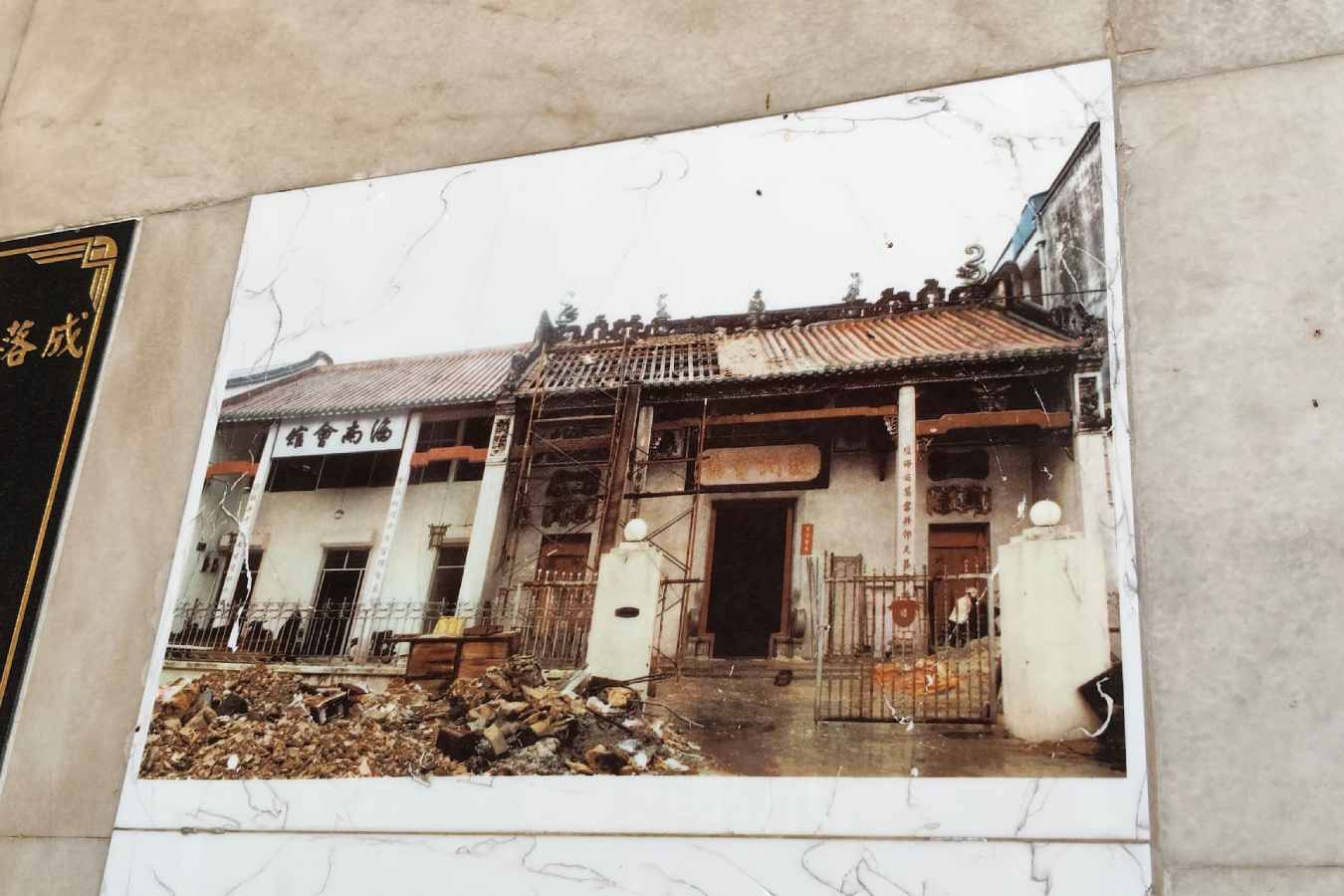
The Penang Hainan Association will hold its 160th anniversary dinner on 28 November. Federation of Malaysia Hainan president Datuk George Yong, from Sabah, will attend. The community’s ties to the island run deep. In addition, Hainan Airlines now links Haikou to Penang.
However, the Hainanese reached Penang later than most Chinese groups. They built a temple, a school and a clan association in George Town. Today, they make up about 5% to 6% of Malaysia’s Chinese.
Here is how they arrived, what they built and what they now fear losing. The dialect is the biggest worry. Association president Heng Kok Pin says fewer young people speak it.
How the Hainanese reached the Penang island
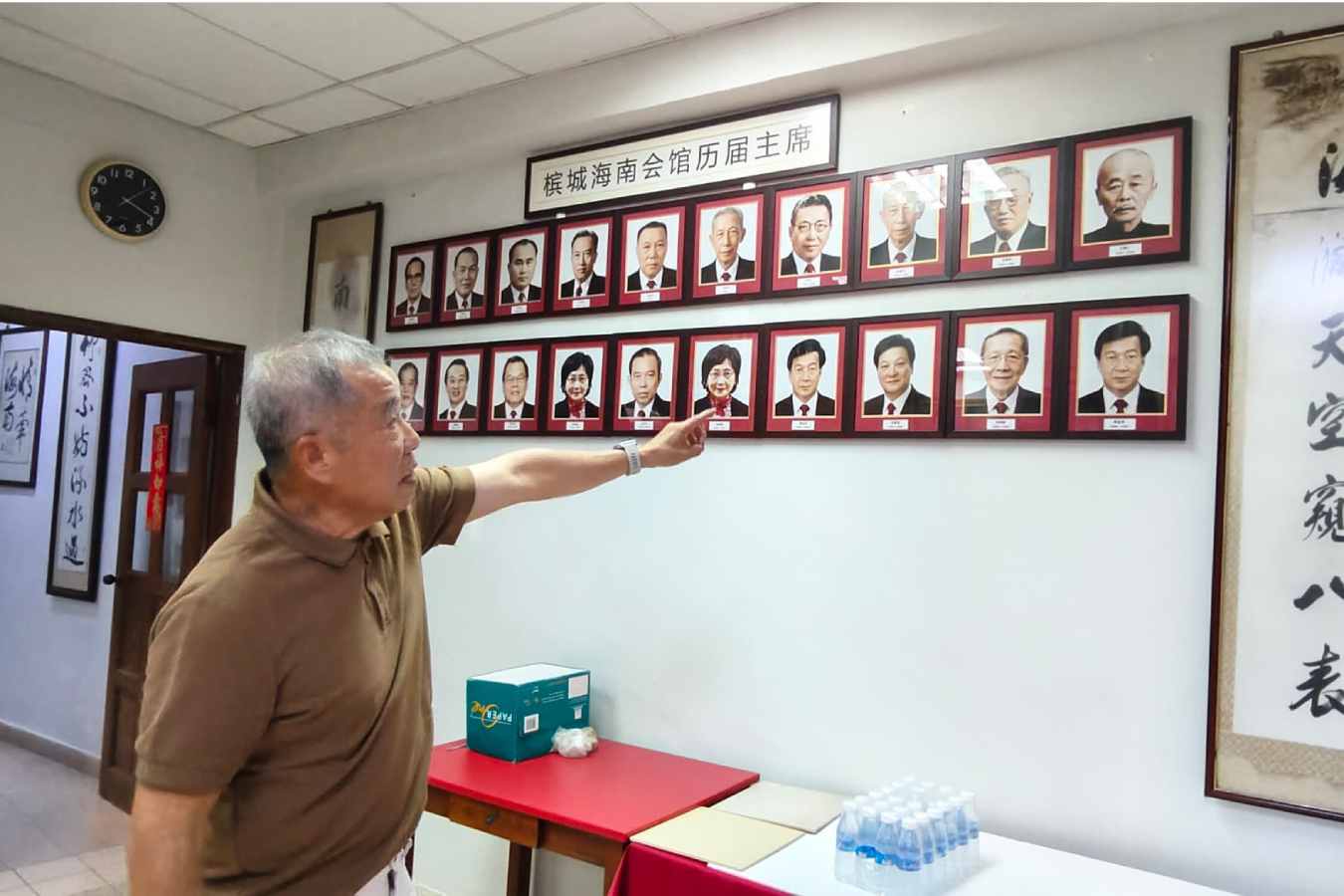
The association’s own history says Hainanese traders reached Penang by 1821. They sailed on junk boats between Hainan and regional ports. Settlers followed in the 1840s to 1860s. Likewise, some came through Terengganu first.
Heng, who has been with the association since 1980, says the Hakka came first. The Cantonese and Teochew followed. Meanwhile, the Hainanese were later still.
By then, other groups held most trades. As a result, many Hainanese took service jobs. They worked as cooks, waiters, domestic helpers and nannies in hotels, European homes and rich Chinese households.
Those kitchens shaped Penang’s food culture. Moreover, numbers rose after the Second World War. The 1949 political upheaval in China pushed more people out. Hainan only became its own province in 1988. Therefore, the association took the name Hainan in 1991.
Penang Hainan Association: the temple, school and fellowship
Heng says the early settlers came with three priorities. The first was fellowship. Many had left their families behind. As a result, they formed an association to look after their own.
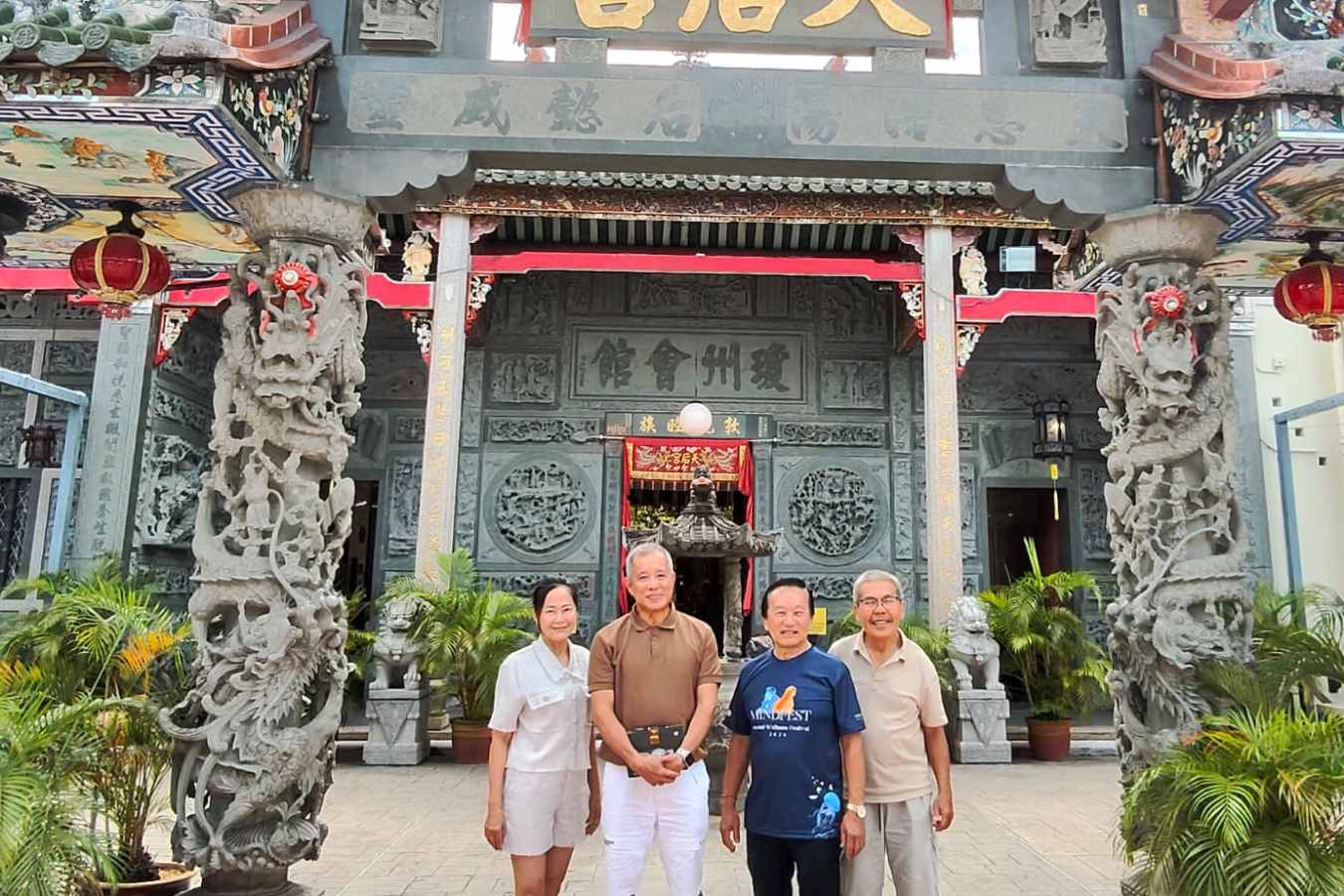
The second was religion and culture. In addition, they set up Thean Hou Gong, a temple for Mazu, the sea goddess. Mazu was born in 960 AD on Meizhou Island in Fujian. Hainanese worship her because they crossed the sea to settle here.
Read more: Hainan Airlines links Haikou to Penang as the airport grows
Read more: Four Swettenham Pier warehouses to become leisure hub by 2030
Read more: Sarawak wants Old Kuching made a heritage site like George Town
The temple opened in 1866 on Church Street. It moved to Muntri Street in 1895 and has stayed there since. Upstairs, an ancestor hall holds family plaques, and members return each Qingming to pay respects.
The third priority was education. Aik Hua began in 1913 as a night school on Muntri Street. It closed in 1916 and reopened in 1919. Afterwards, the Qiongzhou Association took it over in 1920. It grew into a full primary school, and moved to Sungai Ara in March 2024.
Keeping the Hainanese dialect and community alive
However, Heng says many fourth-generation Hainanese are not fluent in the dialect. Interest in learning it may be falling. The association runs classes that teach its eight tones, but progress is slow. Moreover, if families do not speak it at home, there is little to build on.
Deputy president and past president Datuk Hun Keng Kuan says the Hainanese are 5% to 6% of Malaysia’s Chinese. Well-known Malaysians of Hainanese descent include former MCA president Tan Sri Tan Koon Swan. Former transport minister Tan Sri Ong Tee Keat is also on the list.
Indeed, the community reaches well beyond Penang. The association belongs to a national network of 79 Hainan associations under the Federation of Malaysia Hainan. Last year, the federation also brought the World Hainan Conference to Penang. It drew 3,000 delegates from more than 20 countries.
In short, the Penang Hainan Association has kept a temple, a school and a network alive. Therefore, its next test is the dialect. Heritage fans can also read how Sarawak wants Old Kuching made a heritage site like George Town.




 Lee-Jean Fung
 Amirull Salihing
 Admin



Add comment