


 Sidhaarthan

The Malaysia data centre boom has propelled national approved investments to RM350.4 billion in the first nine months of 2026. Figures released by the Malaysian Investment Development Authority (MIDA) show total approvals jumped 20.7 per cent year-on-year across 4,387 projects.
Data centre and cloud computing approvals alone surged 44.5 per cent to RM123.5 billion across 86 projects. These digital infrastructure commitments account for 35.2 per cent of all approved investments nationwide and anchor 152,090 expected jobs.
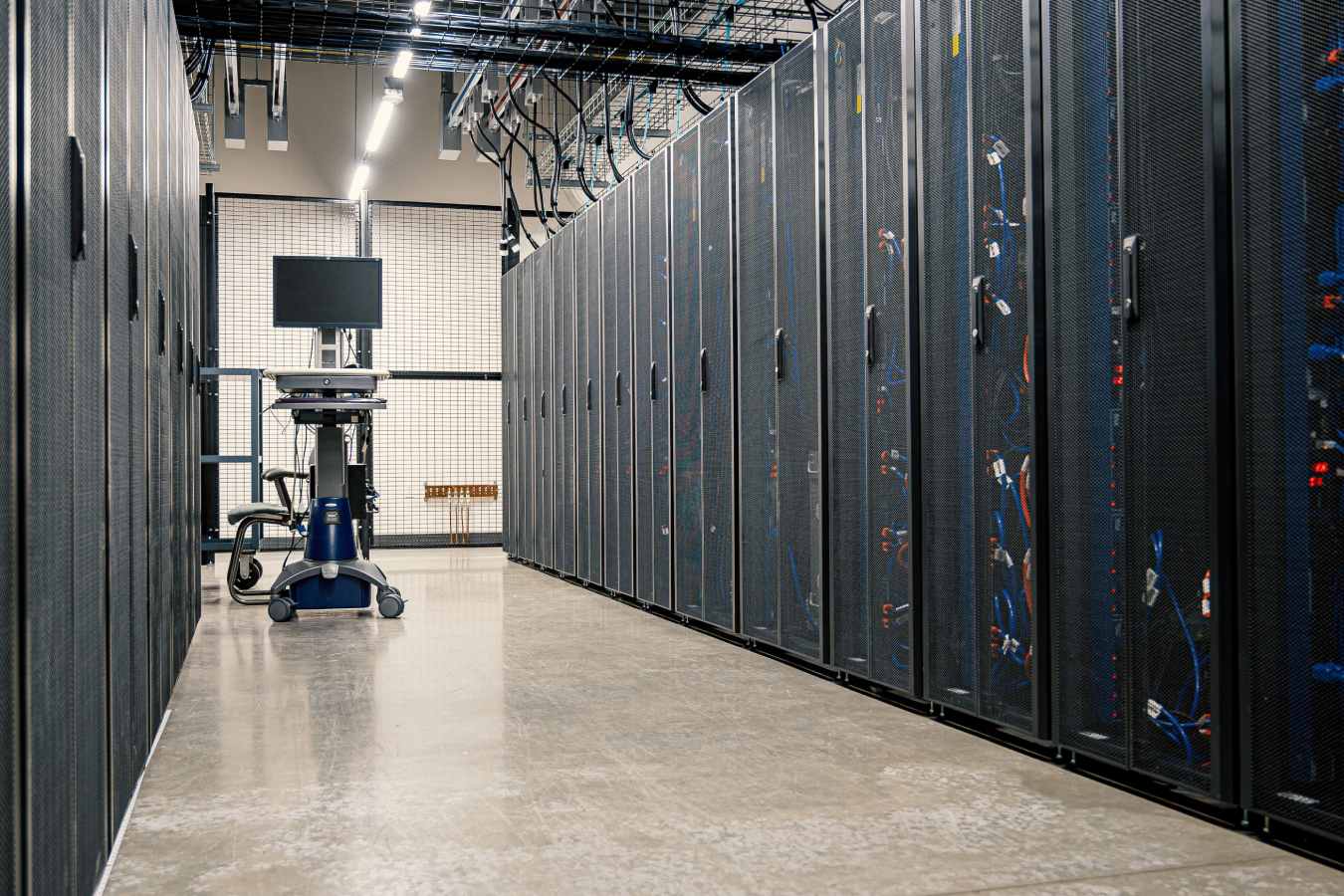
Backed by abundant industrial land, power grid capacity, and water resources, Malaysia is now Asia-Pacific’s fastest-growing data centre market. Industry momentum suggests its expanding project pipeline could eventually overtake Singapore’s long-standing regional lead.
Land and resources fuel Asia-Pacific’s fastest growth

According to The Edge Malaysia and New Straits Times, Singapore still holds Southeast Asia’s largest operational capacity at roughly 1.4 gigawatts. However, land and power constraints in the city-state have accelerated hyperscale expansion across the Causeway.
Malaysia offers expansive industrial parks, reliable electricity transmission, and large-scale water infrastructure suited for energy-intensive cloud campuses. These physical advantages have attracted global technology operators seeking room to scale artificial intelligence and cloud infrastructure.
While Malaysia currently ranks second in live operational megawatts, its multi-gigawatt construction pipeline leads Southeast Asia. Continued project completions in Johor and Selangor could push Malaysia ahead of Singapore in total capacity over coming years.
For local communities, abundant land and utility readiness give Malaysia a clear competitive edge across Asia-Pacific. Turning approved blueprints into operational facilities remains the critical next step for sustained digital growth.
Johor and Selangor lead RM350.4 billion state inflows

State-level figures reported by Bernama and The Star show Johor leading all states with RM99.7 billion in approved investments. Proximity to Singapore’s subsea cable network makes southern Malaysia a natural magnet for hyperscale campuses.
Selangor followed closely at RM87.9 billion, anchored by established digital corridors in Cyberjaya and Greater Kuala Lumpur. Penang recorded RM41.1 billion in approvals, while Kuala Lumpur secured RM37.3 billion across services and technology sectors.
READ MORE: Google breaks ground on first data centre in Malaysia
READ MORE: Google US$15b data centre plan for Selangor, Negeri Sembilan
READ MORE: Malaysia emerges as Southeast Asia’s fastest-rising AI and data centre hub
Concentrated investment across these four hubs is reshaping local industrial estates and boosting demand for engineering talent. Technical graduates, facility operators, and construction contractors stand to benefit from long-term campus maintenance and operations.
Balanced infrastructure planning remains vital so rapid industrial expansion supports nearby residential neighbourhoods without straining local utilities.
Local content rules and resource management take centre stage
As project numbers climb, policymakers are focusing on ensuring Malaysian businesses capture meaningful value from incoming investments. Parliamentary discussions have highlighted the 30 per cent minimum local content requirement alongside potential global chip export rules.
Enforcing local sourcing standards encourages foreign operators to partner with Malaysian contractors, equipment suppliers, and clean energy providers. Small and medium enterprises can participate through cooling systems, electrical works, cybersecurity, and facility support services.
At the same time, state utilities continue expanding renewable energy and water recycling programmes to support sustainable campus growth. Responsible resource management protects household water and power supplies while keeping Malaysia attractive to global investors.
Malaysian engineers, technical students, and local suppliers can track MIDA and state investment portals for upcoming vendor and hiring programmes. As the Malaysia data centre boom matures, stronger local participation will determine its lasting economic impact.




 Sashidaran Gunathevan
 C. Khor

 Yalinie Mathan




Add comment