


 Sidhaarthan
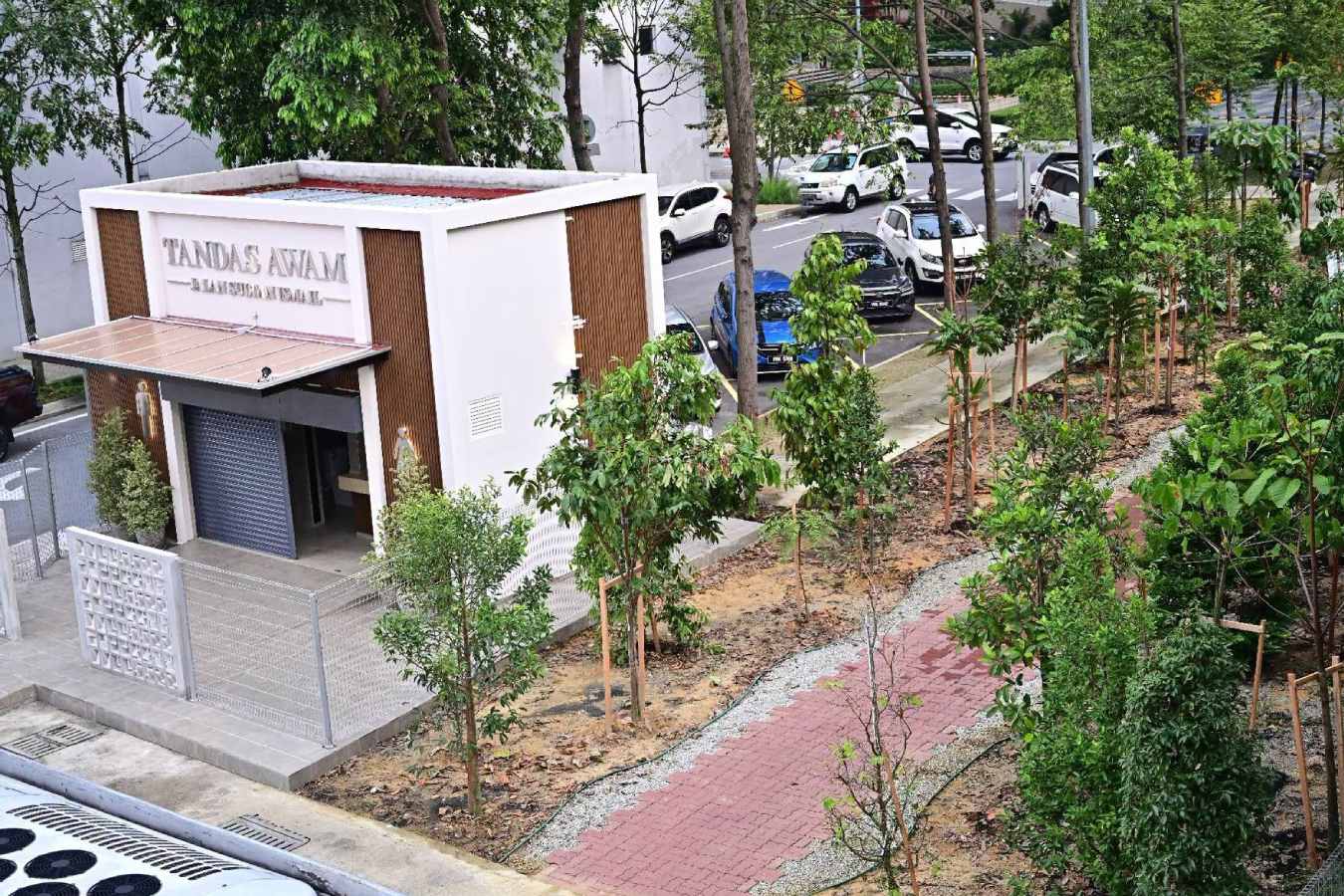
The Kuala Lumpur Sponge City push is growing. Kuala Lumpur City Hall (DBKL) is adding green infrastructure to ease flash floods and rising city heat. The plan lets built-up areas soak up rain instead of shedding it, which matters in a fast-growing capital.
The approach is also known as Bandar Span. It uses nature-based rainwater management to absorb, hold and slow down rain across the city. DBKL says rapid development, heavy rain and rising urban temperatures make this approach necessary.
DBKL has also planted 22,940 shade trees from 2023 to 2026. Of that total, 8,917 trees went into the ground this year. The trees support the same goal of a cooler, safer and more comfortable Kuala Lumpur.
How the Kuala Lumpur Sponge City approach works
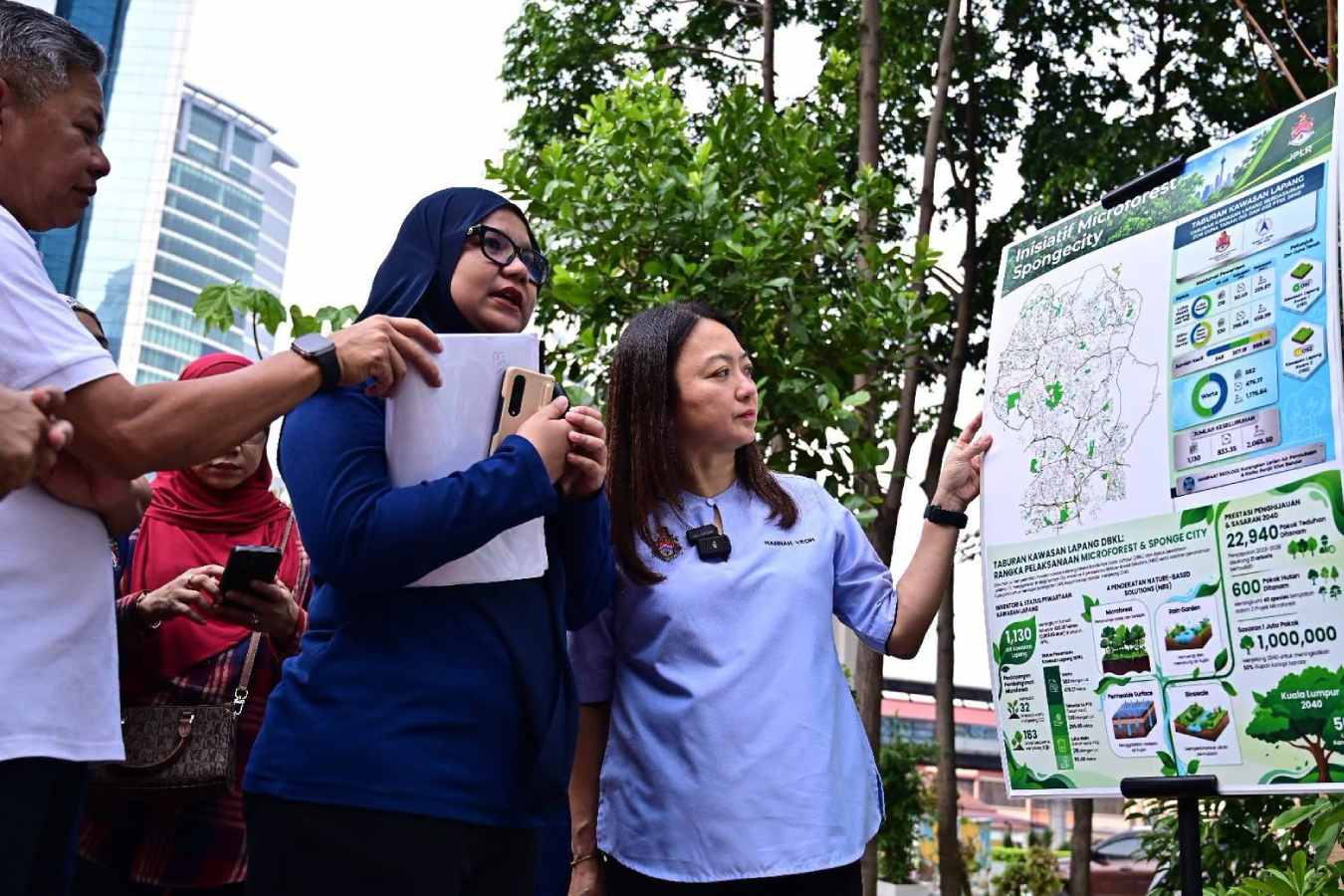
Rain in a dense city often runs straight off roads and roofs. That surface runoff can overwhelm drains during heavy rain, so flash flood risk rises. Kuala Lumpur faces exactly this problem as it keeps growing.
Sponge City works the other way. Instead of rushing water away, it lets the ground take rain in, store it and release it slowly.
DBKL says the approach complements flood mitigation projects and drainage upgrades. The need for drainage work was clear when Lee Lam Thye urged a Kuala Lumpur drainage overhaul.
The idea also targets heat. Green surfaces and trees help bring down temperatures in built-up areas, which makes the city more comfortable for residents. DBKL sees this as part of the Kuala Lumpur Sponge City goal, alongside flood control.
Rain gardens, bioswales and microforests in the Sponge City plan
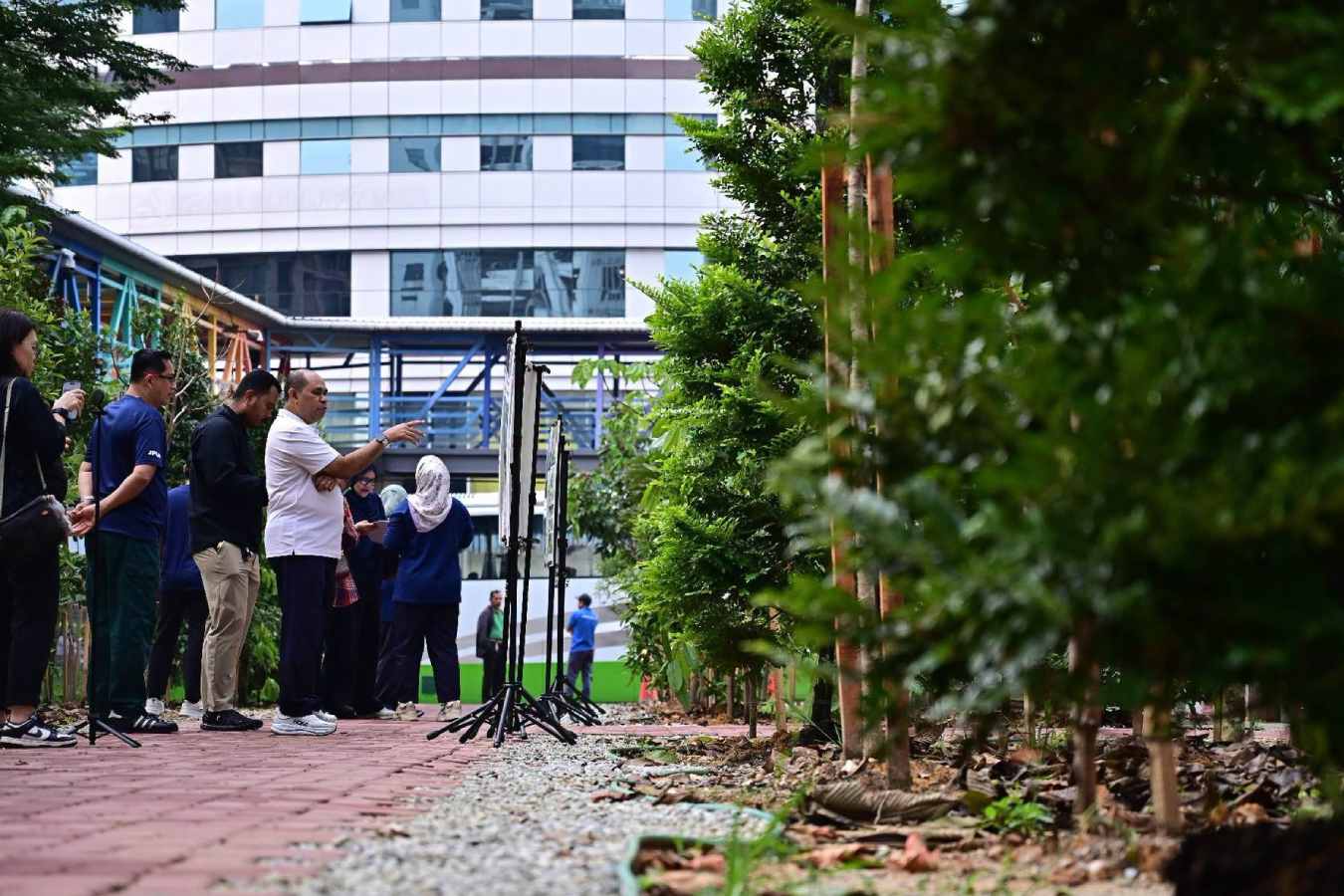
DBKL is using several tools. Rain gardens, or Taman Hujan, are planted areas that collect rainwater. Bioswales, or Laluan Saliran Berlandskap, are landscaped drainage routes.
The city also uses permeable surfaces that let rain seep through. It is building microforests, or Hutan Mikro, and other green areas as well. Each measure gives rain somewhere to go besides the drain.
Together, these measures cut surface runoff and widen the ground that can absorb water. DBKL says this lowers the risk of flash floods. The effect builds as more sites are added across the city.
The measures sit alongside early warnings, since DBKL flood warnings now come one hour early. Green infrastructure cannot stop every flood, but it eases the load on drains. Residents get both warning time and a more absorbent city.
Shade trees and the Kuala Lumpur Sponge City canopy goal
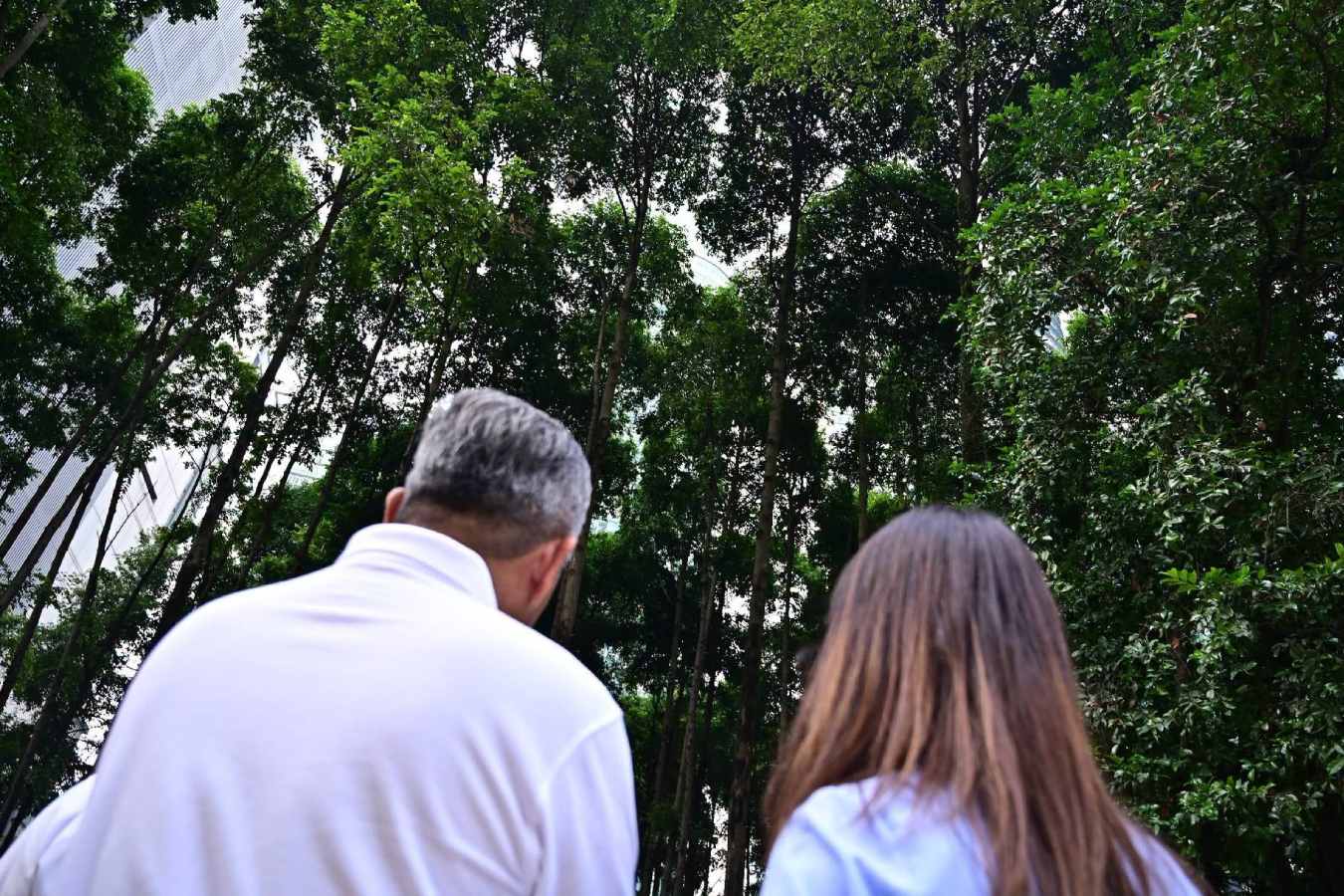
DBKL planted 22,940 shade trees from 2023 to 2026. This year’s share is 8,917 trees, or about 39 per cent of the total.
Trees cool the air around them and protect biodiversity. They also make public spaces more pleasant for residents to use. DBKL describes the planting as staged, which spreads the work over several years.
The longer goal is bigger. DBKL is studying undeveloped government land to support its plan. That plan aims for one million trees by 2040. It forms part of a 50 per cent rise in canopy cover.
DBKL says a city must balance development, nature and community well-being. It aims to make Kuala Lumpur resilient to climate change, comfortable and safe for everyone. Further green projects will follow as DBKL keeps the programme going.



 Jimmy Tan
 Amirull Salihing
 Sashidaran Gunathevan



Add comment