


 Sashidaran Gunathevan
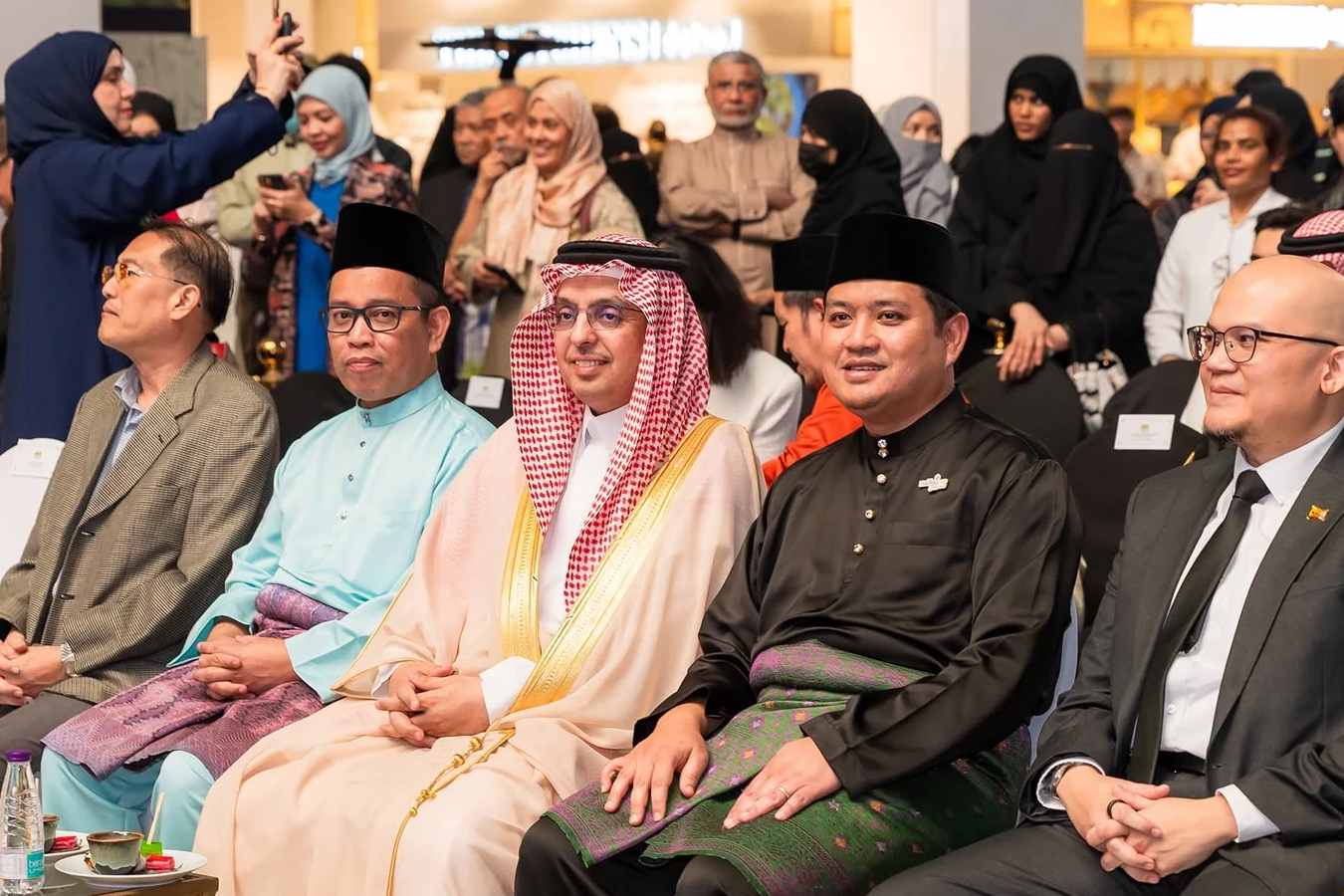
Tourism Malaysia ran the Visit Malaysia Carnival Jeddah on 19 and 20 November 2026 at Cenomi U Walk Mall. The two-day event aimed to put Malaysia in front of Saudi families and travellers in the kingdom’s western region. Visitors could watch live dances, join workshops and see teh tarik demonstrations.
Saudi Arabia’s Ministry of Foreign Affairs Makkah Region Director General Farid bin Saad Al-Shehri opened the carnival. Consul General of Malaysia in Jeddah Tengku Datuk Mohd Dzaraif Raja Abdul Kadir joined him. So did ASEAN consuls general and diplomats in Jeddah, along with airlines, travel agents, media and Saudi travel influencers.
The numbers explain the push. Malaysia recorded 36,370 visitors from Saudi Arabia between January and September 2026. That is about half of the 68,382 visitors in 2024. It is also well below the 121,444 who came in 2019.
Visit Malaysia Carnival Jeddah programme and partners

The carnival mixed performance with sales. Live Malaysian music and dance shared the mall with hands-on cultural workshops. Teh tarik demonstrations and food presentations covered the flavours. Participating airlines and travel agents also sold holiday packages and deals on site.
Gulf Air and Amal by Malaysia Airlines were the strategic airline partners. Amal is Malaysia Airlines’ pilgrimage-focused arm, which flies Kuala Lumpur to Jeddah and Madinah. Almosafer joined as the travel agent partner.
Other partners filled in the rest of the trip. Education Malaysia Global Assist (EMGA) represented study. The Malaysia Healthcare Travel Council (MHTC) covered medical travel. MyMakan, a Malaysian restaurant in Jeddah, ran the food and culture promotion.
The Consulate General of Malaysia in Jeddah backed the event. Tourism Malaysia Jeddah Director Zaidi Kassim said the aim was to let Saudi families have a first taste of Malaysia. He described the kingdom as a market of high-yield travel and long family holidays.
Why Saudi visitors matter after the Visit Malaysia Carnival Jeddah

Saudi travellers spend heavily when they come. Before the pandemic, they spent about RM11,660 per trip. The stay averaged 10.8 nights, according to Tourism Malaysia figures reported in 2022. That figure is old, so treat it as a guide to the type of visitor, not today’s spend.
Recovery has been uneven. Arrivals fell by nearly half after the pandemic. They recovered to between 60,000 and 70,000 in 2024 and 2025, according to an industry official. The first half of 2026 added only 17,302 visitors, so the third quarter did most of the lifting.
Flights are the other half of the story. Riyadh Air has started service to Kuala Lumpur with three flights a week. It is the ninth Middle Eastern airline at KLIA. Malaysia has set a target of 120,000 Saudi arrivals, and the Visit Malaysia Carnival Jeddah fits that goal.
Malaysian travel firms and halal food businesses stand to gain if the numbers rise. Visit Malaysia 2026–2027 is meant to lift arrivals from every market. Saudi Arabia is one of the long-haul markets Tourism Malaysia calls high-value.
Visit Malaysia Carnival Jeddah follows trade events

The Visit Malaysia Carnival Jeddah builds on two trade events. Tourism Malaysia held an industry networking session in Jeddah in July 2026 and another in Riyadh in September. Those sessions linked Malaysian partners with Saudi travel agencies and airlines.
The consumer event works differently. It takes Malaysia into one of Jeddah’s popular malls and meets families directly. The idea is to turn interest into bookings, through packages sold on site. Tourism Malaysia has not said how many people attended or how many packages sold.
Tourism Malaysia pitches Malaysia as a Muslim-friendly destination for Saudi and wider Middle East and North Africa travellers. The list includes halal facilities, Islamic heritage, value-for-money travel and family attractions. It also cites strong air links and close ties between the two countries.
Watch the fourth-quarter figures. They will show whether the Jeddah push and the new Riyadh Air flights lift Saudi arrivals towards 2024 levels. For now, other regions such as North Asia are showing faster growth in some Malaysian citie




 Sidhaarthan

 Navin Kumar Perianen

 C. Khor





Add comment