
 Yalinie Mathan
Do you know that it is an offense if you do not separate your waste, and you will be fined if you do not do so?
Since the 1st of September 2015, the Malaysian government has made it mandatory to separate solid waste at the source.
According to the Ministry of Housing and Local Government, this implementation pursues regulations under the Solid Waste and Public Cleansing Management Act 2007 (Act 672).
Malaysia and the waste reduction
Malaysia aims to reduce recyclable waste sent to landfills by more than 40% by 2025.
According to the Department of Statistics Malaysia (DoSM), in line with the National Solid Waste Management Policy 2016, that targeted a national recycling rate of 22% in 2020.
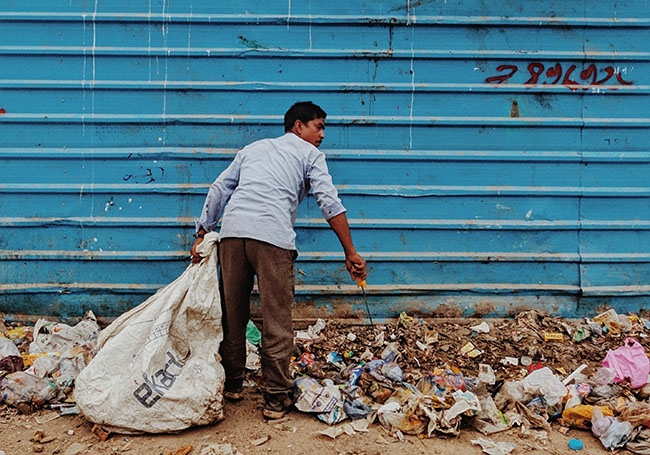
Malaysia’s recycling rate in 2019 exceeded the set target of 28.1%, an increase of 3.5 percentage points compared to 24.6% in 2018.
Nevertheless, waste recovery in Malaysia has always been swept aside in terms of urgency.
How do you recycle?
Tossing things into the waste bin isn’t just a massive waste of natural resources. It comes at an environmental cost too.
They either don’t break down and stay in landfills until the end of time or emit harmful by-products when they do.
Recycling is the process of waste management that reduces the amount of non-perishable garbage thrown into landfills.
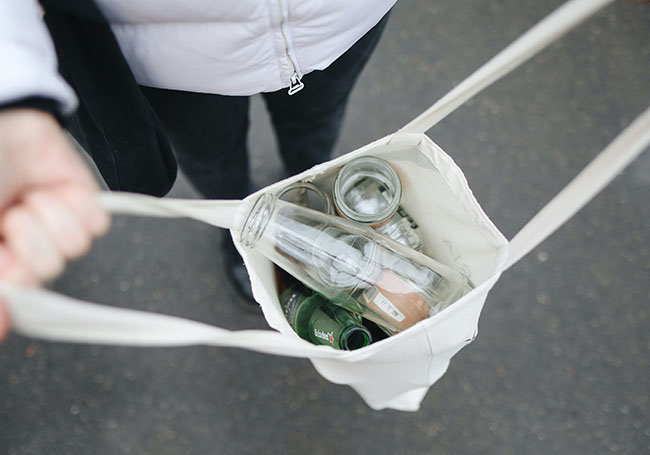
These materials are given a second life, either reused wholesale or broken down to create something new, effectively saving our natural resources and reducing energy consumption.
Each Malaysian generates an average of 1.44kg of general waste daily while 0.8kg of that (55%) can be recycled.
In general, separate your waste into two categories:
(1) residual waste; and
(2) recyclable items.
For recyclable items, separate your items into plastic, paper, and other items.
Once separated, place the residual waste inside the garbage bin and the recyclable waste beside the garbage bin.
Residual Waste
Residual waste includes items such as food items, wet materials (i.e., tissue and/or paper towels), and soiled materials (i.e., diapers).
Recyclable Items
For recyclables, items can be categorised into paper, plastic, and miscellaneous materials (i.e., glass, metal, aluminium, electronics, computer components, etc.). It’s also essential to ensure that the materials are clean before going into the recycling bin!
For more information on how to recycle, click this link.


 Maran Perianen
 C. Khor
 CJMY
CJMY