


 Jimmy Tan
Tucked within the industrial corridors of Sungai Buloh, a warehouse operated by Jin Paper is quietly reshaping perceptions of a centuries-old cultural practice. Far from the mechanical rhythm typically associated with logistics hubs, the facility reflects a deeper continuity—one that traces its origins to the Jin Dynasty and earlier traditions of ancestral reverence.
The practice of burning joss paper, now widely recognised across Chinese communities, has evolved significantly over time. Historical accounts indicate that during the Shang Dynasty and Zhou Dynasty, material wealth such as bronze vessels and gold were buried alongside the deceased. This ritual was gradually transformed following the advent of papermaking during the Eastern Han Dynasty, enabling symbolic offerings to replace physical goods.
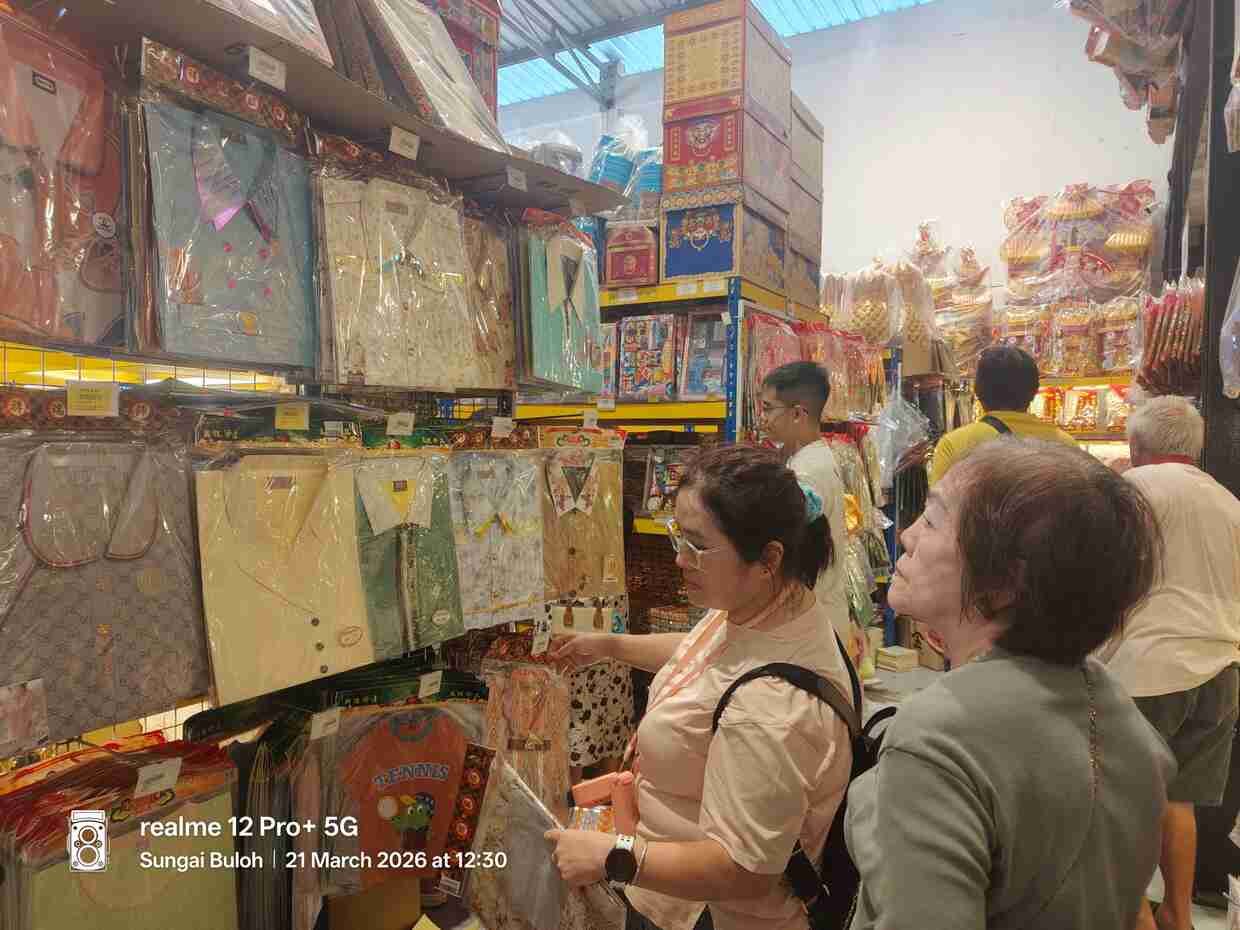
By the time of the Jin era, the belief that fire could transmit these offerings into the spiritual realm had become firmly embedded. Today, that same philosophy persists, albeit in modernised forms. Shelves lined with paper replicas of smartphones, luxury vehicles and household goods reflect how ancestral care continues to adapt to contemporary life without losing its essence.
Digital innovation sustains cultural continuity
Established in April 2021 at the height of the COVID-19 pandemic, Jin Paper represents a new generation of businesses redefining traditional industries. With physical temple visits restricted and communal rituals disrupted, the company identified an urgent need to preserve cultural practices through alternative means.
At the core of its operations is a digitally driven system that challenges the notion of joss paper as a declining trade. From its office—functioning more like a command centre than a conventional backroom—the company manages an expansive online presence designed to educate and engage younger Malaysians. Through social media outreach and structured content, it explains both the symbolic meaning and practical steps behind ancestral offerings.

A key innovation lies in its curated “Worship Kits,” which simplify what has traditionally been a complex and sometimes opaque process. By standardising these rituals into accessible packages, Jin Paper lowers the barrier to participation, particularly among urban, tech-savvy consumers who may feel disconnected from their heritage.
This intersection of tradition and technology highlights a broader shift within Malaysia’s cultural economy. Rather than fading into obscurity, long-standing practices are being reframed to align with modern lifestyles. In the case of Jin Paper, the result is not merely commercial success but a renewed relevance for ancestral customs in a rapidly changing society.
Within the walls of its Sungai Buloh warehouse, the past and present converge—demonstrating that cultural preservation, when paired with innovation, can remain both meaningful and enduring.


 Admin
Admin

 CJMY
CJMY



Add comment