

 C. Khor
An animal rights group wants at least RM30 million a year in Budget 2027 to manage stray animals. Persatuan Haiwan Terbiar Malaysia (SAFM) president Kalaivanan Ravichandran made the call in a statement this week. He wants a National Animal Welfare Fund.
Kalaivanan said the fund must deliver measurable results. In particular, it should cover sterilisation, vaccination, veterinary care and enforcement. He called RM30 million a minimum starting point, not a final figure.
The Budget speech comes today, and official figures show the problem growing. Here is what SAFM proposes, how it wants the money tracked, and the numbers behind the call.
What the fund would pay for

“Malaysia does not simply need more money for catching stray animals,” Kalaivanan said. Instead, he wants funding that cuts the number of unwanted animals born. It should also improve vaccination and responsible pet ownership.
He proposed that the fund support large-scale sterilisation and vaccination programmes. It would also cover humane capture and transport, and recovery after surgery. Veterinary treatment and identification would sit on the list too.
The fund would back adoption and rehoming as well. Also, Kalaivanan wants it to support campaigns on responsible pet ownership. Finally, he called for stronger enforcement.
He named three results to track. They are fewer unwanted animals born, fewer complaints and abandonment cases, and fewer animals needing capture. As a result, he said, Malaysia would shift from reactive control to preventive management.
Accountability for groups and shelters

Kalaivanan wants transparent grants for qualified animal-welfare groups and shelters. Strict rules would apply. For example, groups must register, keep clear accounts, meet welfare standards and report results.
“This should not be a blank cheque for NGOs or shelters,” he said. Moreover, he said every ringgit of public money must have an owner who answers for it. Any group that takes government funds should show what it achieved.
He also wants the public to see the details. Reports would show how many animals each group treated, how it spent the funds, and what each programme achieved. So the public would help watch how the money is used.
For this, he proposed a common reporting framework. It would involve the Department of Veterinary Services, ministries, state governments, local councils, vets and qualified groups. A national data system would back it where possible.
The numbers behind the call
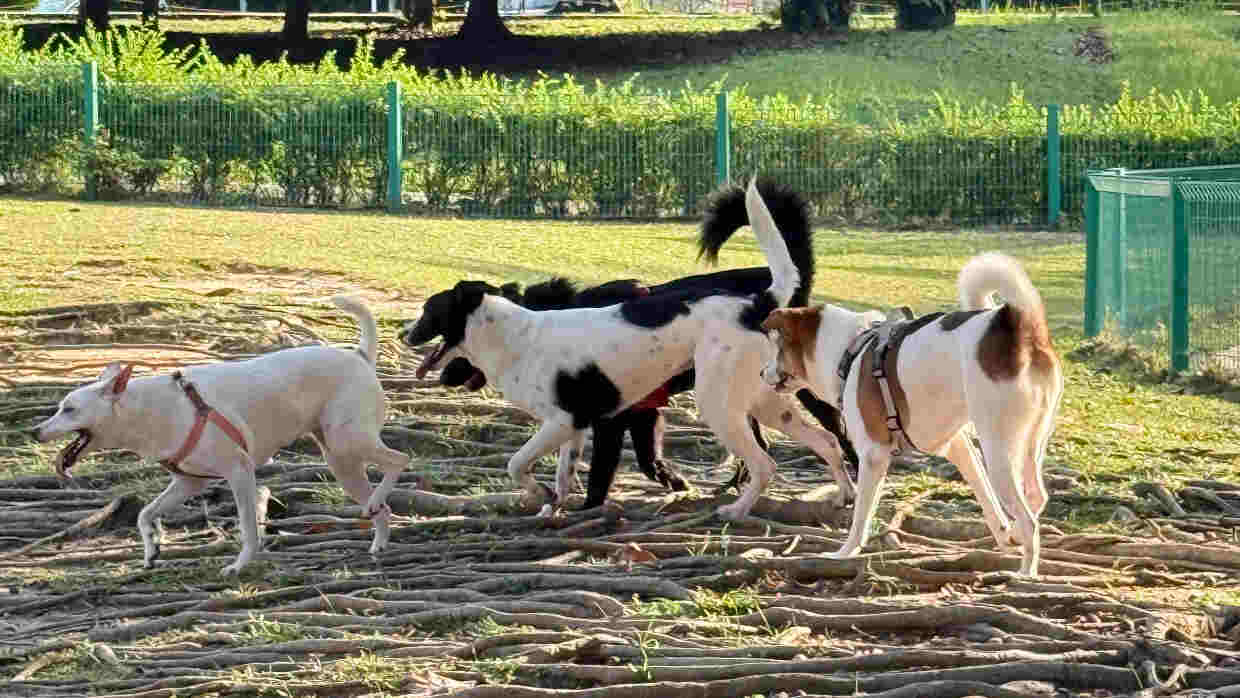
Stray-dog complaints rose from 37,535 in 2024 to 44,231 in 2025, according to official figures. Operations grew too, from 15,815 to 23,509. Meanwhile, captures climbed from 66,264 to 77,573.
The number of dogs handed over, reclaimed by owners or adopted rose too. In fact, it went from 19,354 to 20,771. However, that rise is far smaller than the rise in captures.
By contrast, funding has moved the other way. The Ministry of Housing and Local Government gave local authorities RM180,000 for stray-dog campaigns in 2024. In 2025, the amount fell to RM130,000.
Still, Kalaivanan said Budget 2026 had no dedicated federal allocation for stray-animal management. In July, the Government said it would consider a special fund. Listen for any mention of that fund in today’s Budget speech.


 Maran Perianen
 Yalinie Mathan



Add comment