


 Maran Perianen

Doubt, not a lack of talent, is holding back visually impaired Malaysians, Bernama reported. The Malaysian Association for the Blind (MAB) says many employers do not know what visually impaired people can do.
Over half of 41 employers did not know the group can use phones and computers alone. They attended a 30 June programme.
Below are the employer gap, the numbers, Perkeso’s approach and the push to open the film industry.
Why employers doubt visually impaired Malaysians
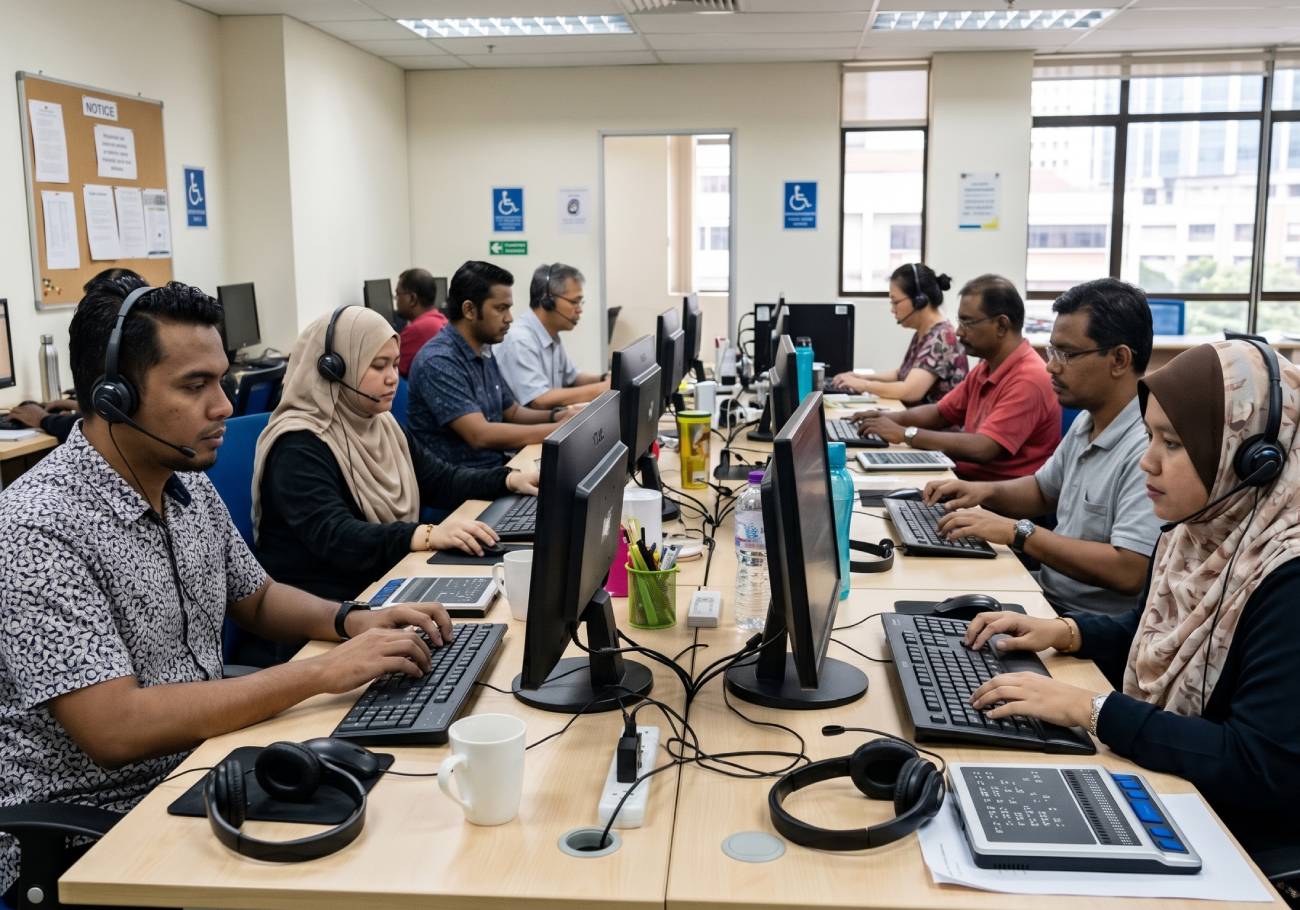
MAB chief executive Datuk George Thomas told Bernama that false ideas about visually impaired workers remain common.
MAB held the 30 June programme with the Social Security Organisation (Perkeso). It aimed to show employers what visually impaired staff can really do.
Some employers assume they must hire an assistant for a visually impaired worker, Thomas said. MAB, however, teaches its members to live on their own.
MAB does not want jobs given “out of sympathy, but because they are qualified or genuinely talented”, he said.
With assistive technology, visually impaired people can do many tasks alone. It depends on their skills and the job, Bernama said.
Bernama described stigma and doubt as the main barrier for visually impaired Malaysians. This holds in the creative arts too, it said.
The numbers and one person’s story

The Department of Statistics counted 674,548 registered people with disabilities in 2022, The Star reported. That is about 2 per cent of the population.
Social Welfare Department figures showed 61,112 registered visually impaired people as of July 2024.
Foo Yi Xeng, 25, is partially blind. He trained in IT at MAB’s Gurney Training Centre in Brickfields, Kuala Lumpur.
Jobs were hard to find, so he opened a drinks stall in Brickfields. Persatuan Amal Indah, an NGO, gave about RM5,000 to start it.
“The issue is that we aren’t given the chance,” Foo told The Star. “Give us a chance and we will show you what we can do.”
Thomas told The Star that 29 trainees graduated from the centre in 2024. He hopes training will lead to jobs.
Perkeso’s approach to placing visually impaireds
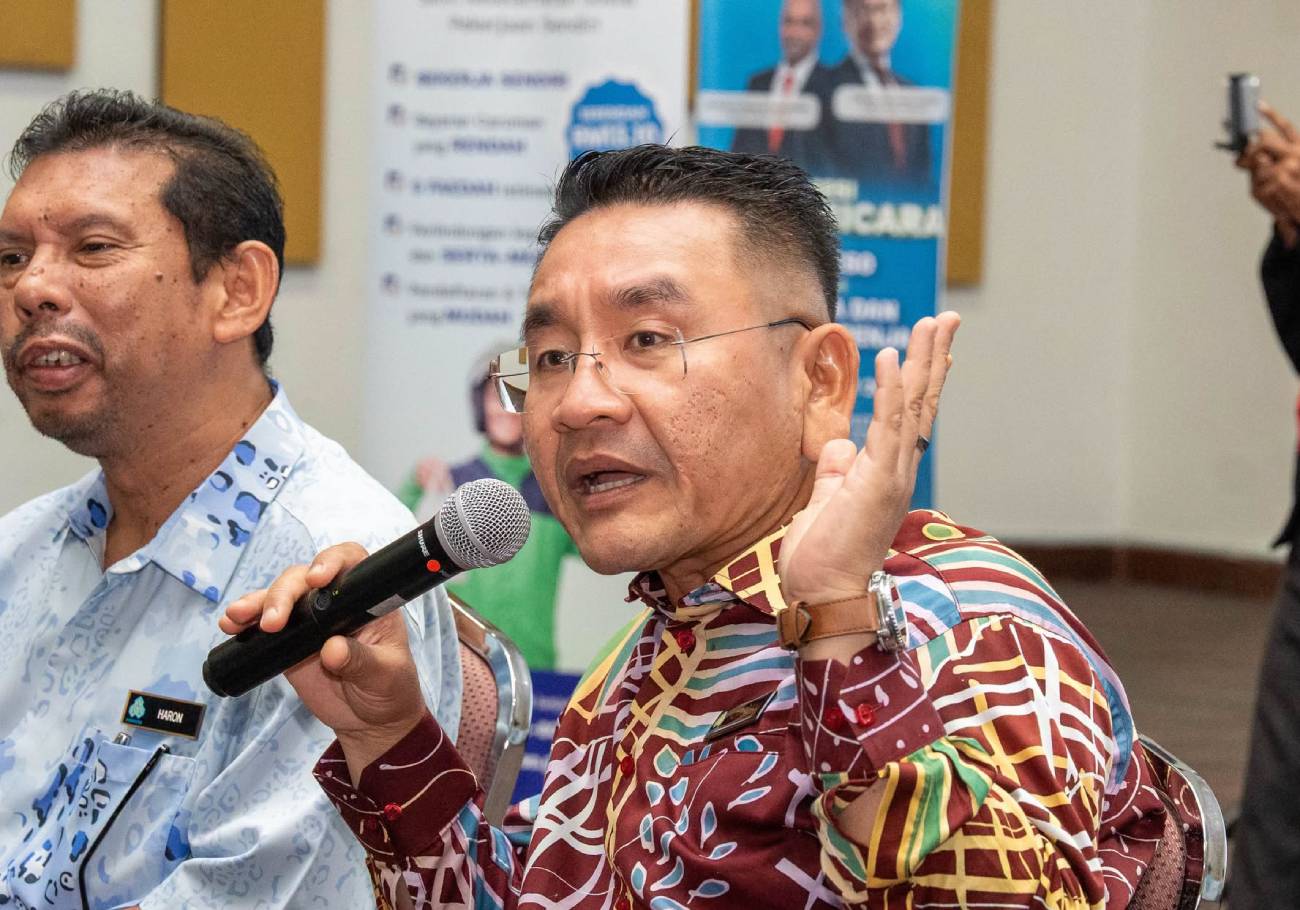
Perkeso deputy chief executive Azirruan Arifin said doubt among employers remains a problem. It persists even when jobseekers have the right skills and experience.
Success depends on the job and the workplace, he said. Access, digital systems and screen-reading software all matter.
Perkeso profiles jobseekers before it matches them. It looks at their qualifications, skills, interests and support needs.
It also suggests changes to the workplace and checks on staff after they start. In addition, it gives advice to employers.
The main challenge, Azirruan said, is matching skills with the job, the employer’s readiness and needed workplace changes.
Perkeso’s answer is to build employers’ confidence through advocacy programmes, he said.
Opening the creative industry

Datuk Azmir Saifuddin Mutalib is chief executive of the film agency Finas. He said sight loss should not rule anyone out before anyone assesses their talent.
Finas is open to proposals under its Creative Content Fund. These could count productions that hire disabled people and the cost of suitable facilities.
Quotas or extra points for such productions “could also be considered”, Azmir said. Talks with the disability community would come first. Finas has adopted nothing yet.
Names on a cast or crew list are not enough, he said. They do not show “the level of inclusivity in a production”.
Datuk Afdlin Shauki chairs the Malaysian Film Directors’ Association. He said writing and acting offer openings, but directing is harder.
“Just start with a phone and show what you want to do,” he said. Finas also ran a radio drama workshop for disabled people in February.


 C. Khor

 Yalinie Mathan

 Admin





Add comment