


 Admin
Built during the British colonial era to irrigate northern Selangor’s sprawling rice bowl, the 30-kilometre Ban Canal is shedding its quiet agricultural past. Today, the historic waterway is carving out a second life as an adrenaline-fuelled eco-tourism corridor, bridging rural heritage with outdoor adventure.
This transformation takes centre stage once again this November as the award-winning Karnival Ban Canal (KBC 2026) returns for its fourth edition. Running from Nov 6 to 8 at Parit 14, Simpang Lima, the festival—anchored to the theme Alam, Budaya, Lestari (Nature, Culture, Sustainability)—aims to build on the momentum of its 2025 outing, which drew over 32,000 visitors and generated more than RM100,000 in direct revenue for local traders.
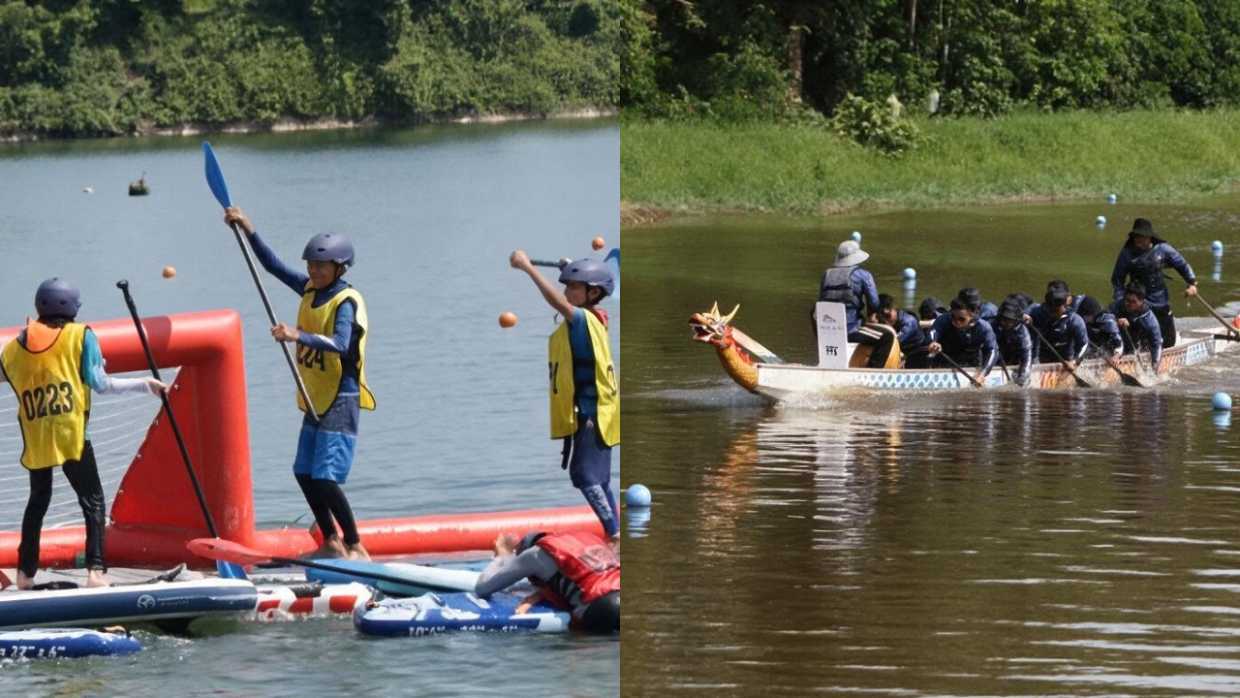
Blending high-energy sport with village life
Far from being just another weekend village carnival, Ban Canal has quickly established itself as a quirky, high-energy sporting playground.
This year’s edition will feature the signature Larian Bendang (paddy field run), wall climbing, fishing derbies, and an exhilarating flying fox line spanning the width of the colonial canal. The headline sporting attraction, however, is the Kanu Slalom, which is slated to welcome international competitors, including athletes from Japan and China, testing their mettle along the waterway’s historic banks.
Yet, organizers have been careful not to drown out Sabak Bernam’s unique rustic character. Alongside the extreme sports, visitors will encounter traditional stage performances, community discussions like Bual Bicara Malam Jumaat, and nightly entertainment by local artists.
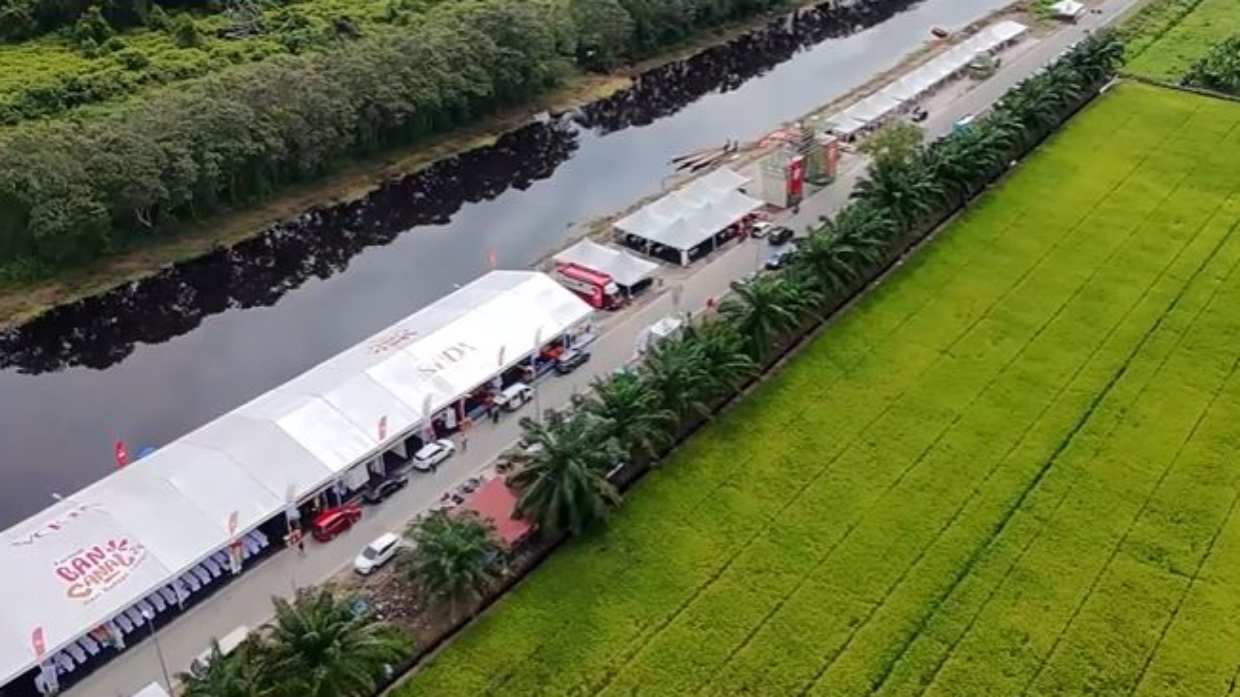
The grounds will also host micro-trader bazaars, including the Platform Selangor (PLATS) entrepreneur showcase and Jualan Eko Tani, connecting day-trippers directly with the district’s agricultural produce and culinary fare.
A living anchor for UNESCO ambitions
Behind the sporting fanfare lies a far broader strategic vision for northern Selangor.
Ban Canal sits squarely within the transition and buffer zones of the proposed Anjung Utara Selangor Biosphere Reserve (AUSBR)—the state’s ambitious 297,661-hectare “ridge-to-sea” nomination under the UNESCO Man and the Biosphere programme.

Spearheaded by the Selangor State Government, Menteri Besar Selangor (Incorporated) (MBI Selangor), the Sabak Bernam District Council (MDSB), and the Sabak Bernam Development Area (SABDA) under the First Selangor Plan (RS-1), the site exemplifies how rural infrastructure can be adaptively reused. Rather than letting colonial relics fall into disrepair, the initiative leverages them to spur grassroots eco-tourism without altering the natural landscape.
As the northern belt of Selangor becomes increasingly accessible to urban weekenders, Ban Canal is proving that green conservation and commercial vibrancy need not be mutually exclusive. For three days this November, a century-old irrigation trench will once again demonstrate how heritage preservation can generate real ringgit for a rural community.




 Yalinie Mathan





Add comment