


 Imran Hilmy
Malaysian businesses could gain greater access to China’s food, trade and smart building industries following a series of cooperation agreements signed by the Malaysia Progressive Entrepreneurs Chamber of Commerce (MPE) during a visit to Qingdao.
The agreements aim to connect Malaysian companies with Chinese buyers, suppliers, technology providers and potential business partners. They also support efforts to encourage participation in the ASEAN+3 Young Entrepreneurs Summit 2027 – FoodTech & International Trade Expo, which is planned for Penang.
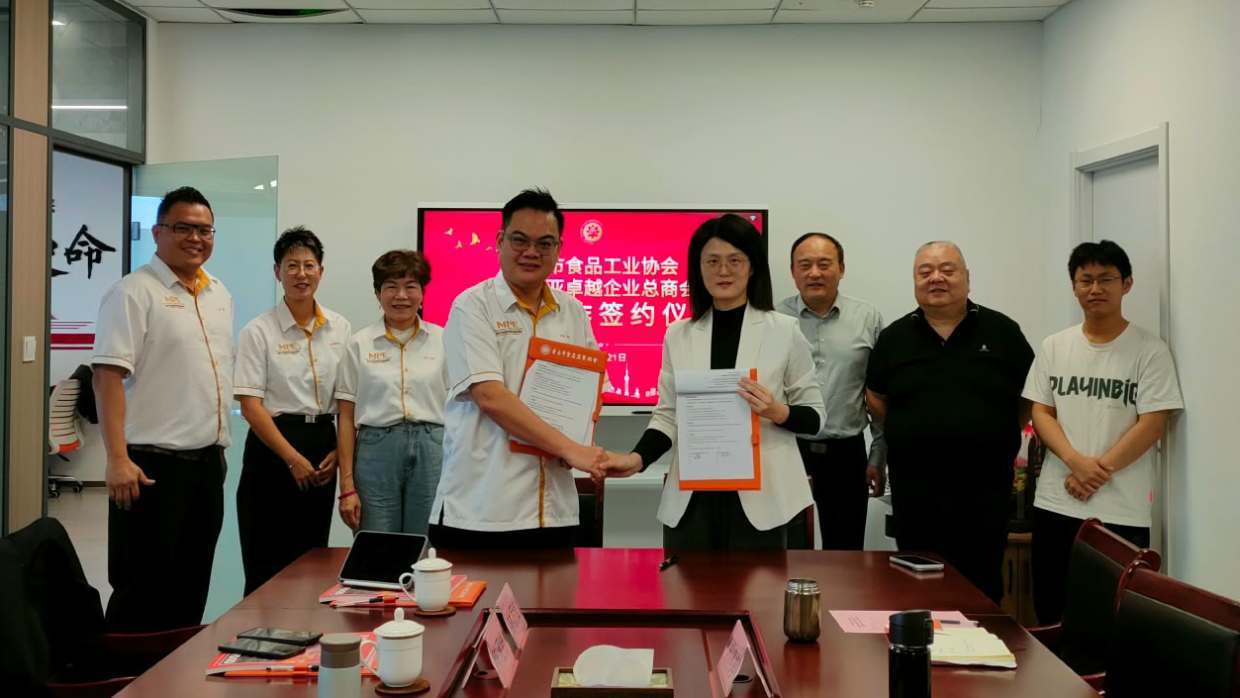
MPE National Vice President Tan Khim Siang, who led the delegation, said the partnerships were intended to translate business networking into practical commercial opportunities.
“By connecting our industry networks, we want to help Malaysian companies identify suitable partners, explore new markets and develop business opportunities in China and the wider region,” he said.
The delegation included MPE National Vice President Lim Lip Sing, National Honorary Adviser Datuk Dr Lim Beng Suat and Head of China Business Affairs Arissa Chen.
During the visit on Oct 21 and 22, the delegation signed strategic cooperation agreements with the Qingdao Food Industry Association, Qingdao Building Intelligentisation Association and Qingdao Federation of Private Economy and Commerce.
It also established cooperation with the Qingdao Chamber of Import and Export Enterprises.
Partnerships target food, trade and technology
The engagements covered food production, international trade, smart building technologies, digitalisation, cultural exchanges and tourism.
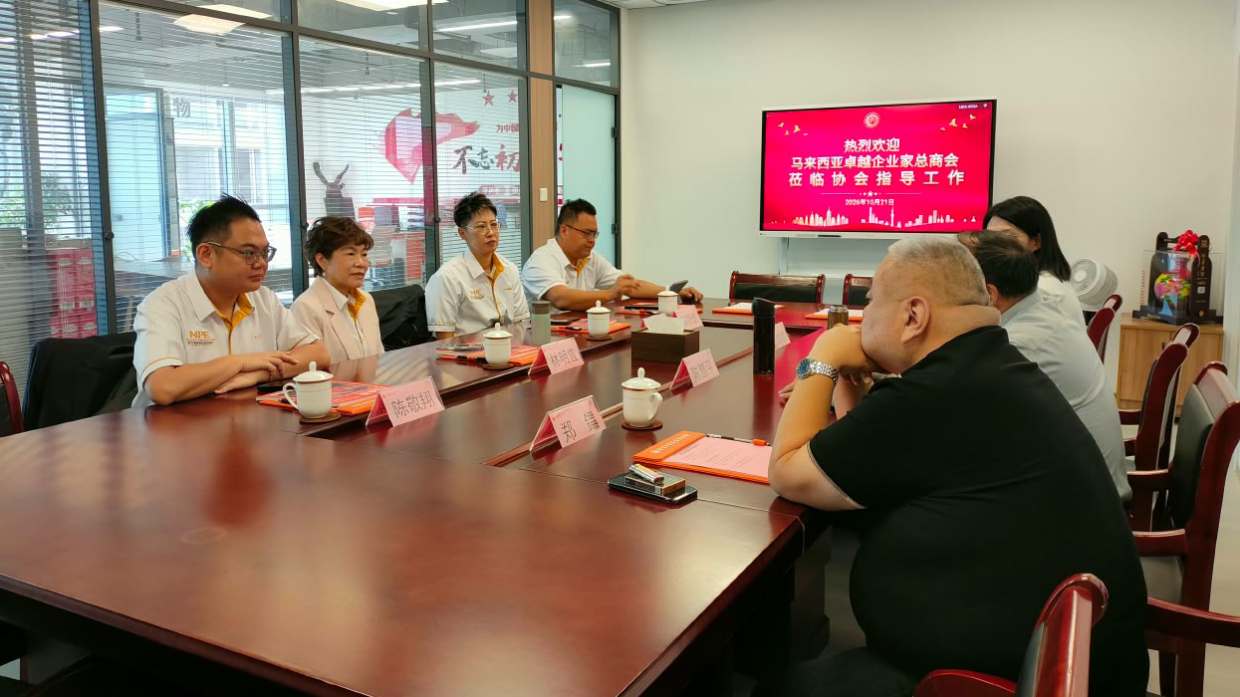
Tan said the partnerships would give Malaysian companies a platform to explore export opportunities, source raw materials and equipment, and develop distribution and technology arrangements with Chinese businesses.
In the food sector, Malaysian food and beverage brands could explore market entry, brand promotion and distribution opportunities in China. Manufacturers could also seek partnerships involving food processing, packaging, automation and cold-chain solutions to improve production efficiency and product value.
The trade cooperation could support product exports, cross-border e-commerce and logistics arrangements. Malaysian distributors could also connect with Chinese brands seeking to enter Malaysia and other ASEAN markets.
In the smart building sector, Malaysian construction firms, mechanical and electrical contractors, systems integrators and property management companies could explore technologies for building automation, construction digitalisation and facilities management.
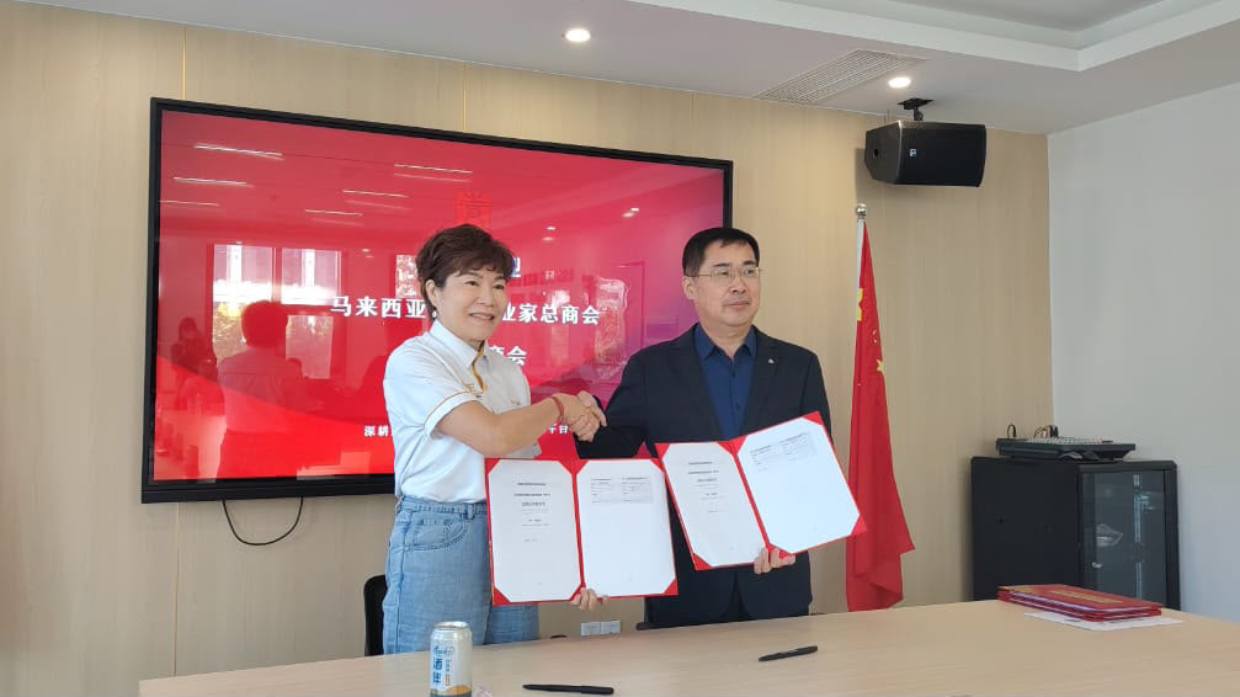
Specific projects and areas of collaboration will depend on further discussions between participating companies.
MPE also plans to explore digital platform applications, cultural exchanges and tourism initiatives with its Chinese counterparts.
MPE encourages participation in 2027 expo
The chamber will continue engaging its Chinese partners to encourage business delegations, exhibitors, buyers and companies to participate in the 2027 summit and expo.
It aims to facilitate business matching based on companies’ needs, including sourcing, product development, technology adoption and market expansion.
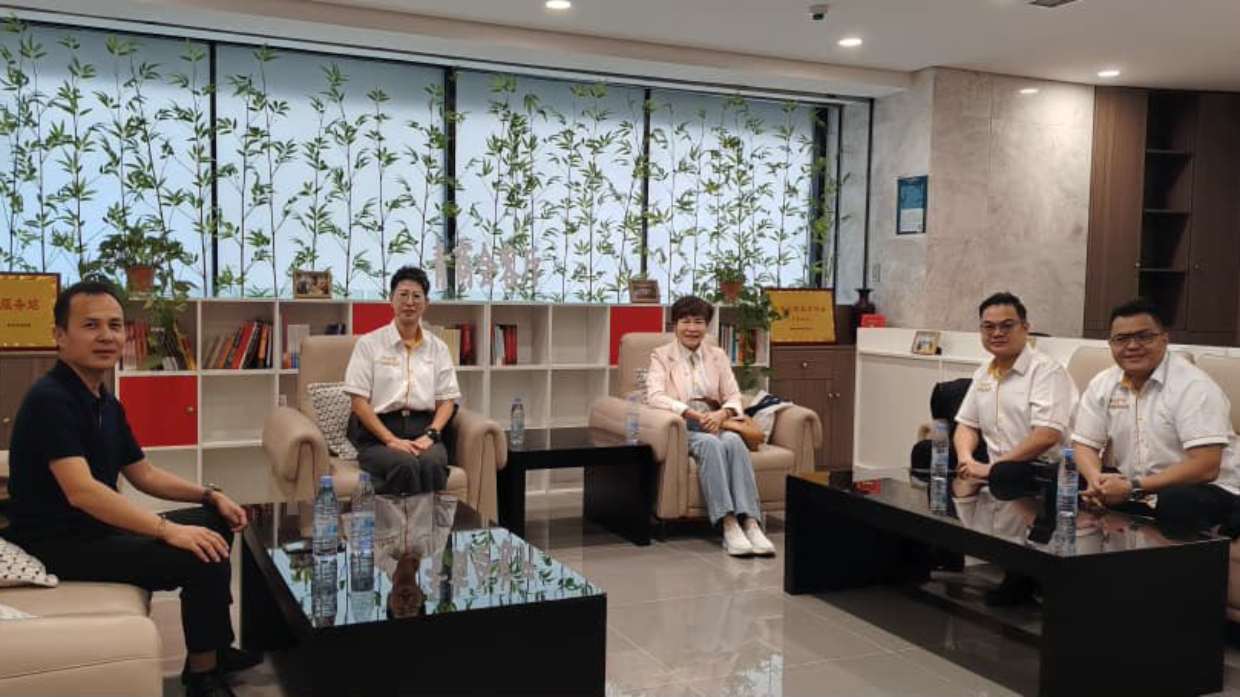
The event is expected to provide Malaysian businesses with a platform to showcase their products and services, establish international contacts and pursue cross-border commercial opportunities.
The arrival of international delegates and exhibitors could also generate business for Penang’s hospitality, food and beverage, transport and logistics sectors.
Malaysian companies interested in participating in the summit and expo, or exploring trade and technology partnerships with China, may submit their company profiles, product information and cooperation requirements to MPE.
Further details about the event and participation arrangements will be announced in stages.
Dont miss:
 Perusahaan Prop Terbaik Dengan Ulangan Tantangan Gratis Setelah Kerugian Kecil
 Ulasan Bull360 and Official License: Complete Guide for Malaysian Traders
 Understanding Brand Reputation and the Role of Corporate Communications Agencies
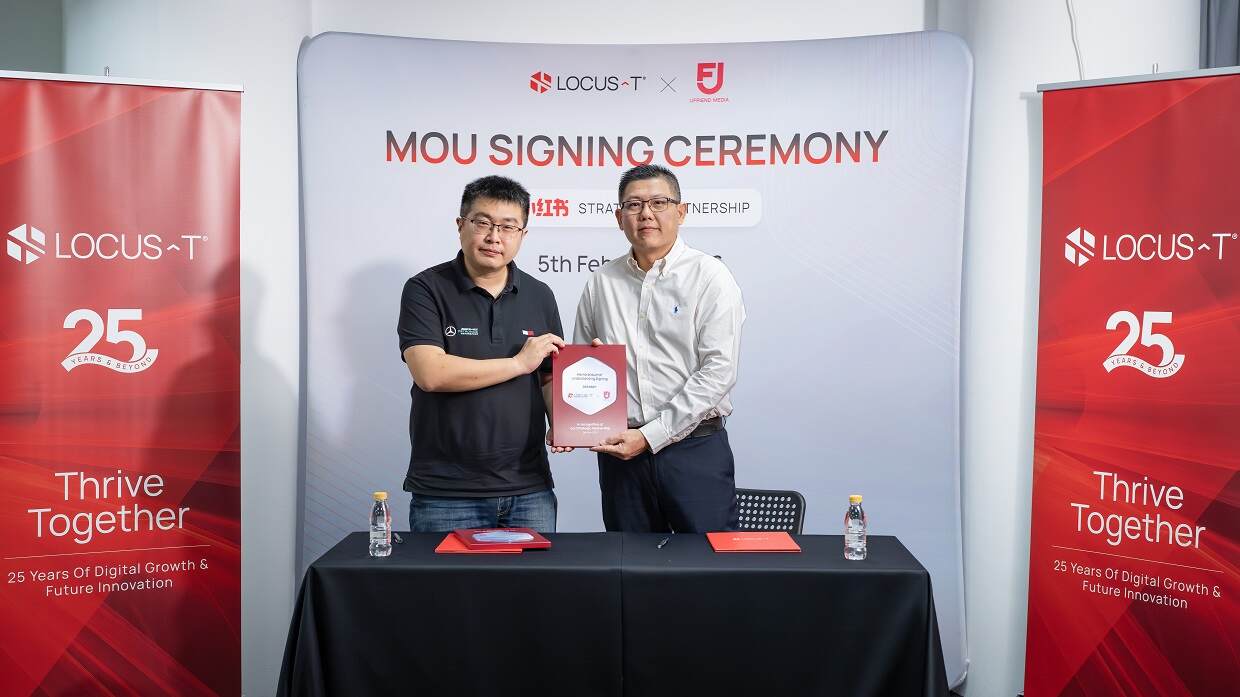 LOCUS-T launches Xiaohongshu package in partnership with UFriend Media


 Admin

 Maran Perianen

 Yalinie Mathan






Add comment