


 Amirull Salihing
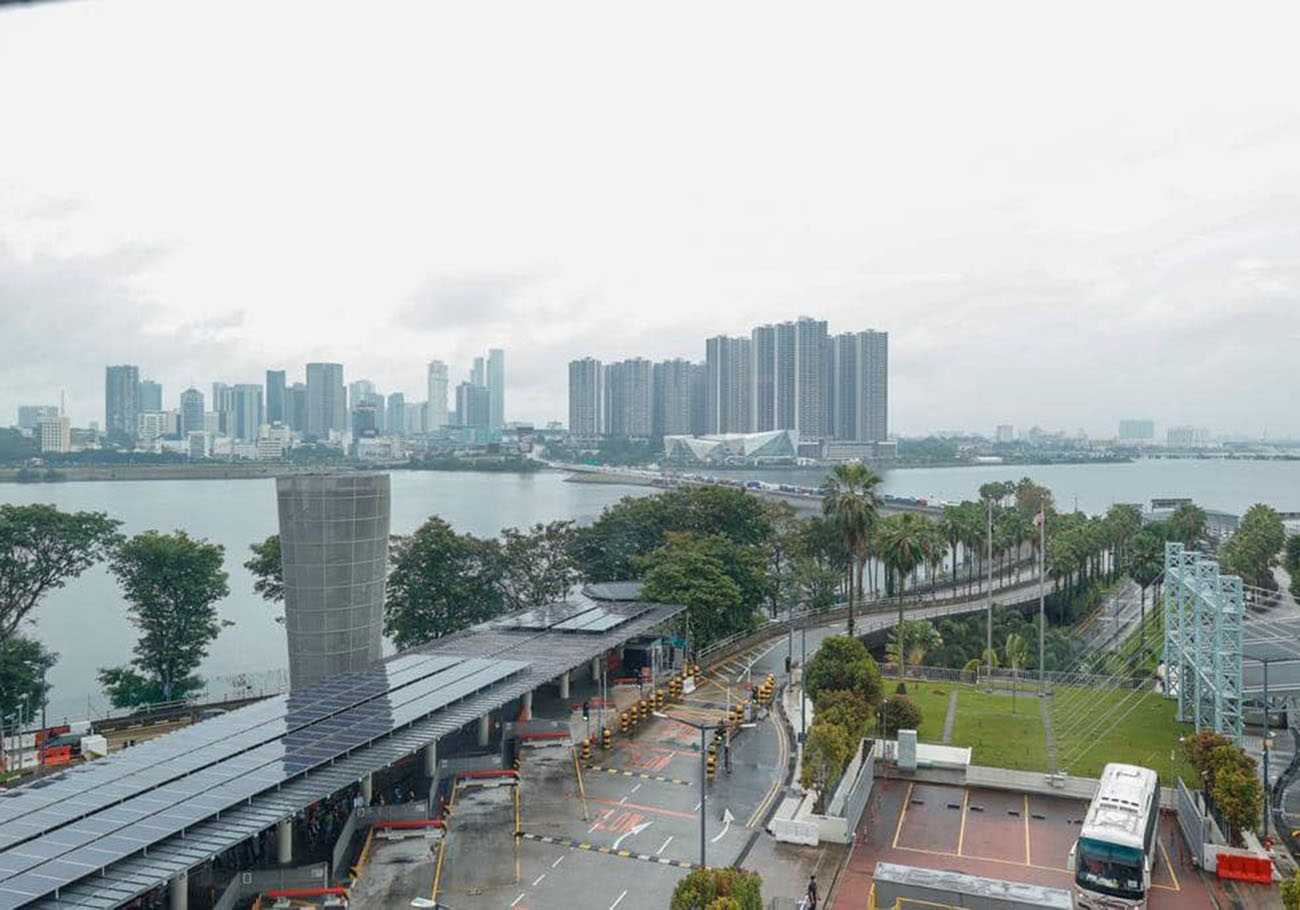
Singapore border changes take effect on 1 January 2027, and they touch almost every vehicle crossing the Causeway and Tuas. The Land Transport Authority (LTA) has set higher fees for cars, motorcycles, goods vehicles and taxis.
Here is what changes, what it costs and what drivers can do before the new year. Some of these rules were announced months ago. Still, the start date is now less than two months away.
What changes for cars and motorcycles
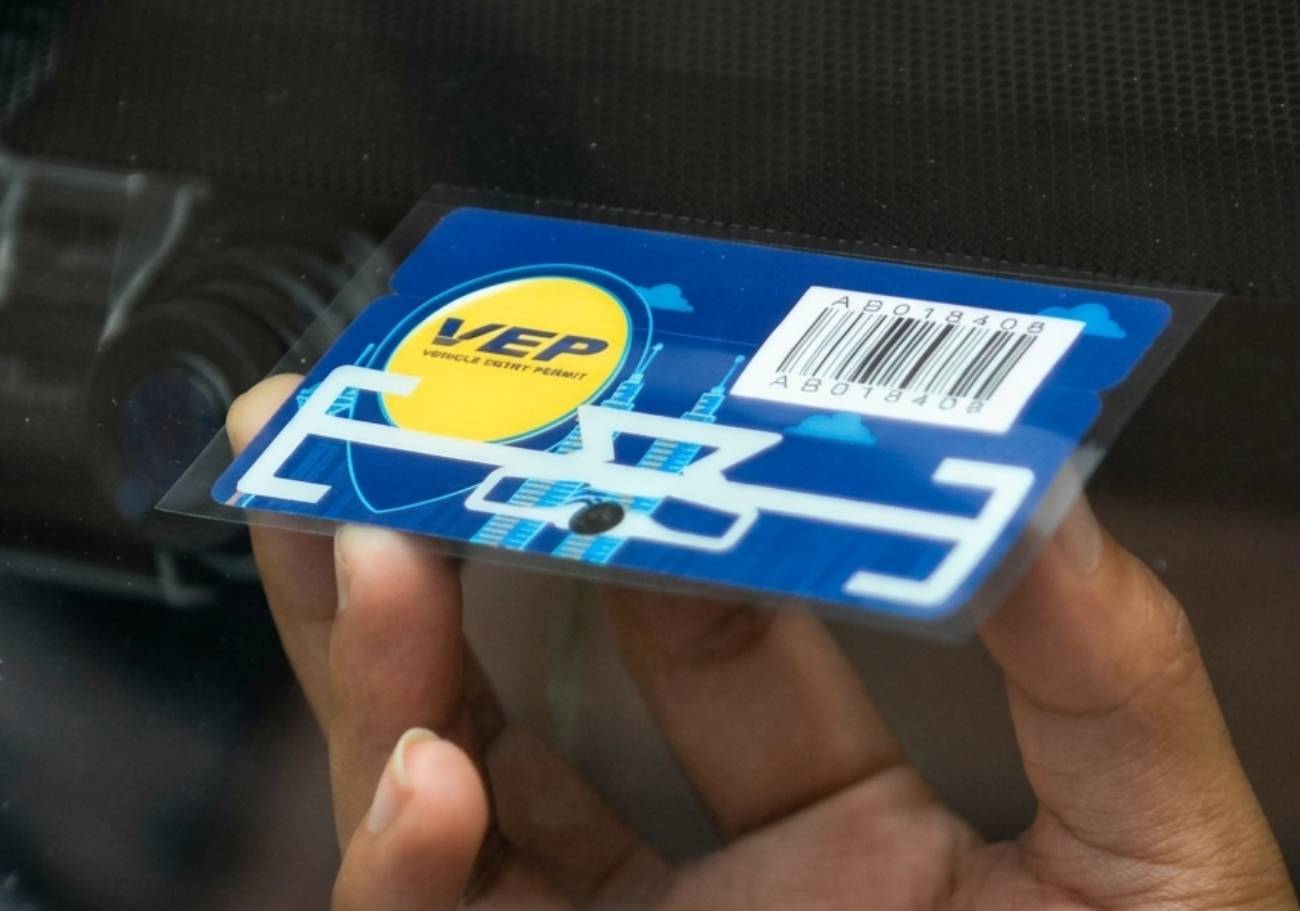
First, the Vehicle Entry Permit (VEP) rises. Under the LTA’s February release, cars will pay S$50 a day, up from S$35. Motorcycles will pay S$7 a day, up from S$4. We covered the VEP fee rise earlier.
In addition, the annual 10 free VEP days will go. So will the free VEP hours on weekdays. The LTA says the VEP will apply on all days, except weekends and Singapore public holidays.
Meanwhile, road charging changes too. The On-Board Unit (OBU) is optional. Without one, foreign motorists pay a flat Electronic Road Pricing (ERP) fee for every ERP operational day on Singapore roads. The fee is S$10 for most vehicles and S$3 for motorcycles. It is charged per day, not per trip.
As for the unit, the OBU is optional from 1 April 2026. The LTA gives its price as S$158.70, including 9% GST, until 31 December 2026. That price excludes installation. In practice, only authorised workshops in Singapore can fit the unit. For the older rules, see our VEP guide.
Taxis and goods vehicles

Taxis face a different kind of charge. From 1 January 2027, Malaysia-registered taxis will pay S$15 per trip, according to the LTA’s June release. Today, they pay S$2 a month.
As a result, the cost depends on trips, not time. The LTA says the change will narrow the cost gap with Singapore-registered taxis. The February release adds that Malaysian taxis must install OBUs for tracking and enforcement.
This comes after wider taxi rules in May. Malay Mail reports that licensed taxis can now drop passengers anywhere in Singapore and across Johor. More pick-up points have also been added on both sides of the Causeway.
However, the LTA advises commuters to use only licensed taxis. Only they have valid insurance. Riders in unlicensed vehicles could be left without recourse after an accident.
Goods vehicles pay more as well. The Goods Vehicle Permit (GVP) will rise from S$40 to S$70 per calendar month. Owners can still buy at S$40 before the new fee takes effect. A permit valid from the effective date will cost S$70.
What drivers can do before the new year

For now, the practical step is to plan around the Singapore border changes. Singapore’s year-end school holidays run from 21 November to 31 December. So families may cross while current rates still apply.
Separately, drivers who want an OBU should decide soon. The published price covers only the period to 31 December. The release does not say what the unit will cost after that.
By contrast, taxi users should watch fares. The LTA release does not say whether the new fee will be passed on.
Instead of driving, some travellers may look at rail. Our report covers the RTS Link planned for February 2027.
Overall, check the LTA site before you travel. Details of the Singapore border changes may be updated.




 Navin Kumar Perianen

 Sashidaran Gunathevan

 Yalinie Mathan





Add comment