


 Amirull Salihing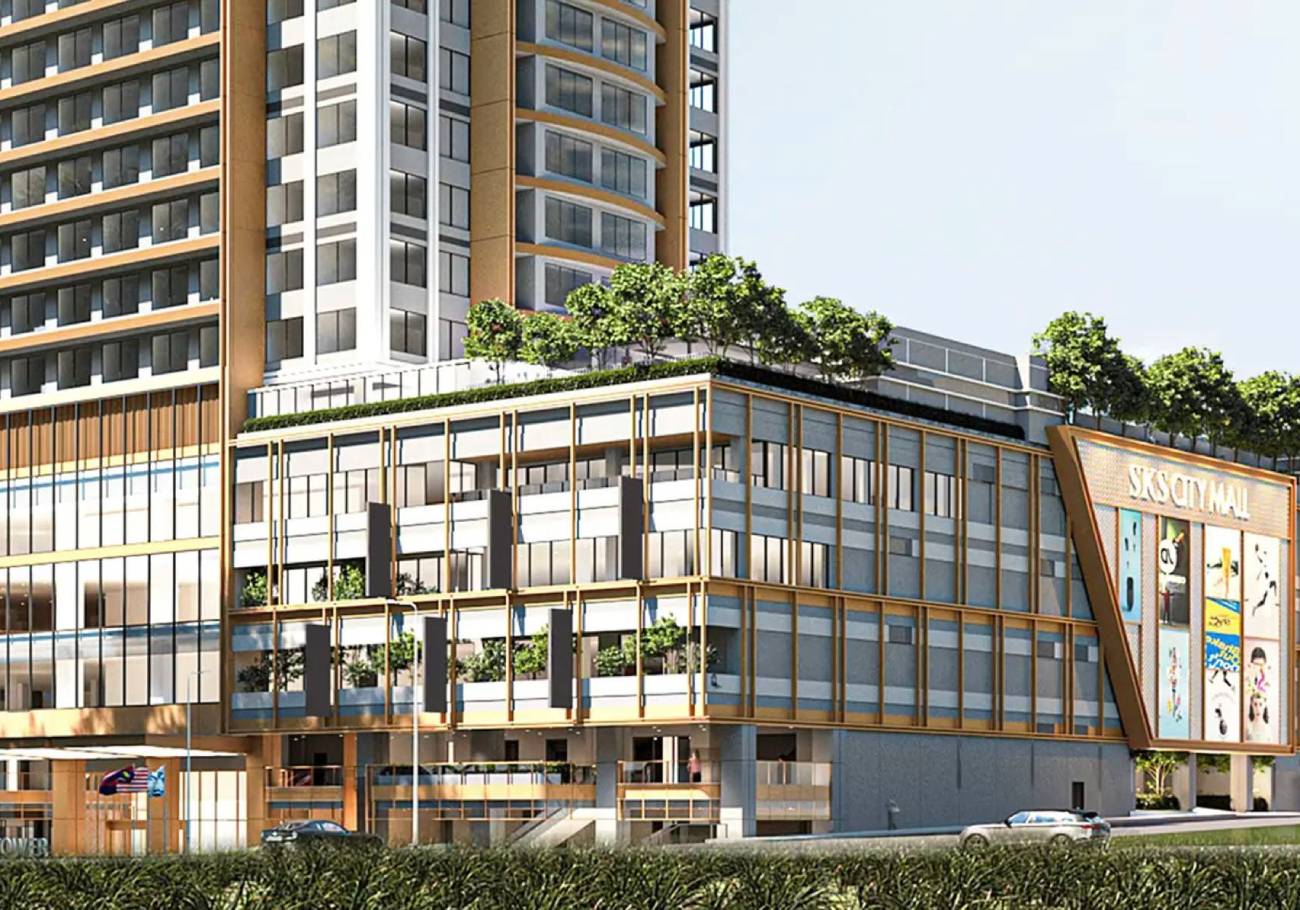
SKS City Mall JBCC is a 280,000 sq ft shopping centre on Jalan Storey in Johor Bahru. It opened on 1 May and sits beside the Sheraton Johor Bahru.
Reports put the drive from the JB checkpoint at about 5 to 10 minutes. The mall opens daily from 10am to 10pm, and Business Today said it was 90% occupied at opening.
Here is what is inside, where to eat and what to check before you cross.
What is inside the mall
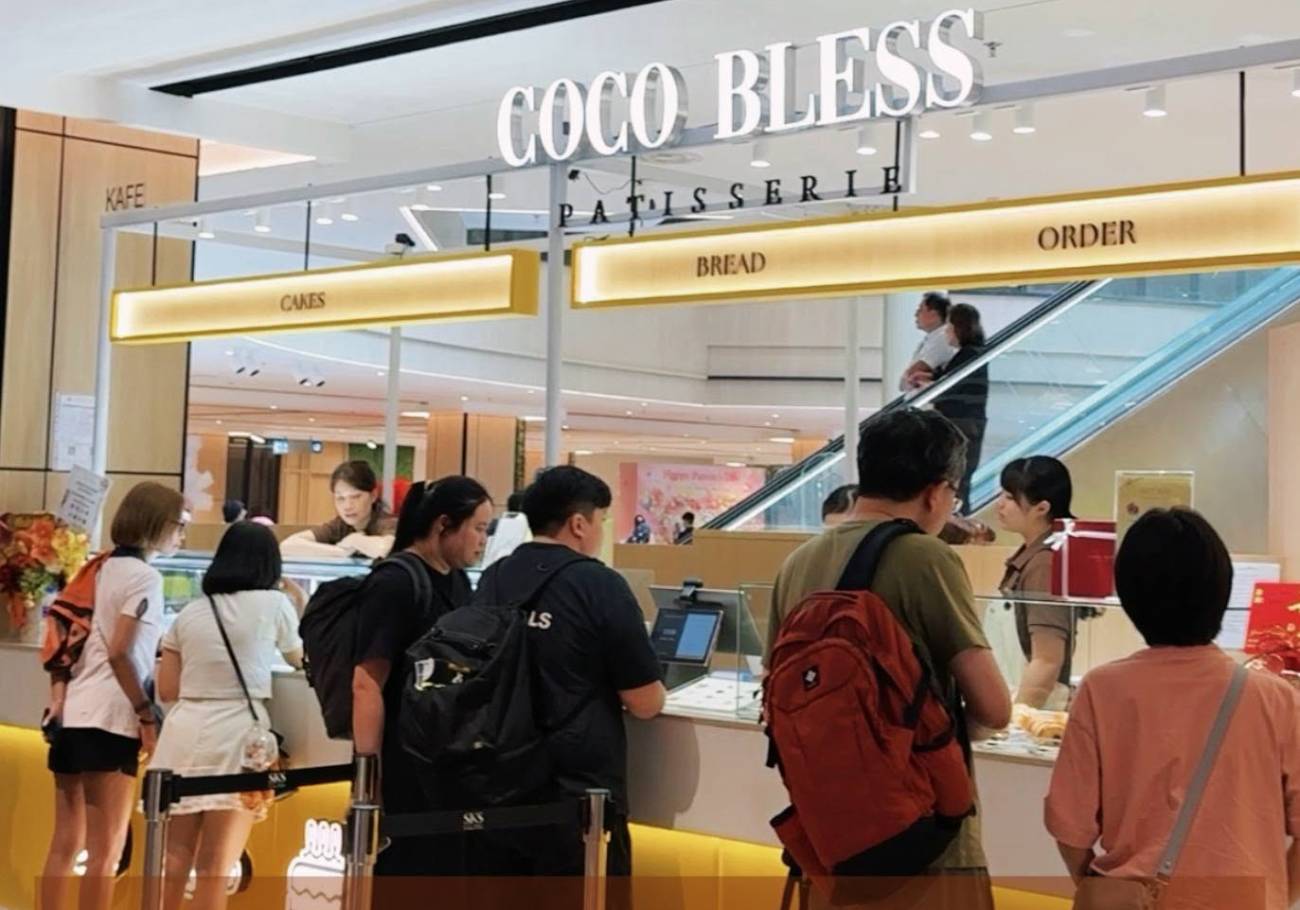
The mall runs from the basement to Level 4. It has direct access to the Sheraton hotel next door.
Village Grocer is among the anchor tenants. The supermarket chain also features at the new 118 Mall in Kuala Lumpur.
Fashion and lifestyle names include July, New Era, KKV, Daiso, Skechers and Watsons. Japanese drugstore brand Matsukiyo is also there.
Beauty and wellness outlets sit on the upper floors. They include Freia Aesthetics, Prostyle and Anytime Fitness.
Miniso and Manzanita are also listed. Sports Direct has a store too. Families with children can try Jungle Gym on Level 3.
The centre spans several floors, so check the directory on arrival. It helps to know which level you need.
Elena Lee, general manager of the SKS Group mall division, calls the centre a lifestyle and community hub.
Where to eat at SKS City Mall

The mall has 32 food and beverage tenants, according to one Singapore food site.
Coffee fans have Pacific Kopi, Oriental Kopi, Chagee and Zus Coffee. All About Chew is reported to be its first outlet in Johor.
Meat lovers can try Kay’s Steak & Lobster, which one report calls halal-certified. Crab Bro, Souper Tang and Arashi Shabu-Shabu are also listed.
Shan Dong Lou is on Level 4. Bakery fans can look at Palates & Bagels on Level 1.
Beautea and Ming Ang Confectionery are listed as well. Crab Bro is on Level 2.
For dessert, The Garden by Afters Pastry is also on Level 4. Senjaa, a bakery, has offered dining since 15 May.
Halal status varies by outlet, however. Ask the staff before you order if it matters to you.
Getting there and what to check
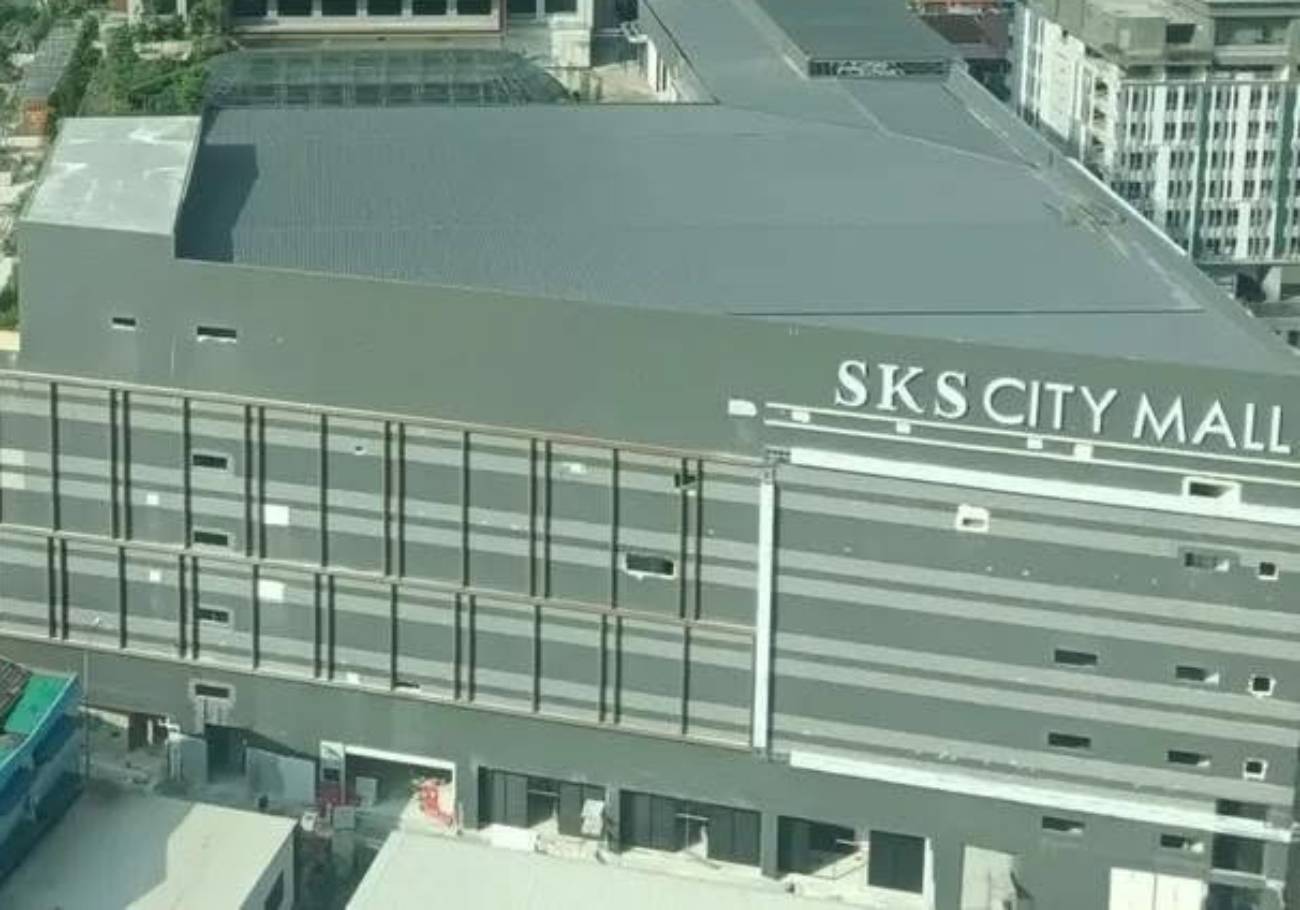
The address is Jalan Storey, Bukit Senyum, 80300 Johor Bahru. Reports give drive times from the JB checkpoint of four to 15 minutes.
Therefore, allow extra time at peak hours. Our report on Budget 2027 and Johor Bahru traffic plans covers e-ART and buses.
Parking is cashless, but rates were not reported.
The mall is not a comfortable walk from the checkpoint, says a guide updated in September.
The guide suggests a taxi or ride-hailing car from the checkpoint or from JB Sentral. Compare fares before you set off.
The SKS City Mall JBCC opens daily from 10am to 10pm. However, hours at individual shops may differ.
Many opening deals from May have ended. Check each shop’s offer on the day.
Also convert ringgit prices at the day’s rate, since exchange rates move. Final checks help you plan the trip.
Finally, the SKS City Mall JBCC lists its stores on its own website. Browse the directory before you cross to save time.



 CJMY
CJMY
 C. Khor
 Sashidaran Gunathevan



Add comment