


 Admin
AdminGetting your yard in order is a common goal for many homeowners. There is a lot of work involved, however, and while it is satisfying to see the results of your labors, it can also prove frustrating if you are enjoying nature but feel like you are damaging the planet in the process of making your yard look beautiful. If you are interested in learning about some earth-friendly ways you can make your yard better, continue reading.
Use electric lawn tools
Where there is a yard, there will be yard tools. And the type of tools you choose will make a big difference in the outcome of your efforts. Loud and smelly gas-powered lawn tools are a thing of the past. Not only are they less efficient, but they also require more work and money on your part to keep going out to purchase more gas. No more. Now you can make your life easier and do the planet a favor by using an electric weed wacker. These handy devices can tackle anything that a gas-powered machine can, except they are quieter and run on electricity.
Plant indigenous species
Planting native species will be a boon for your local environment. When you try to plant trees, bushes, and plants that are not native to your location, they can quickly become nuisances to the local flora, causing them to die out in some instances or compete for resources. Some non-native species spread more quickly than native ones and may end up reseeding in unwanted areas, which can lead to more problems for someone else. Native plants tend to do better in their natural habitat, and thus may require fewer resources, such as fertilizer, water, and feed. Since they are hardier, you will save time and money by not having to replant them as often as others.
Not to muddy the waters too much, but there is another school of thought surrounding whether or not indigenous plants are better than others for a certain area. The takeaway is that it is probably best to consult with a local nursery or horticulturist to determine what is right for your unique local climate. Watch this video for insight into the matter.
Incorporate pollinator-friendly plants
One of the best things you can do for the environment and your fellow citizens is to add pollinator-friendly plants to your garden. These plants attract pollinators, such as honeybees, butterflies, bats, and hummingbirds. In turn, pollinators pollinate our food that comes from plants, of course. In addition, these plants tend to be beautiful and colorful showstoppers that are lovely to look at, not to mention the insects and birds that hover around them are a joy to behold. You can find pollinator-friendly plants in a wide variety of sizes, shapes, and colors depending on your unique growing zone.
Start a compost pile
Composting is a great way to remove unwanted waste from your kitchen and turn it into something beneficial for your garden. Scraps from vegetables, coffee grounds, and eggshells, among so many other kitchen waste items, can be turned into nutrient-dense food and fertilizer for your garden. This homemade fertilizer will help your garden and plants grow stronger and better through natural means instead of relying on chemical fertilizers and commercial feed to get the job done. DIY takes on its easiest form in composting and prevents usable waste from entering the already overflowing landfills.
Use gray water
If you have not yet heard of gray water, you might be interested to learn more about it. Essentially, gray water is used water from your home. This water comes from your sink after you wash and rinse your dishes, or from your washing machine after the wash and rinse cycles are complete. All you need to do is collect the water, store it, and then use it as needed in your garden or on your lawn. Pro tip: You can also use gray water to flush your toilets, wash your car, or scrub your outdoor furniture.
Skip the chemicals
As mentioned above, using compost is an ideal way to naturally fertilize the garden and flower beds. If you are accustomed to using chemical fertilizers, it is perhaps time to reconsider. Your yard will still thrive without chemicals. Simply tackle weeds as soon as they arrive to prevent them from spreading underground or reseeding. Use a hand weeder, task your kids, or hire some kids from the neighborhood to help. You will see more weeds pop up than if you used chemical deterrents, but you will also notice a lot more birds, butterflies, and other insects in your yard due to the absence of chemicals that may kill them.
Avoid wasting water
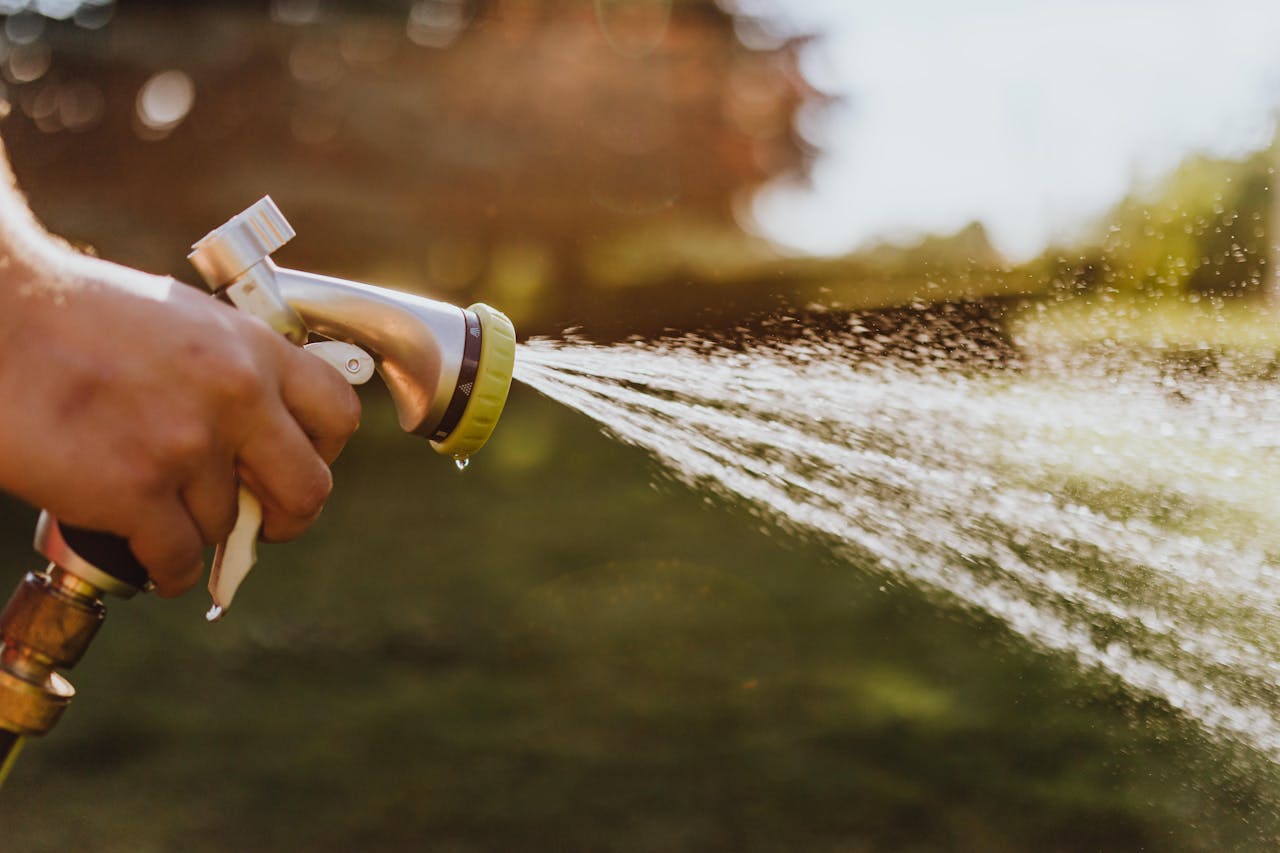
Wasting water in backyards, gardens, and flower beds is relatively easy and good for the environment. Take a few easy steps, such as adding a hand nozzle with a shut-off switch to your water hose so you can control the flow. If you do not have a hand nozzle, be sure to shut the water off at the spigot whenever you stop using the hose. The amount of water that flows from a water hose will surprise you. Another strategy is to install an underground sprinkler system. While it is a significant upfront expense, you can set up different zones on timers to water your yard, garden, and flower beds. Over time, you will save a lot of water and expense by only watering when you want to and when you need to.
Creating an earth-friendly yard is not a difficult task at all. It can be more time-consuming than relying on chemical enhancements; however, the effort will be well worth it when you experience the benefits of caring for the earth in this way. More pollinators will join you in the backyard and you get to experience their beauty. Your garden will thrive with the introduction of compost from your very own kitchen. Now that you have some great ideas on how to begin caring for your yard with the planet in mind, it is time to get started.


 C. Khor
 Maran Perianen
 Navin Kumar Perianen






Add comment