


 Admin
AdminMalaysia’s technology sector is expanding quickly in 2025, riding a strong wave of artificial intelligence and cloud computing growth. As global technology competition intensifies, multinational firms are expanding infrastructure across Southeast Asia, and Malaysia has emerged as a key destination, with Johor and Penang becoming key locations for new investments.
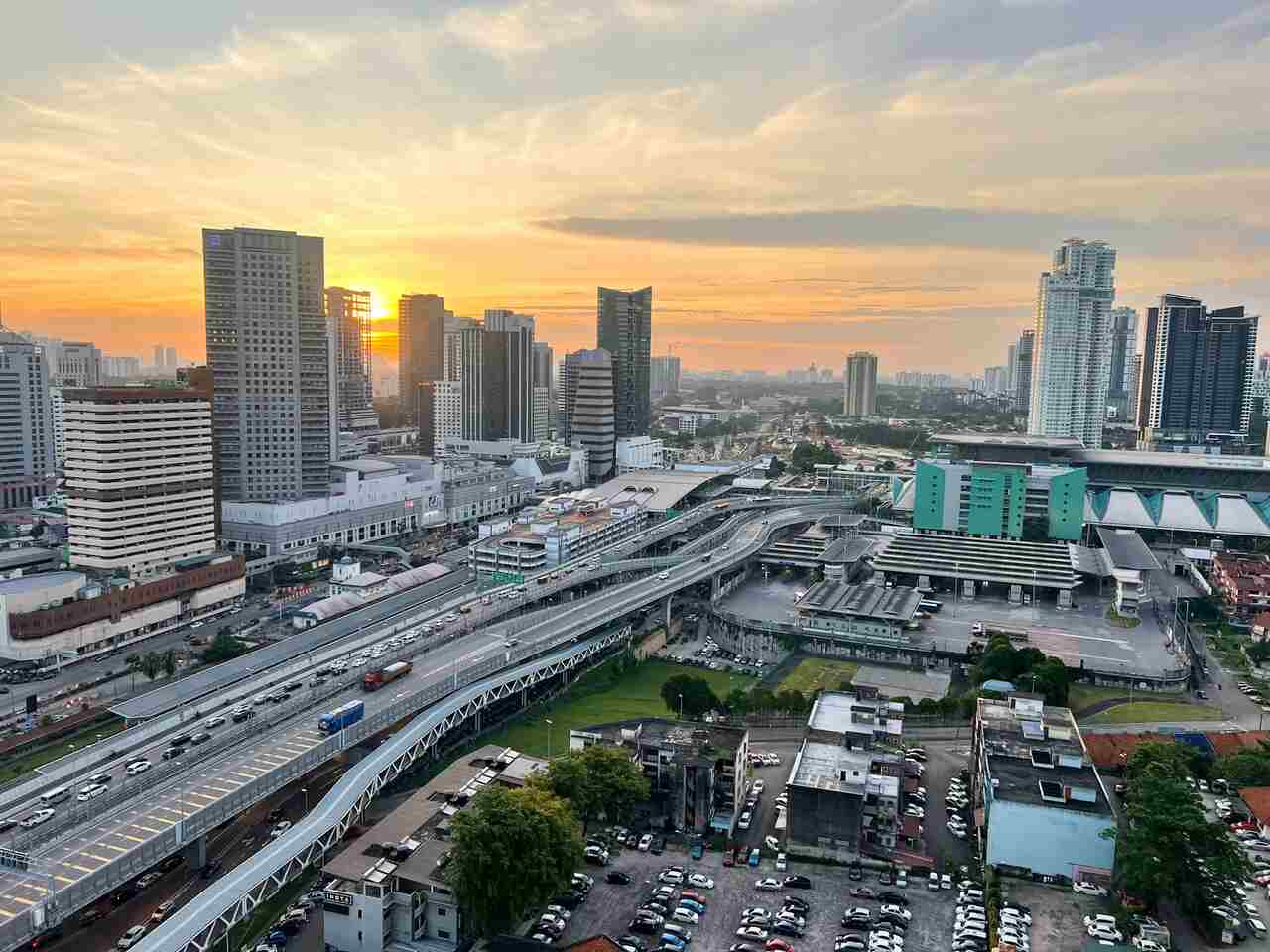
Penang continues to anchor high-value semiconductor and electronics manufacturers, while Johor is rapidly evolving into a major data centre hub due to its location near Singapore and improving infrastructure.
Investors see a stable political environment, a strengthening ringgit, as well as investment incentives and targeted digital economy strategies from the Malaysian government. As a result, billions of ringgit have been committed to digital and semiconductor-related projects, with data centre investments accelerating into 2026.
Data Centres As The Backbone of Everyday Digital Life
Today, data centres power many of the apps people use daily, including social media, streaming services, online shopping platforms, digital banking tools and gaming.
When computing infrastructure is located closer to users, it can improve service speed and reduce latency, enhancing the user experience when streaming Netflix shows, playing apps like online-gambling.com or other games like Roblox or Arena of Valor. It also allows data to be hosted locally, supporting regulatory compliance and digital sovereignty. A secure and responsive cloud infrastructure allows digital content platforms to run smoothly.
AI and Cloud Lead the Investments in 2025
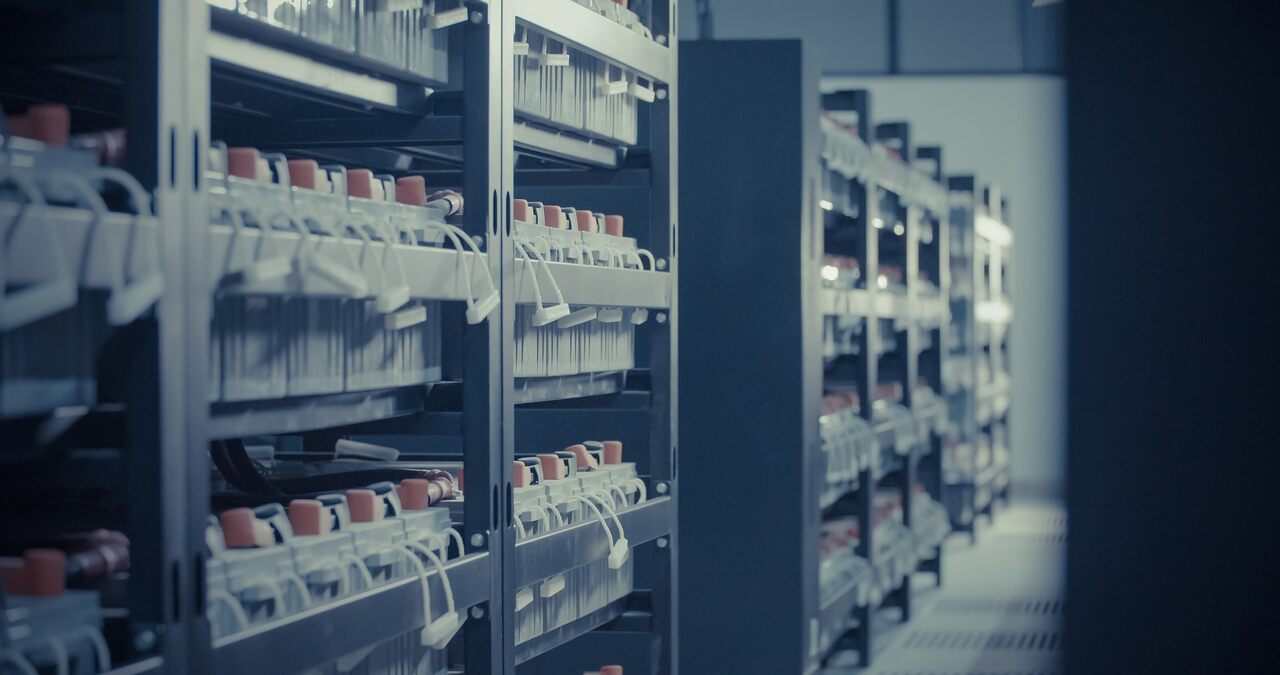
In the first half of 2025, approved investments in Malaysia’s AI sector reached RM13.29 billion. The data centre and cloud segment contributed RM30.95 billion under the Malaysia Digital initiative, making it the largest part of digital investment approvals.
According to the Malaysian Investment Development Authority, total approved investments across services, manufacturing and primary sectors reached RM190.3 billion in the first half of 2025, representing an 18.7% increase compared with the same period in 2024.
Between 2021 and June 2025, 143 data centre investments were approved, including 25 projects granted Malaysia Digital status. These projects represent RM144.4 billion in total investments and have created 1,429 new jobs.
Major global players including Microsoft, Google, Amazon Web Services and Nvidia have announced infrastructure commitments. In October 2025, Malaysia’s first Nvidia-powered AI data centre in Johor started running.
Johor is now regarded as Southeast Asia’s fastest-growing data centre hub and is projected to account for 60% of Malaysia’s total data centre capacity by 2030.
Malaysia Attracts Global Firms
To international investors, Malaysia has a strategic location near Singapore, where many tech firms have regional offices. They can enjoy easy access to comparatively lower land and operating costs while expanding into the Southeast Asia market. Restrictions and land constraints in Singapore have also pushed investments into Johor.
Foreign investor interest has also grown. In 2025, foreign investors poured approximately US$6.5 billion into Malaysian local currency bonds, the largest annual inflow in four years and the highest in the region. Besides, the ringgit has appreciated and is reaching its strongest level against the US dollar since 2018.
Malaysia’s stock market has also performed well, partly supported by optimism around AI and data centre expansion. Analysts describe the country as sitting in a favourable position between lower-yield markets such as Singapore and Thailand and higher-risk peers like India and Indonesia.
Moreover, government plans such as the Malaysia Digital Economy Blueprint and the New Industrial Master Plan 2030 aim to develop digital industries and local supply chains. Incentives under the Digital Ecosystem Acceleration Scheme encourage global companies to work with local suppliers and invest in higher-value projects.
On the other hand, the Malaysian government has outlined plans and allocated funding to build a sovereign AI cloud and increase local research capacity. Yet, some analysts note that many current data centre projects focus on model deployment rather than training new advanced ones, which means Malaysia still depends heavily on foreign firms.
Rapid expansion has also put pressure on electricity and water supply, particularly in Johor. Authorities have introduced new power tariffs and are planning additional energy capacity to meet rising demand while balancing sustainability and net-zero commitments.
Data Centre Development to Continue in 2026
Looking ahead, analysts expect data centre growth in Malaysia to remain strong in 2026. The Ministry of Digital has allocated RM1.36 billion under Budget 2026 to support AI-related initiatives, including development funding and operational support.
Other efforts are being made to strengthen local suppliers, expand talent training programmes, improve renewable energy use and build a more resilient digital ecosystem.
This reflects not only government ambition but also growing interest among Malaysian entrepreneurs and investors in the AI economy. For example, Malaysian technology entrepreneur Arsyan Ismail recently sold the premium domain “AI.com” for a record RM276 million, highlighting how local players are actively participating in the global AI wave.
While challenges remain, the data centre surge in the Southeast Asian country is likely to continue shaping the country’s technology sector in the years ahead.




 Maran Perianen




Add comment