


 Admin
AdminMalaysia’s tourism sector continues its post-pandemic recovery and recorded 42.2 million international arrivals between January and December 2025, an 11.2% increase compared with the same period in 2024, according to the Ministry of Tourism.
Of the total arrivals, regional travel remained the backbone of the market, with about half of these visitors coming from Singapore, followed by China, Indonesia, Thailand and Brunei ranking as the top five source countries.
Long-haul markets also showed encouraging results. Australia, the United Kingdom and the United States continued to record steady growth.
The government said the growth reflects improved flight connections, visa policies and stronger promotion under the Visit Malaysia 2026 campaign.
Although Malaysia recorded just over 25 million international arrivals in 2024, which fell slightly short of its target, the Southeast Asian country is now targeting 47 million international visitors by 2026 as it continues to rebuild and expand its tourism industry.
Diversity of Activities Attract Visitors
One of the major factors that attracts tourists to Malaysia is the wide variety of experiences available in one country, from modern cities and historic sites to beaches, rainforests and theme parks.

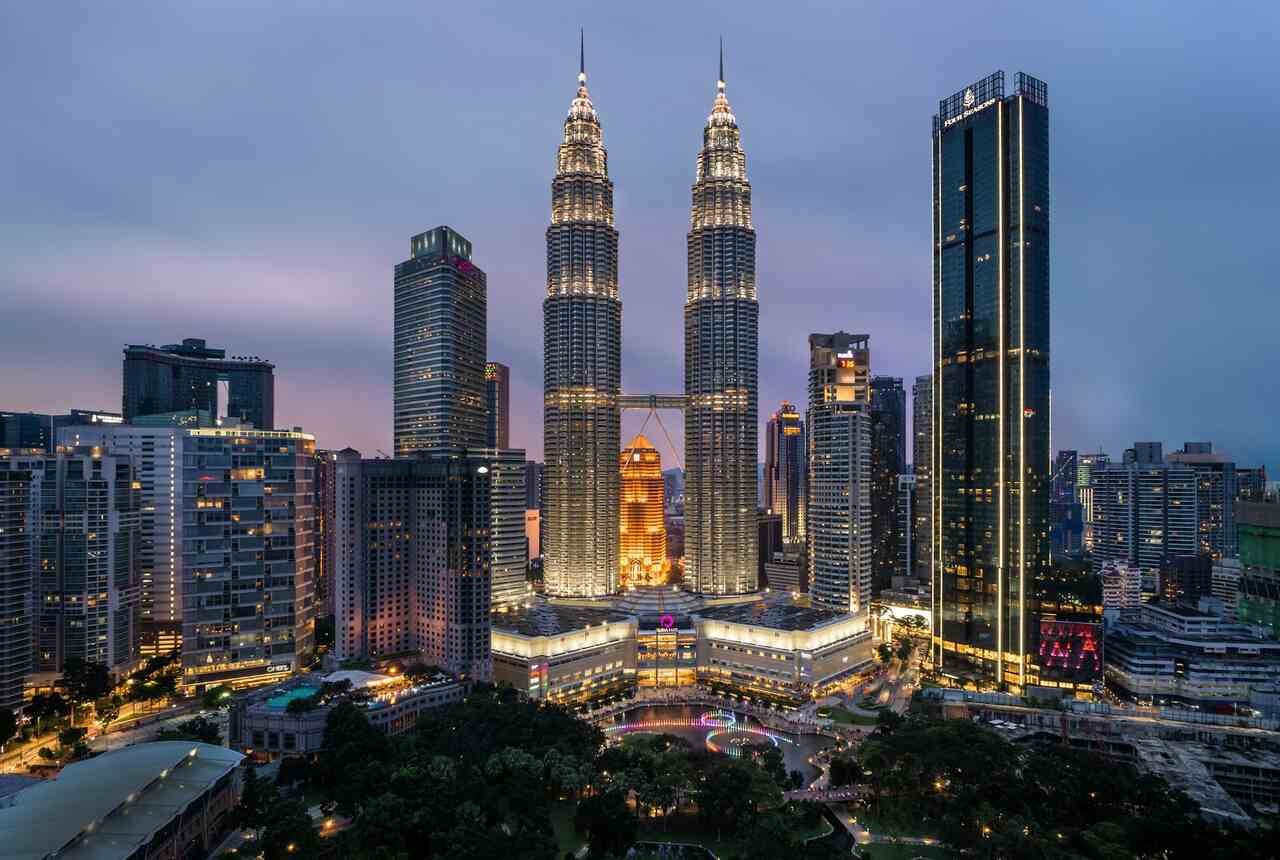
In the capital, Kuala Lumpur, visitors can take in iconic landmarks such as the Petronas Twin Towers, wander through vibrant shopping districts and sample local street food at Jalan Alor.
For those interested in history and culture, the 272 steps of Batu Caves offer a dramatic climb, while the centuries-old temples and mosques of Malacca and Penang reflect the country’s rich heritage. Nature remains a strong draw, with highlights including the 130-million-year-old Taman Negara rainforest, orangutans in Sepilok, the cool landscapes of the Cameron Highlands and elephant sanctuaries in Pahang.
Coastal destinations such as Langkawi,Kota Kinabalu and thePerhentian Islands continue to attract travellers for snorkelling, diving and seaside relaxation, while hotel resorts, generally combine retail outlets, live performances and gaming facilities, where promotional packages and casino sign up bonuses form part of commercial incentives.
Tourism Data, Connectivity and Regional Demand
Overall, Malaysia’s tourism performance in 2025 shows an upward trend. Between January and December 2025, the country recorded 42.2 million foreign visitors, an 11.2% increase compared with 2024. Of these, 63.1% were foreign visitors, and 26.61 million were classified as tourists.
Regional market
Singapore alone accounted for approximately 50% of total arrivals, generating over 21 million visits in 2025 and continues to be Malaysia’s largest source market due to strong land and air connections.
China (4.66 million) and Indonesia (4.27 million) followed as major contributors. Simplified visa procedures and increased flight availability have helped improve travel between these countries and Malaysia. Currently, Chinese tourists enjoy visa-free entry into Malaysia for up to 30 days. Thailand and Brunei completed the top five.
Long-haul market
Australia, the UK and the United States continue to show strong momentum. Earlier in 2025, the ministry announced that data for the January to May period indicated arrivals from Australia increased by 16.6% and from the United Kingdom by 8.7%, compared to the same period in 2024.
Visit Malaysia 2026 campaign
Malaysia is targeting 47 million international visitors in 2026. The Visit Malaysia 2026 campaign, launched in January 2025, demonstrates the country’s commitment to tourism, highlighting international promotion, product development and partnerships with tourism businesses in ASEAN countries, Europe, the United States, Central Asia, East Asia, Australia, India and the Middle East.
Authorities have scheduled over 300 events nationwide to sustain year-round demand, including state-level campaigns such as Visit Johor, Visit Melaka and Visit Selangor.
Medical tourism is another important priority. The Southeast Asian country promotes affordable healthcare services integrated with cultural and leisure experiences, particularly for visitors from Indonesia and other regional markets, while positioning itself as a halal-friendly destination for Gulf markets.
Meanwhile, the MICE segment contributes significant economic value through higher-spending visitors. Collaboration with the Malaysia Convention & Exhibition Bureau has helped position the country as a competitive regional destination for meetings and incentive travel, targeting Australia and key markets in Asia-Pacific.
Officials have said that the goal is not only to increase visitor numbers but also to encourage longer stays and higher-quality spending.
Creative Tourism Initiatives
Apart from large-scale campaigns, Malaysia is also investing in smaller creative projects that are reshaping its tourism storytelling.
The once-quiet back lanes in Kuala Kubu Bharu now feature colourful murals that celebrate local heritage and community life. Spanning 1 kilometre, the open-air Kuala Kubu Bharu Back Lane Art Gallery now showcasesnearly 100 mural panels and has become a popular photo spot for tourists and locals alike.
Another example is a poetry-led travel book narrated by cats, A Book of Poems: The Meowgical Tails of Malaysia. Supported by the Sarawak Ministry of Tourism, Creative Industry & Performing Arts and Tourism Pahang, the unconventional book introduces a new way to experience all 13 states and three Federal Territories in the country, whether through busy cities, street food at night markets, beautiful natural landscapes in ancient rainforests, islands and beaches, or heritage towns and festive celebrations.










Add comment