


 Yalinie Mathan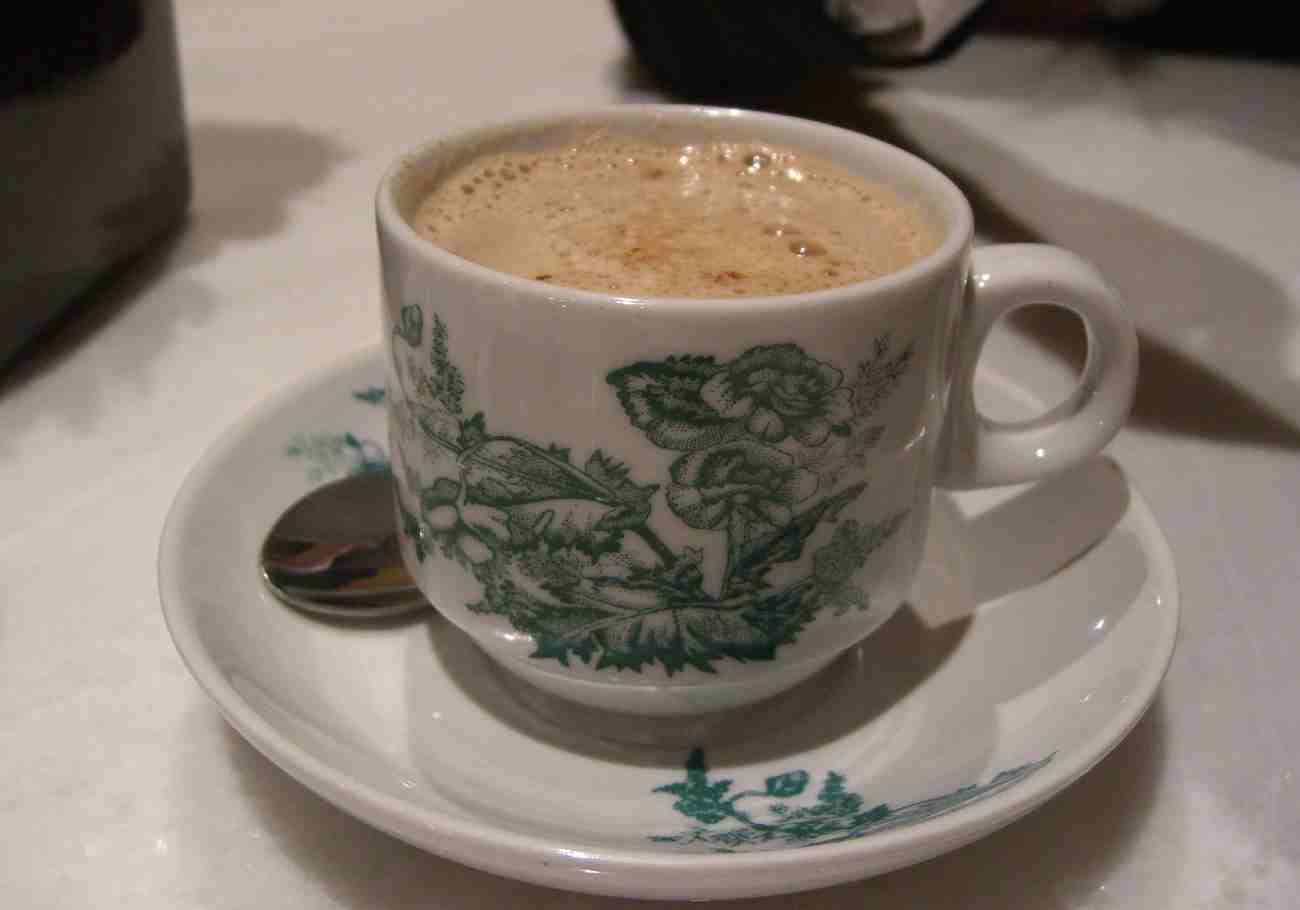
Every Malaysian has ordered Ipoh white coffee. Most have never questioned it. Look at the cup — it is a rich caramel brown, sweetened with condensed milk, fragrant with something you cannot quite name. So why do we call it white? And why has nobody corrected it in over a century?
The answer starts not in a kopitiam. It starts in a tin mine.
How tin miners created Malaysia’s most famous coffee

In the 19th century, Perak was the most valuable state in British Malaya. Tin drove the economy. British mining companies flooded into Ipoh, and thousands of Chinese migrants followed — most of them Hainanese, arriving during the late Qing dynasty in search of work and survival.
To do business with wealthy British mine owners, they forced themselves to drink Western coffee. It was bitter, acidic, and nothing like what they wanted. So they did what the Hainanese have always done — they went into the kitchen and fixed it.
They developed a slow-roasting technique using palm oil margarine instead of sugar or wheat used in dark roasts. Furthermore, they served it with sweetened condensed milk instead of sugar. The combination of Arabica, Robusta, and Liberica beans slow-roasted in margarine created something entirely new — a cup unlike anything else in colonial Malaya.
Much trial-and-error later, Ipoh white coffee was born.
So why is it called white coffee?

Here is the part most Malaysians get wrong.
The name comes from the literal translation of its Chinese name — 白咖啡, pronounced “kopi putih.” Chinese migrants introduced the term in the 19th century as a simple distinction from black coffee.
In other words, “white” refers to the condensed milk stirred into the brew — not the colour of the coffee itself, not the roasting technique, not the beans.
Ipoh white coffee is not white. It never was. The name is a translation, not a description. Over time it stuck, travelled, and became one of the most recognisable food names in Malaysia. Nobody corrected it because everyone already understood it.
The Kopitiam that started it all

In 1937, Hainanese immigrant Wong Poh Chew and his brother Wong Poh Ting opened Kedai Kopi Sin Yoon Loong at 15A Jalan Bandar Timah in Ipoh Old Town. It was here that the white coffee recipe was refined, standardised, and named.
The brothers conducted relentless experiments on roasting techniques until they achieved the perfect cup. When they finally got it right, they named their formulation “Ipoh White Coffee” — and the name took the city by storm.
Sin Yoon Loong is still open today. The recipe has not changed. The queue outside before its 6.30am opening has not shortened either.
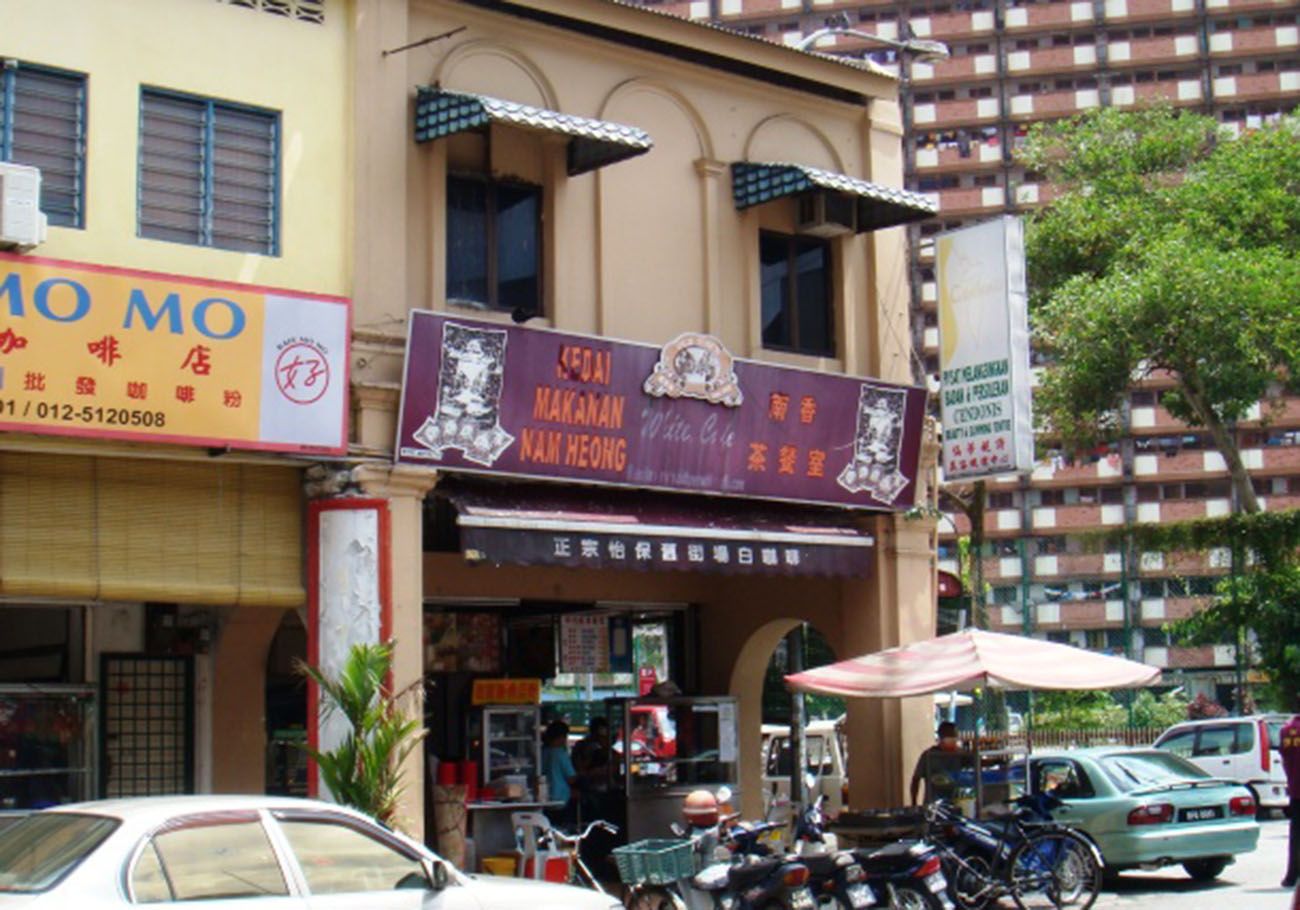
Meanwhile, directly across the road stands Nam Heong — another pioneer kopitiam with its own claim to Ipoh white coffee history.
Nam Heong is notably the coffee shop where Goh Ching Mun, who would later found OldTown White Coffee, worked from the age of 12. Both institutions remain essential addresses for anyone serious about the real thing.
From one Kopitiam to a RM1.47 billion brand
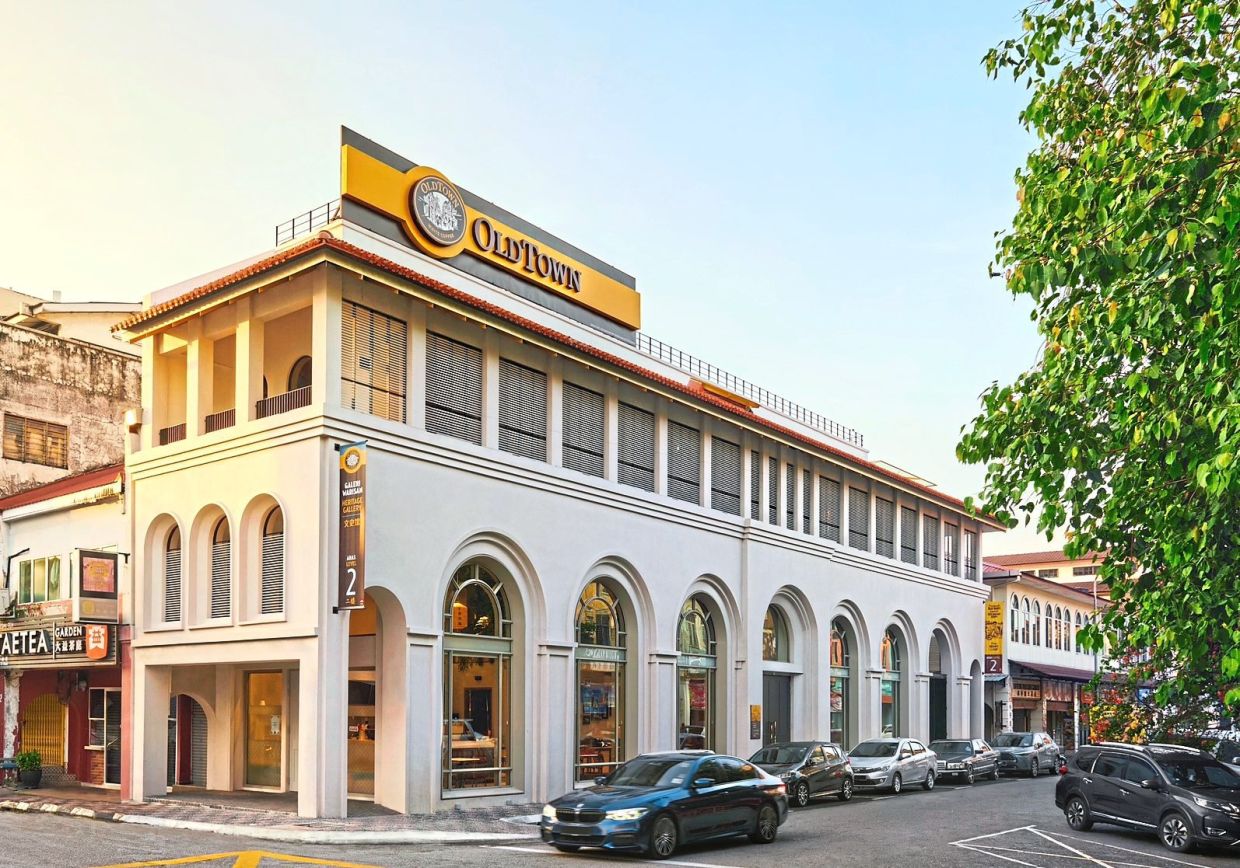
For decades, Ipoh white coffee remained a local secret. That changed in 1999 when Goh Ching Mun and childhood friend Tan Say Yap decided to bring the recipe to every Malaysian household.
Goh brought his family’s coffee heritage from Nam Heong. Tan brought 20 years of coffee manufacturing experience. Together with Lee Siew Heng, they founded OldTown White Coffee — starting with 3-in-1 instant premix packets before expanding into a café chain.
In December 2017, Dutch coffee giant Jacobs Douwe Egberts acquired OldTown Berhad for RM1.47 billion — one of the most remarkable exits in Malaysian franchise history. As a result, a recipe born in a colonial-era kopitiam now reaches consumers in 21 countries worldwide.
In 2024, Ipoh white coffee further cemented its global reputation by ranking 10th on TasteAtlas’ “Top 39 Coffees in the World” list — placing it alongside espresso, Turkish coffee, and Vietnamese coffee.
Where to drink the real thing
The instant version is convenient. The original is a different experience entirely.
Sin Yoon Loong — 15A Jalan Bandar Timah, Ipoh Old Town. Opens at 6.30am. Arrive before 8am to avoid the queue. Order it hot, pair with roti bakar and half-boiled eggs, and take your time.
Nam Heong — directly across the road. Another founding institution. Same heritage, slightly different character. Worth trying both in one morning.


 Admin
Admin





Add comment