


 Sashidaran Gunathevan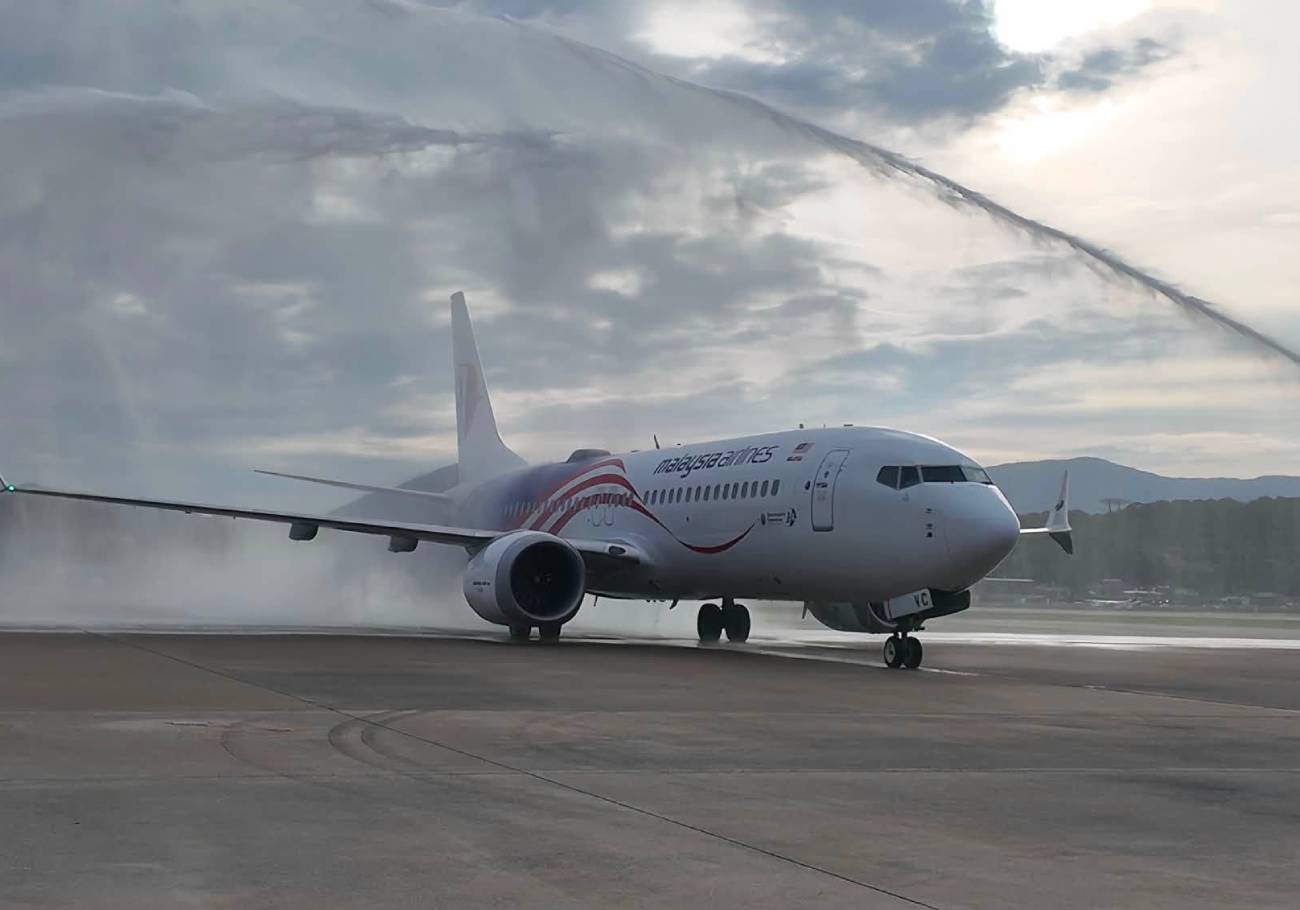
Malaysia Airlines has started flying direct to Fukuoka again. The service resumed on 2 September, nearly 20 years after the airline last flew the route in 2006. A water cannon salute marked the return at Fukuoka International Airport.
Representatives from Malaysia Aviation Group, the Malaysian and Japanese governments, and Fukuoka International Airport Co attended the ceremony. It made Fukuoka the airline’s third destination in Japan, joining Tokyo and Osaka.
The timing lines up with a wider push. Malaysia Airlines is offering up to 30% off base fares under a MATTA Fair campaign, but only for bookings made by 14 September.
A route that skips two decades

Twenty years is a long gap for any air route to sit dormant. MAG president and group CEO Captain Nasaruddin A Bakar called the resumption a chance to offer a seamless non-stop experience, free of the transit that indirect routes require.
The route also comes with a shared-flight deal with Japan Airlines. That opens up more than just Fukuoka, linking to JAL’s wider domestic network in Japan.
Through that deal, travellers can reach cities including Sapporo, Kagoshima, Miyazaki, Kochi, Matsuyama, Tokushima, Amami, Izumo and Yakushima. For anyone wanting more than Japan’s usual tourist spots, Fukuoka now works as a real doorway, not just a stop.
That matters for a specific kind of traveller. Someone wanting to explore Kyushu previously needed to transit through Tokyo or Osaka first. This route removes that extra leg entirely.
Part of a bigger Malaysia Airlines East Asia push
Fukuoka’s return is not an isolated move. Malaysia Airlines is also launching new direct routes to Shenzhen and Changsha in China from July 2026, bringing its China network to nine gateways in total.
Demand data backs the expansion. Nasaruddin said the airline’s existing Japan routes recorded a load factor of around 90% in the first quarter of 2026, a sign of strong and sustained travel demand between the two countries.
There is a business reason for Fukuoka too, not just tourism. Nasaruddin pointed to Kyushu’s strong chip industry as one factor behind the route’s return, alongside holiday travel demand.
MAG chief commercial officer Dersenish Aresandiran said the airline is increasing frequencies elsewhere as well, including Brisbane, Manila and Colombo.
Between the new Japan and China routes and these added frequencies, Malaysia Airlines is betting on regional connectivity growing well beyond a single new destination


 Yalinie Mathan
 Maran Perianen






Add comment