

 Yalinie Mathan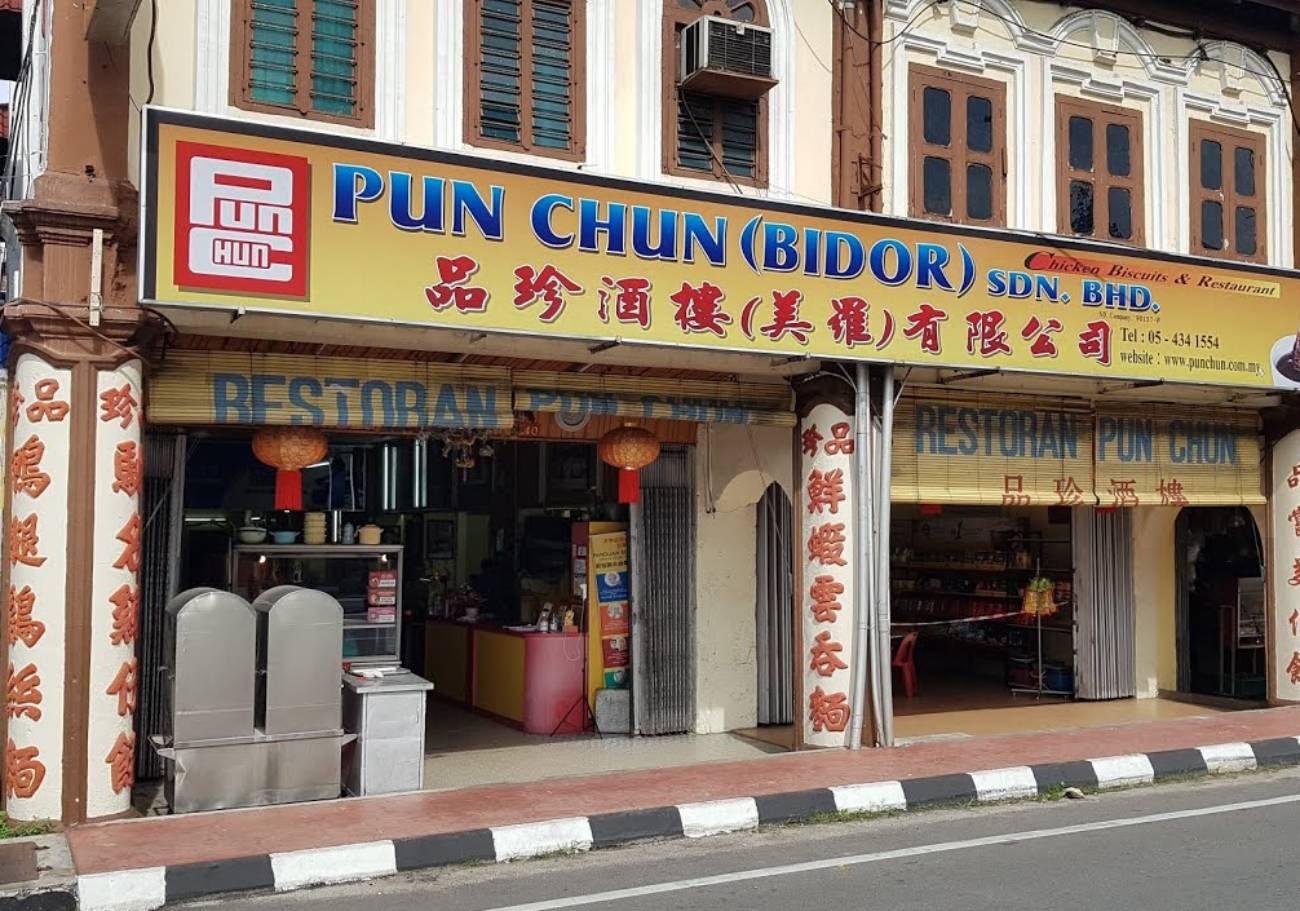
Most drivers know Bidor for one thing: the exit for fuel and duck noodles. They pull off the North-South Expressway, eat, then turn straight back onto the highway. Few realise the town itself, just past that exit, holds far more history than a quick pit stop suggests.
The stop itself has real pedigree. Pun Chun Restaurant, now in its third generation, has served travellers on this route for close to 90 years. Even former Singapore prime minister Lee Hsien Loong once mentioned eating wantan mee there as a child. It happened on family trips to Cameron Highlands.
Past that exit, though, is a town most visitors never see.
Bidor: A river town older than colonial Malaya
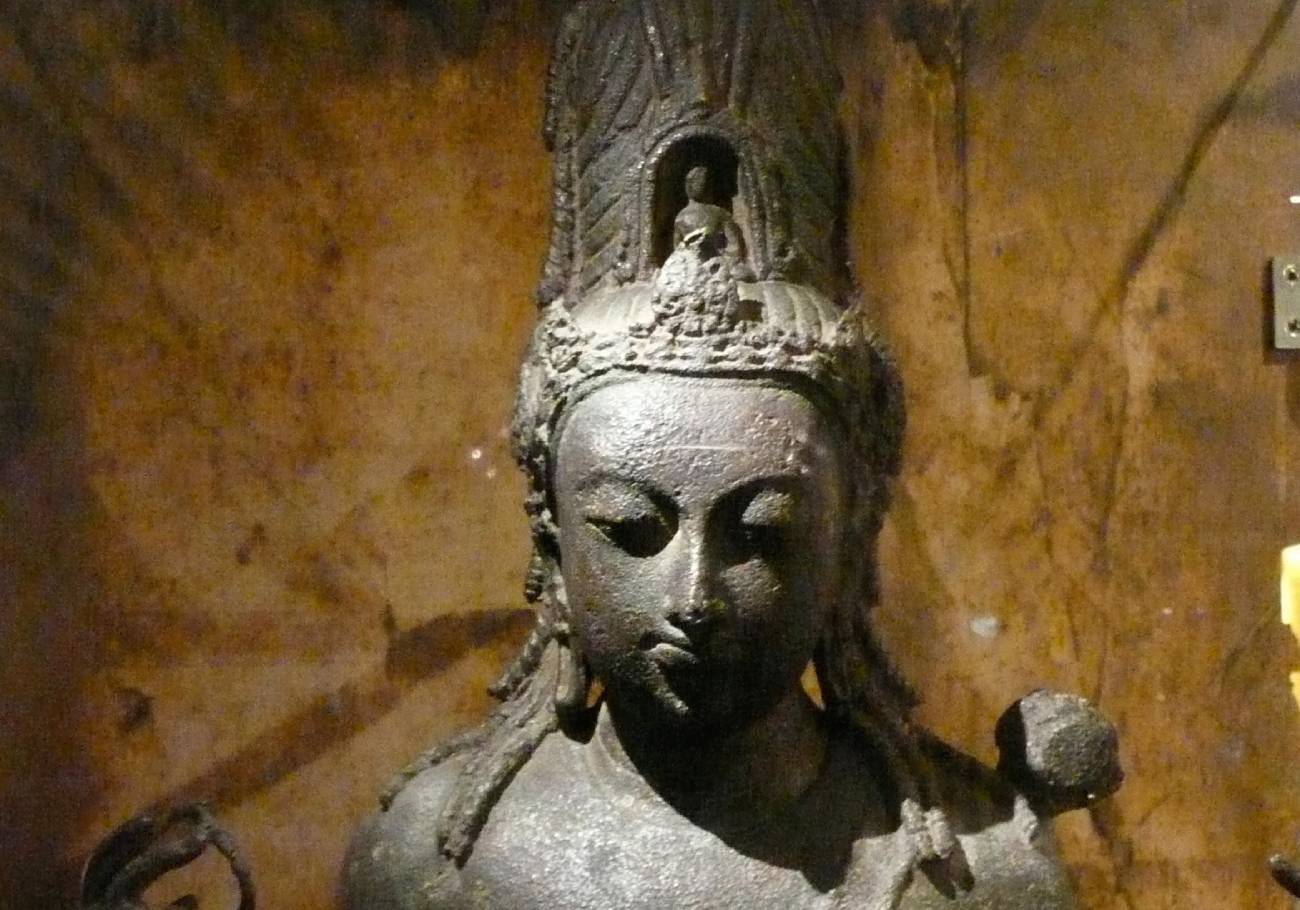
Bidor’s history stretches back further than its founding as a village. Historians believe the area once formed part of the ancient Gangga Negara kingdom, based on artefacts uncovered locally. The clearest evidence surfaced in 1935. A bronze Avalokitesvara statue, dating to the 8th or 9th century, was found in Bidor that year.
That find suggests people in the area practised Hindu-Buddhism roughly 900 years ago. It places Bidor among the oldest known settled areas in Malaysia. That predates even Malacca’s founding, which usually shapes the region’s better-known historical narrative.
Centuries later, the town took shape as a riverside village. Founder Syeikh Abdul Ghani became its first headman after establishing the settlement. Goods moved by sampan along the Bidor River toward Teluk Intan from there.
The town carries a Chinese name too: Mei Loh. Locals have used it for generations, a marker of Bidor’s layered identity that predates every chapter that came after.
Tin, then the Emergency, reshaped it twice more
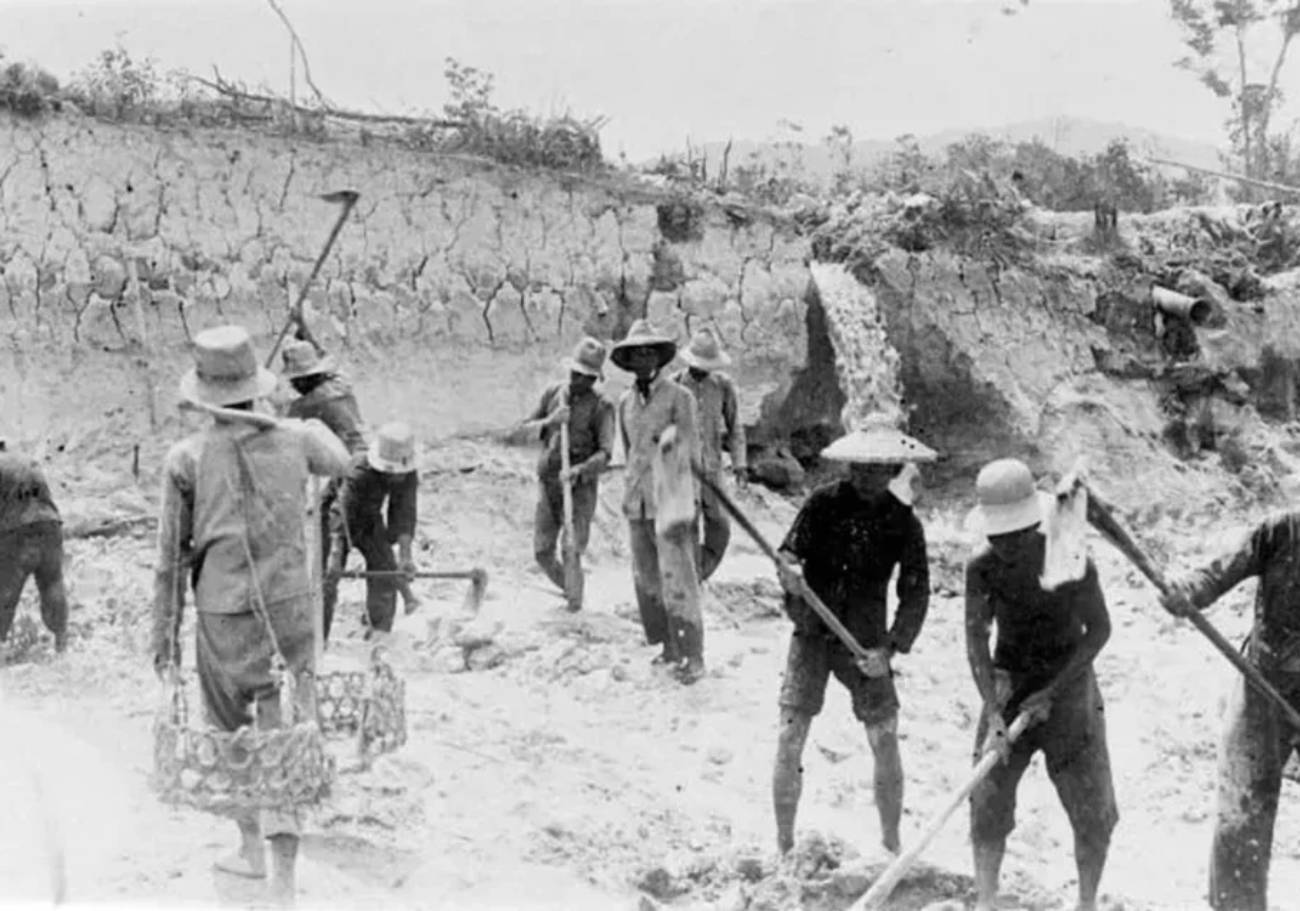
Perak’s tin-mining boom reshaped the town next. Hoklo-speaking Chinese immigrants arrived from Teluk Intan. Hakka and Cantonese communities came too, from the Kinta Valley and Hulu Selangor. Many were fleeing civil wars and clan conflicts tied to the tin trade elsewhere in the state.
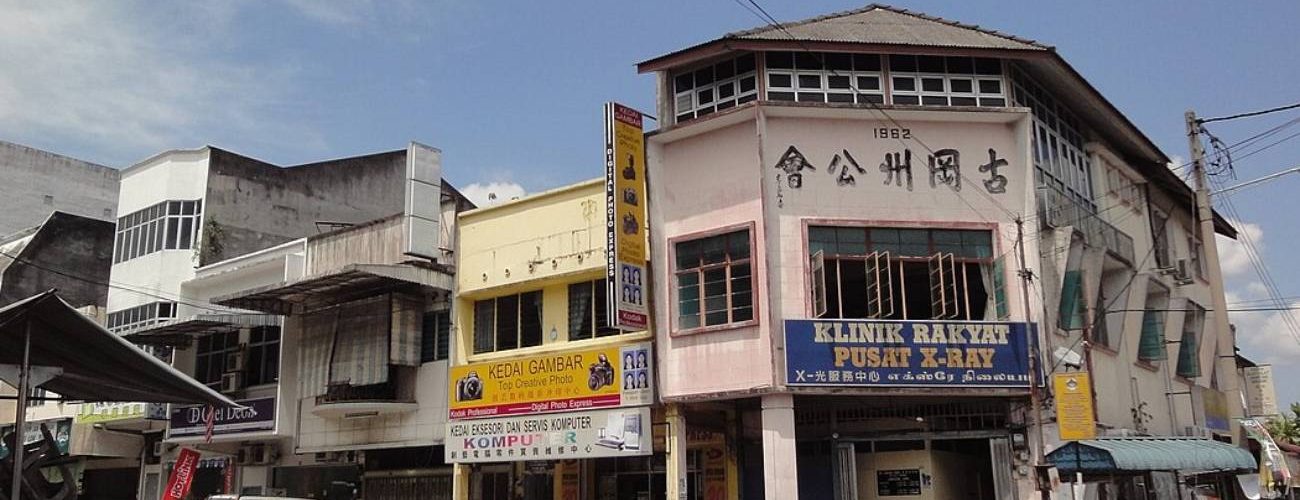
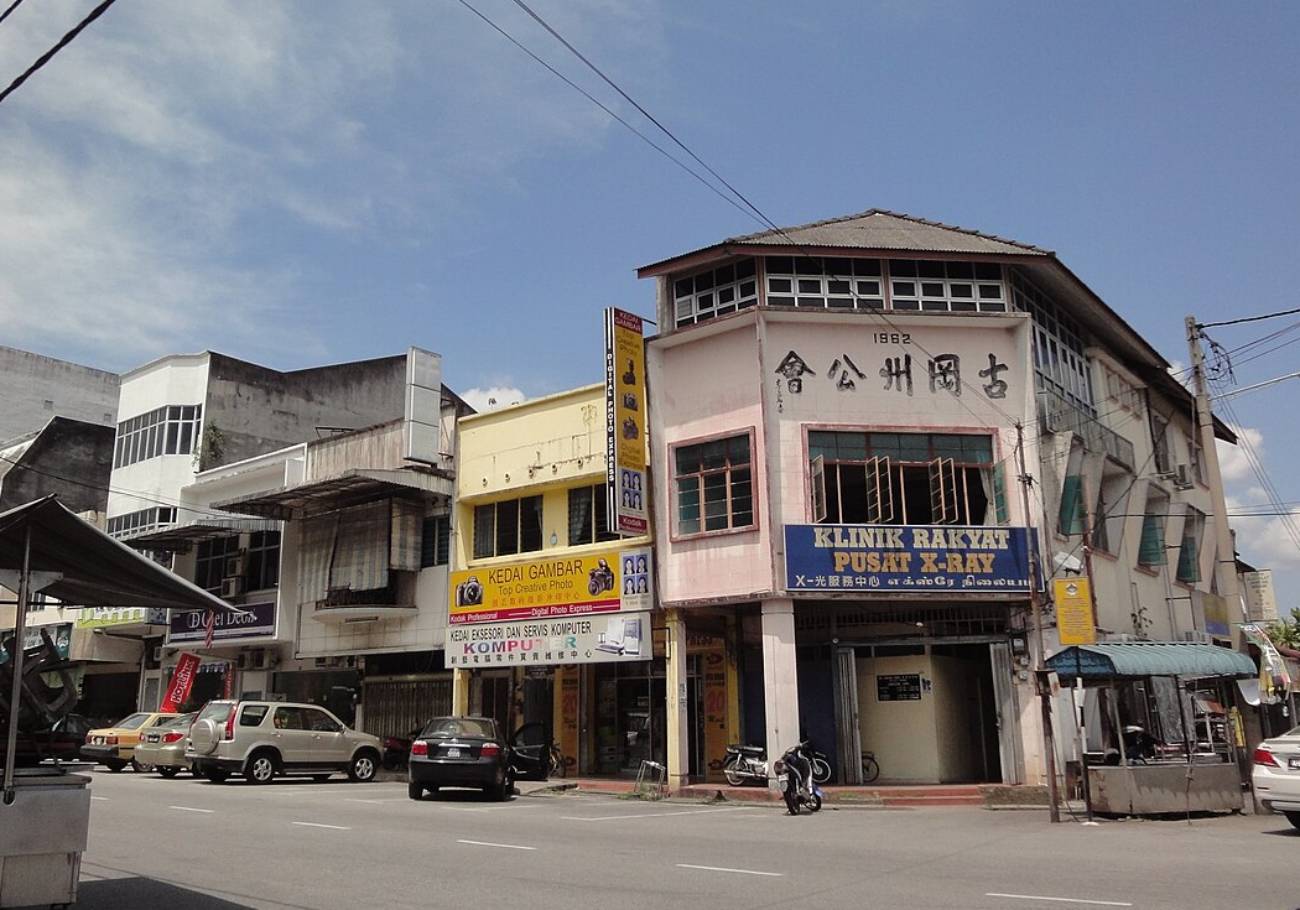
That influx built the row of pre-war shophouses that still lines Bidor’s main road today. Walk that stretch and the tin-era architecture is immediately visible, largely untouched by the decades since.
The Malayan Emergency added a third layer of history a generation later. Colonial authorities resettled rural Chinese communities into fenced New Villages between 1950 and 1952. The goal was cutting off support for communist insurgents. Bidor was one of them.
That New Village still exists today, though most visitors never go there. It functions largely as a residential area for the local population. That keeps it separate from the old town along the main road, which is what travellers actually see.
The land tin left behind
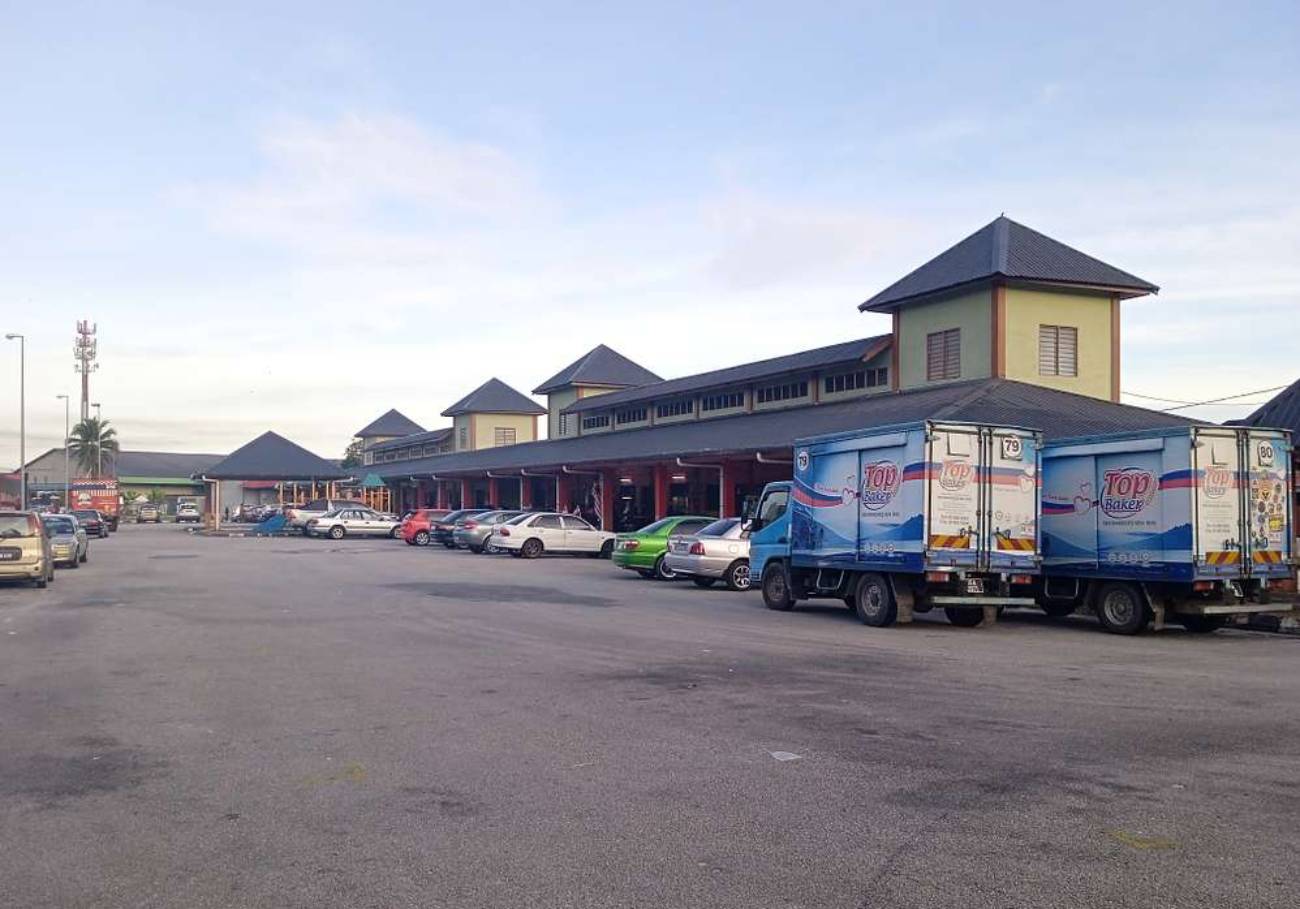
Tin mining left more than shophouses and New Villages behind, though. It also left degraded land, stripped of vegetation by decades of extraction.
That land is why FRIM chose Bidor for one of its field research stations. The station was set up in 1996, on 121.4 hectares of former tin tailings.
The station’s entire purpose is rehabilitating exactly that kind of ground, using pioneer tree species suited to poor soil. In a real sense, Bidor is still living with the tin boom that built it.
For decades, Bidor’s development moved slowly compared to nearby Ipoh or Tapah. That has started to change. Bandar Baru Bidor, a 226-acre leasehold township, is now under way on the edge of town.
Taman Impiana Bidor sits nearby, an integrated township just minutes from both the Bidor and Sungkai toll plazas. It brings retail shops, schools and clinics within easy reach of new residents.
Taman Wirajaya Bidor adds a third development to the mix. It is built around low-density living and spacious family homes, rather than dense terraces. Together, these projects mark Bidor’s first real residential expansion in years.
Drivers pulling off for duck noodles rarely learn any of this. The bronze statue, the New Village, the shophouses, the research station, and now these new townships all sit close by. All of it is within a few minutes of that exit. Most people just never make it past the restaurant car park.

 Admin
Admin






Add comment