

 Saminathan Munisamy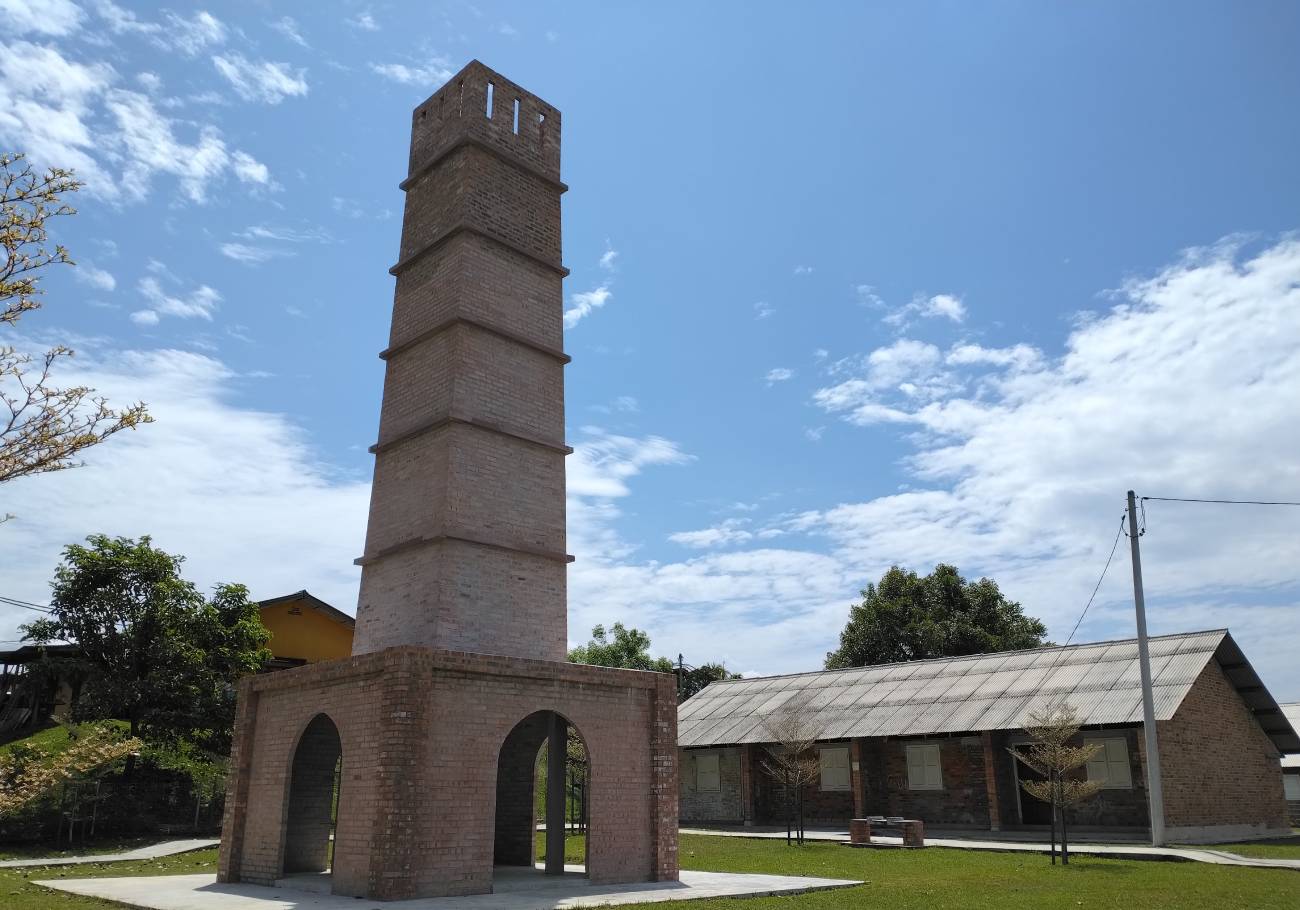
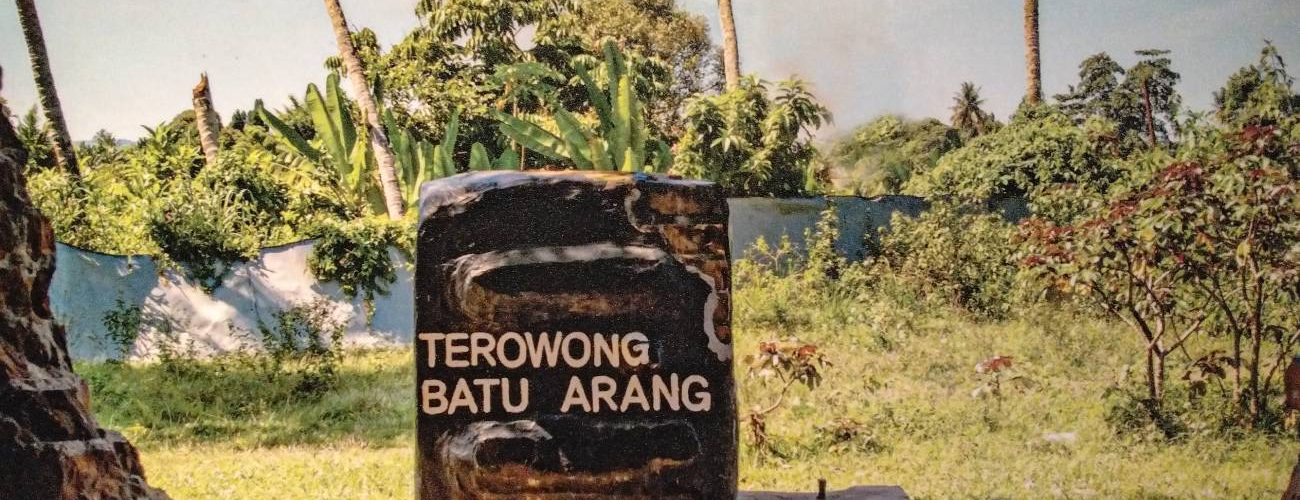
Somewhere beneath the quiet streets of Batu Arang lies a hollow — a vast network of tunnels stretching 330 metres underground, carved by thousands of men who powered a nation and were largely forgotten by it.
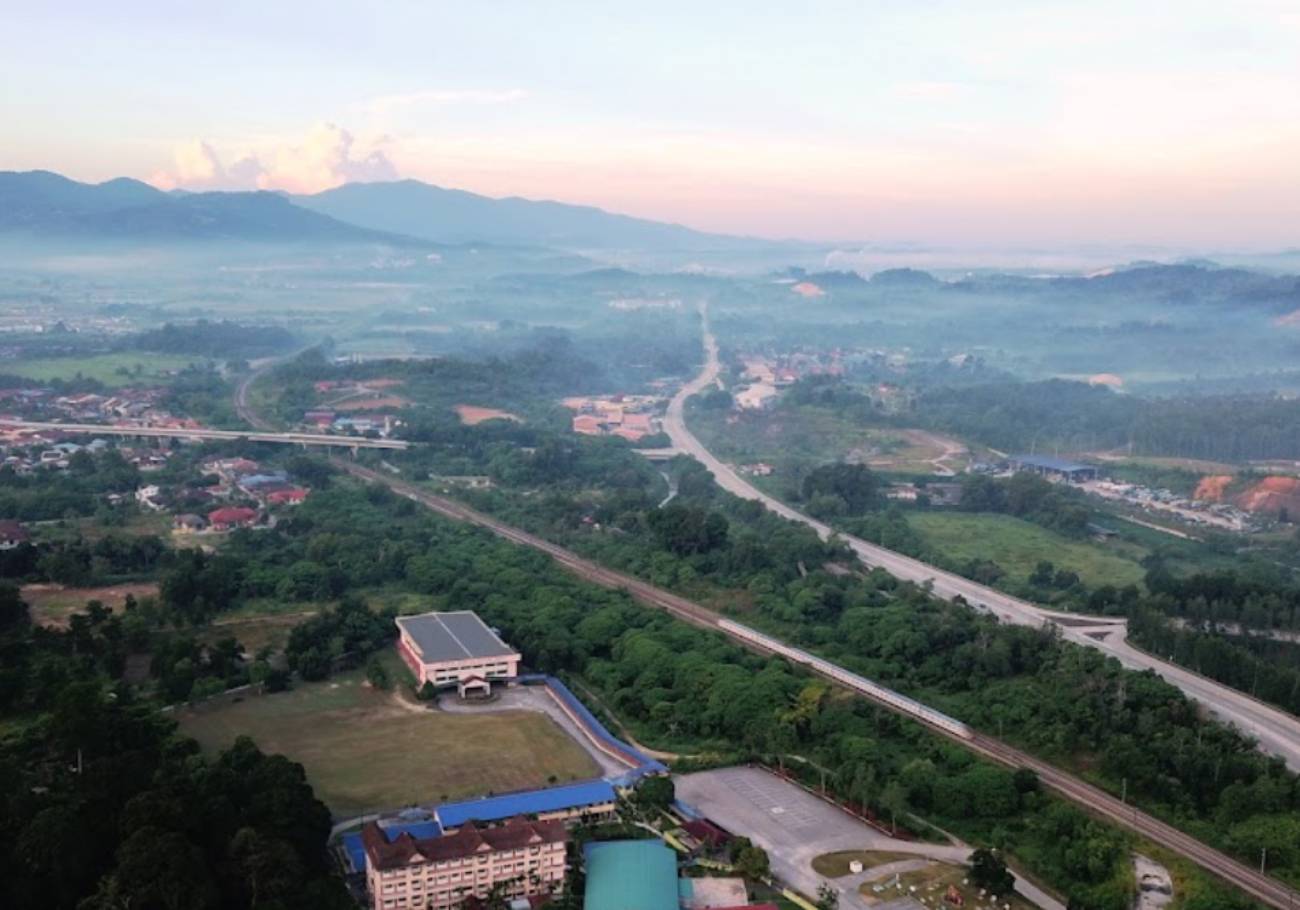
The coal is gone. The miners are gone. But the town they built, 45 kilometres northwest of Kuala Lumpur, is still standing. And it is finally, cautiously, beginning to tell its own story.
Galeri Batu Arang is a welcome start. Housed in a converted workers’ dormitory — the same barracks where Chinese and Indian labourers once slept between punishing underground shifts — the gallery displays photographs, mining artefacts, and the quiet pride of a community holding on to what remains.
But the full story of Batu Arang is bigger, and far more turbulent, than any heritage plaque has yet acknowledged.
How Batu Arang powered British Malaya
Coal was discovered in Batu Arang in 1908 by Haji Abdul Hadi. Within years, British national John Archibald Russell had founded Malayan Collieries Ltd.
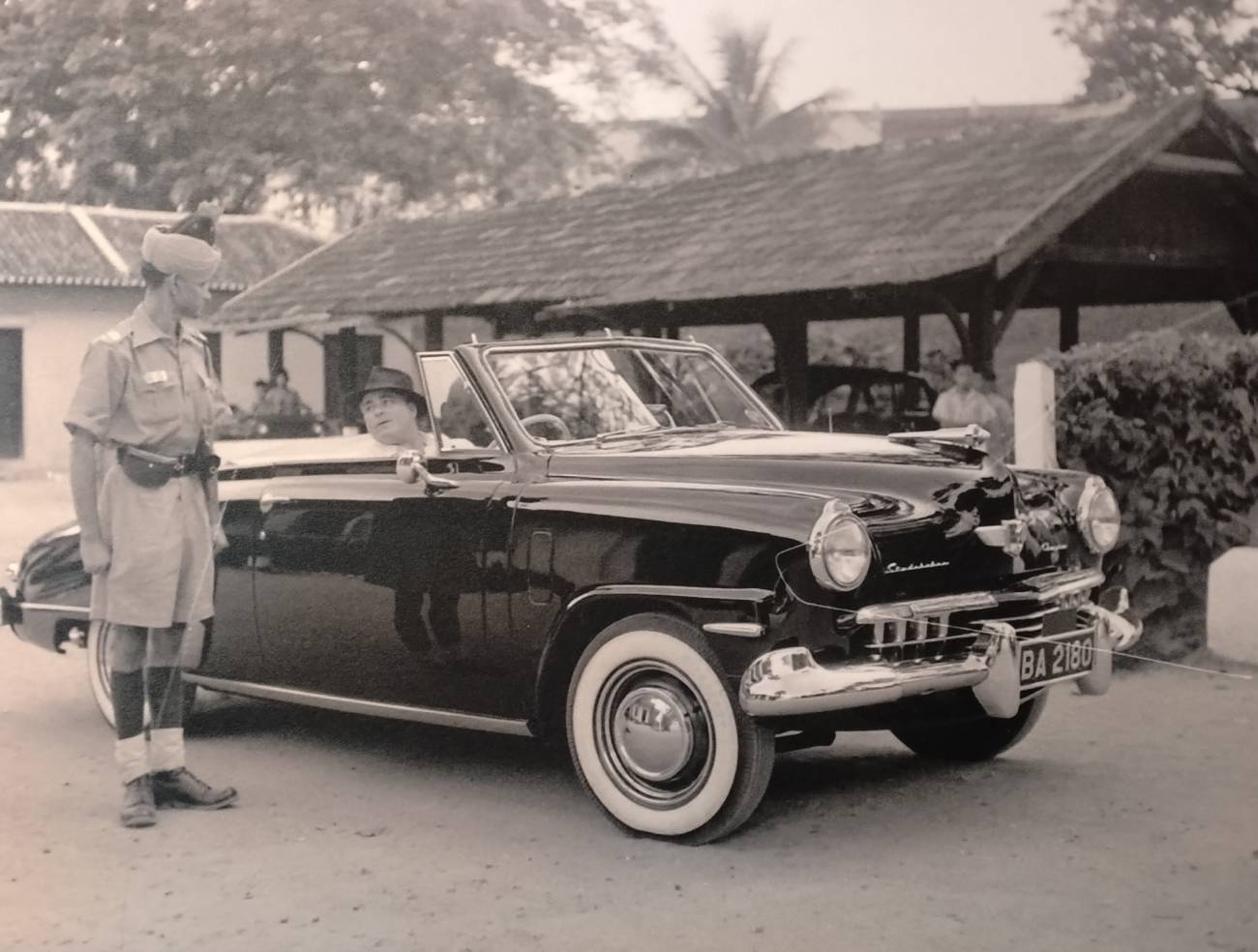
By the 1930s, the town had become the second most populous settlement in Selangor — 12,000 people, its own railway line, an airstrip, European bungalows, and recreational clubs.
More than 6,000 men worked daily in three shifts. Their coal powered Kuala Lumpur’s early electricity supply, fuelled the railways, and drove the tin mines that made Malaya wealthy.
By 1916, Batu Arang coal was supplying two of the largest European tin mines on the peninsula.
The underground tunnels they left behind stretch across the entire town — which is why, to this day, no high-rise can be built here. Batu Arang sits on a hollow foundation of its own past.
The workers’ Soviet that history almost erased
This is where the official narrative tends to go quiet.
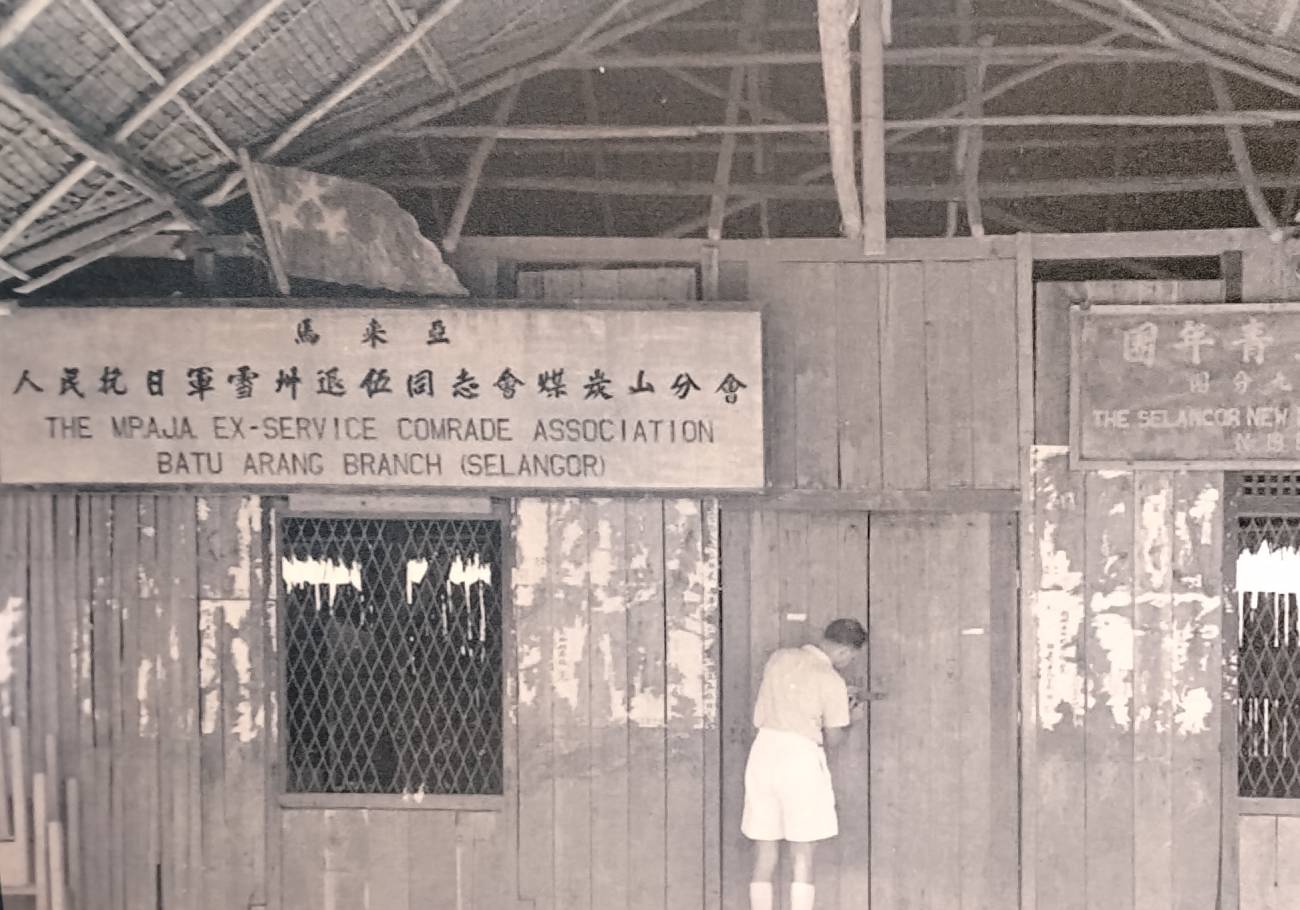
The miners were employed on contract, underpaid, and subjected to brutal conditions. They were mostly Chinese and Indian migrants — united not by language or ethnicity, but by shared exploitation. And they organised.
Guided by the Communist Party of Malaya and the Malayan General Labour Union, the Batu Arang miners built one of the most powerful worker movements in colonial Southeast Asia. In November 1936, they struck. In March 1937, they struck again — in far greater numbers.
On 24 March 1937, between 5,000 and 7,000 workers seized control of the colliery and the town itself. They declared their own Soviet government — the first communist Soviet in the history of modern Malaysia and Singapore.
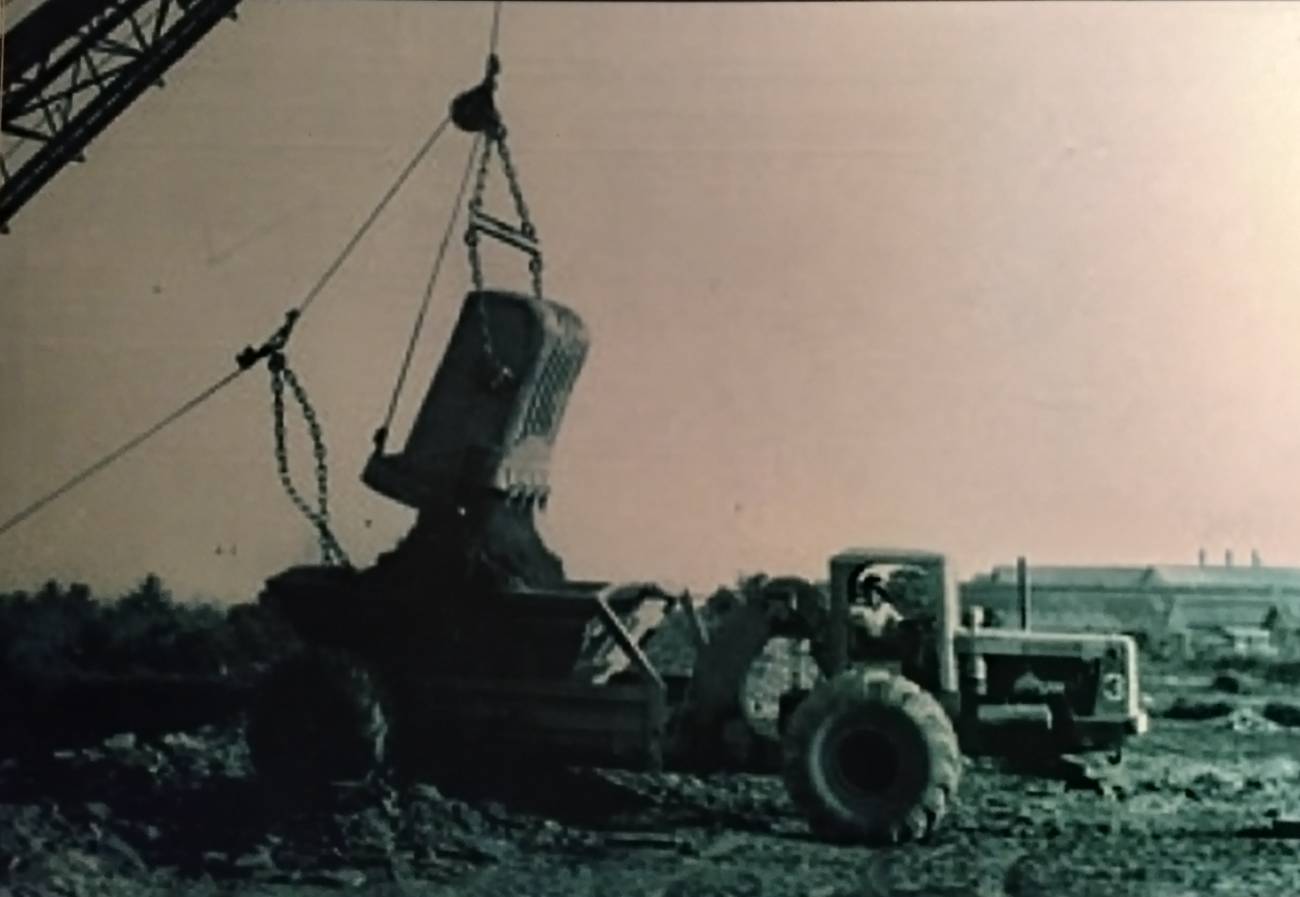
For seven days, the workers ruled Batu Arang.
The British response was swift. High Commissioner Shenton Thomas sent 250 policemen and 200 Malay Regiment soldiers. By 2 April, the Soviet was crushed.
But the movement did not die. A major strike in January 1947 lasted until March and won meaningful concessions.
SA Ganapathy, president of the Pan Malayan Federation of Trade Unions and a regular visitor to Batu Arang during this period, was later arrested and hanged by the British in 1949.
None of this appears prominently in the current gallery.
What came after — and what Batu Arang still deserves
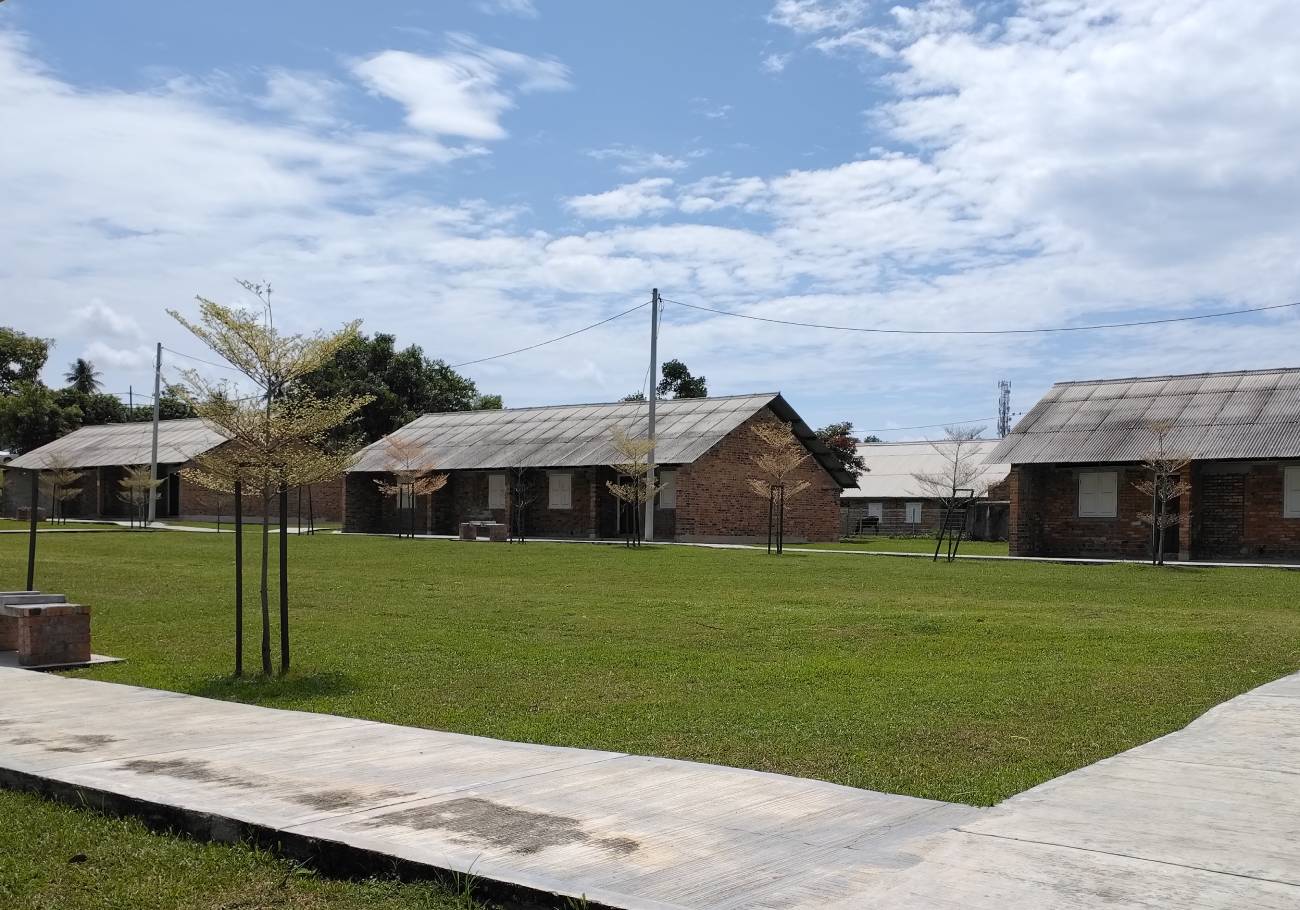
The Japanese seized Batu Arang in 1942. Control of the mines meant control of energy — and energy sustained the occupation.
When the British returned after Japan’s surrender in 1945, they found the mines damaged by improper wartime extraction, flooding, and fire. Petroleum was also beginning to displace coal. On 30 January 1960, the mine closed permanently.
Workers left. Buildings crumbled. The coal ponds filled with water. The railway line from Kuang was dismantled. Batu Arang became a quiet, forgotten town — one that had fuelled a nation and received little in return.
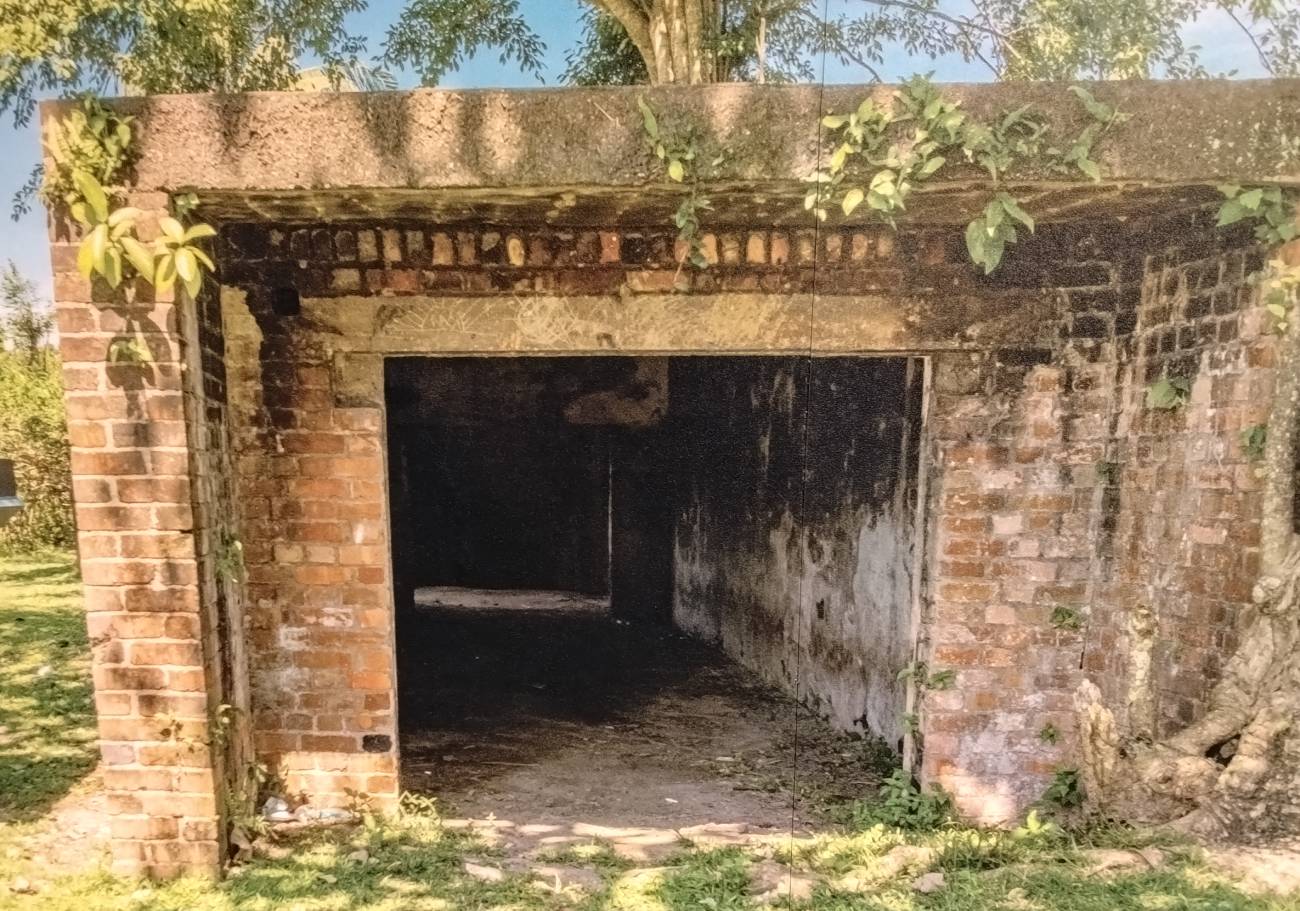
In 2011, the Selangor state government declared it a heritage town. A 22-site heritage trail now exists, and the town forms part of the Gombak-Hulu Langat Geopark, with UNESCO Global Geopark recognition targeted for 2028.
Galeri Batu Arang — guided by local historian Orangzeeb Yusoffe, known as Pak Jabar — is the community’s own effort to keep memory alive.
That effort deserves support. But the geopark narrative has so far presented Batu Arang mostly as a geological and industrial curiosity.
It has not fully confronted the human story beneath the rock: the Soviet, the union struggles, the occupation, the lives shaped and ended by coal.
Recognition should mean the full story — not just the safe parts.
Galeri Batu Arang is in Batu Arang, Gombak, Selangor — about 45 minutes from Kuala Lumpur via the LATAR Expressway.

 Sashidaran Gunathevan
 Admin
Admin
 Yalinie Mathan



Add comment