


 Yalinie Mathan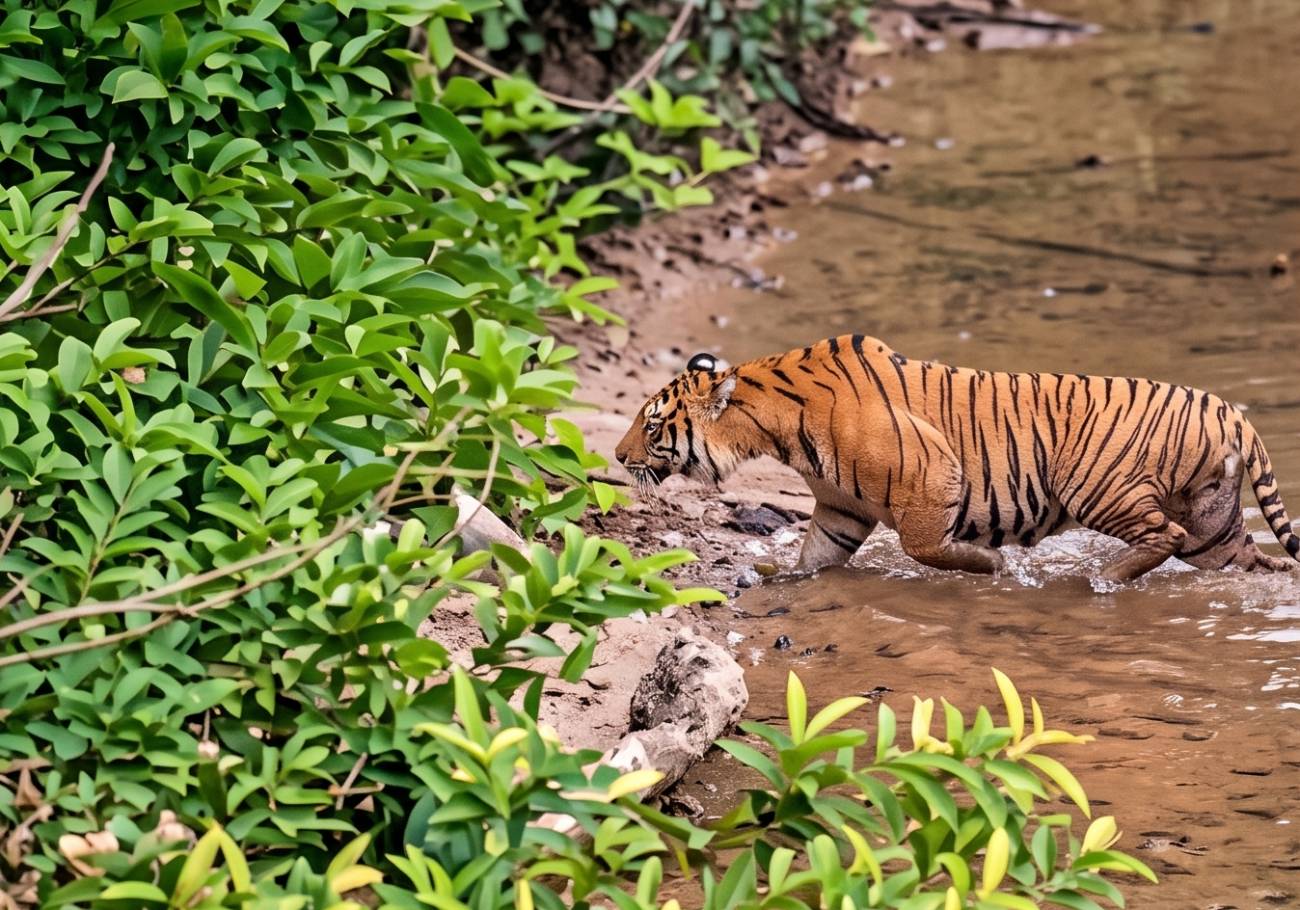
Perak wildlife officers will capture or move a Malayan tiger only if it threatens public safety. Perak Perhilitan director Dr Pazil Abdul Patah gave the policy on 7 October. It follows several sightings and a fatal attack in the state this year.
The statement lands as the government says the Malayan tiger population is rising from fewer than 150. However, no new national count has backed that claim yet. Officials say updated figures will come.
Here is what Perhilitan says and what Perak recorded this year. We also look at the numbers and at Budget 2027.
Perhilitan’s rule for problem tigers
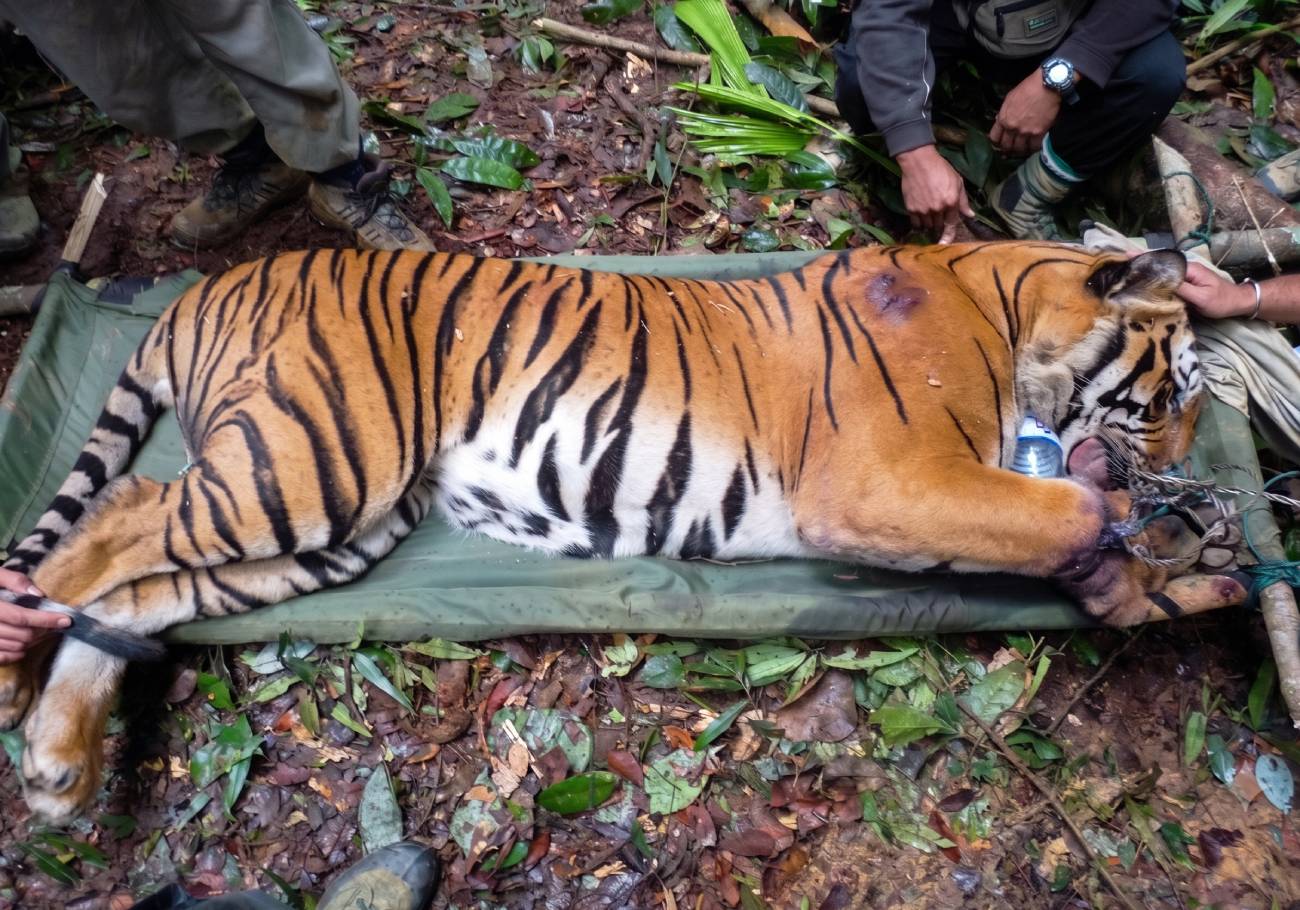
Pazil told Bernama that officers will act only after an assessment. In particular, they will weigh the tiger’s behaviour and how often it is seen. They will also check its distance from homes. They will also check its movements and any signs of attacks on people or livestock.
If the threat is “clear and continuing”, he said, Perhilitan will act. The action will be “based on technical assessments in the field”.
In addition, Pazil said sightings near settlements do not necessarily mean the forest is shrinking. He listed prey supply, habitat conditions, human disturbance, development, land use and natural movement. Tigers may turn up near villages by chance along forest edges or corridors.
For residents in high-risk areas, the department advises caution. Do not go out alone in the early morning or late evening. Do not provoke a tiger, and leave handling to Perhilitan.
Malayan tiger: What Perak recorded this year

Bernama’s report lists five incidents or sightings in Perak from January to October. On 10 January, a roar was reported in Proton City, Tanjung Malim. On 14 July, an image was captured in Bukit Bangkong, Chemor.
On 22 July, a tigress was captured in Hulu Kinta. The report does not say what happened to her afterwards. Then on 21 September, a fatal attack happened in Pos Perwor, Sungai Siput.
Eight days later, on 29 September, footprints turned up at Kem Sultan Nazrin Shah, 69 Commando, in Ulu Kinta. The report does not link these incidents to one animal.
Meanwhile, Perhilitan also tracks prey such as barking deer, deer and wild boar in main forest reserves. It uses camera traps, field surveys and population data. Complaints get checked on location, time, physical evidence and the current situation.
What the numbers and the Budget say

First, on 24 July, Natural Resources and Environmental Sustainability Minister Datuk Seri Arthur Joseph Kurup called progress “encouraging”. He compared today with a baseline of fewer than 150 tigers. Xinhua repeated the claim on 30 September but gave no new number.
The strongest recent figure is local. The Star reported an estimated 10 to 13 tigers in Pahang, including cubs and juveniles. They live in the Al-Sultan Abdullah Royal Tiger Reserve, which covers 134,183 hectares and borders Taman Negara Pahang.
That count comes from camera traps used since 2023. However, the report said it is “still too early to conclude” whether numbers have risen significantly. It is the reserve’s first baseline, not a national total.
Finally, Budget 2027 adds money. Anwar Ibrahim said RM15 million from palm oil cess will go to conservation. Priority goes to habitats of the Malayan tiger, Bornean elephant and orang utan. If you live near a forest edge, follow Perhilitan’s advice.


 C. Khor
 Maran Perianen
 Sashidaran Gunathevan





Add comment