

 Maran Perianen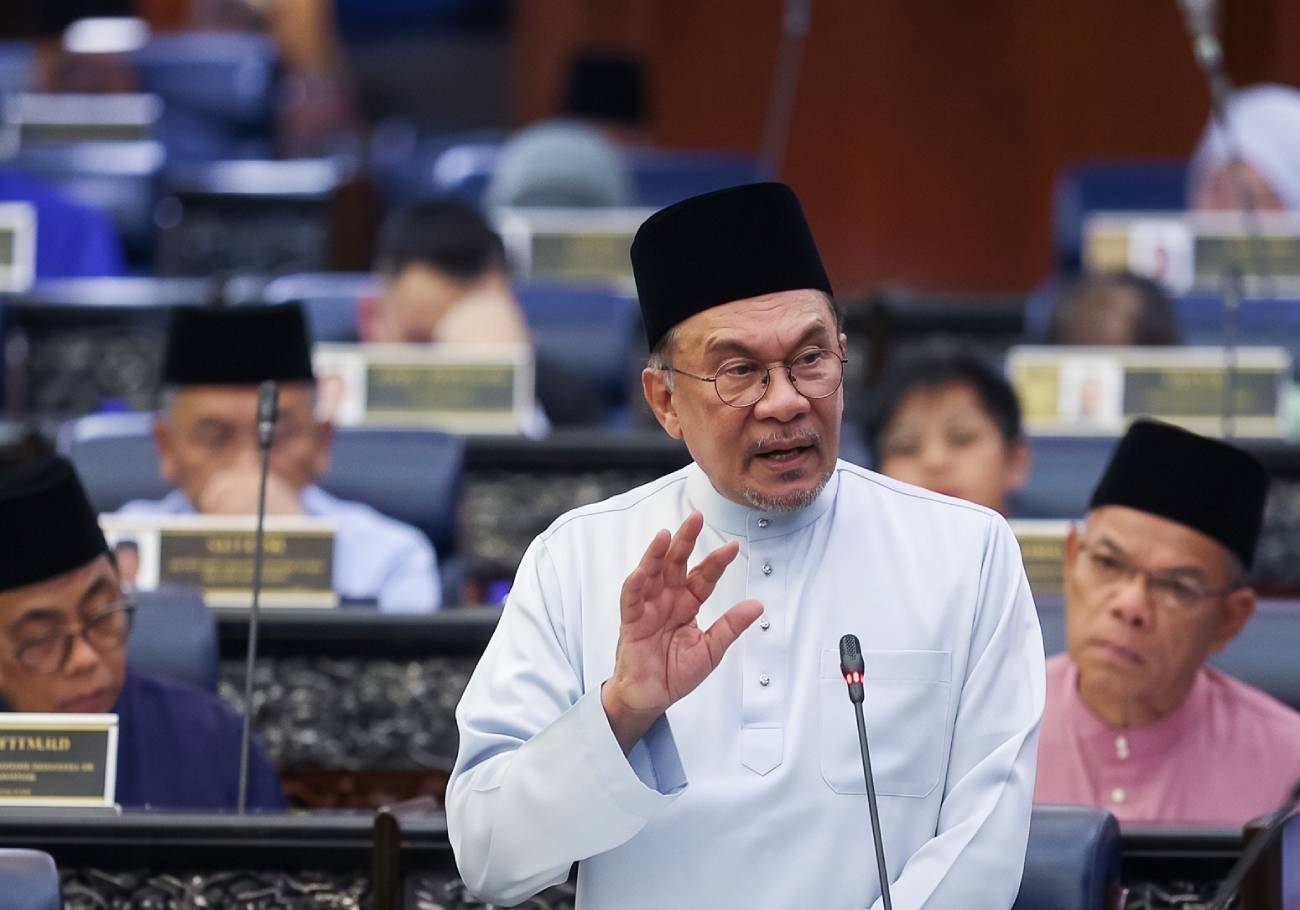
Prime Minister Anwar Ibrahim said Johor Bahru traffic must be tackled immediately. He tabled Budget 2027 on Friday, 9 October. The government has agreed to make the Elevated Autonomous Rapid Transit (e-ART) system the main solution.
Before the RTS Link opens, the government will add local bus routes. It will also run buses and KTM Komuter trains more often, and provide Grab shuttles in busy areas. Anwar gave no numbers for any of these steps.
Here is what the speech promises, what e-ART is and how far it has come. We also cover what commuters can expect before the RTS Link opens next February.
What the Budget promises Johor Bahru
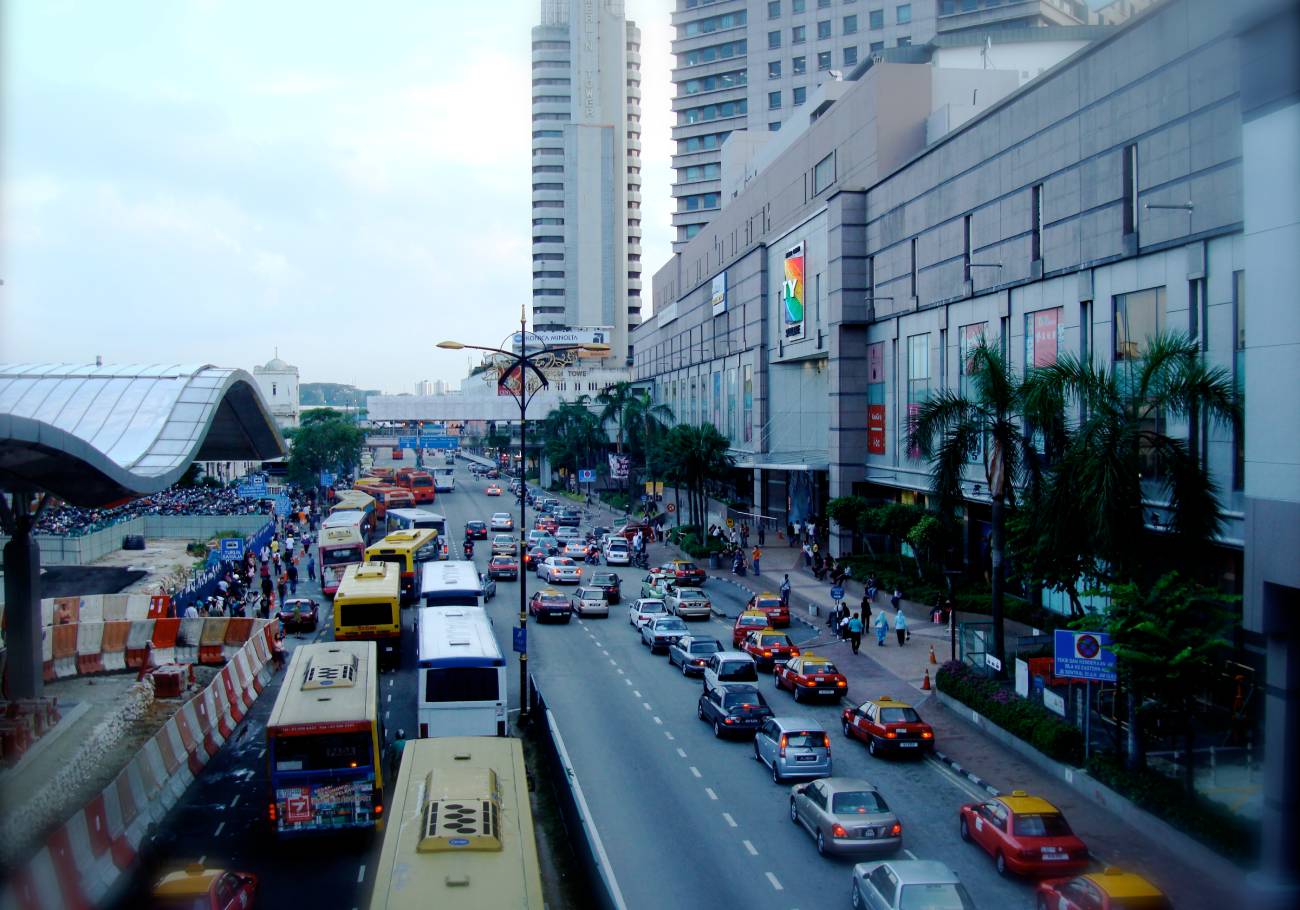
Anwar said the government “has agreed to implement the e-ART as the main solution”, Malay Mail reported. The speech came with three short-term steps for the months before the RTS Link opens.
First, the government will add local bus routes. Second, it will run buses and KTM Komuter trains more frequently. Third, it will provide Grab shuttle services in busy areas.
However, the speech named no routes, trip counts or shuttle areas. It also gave no cost for the short-term steps. For now, commuters cannot tell which roads or stations will see change first.
The speech also gave no opening date for the RTS Link. Malay Mail reported a 2 October statement from both governments. It expects passenger service to begin in February 2027.
What e-ART is and where it stands
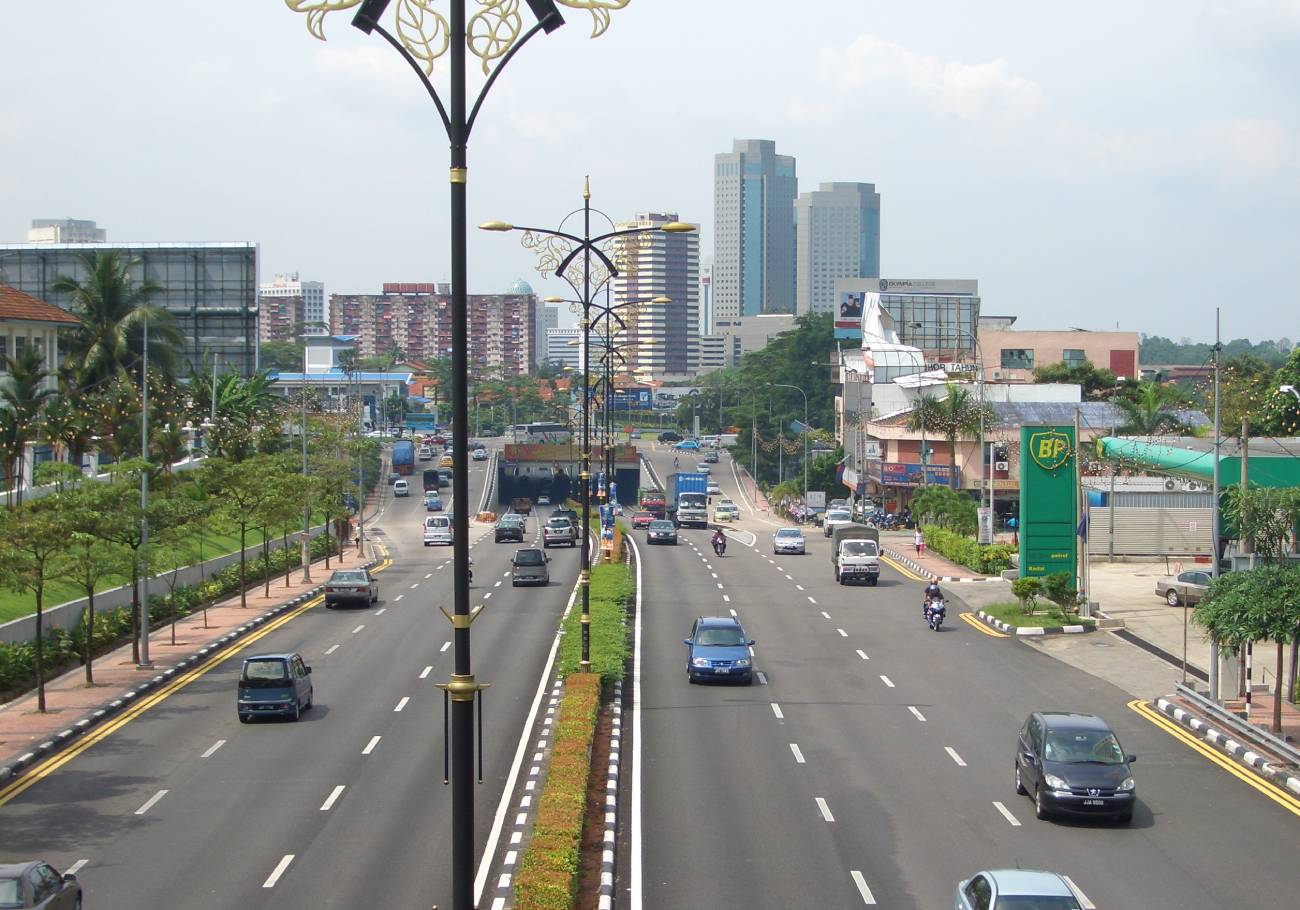
The e-ART is not new. Cabinet approved the RM10 billion project on 17 May, The Star reported. Transport Minister Anthony Loke said the government needed time to review it because the sum is large.
As of July, the deal was not final. The Edge Malaysia reported that financing, the government’s commitment and the repayment terms were still under negotiation. The terms must return to Cabinet before anyone signs a concession agreement.
A consortium holds the letter of intent, The Edge reported. Its members are DOM Industries, MMC Engineering, BTS Group Holdings and Nylex. Loke said private funding alone is “not viable”, so the federal government will help pay.
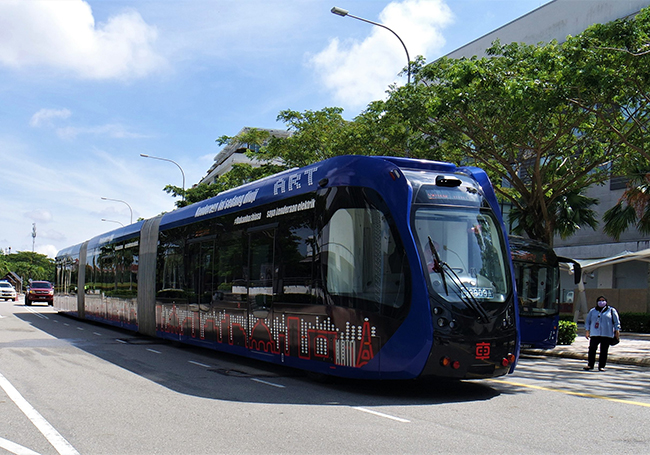
Malay Mail described e-ART as a “trackless smart tram” on three corridors: Skudai, Tebrau and Iskandar Puteri. The project should finish within four years of the letter of acceptance, Loke said. So e-ART is years away.
Buses and trains before the RTS Link
That gap explains the plan for Johor Bahru traffic in the meantime. Loke said this week that the government will extend BAS.MY Johor Bahru for five years from 2027, Paultan reported. The contract is not final, but it includes 230 new buses.
Planned stops include UTM, Terminal Tiram, Johor Jaya, Eco Tropics and Mall of Medini. On main routes, buses should come every 15 to 20 minutes. Feeder buses should come every 20 to 30 minutes.
In July, Loke gave a different plan. It had 254 buses on 28 routes, and 16 dedicated bus lanes. The two sets of figures come from different dates, so the final fleet size is unclear.
Loke said the RTS Link’s physical works will finish on 31 December, with testing until then. The exact opening date needs approval from both countries. If you commute in Johor Bahru, wait for the final bus routes and RTS Link date. Then plan your trips.


 Yalinie Mathan
 Sashidaran Gunathevan
 C. Khor



Add comment