


 CJMY
CJMY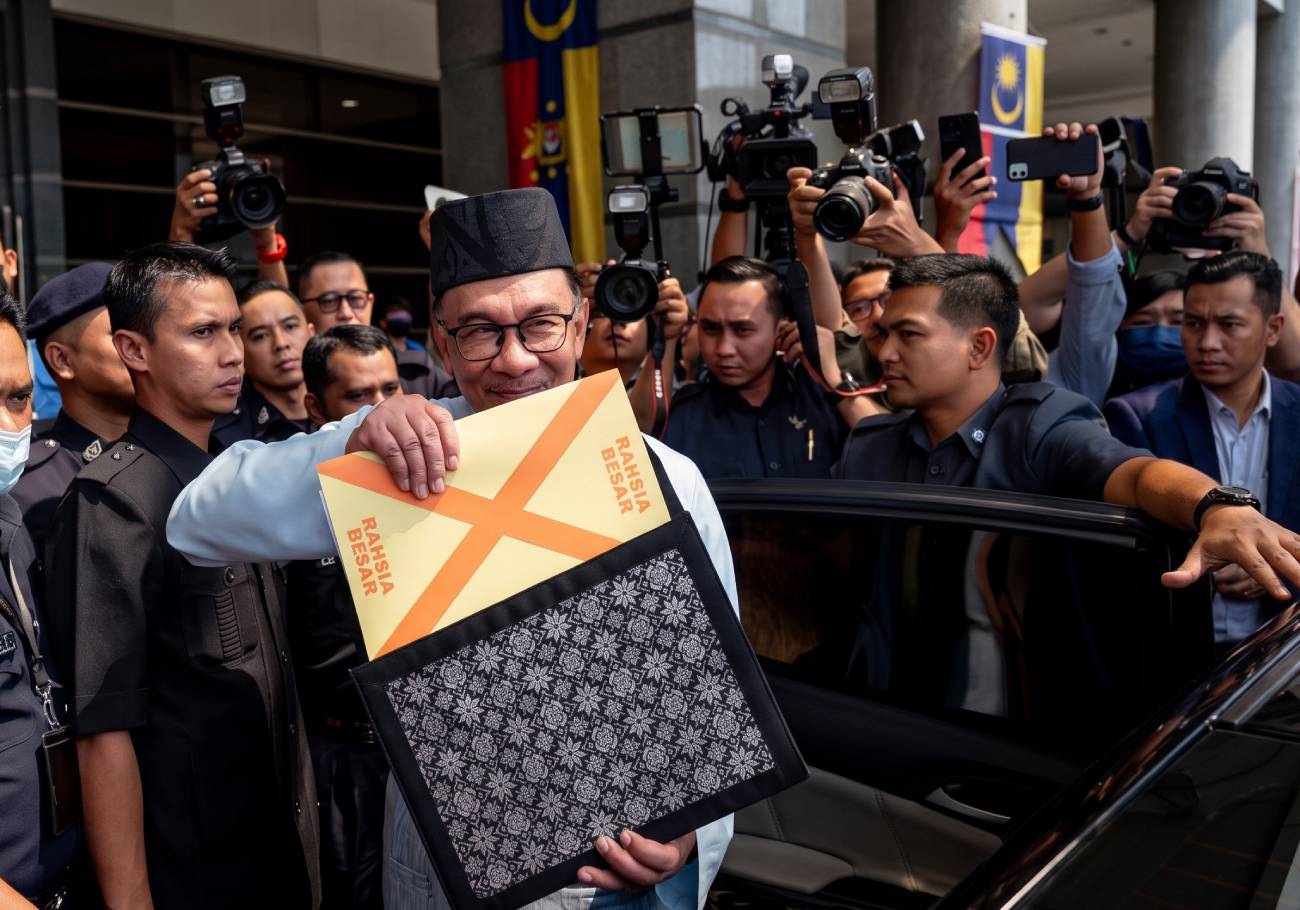
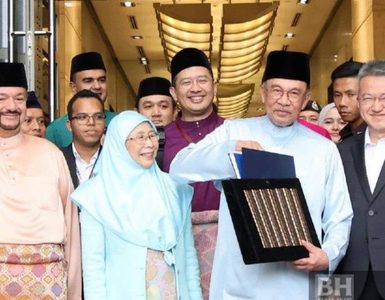
Budget 2027 income tax changes aim to leave more money with middle-income earners. Prime Minister Anwar Ibrahim said on Friday, 9 October that individual tax relief will rise from RM9,000 to RM12,000. He also announced a one percentage point cut in two tax rates.
Anwar said the measures would give up to RM1,600 in extra disposable income to about five million taxpayers. He said the government hears the concerns of the middle-income group, who are “squeezed by the cost of living”.
The reports leave out several details, including the start date and the old rates. Here is what changed, who saves how much by our own arithmetic, and what to watch next.
Budget 2027: What changed in income tax
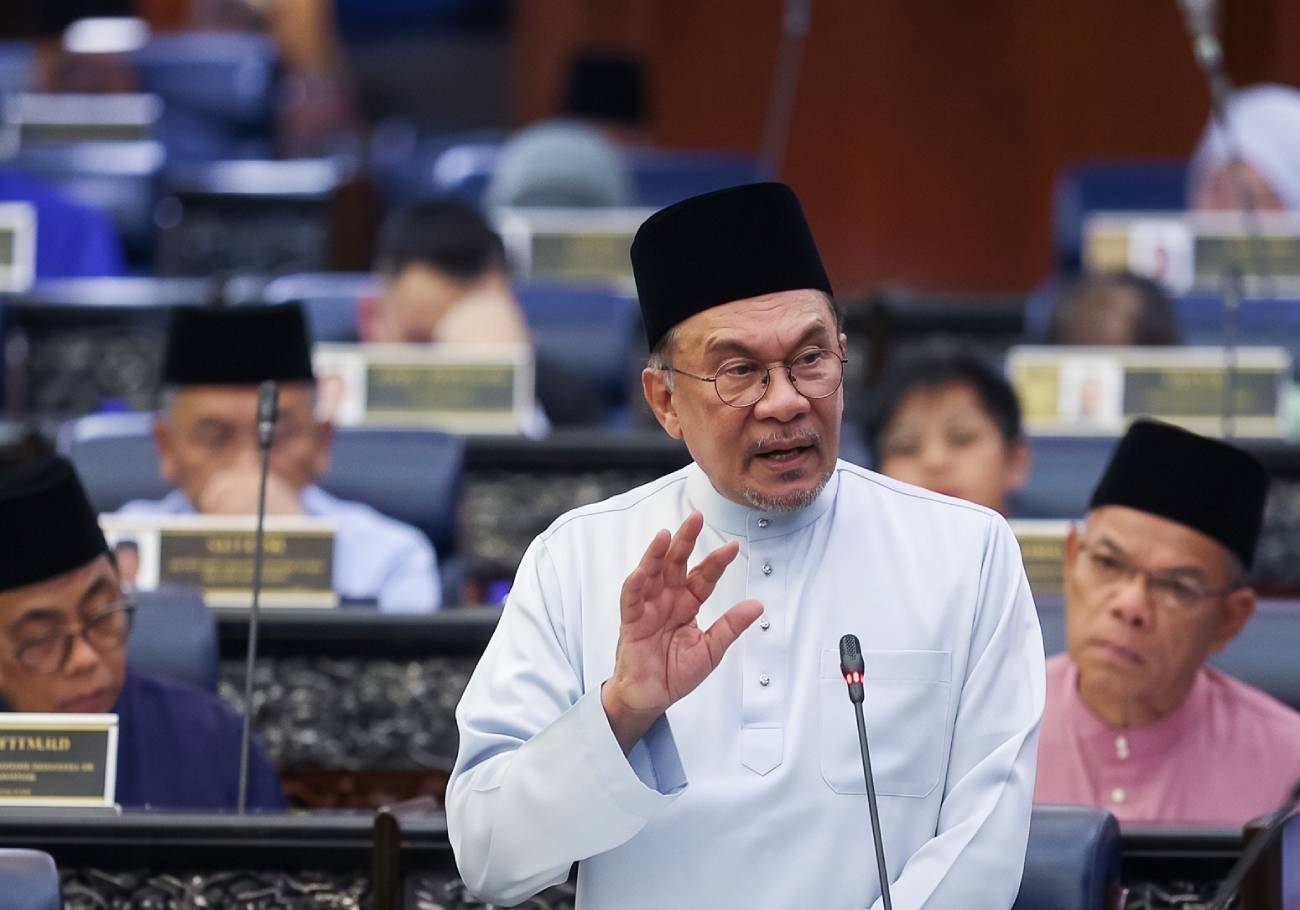
The personal relief limit rises from RM9,000 to RM12,000. Several reports, including Scoop, said the old limit had stayed the same since 2010. That makes this the first revision in 16 years.
Two tax bands also get a cut of one percentage point for resident individuals. The rate on chargeable income from RM70,001 to RM100,000 falls to 18 per cent. For RM100,001 to RM150,000, it falls to 24 per cent.
The reports do not state the old rates. They do not state the year of assessment when the changes start. In addition, they do not give the cost of the measures to government revenue. Treat the changes as announced, not yet in force.
For taxable income above RM1 million, The Star reported that the rate will be “adjusted” to 30 per cent. The reports give no old rate. Also, a band rate applies only to income inside that band, not to all of a person’s income.
Who saves how much in Budget 2027
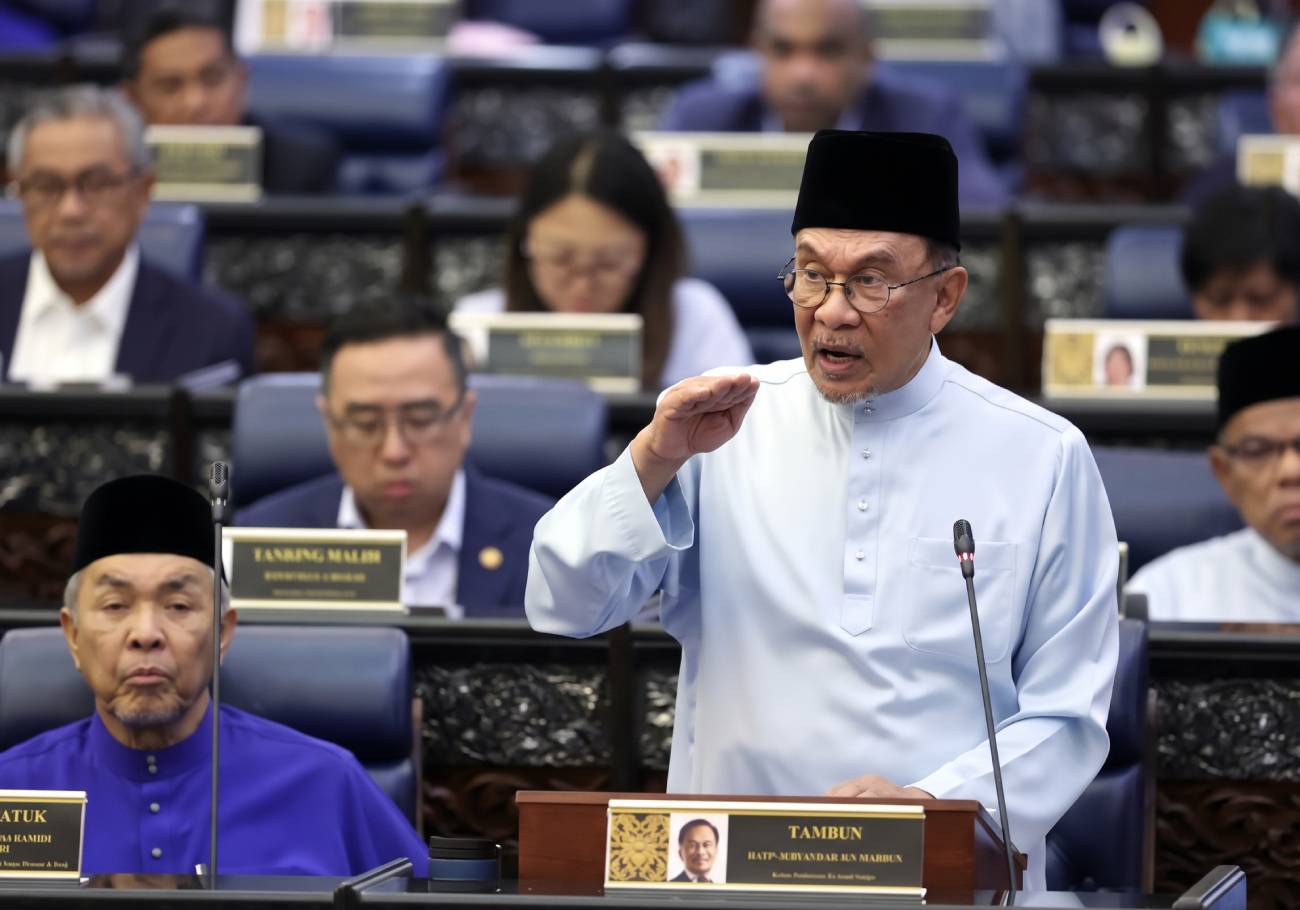
Anwar’s “up to RM1,600” figure comes without a worked example in any report we read. So we ran a rough check of how the Budget 2027 income tax changes play out. It assumes each cut applies to the whole band, as the reports describe. It also assumes no other changes.
Take someone with RM80,000 in chargeable income. The relief is a deduction from chargeable income, not a cash payment. Here, the extra RM3,000 relief saves RM540 at the new 18 per cent rate. The one-point cut saves another RM100 on the RM10,000 above RM70,000. The total is about RM640.
At RM100,000, the extra relief again saves RM540. The rate cut applies to the full RM30,000 band and saves RM300. The total is about RM840. At RM150,000, the relief saves RM720 at 24 per cent, and the rate cuts save RM800. The total is about RM1,520.
That last figure is close to Anwar’s RM1,600. So the largest gains likely go to people near the top of the cut bands, not to the lowest earners. Those below RM70,000 miss the two rate cuts. They may still gain from the higher relief or wider categories.
New reliefs and what is still unknown
Several reliefs also grow. Medical relief now covers postnatal care. Care of parents and grandparents now covers all care-related costs, not only healthcare. Sports relief extends to sports shoes.
Education relief now covers all fields of study and children’s tuition fees. Lifestyle relief adds AI subscriptions, vaccination costs and adopting pets from registered centres. However, no report gives the new caps. Lowyat said the limits have yet to be announced.
The speech named these categories, but the reports did not say whether each one carries a higher cap. Some may keep their current limits, so do not assume every category rises.
Three things remain open: the start date, the old rates and the caps on the new reliefs. Until the Finance Ministry and tax authorities publish the details, keep your receipts for medical, education and lifestyle spending.

 Maran Perianen
 Jimmy Tan
 Admin
Admin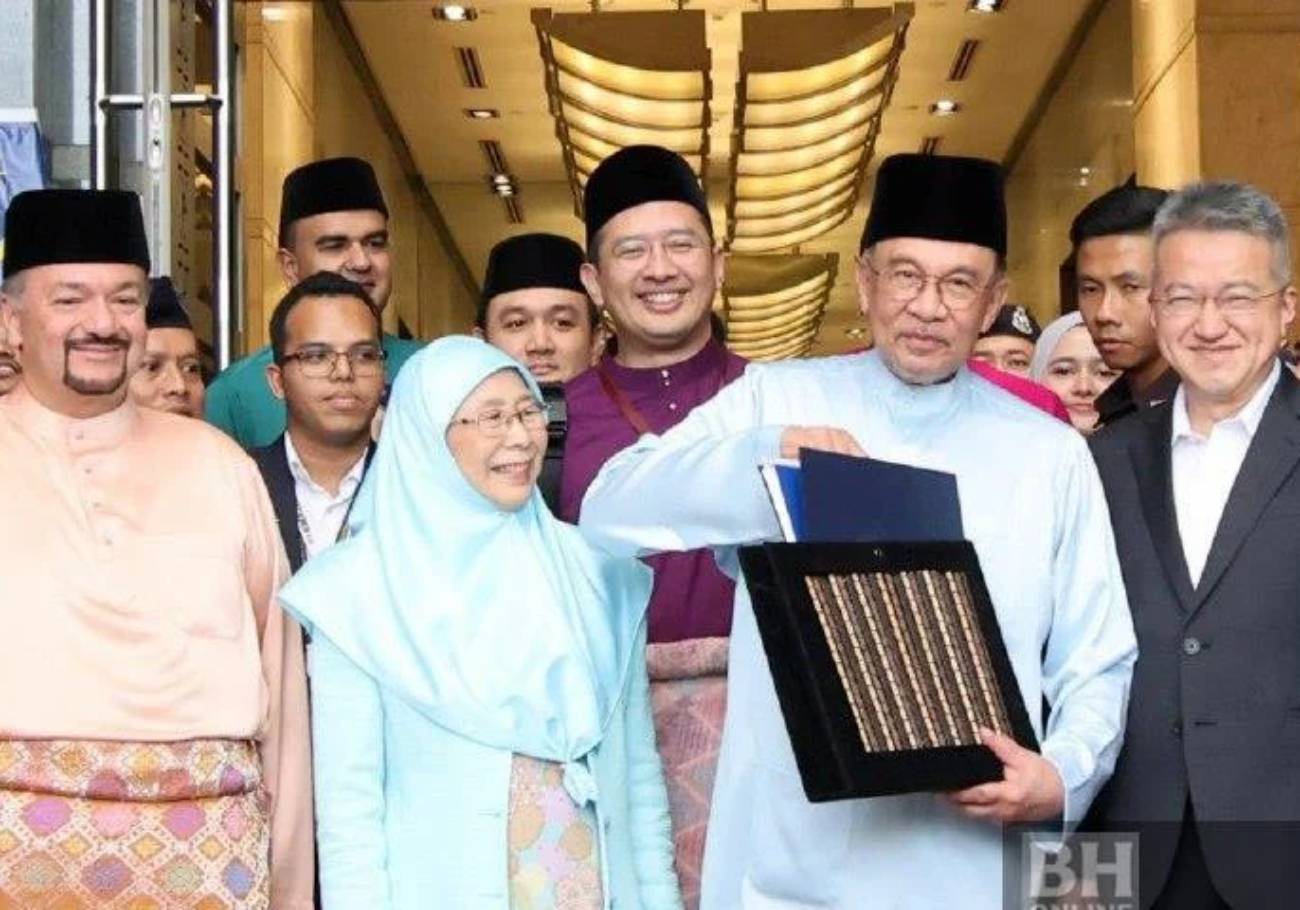





Add comment