


 Jimmy Tan
Political leaders, diplomats and scholars convened at the Kuala Lumpur and Selangor Chinese Assembly Hall (KLSCAH) for the Malaysia Global Civilizational Initiative Summit 2026 and the Islam-Confucian Civilizational Cultural Festival.
The gathering sought to examine how distinct philosophical and religious traditions can foster peaceful coexistence and mutual respect within a multicultural society.
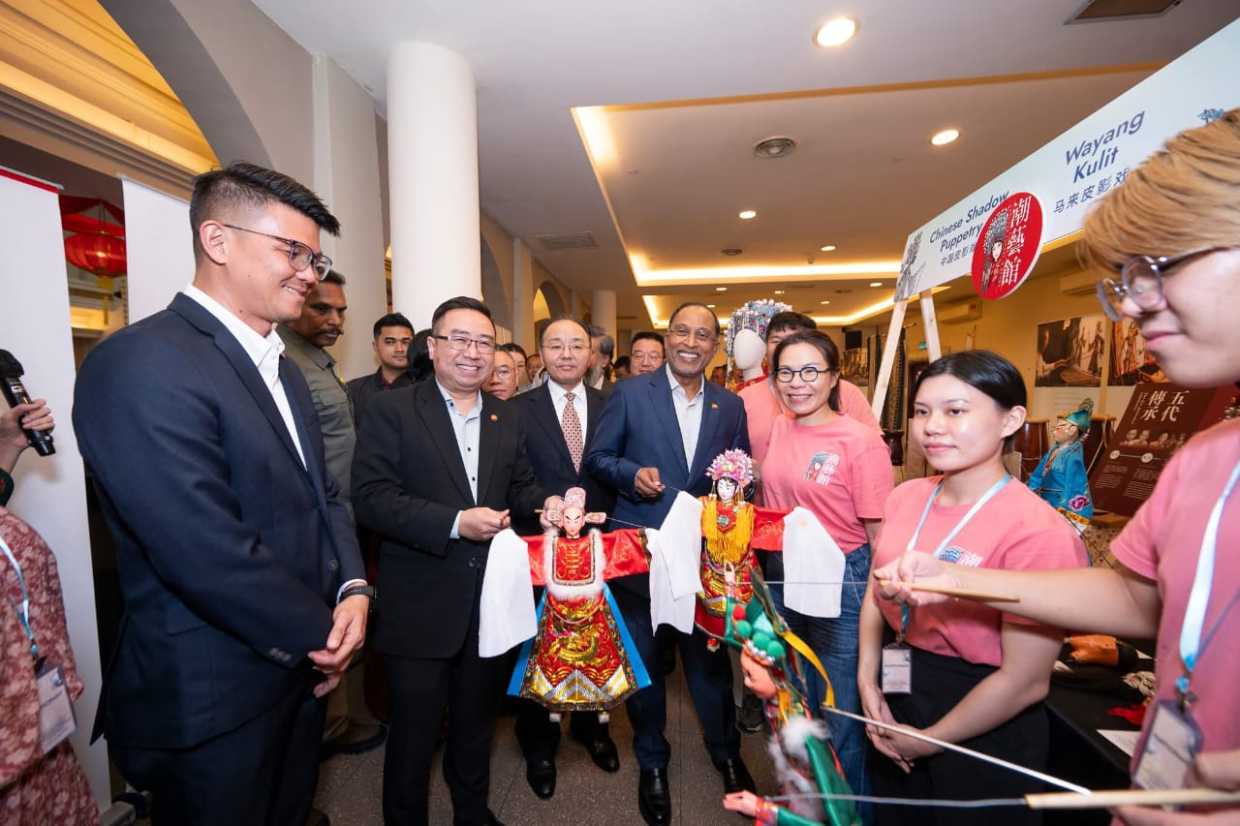
Officiating the event, Gopeng Member of Parliament and Centre of Regional Strategic Studies (CROSS) chairman Tan Kar Hing highlighted the importance of structured intercultural engagement.
“Today we are having this civilizational dialogue,” Tan said. “We are trying to provide a platform in order to have more understanding between the philosophy of Confucius and also Islamic perspectives.”
He noted that while the traditions differ in their theological origins and cultural practices, constructive dialogue ensures that diversity serves as a foundation for unity rather than division.
Shared values for social cohesion
The summit explored the complementary ethical frameworks of both traditions. Confucian philosophy, centred on moral cultivation, societal harmony and good governance, was discussed alongside Islamic intellectual traditions that emphasise justice, compassion and collective responsibility.
Panelists emphasised that these shared ethical principles are particularly relevant in navigating modern challenges, including rapid technological change, digital misinformation and heightened social polarisation.
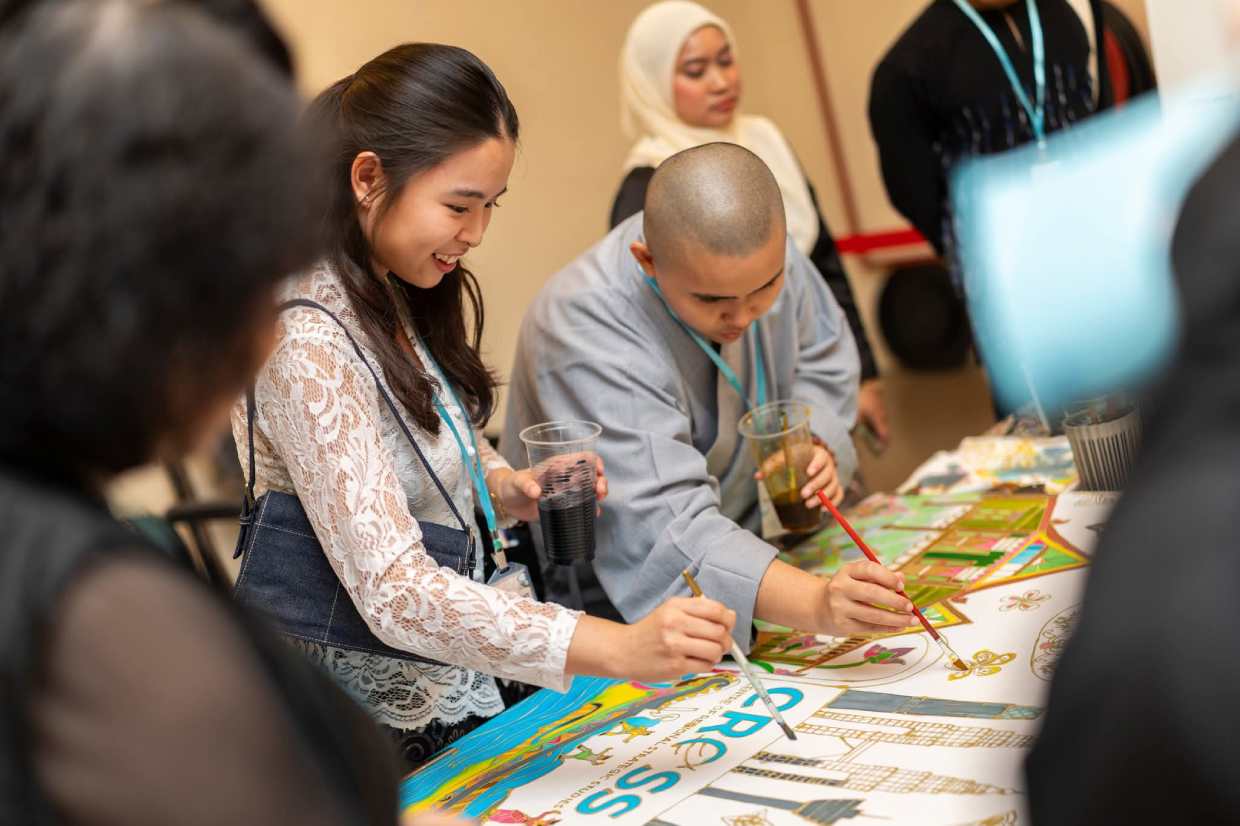
Among the political figures present were Chua Wei Kiat and Lee Chean Chung, both of whom demonstrated support for continued inter-ethnic dialogue. Complementing the academic sessions, the cultural festival offered the public opportunities to engage directly with the heritage and customs of both traditions.
Broad institutional and diplomatic support
The event received support from key academic and civil society organisations, including the International Islamic University Malaysia (IIUM) and the Malaysia-China Trade & Economic Advancement Association (PMPEMC).
Prominent academic figures contributed to the sessions, notably IIUM Rector Emeritus Datuk Dr Osman Bakar, who shared insights on the intersection of ethics and intellect in the modern digital era. International scholars of Islam and Confucianism also participated in the proceedings.
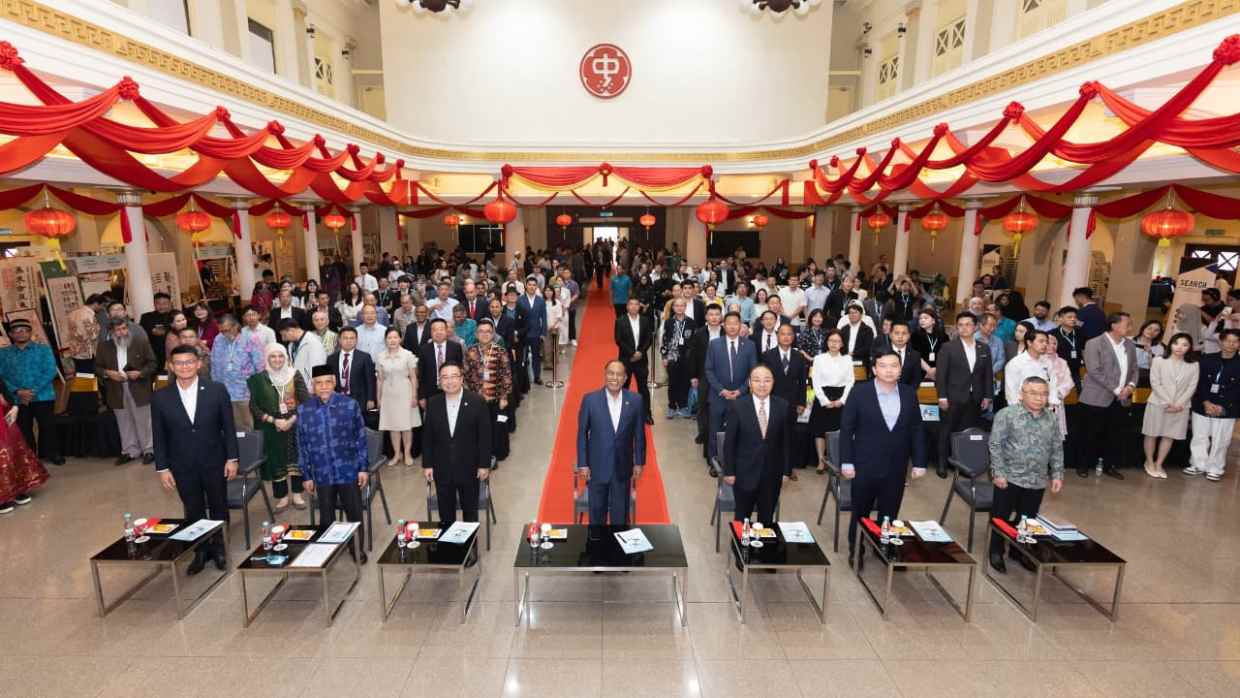
The presence of representatives from the Prime Minister’s Department (Religious Affairs), the Ministry of Higher Education and the Chinese Embassy in Malaysia underscored the event’s diplomatic and institutional significance.
Organisers stressed that the summit’s lasting impact would depend on sustained initiatives beyond the conference hall, calling for continued community outreach, academic collaboration and cross-cultural education across Malaysia.

 Navin Kumar Perianen
 Admin
Admin
 Sashidaran Gunathevan




Add comment