


 Navin Kumar Perianen
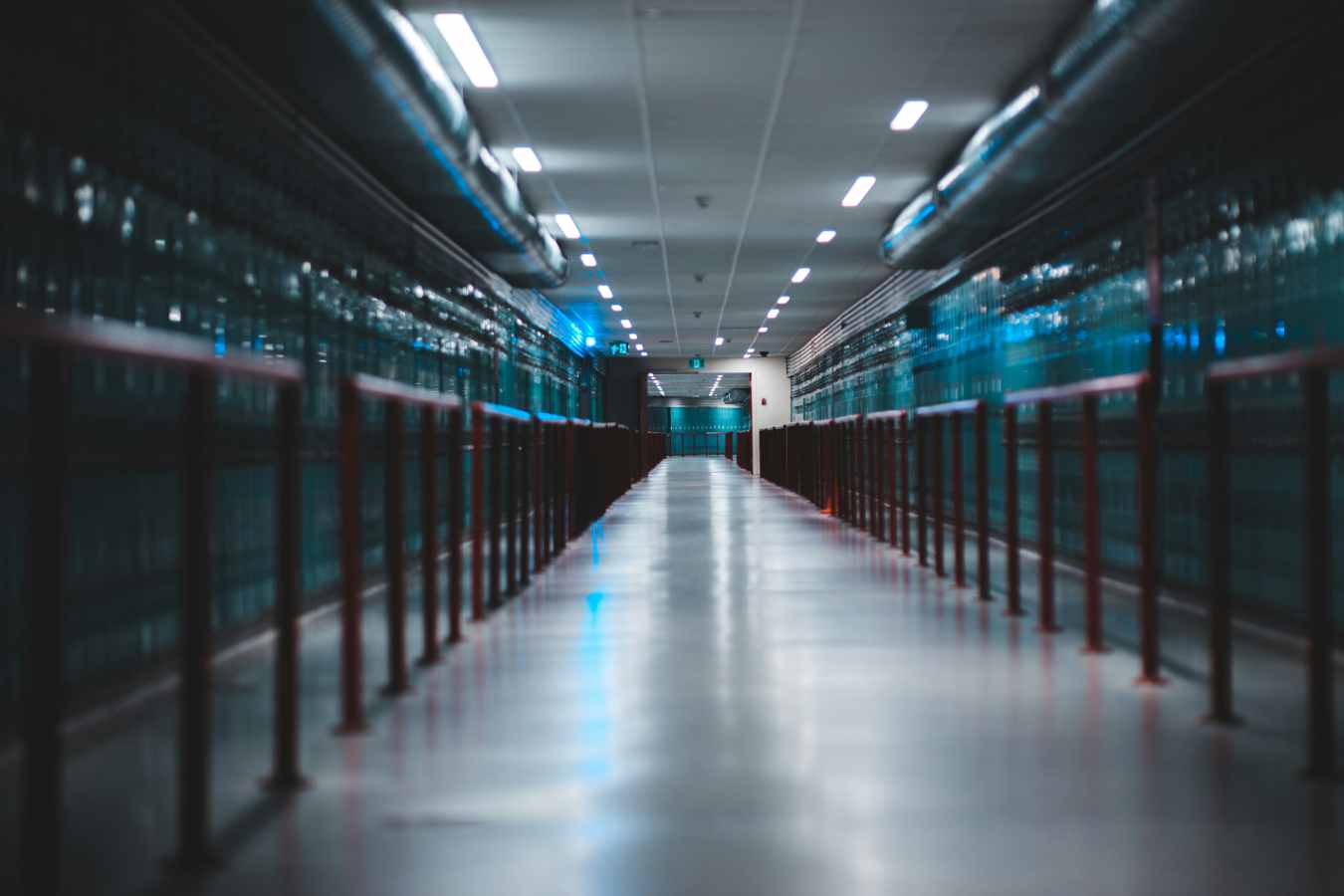
Residents have protested after taps ran dry near data centres in Batam. The water utility blames a long drought and a power fault. The island forms a triangle with Singapore and Johor. A new Puteri Harbour to Batam ferry also links it.
At the worst point, dozens of residents gathered outside Nongsa Digital Park. Specifically, it is a special economic zone with data centres. Soon after, in late September, officials told developers to build plants that turn seawater into fresh water for cooling.
Here is what happened in Batam, why Singapore’s limits matter and how much waits in Johor. However, counts of approved and live sites differ by source.
Water protests over data centres in Batam
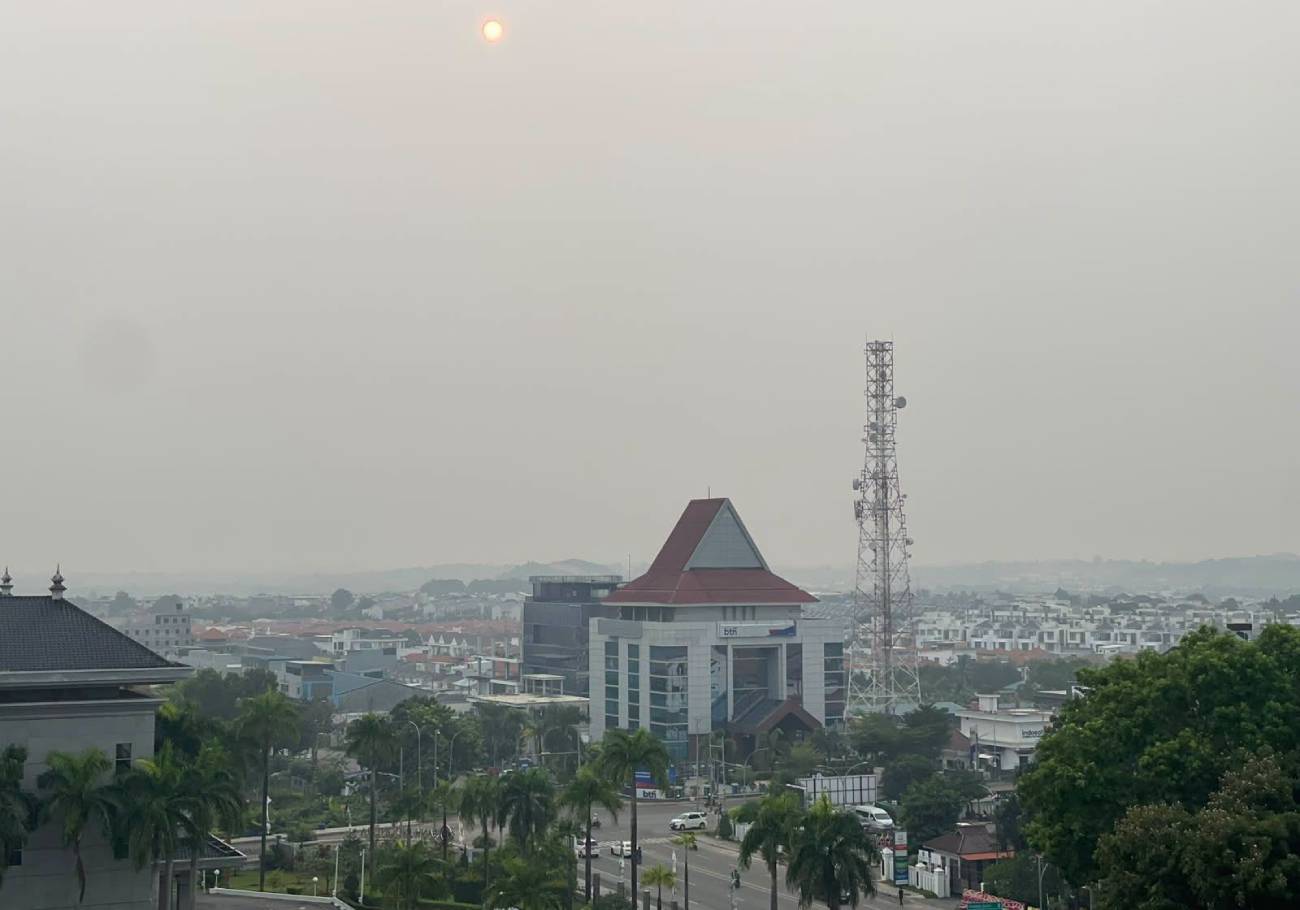
Nongsa Digital Park is a new cluster of data centres. Firms behind live or planned sites include BW Digital, which is based in Singapore. DayOne and Princeton Digital Group are also there. So is Gaw Capital Partners of Hong Kong.
Meanwhile, the utility, Air Batam Hilir, says the drought drained the nearby Nongsa Reservoir.Batam had a separate power outage in October that hit water, fuel and traffic. In response, it is dredging Batam’s six reservoirs. It may try cloud seeding too.
Notably, Batam mayor and BP Batam head Amsakar Achmad spoke in October. He said the supply drop was due to weather, not data centres. However, some residents believe the two are linked.
Likewise, Gaw Capital said it knew of the residents’ anger. Its sites would reuse water in closed loops, it said. They would also use clean energy. Yet it gave no figures.
How Singapore pushed data centres in Batam and Johor
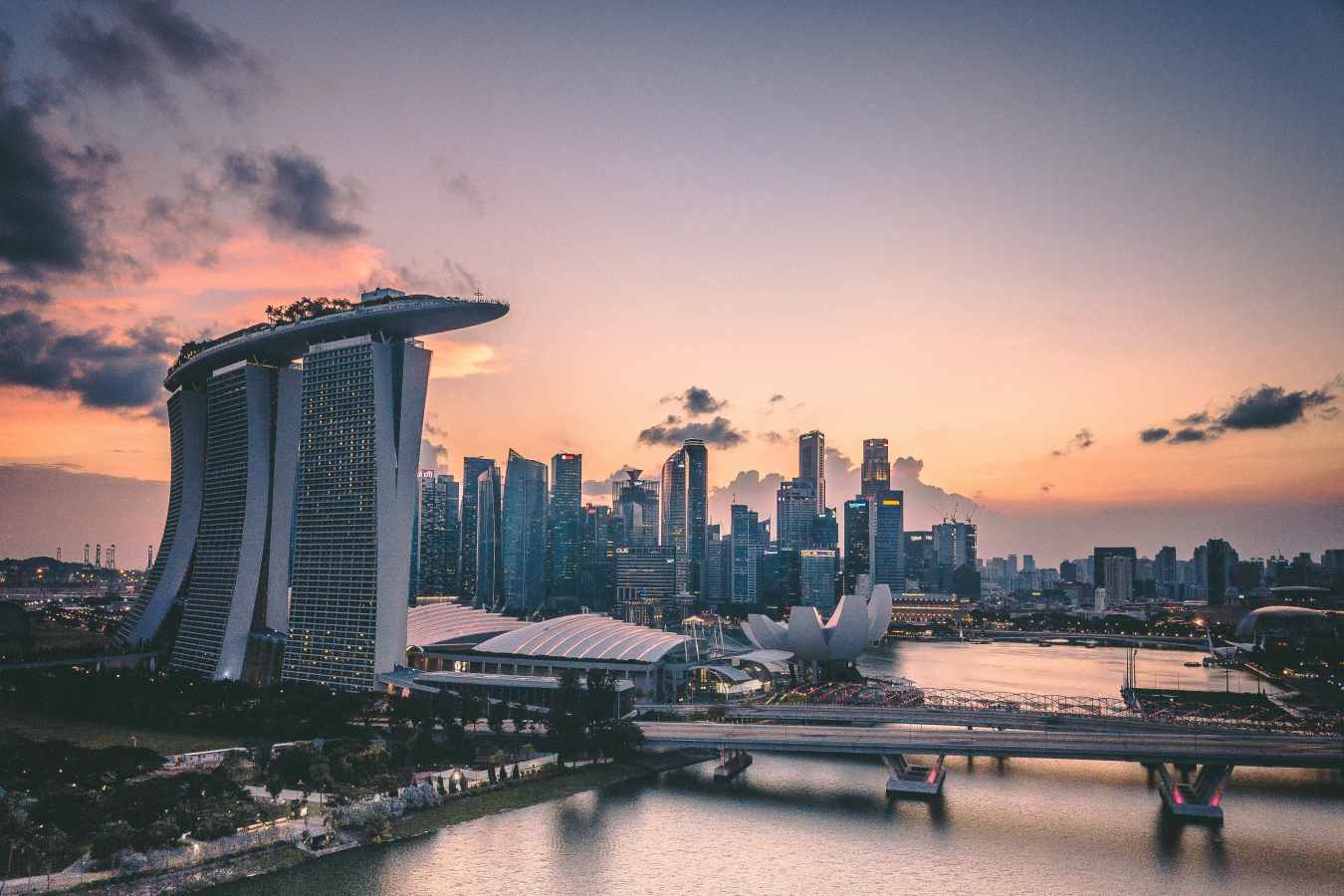
Singapore halted new data centre projects from 2019 to 2022 over resource limits. As a result, the building boom moved to Indonesia and Malaysia. Batam sits south of Singapore. In fact, undersea cables link the two.
Specifically, Knight Frank’s Data Centre Atlas 2026 puts Johor’s live capacity at 1,110 MW. That ranks third in Asia-Pacific. Tokyo has 1,473 MW and Singapore 1,118 MW. So Johor is almost level with Singapore.
Read more: Google US$15b data centre plan for Selangor, Negeri Sembilan
Read more: PIKOM LEAD 2026 summit charts Malaysia’s regional AI ambitions
Read more: Foreign tourist visits to Batam pass 1.3 million
Moreover, Johor’s pipeline stands at 8,542 MW. That is nearly eight times its live capacity, by our arithmetic. Meanwhile, Johor’s vacancy is 0.7%, against 4.9% in Singapore.
In addition, Savills says Malaysia’s capacity grew 132% in two years. It adds that Singapore now picks only the best projects. Overall, a KPMG report sees Southeast Asian capacity tripling by 2030.
Power and water limits on data centres in Batam and Malaysia

Meanwhile, Malaysia is watching energy use. In July, the deputy prime minister told Parliament that data centres could use one-third of national energy by 2035. The government said it would approve projects only when energy and water are enough.
Furthermore, Johor residents have protested over dust and flash floods linked to building work. The state set up a committee to review water, power and sites. Elsewhere, Google has a US$15b plan for Selangor and Negeri Sembilan.
Importantly, protests can stop a project. In Kota Damansara, a developer withdrew its planning application in August. Neighbours had gathered over 9,000 petition signatures. Human Resources Minister Ramanan Ramakrishnan said residents must have a say.
In short, data centres in Batam and Johor now serve Singapore’s demand. Johor has nearly eight times its live capacity on paper. Watch for new water and energy rules.



 Sidhaarthan

 Maran Perianen

 Sashidaran Gunathevan





Add comment