


 Sidhaarthan

Online scam syndicates in Malaysia are targeting university and college students who need money. Some are offering as little as RM40 for access to a student’s bank account, according to the Malaysian International Humanitarian Organisation (MHO).
The accounts are known as mule accounts. Criminal groups use them to receive money from scam victims, then move the funds quickly to other accounts before the money can be traced.
The problem is not new, but the method is changing. Scammers are now using digital banking, fake job offers, paid surveys and education-loan schemes to reach students in the Klang Valley, Selangor and Penang.
How students get pulled in
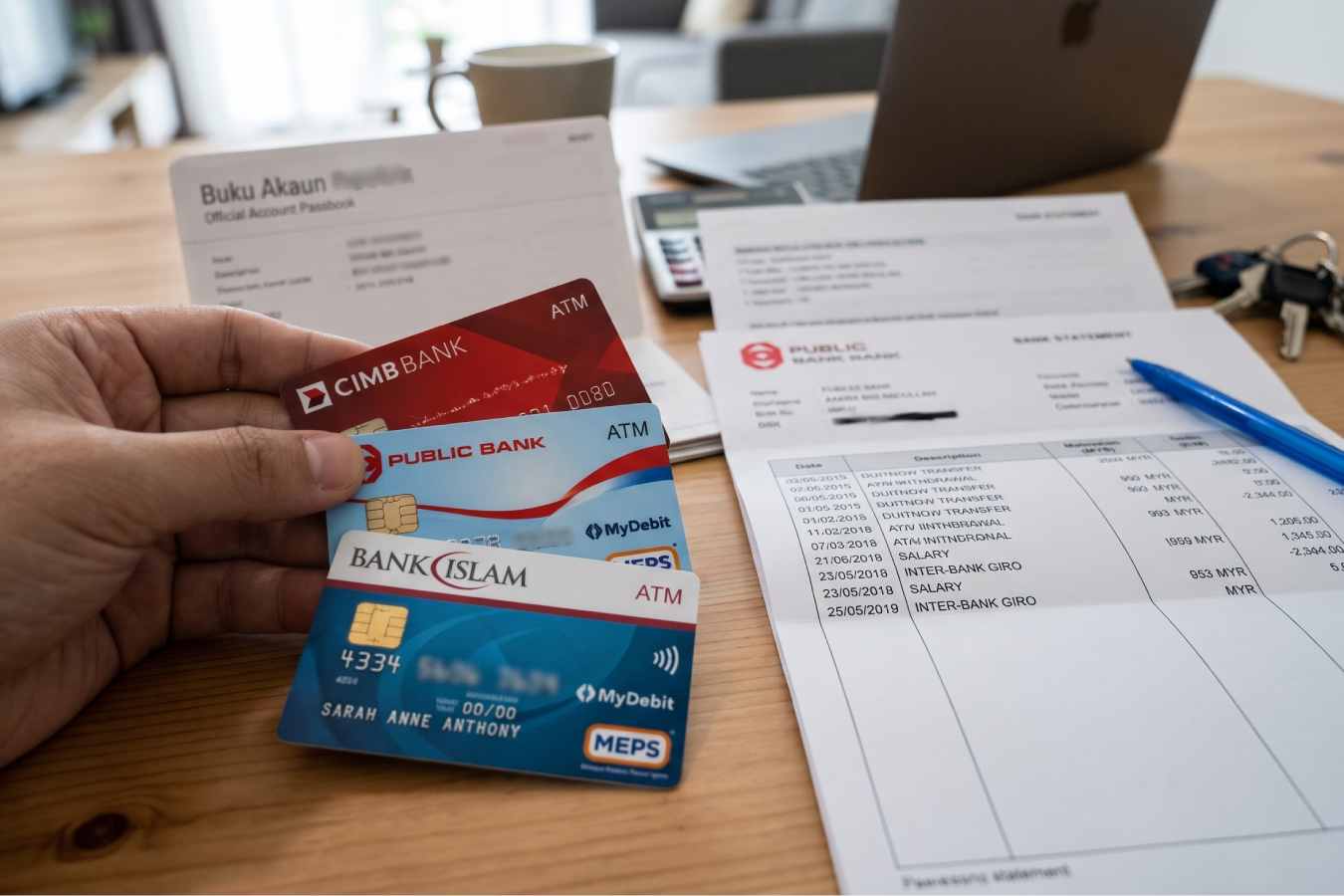
Many students first see an advertisement for a part-time job, paid survey or education loan. The offer may look normal at first, especially to someone who needs money for food, rent, transport or family expenses.
In one common trick, a student is told to open a bank account as part of a job application. Later, the student is told the job was not successful. But the account may already be in the hands of the scam group.
Some students are asked for online banking details after being told the information is needed for a loan payment. Others give personal details through surveys, without knowing the information may be used to open or control a bank account.
Digital banking has made this easier. Scammers can open an account online using limited checks, such as a selfie and an identity card copy. This reduces the need to physically borrow an ATM card.
Why the risk is serious

A student may not know the account is being used for crime until the bank freezes it or police make contact. By then, the account may already be linked to fraud reports.
The consequences can be serious. Students may face investigations, lose access to banking services and risk a criminal record. The issue has already appeared in court cases involving students who allowed their accounts to be used for unlawful transactions.
READ MORE: Govt studies WhatsApp verification after 61 scam arrests
READ MORE: RM20 M boost for National Scam Response Centre’s fight
READ MORE: Scam Ready ASEAN hub gives Malaysians free anti-scam tools
The Home Ministry has warned that some students are offered RM1,000 to RM2,000 per account. In other cases, the payment can be much smaller, which shows that even a small cash offer can be part of a larger scam.
Transparency International Malaysia says not every mule knows they are a mule. Some people are attracted by easy money or job offers, without understanding the criminal risk.
How students can stay safe from mule account
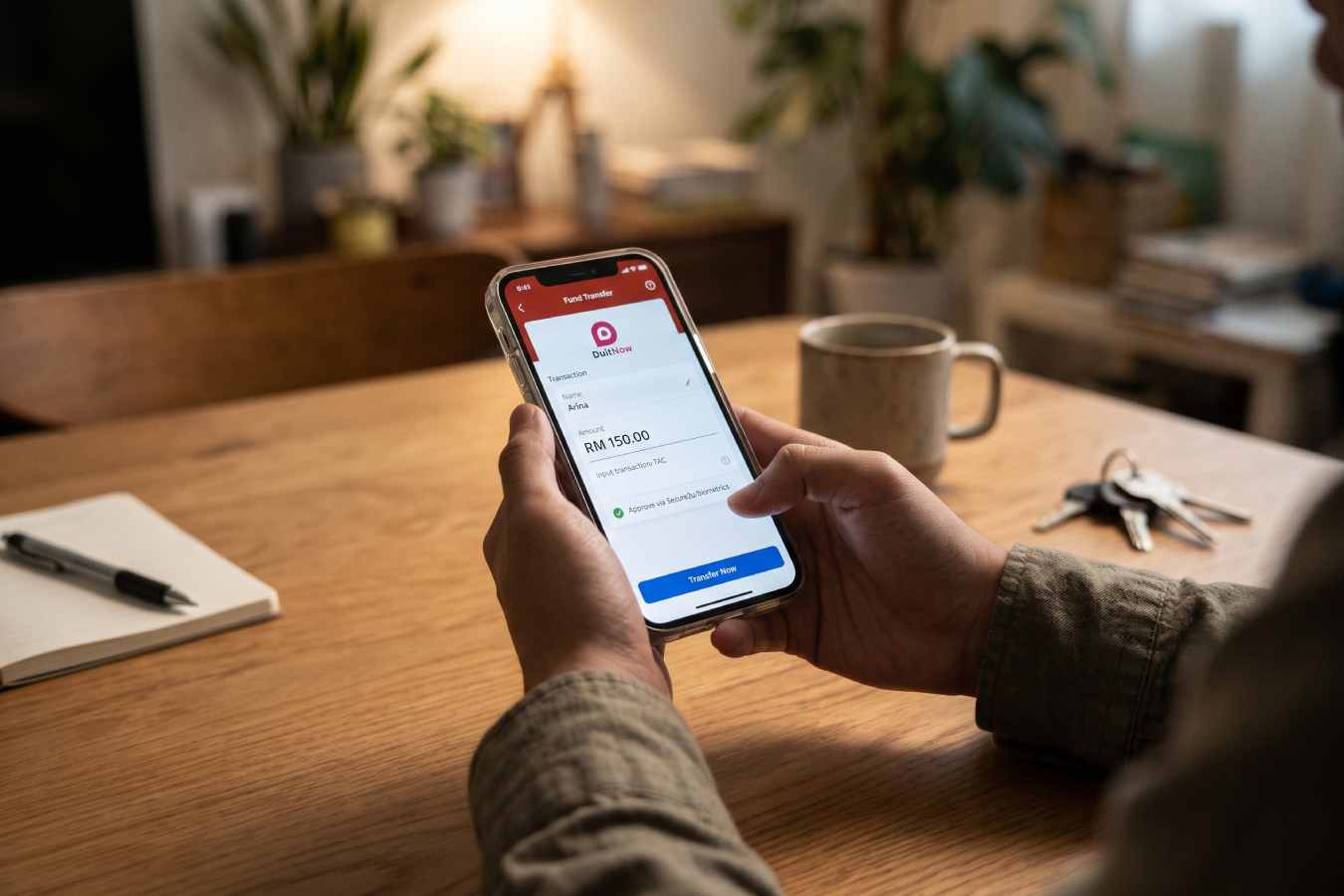
Students should never give anyone their bank account, ATM card, online banking login, e-wallet access or identity card for a job, survey or loan. A real employer does not need to use a student’s personal bank account to receive or transfer money.
A job offer that asks someone to receive and transfer money is a major warning sign. A 22-year-old student in Kuching was offered RM100 a day for an online accounting job, but was later used to move funds through her bank and e-wallet accounts.
Students who think they have been targeted should stop using the account, contact their bank and make a police report. They can also check whether an account has been linked to fraud through the Royal Malaysia Police’s Semak Mule portal or app.
For scam advice or help, the National Scam Response Centre can be reached at 997. The message is simple: no cash payment is worth losing control of a bank account or facing a criminal investigation.



 C. Khor

 Admin

 Jimmy Tan





Add comment