


 Admin
Retirement readiness in Malaysia may depend less on how much people earn and more on the financial habits, behaviours and support systems they develop over their lifetimes, according to a new study by Universiti Sains Malaysia (USM) commissioned by FWD Malaysia (FWD).
While rising living costs remain a significant challenge for many households, the study found that factors such as financial literacy, long-term planning and social influence play a critical role in determining retirement readiness across both lower- and middle-income segments. The research also found that only 12.5% of retirees surveyed had high levels of financial resources, highlighting the financial vulnerabilities many Malaysians face as they approach retirement.

The findings challenge the common perception that retirement security is primarily determined by earnings. Instead, they suggest that the ability to make informed financial decisions, build positive financial habits and stay committed to long-term goals may be equally important in shaping financial outcomes later in life.
For many Malaysians, however, long-term planning often takes a back seat to more immediate financial concerns. Rising household expenses, family commitments and economic uncertainty can make retirement feel like a distant priority.
“Our research shows that retirement preparedness is ultimately a lifelong journey,” said Mak See Sen, Chief Executive Officer of FWD Insurance Berhad. “Income is important, but what often makes the difference is whether people have the confidence, financial knowledge and support to make good decisions consistently over time. That’s why we believe financial literacy should start early, long before retirement becomes a concern.”
Health burdens and the ‘sandwich generation’ squeeze
The study also highlighted growing vulnerabilities among Malaysia’s middle-income population. Despite relatively stable earnings, many M40 households face competing financial demands, including housing commitments, children’s education expenses and the responsibility of supporting ageing parents. Among retirees surveyed, nearly 60% reported living with one or more major physical illnesses such as heart disease, diabetes, arthritis or hypertension, underscoring the additional financial pressures associated with ageing.
Often referred to as the “sandwich generation”, many working adults find themselves balancing multiple responsibilities while trying to build their own financial security.
According to FWD, these challenges often stem from financial behaviours and decisions formed earlier in life. As a result, improving retirement outcomes requires intervention long before individuals reach their peak earning years.
To address this, FWD has invested RM5 million in a long-term financial literacy ecosystem designed to support Malaysians from childhood through young adulthood. Through programmes aimed at primary school, secondary school and university students, the initiative has reached more than 12,000 participants nationwide, particularly youths from low-income and financially vulnerable backgrounds.
These efforts include FWD’s long-standing collaboration with Junior Achievement (JA) Malaysia, which equips students with essential financial literacy and entrepreneurship skills through experiential learning programmes.
Building financial literacy and community support early
In addition to its school and university-based initiatives, FWD also partners with Junior Achievement (JA) Malaysia to equip young Malaysians with practical financial literacy and entrepreneurship skills. Through this collaboration, students gain exposure to real-world financial concepts and hands-on learning experiences that help build confidence in managing their financial future.
Research findings also point to the importance of social influence in shaping financial behaviour. Family members, friends, mentors and community networks often play a significant role in determining how people approach money and long-term planning. The study further found that approximately one-third of retirees exhibited signs of cognitive challenges including forgetfulness, reinforcing the importance of building financial confidence and resilience earlier in life.
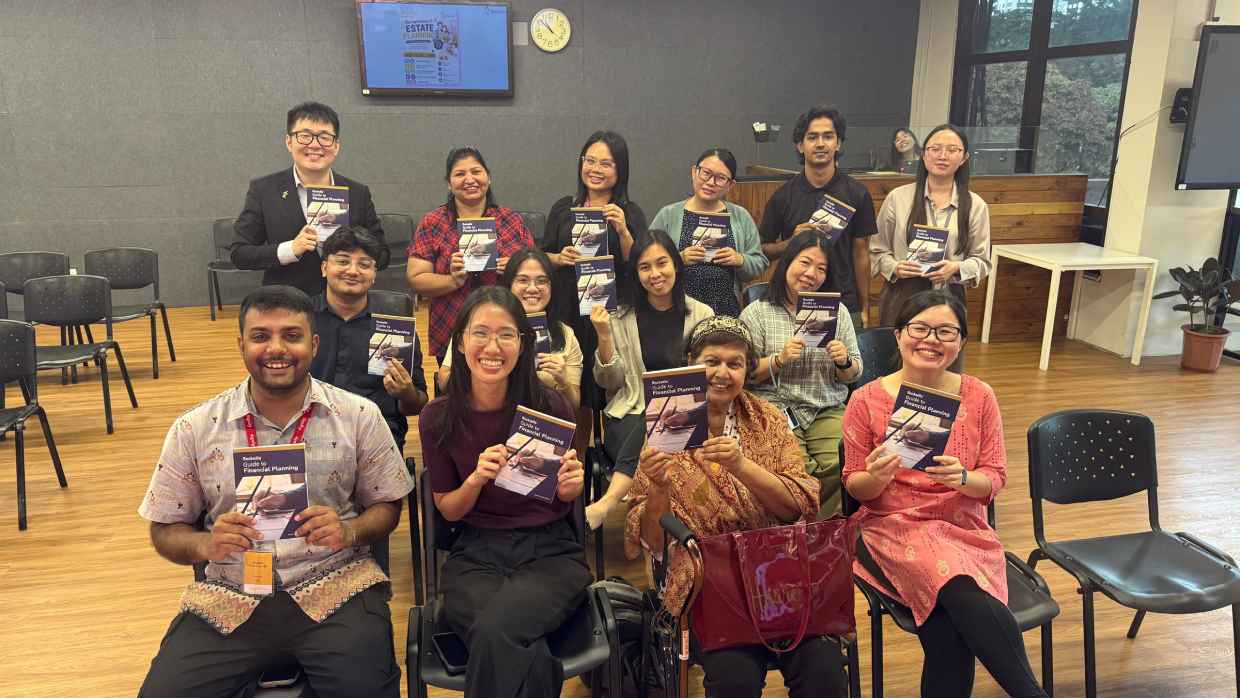
Recognising this, FWD has focused on community-based partnerships that encourage peer-to-peer learning and support. Through its collaboration with ARUS Academy under the Fun(d) for Life: University Edition programme, participants are encouraged to apply their learning and share it within their own communities.
“As Malaysia moves towards an ageing society, we need to help people build resilience long before they encounter financial difficulties. Financial literacy is not just about understanding money. It is about creating the confidence and capability to make choices that lead to greater security, independence and peace of mind.” Mak adds.
FWD believes insurers and takaful operators have an important role to play beyond providing protection products. By investing in education, community empowerment and financial confidence-building, organisations can contribute to stronger long-term financial outcomes for future generations of Malaysians.




 Sashidaran Gunathevan
 C. Khor

 Sidhaarthan




Add comment