


 Sashidaran Gunathevan
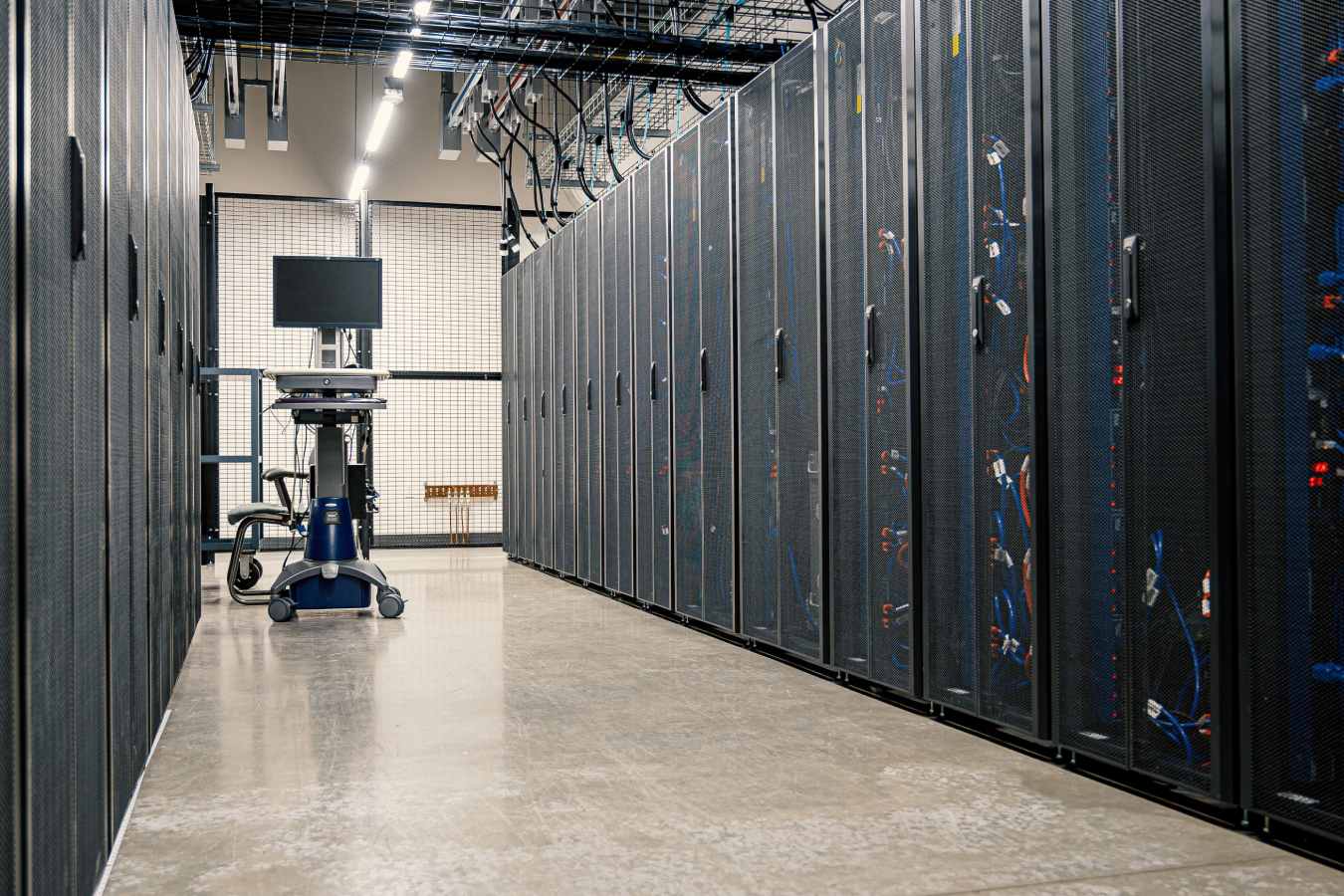
Johor data centre water use is 1.05% of the state’s treated supply, the state assembly heard on 20 November. Johor Public Works, Transport, Infrastructure and Communications Committee chairman Mohamad Fazli Mohamad Salleh gave the figure. It covers the 19 centres now operating.
Those centres draw about 21.277 million litres a day (MLD). Johor treats an average of 2,034 MLD, so the share is small. Mohamad Fazli added that it equals 3.35% of industrial use.
He also said falling dam levels have no link to data centres. Drought and El Niño are the cause, he said. He urged the public to stop spreading fabricated news.
Johor data centre water use against homes and factories
Johor’s treated water output averages 2,034 MLD. Homes take 904 MLD of that, while industry takes 635 MLD. Homes are the largest user. Johor data centre water demand therefore sits well below both.
Their combined request was 73.088 MLD, against 21.277 MLD in use. The actual draw is under a third of what the operators asked for. That gap shows how much headroom the state has on paper.
Nine of the 19 centres use cooling systems that can run on near-zero water. Examples include air-cooled chillers and direct-to-chip liquid cooling. Such designs may help keep the total low.
Mohamad Fazli said the state stays cautious about rising demand from the industry. The aim is to protect domestic supply in future. Households in the state will want that promise kept as demand grows.
Where Johor data centre water comes from

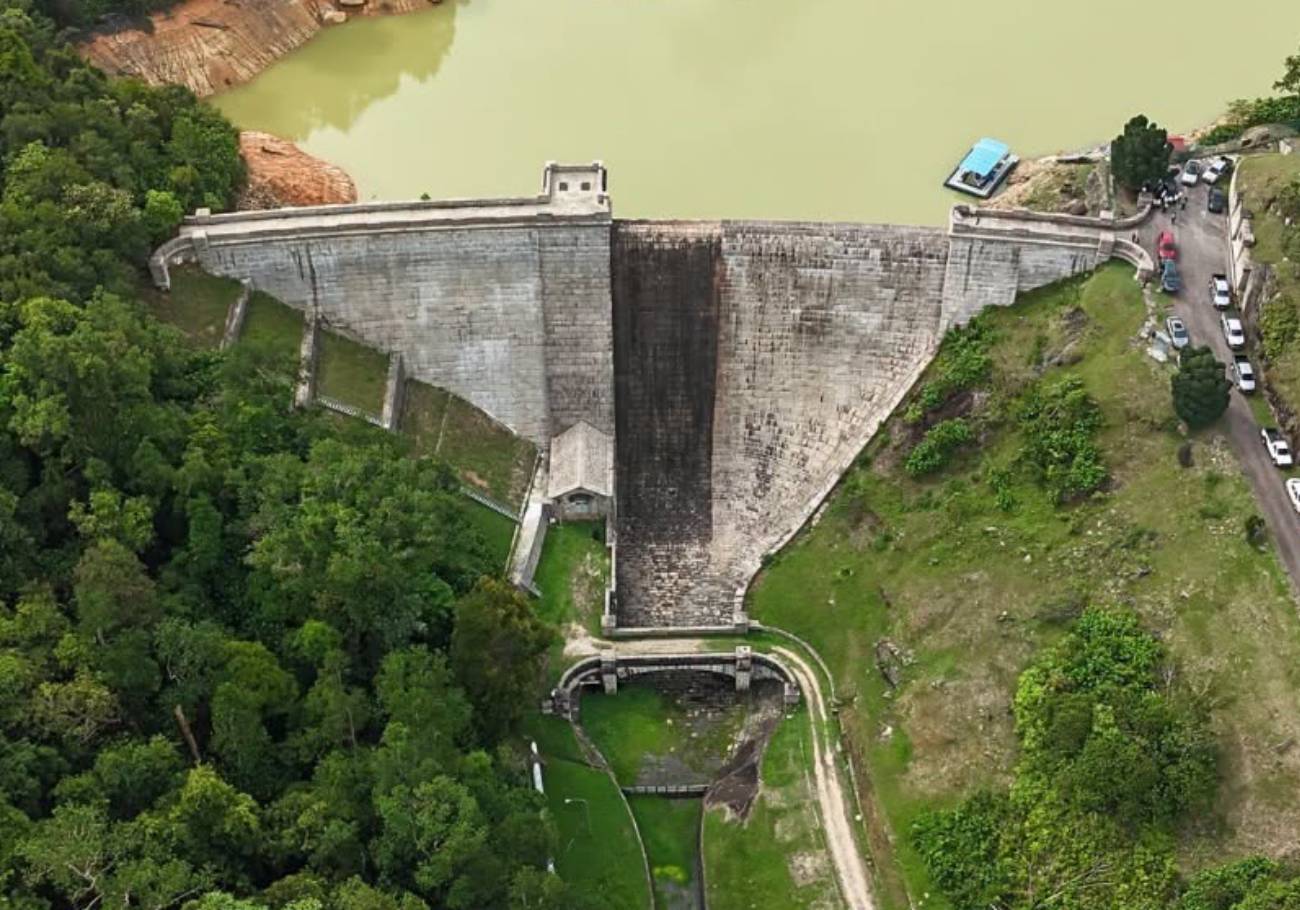
The six monitored dams are Machap, Lebam, Gunung Pulai 2, Pontian Kechil, Upper Layang and Lower Layang. Their levels have been falling. Some claims online linked the fall to data centres.
Mohamad Fazli rejected that link. The centres draw treated water from the Semangar and Sungai Johor plants, not from those dams. Machap and Lebam supply no data centres at all.
Drought and El Niño are behind the lower levels, he said. He expects the effects to last until March 2027. Dry conditions are therefore likely to continue for months.
That timeline matters for households in the affected districts. The wider El Niño warning already touches other sectors. Residents should follow official water notices while the dry spell lasts.
Johor data centre water rules under the JS-SEZ

The state set up the Johor Data Centre Development Coordination Committee (JPPPDNJ) in 2024. Mohamad Fazli chairs it, and Johor says it was the first state to form such a panel. The panel vets how new projects affect water and power.
It works with BAKAJ, Ranhill SAJ, Johor Special Water (JSW) and Tenaga Nasional Berhad (TNB). Each body handles a part of the supply chain. Together they review applications before projects proceed.
Operators that use a lot of water must turn to alternative sources through JSW. These include treated wastewater from sewage treatment plants. The rule applies under the Johor-Singapore Special Economic Zone (JS-SEZ).
For readers, the Johor data centre water figure is a snapshot, not a forecast. CJ.MY has already reported that data centres in Batam and Johor strain water and power. The RM350.4b investment surge means demand will keep rising, much as Penang’s Perak water deal shows for other states.




 Maran Perianen
 Yalinie Mathan
 Navin Kumar Perianen


Add comment