


 Amirull Salihing
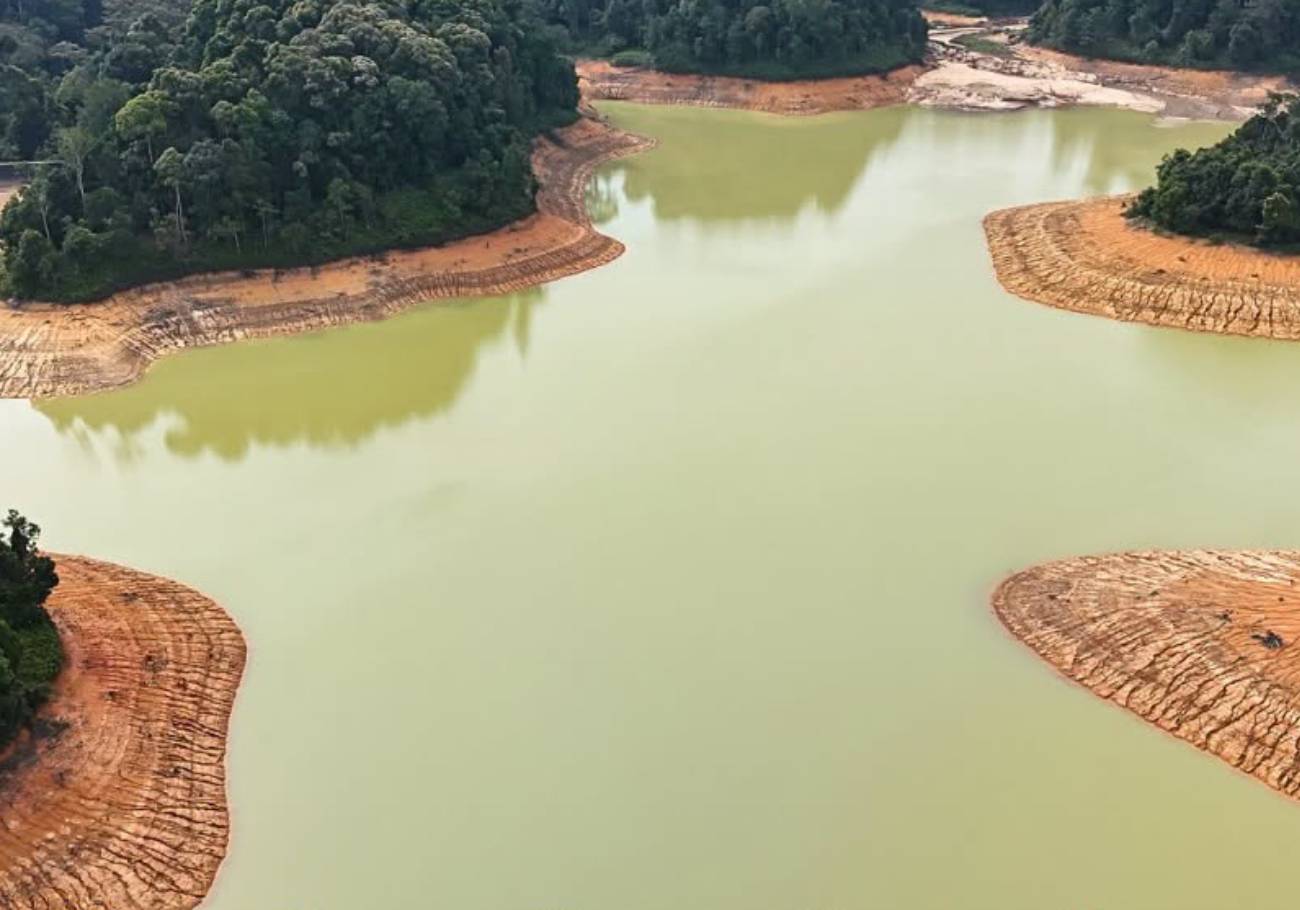
Johor dams remain under strain even as floods hit the Klang Valley. National Water Services Commission (SPAN) data dated 2 November showed Lebam at 17.01%, the lowest of the state’s listed dams. Five dams were at warning level and three at alert level.
It is a sharp contrast with the floods in Kampung Melayu Subang this week. Rain in the Klang Valley does not fill dams in Johor.
Here is which dams are low, why the rain elsewhere does not help and what Johor is doing.
Which Johor dams are low
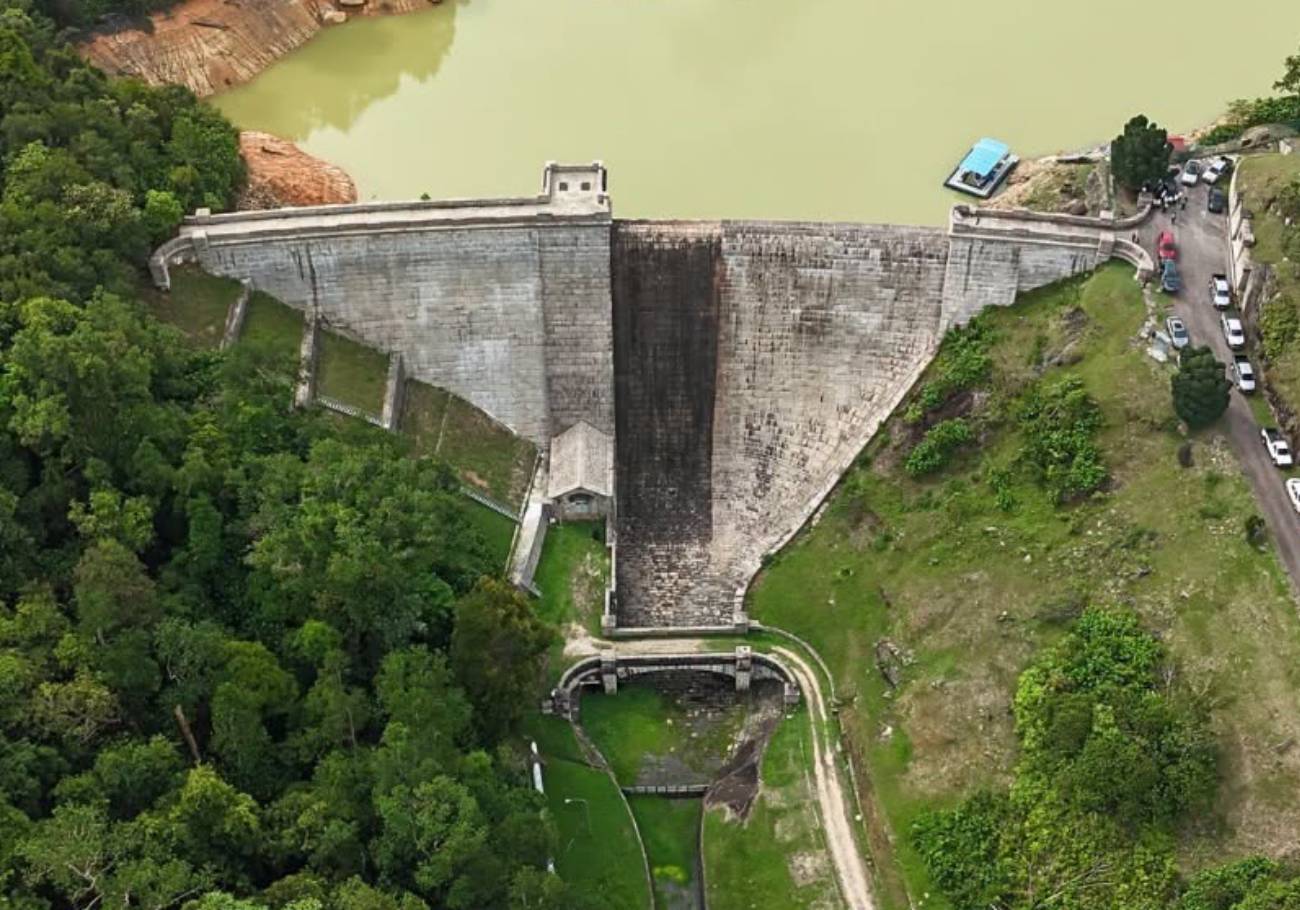
Data from the SPAN, dated 2 November, shows the dam at 17.01%. That is the lowest of the dams SPAN lists for Johor, and it is flagged at warning level.
Gunung Pulai 2 is at 31.80% and Pontian Kechil is at 38.35%. Lower Layang is at 53.17% and Upper Layang is at 54.31%. All four are also at warning level.
Gunung Pulai 1 is at 65.65%, Labong is at 61.86% and Congok is at 71.71%. These sit at alert level, one step below warning.
Also, the change since August. Six dams in Johor were at warning level then. Gunung Pulai 1 has since moved to alert level.
However, some dams are healthy. Gunung Ledang, Bekok and Sembrong Barat are above 89%. Linggiu, run by Singapore’s national water agency PUB, is at 94.10%.
Overall, five of the 14 dams SPAN lists for Johor are at warning level. Three more are at alert level. The state itself monitors 17 dams.
Why the Klang Valley rain does not help
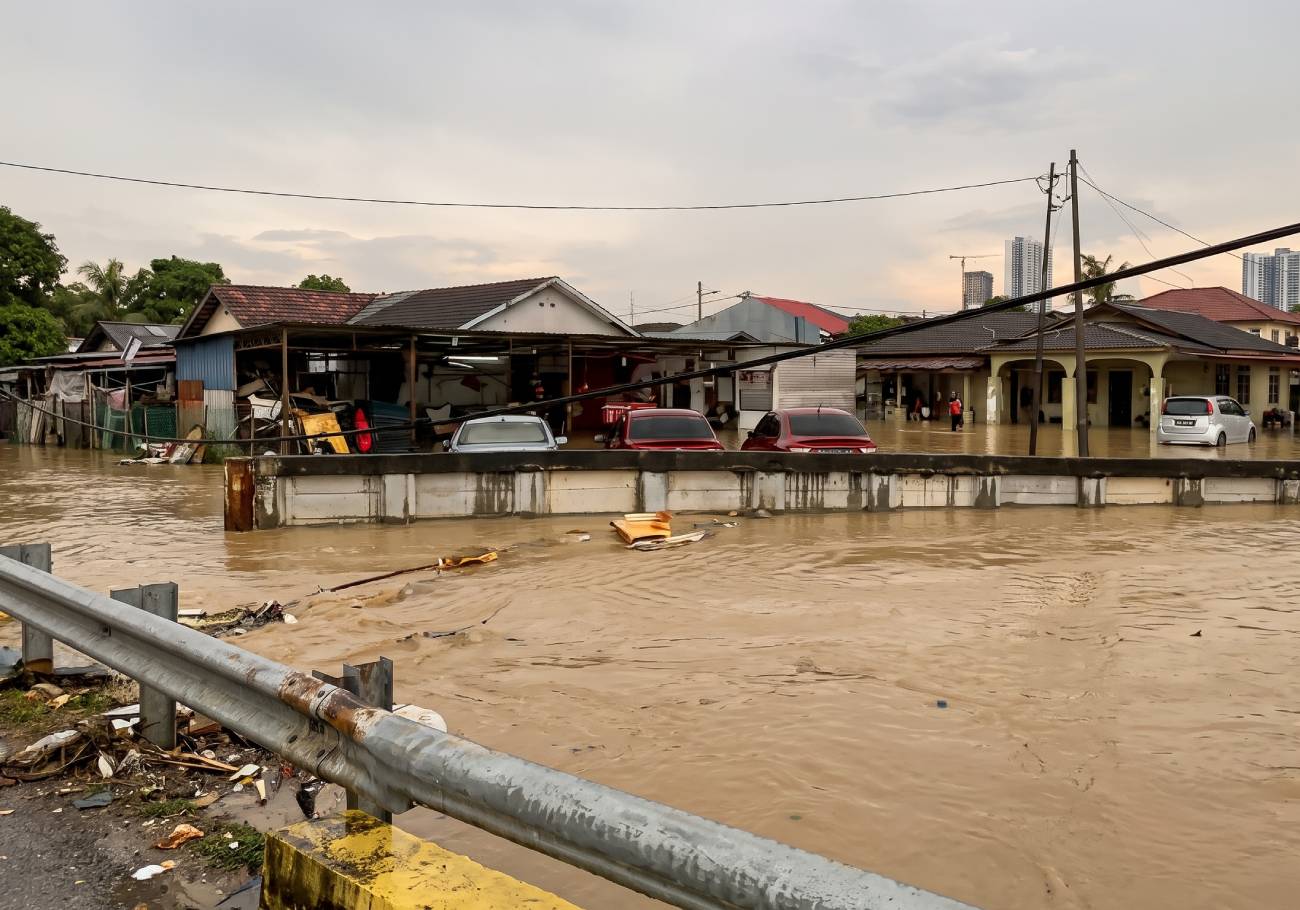
The floods are in Selangor and Kuala Lumpur. Johor’s dam catchments are hundreds of kilometres away. Rain there drains into rivers in that region, not into Johor.
Next, the type of rain. A short, intense storm can cause runoff and flooding without the sustained rain needed to refill reservoirs. A dam fills only after long, steady rain soaks its catchment.
MetMalaysia said in August that southern Johor could see rainfall deficits above 35% over three to six months. It gave an 81% chance that El Nino would reach strong to extremely strong levels from October. It also gave a 97% chance that it would last into early 2027.
After a long dry spell, dry soil soaks up much of the first rain before streams start to flow.
Meanwhile, MetMalaysia’s storm warning issued at 2.45pm today covered Kulai, Kluang and Kota Tinggi in Johor until 6pm. A local thunderstorm warning does not guarantee rain over a dam catchment.
What Johor is doing

Johor Public Works, Transport, Infrastructure and Communications Committee chairman Mohamad Fazli Mohamad Salleh spoke in September. He said the state checks its 17 dams every day.
He said Gunung Pulai could need closer attention this year. He said the situation was under control.
However, the state has not said which dams come first. In September it had not finalised the list.
In early September Johor had not yet asked for it, but it was preparing with the National Disaster Management Agency. Cloud seeding was later carried out in Johor, Melaka and Negeri Sembilan in a four-day operation, according to The Star.
They include moving water between sources and extra pumps at Machap. A desalination plant has also been installed at Lok Heng.
Besides, the state is looking at a new source. It is exploring the “Blue Lake” (Kolam Air Hijau) near Gunung Pulai as an alternative raw water supply. Also, Mohamad Fazli recently visited the site. It holds an estimated 800 million litres.
Next, authorities are studying plans to pump the water to two dams. That would support the Gunung Pulai Water Treatment Plant and reduce the risk of shortages during a drought.
For now, the state says supply is under control. We will update this story on Johor dams as new readings come in.






 Maran Perianen

 Yalinie Mathan

 C. Khor






Add comment