


 Maran Perianen
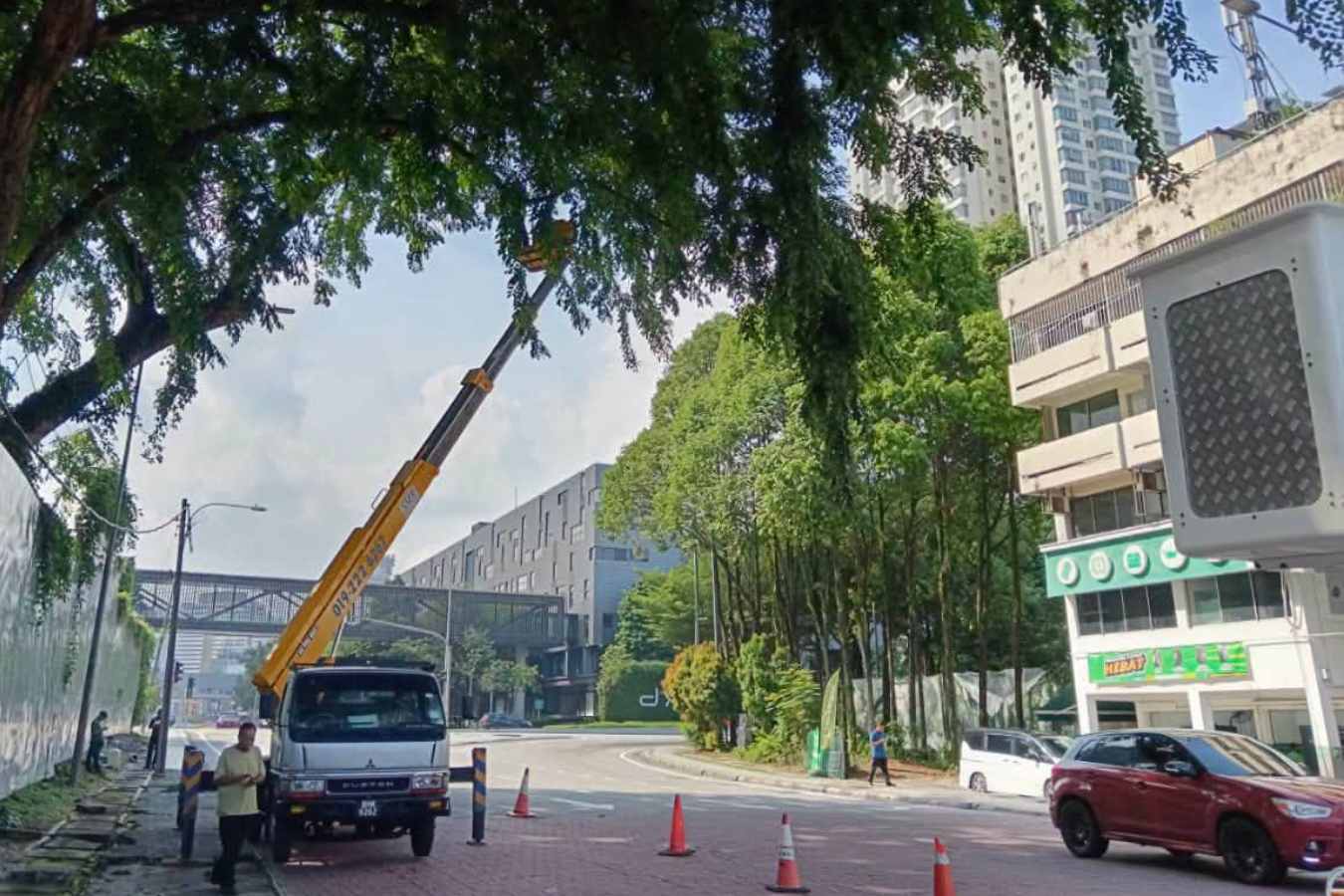
DBKL tree management covers more than 13,000 jobs a year across Kuala Lumpur, according to the City Hall’s own figures. A team under its Landscape and Recreation Department prunes, treats and fells old trees. Meanwhile, the city is planting new shade trees under its Sponge City plan to ease flood risk.
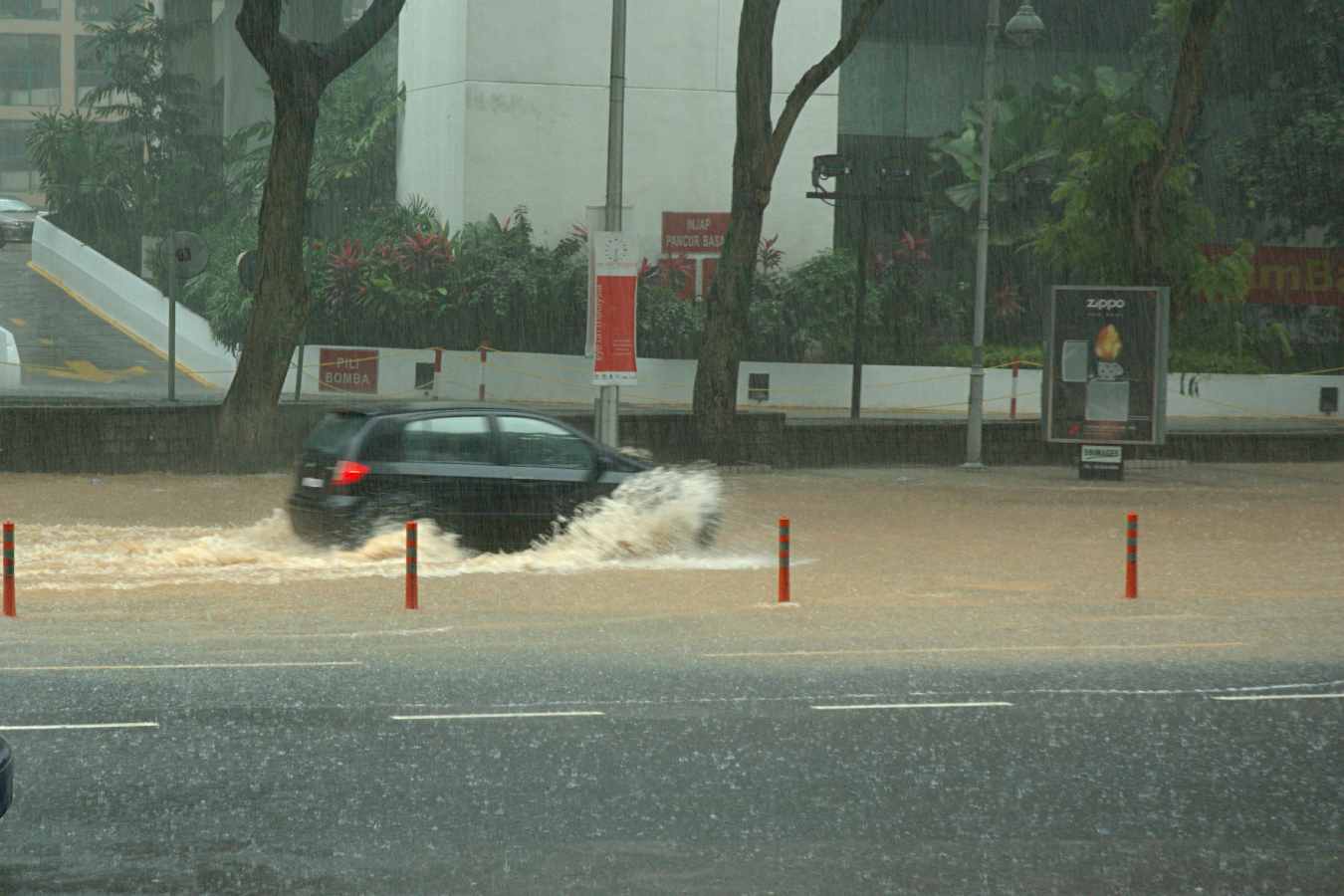
For residents, the two efforts shape what happens on their street. Old trees get inspected and tagged. New trees go into rain gardens, pocket parks and microforests. Old-tree work reduces the risk of falling branches. Sponge City measures help the city absorb rainwater.
The details come from DBKL’s own statements and from earlier reports. Some figures date from 2024, so they are marked as such. A short guide to reporting a risky tree follows, with what DBKL has yet to say about its updated rules.
DBKL tree management for old trees: inspections, tags and tools
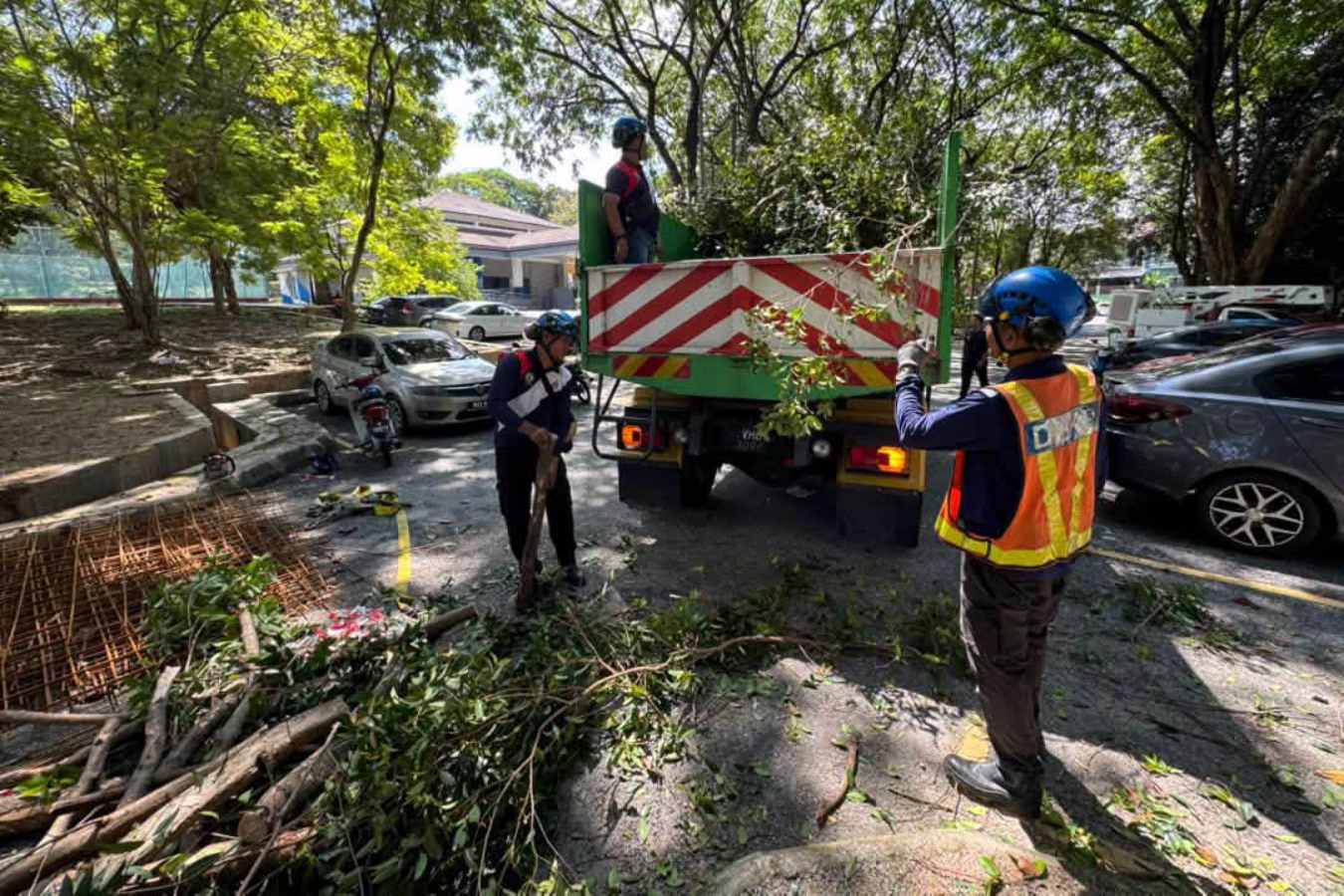
The Unit Pengurusan Pokok Rendang works across all 11 parliamentary areas of Kuala Lumpur. It handles pruning, felling and health checks on high-risk trees. The unit does more than 13,000 tree jobs a year, roughly 1,100 a month, DBKL says.
That workload splits by zone. The north averages about 320 jobs a month, the centre about 410 and the south about 380. CJ.MY added the three zones and got about 1,110, which matches the monthly figure.
On method, the unit combines visual and digital checks in what it calls Tree Health Indexing. A resistograph tests the trunk strength of old trees. Fieldwork goes into a mapping system linked to the City Hall’s control centre. It flags hotspots with soil subsidence or exposed roots.
Since 2019, DBKL has inspected trees older than 30 years or with a trunk circumference above 1.5m. By May 2024, it had flagged 175 high-risk trees and felled 147. Inspected trees may carry identification tags, so residents should not remove them or cover them with banners.
How DBKL tree management meets Sponge City planting
DBKL says Sponge City lets the urban area absorb, hold and slowly release rainwater. It has planted 22,940 shade trees from 2023 to 2026, including 8,917 this year. The measures also include rain gardens, bioswales and permeable surfaces, plus microforests, pocket parks and green connectors.
The targets are large. DBKL wants to add 50% canopy cover and plant one million trees by 2040. It plans to develop 32 gazetted open spaces as microforests by 2027. Three finished microforests have planted 600 trees from 40 local species.
Read more: DBKL flood warning now comes one hour early, not five minutes
Read more: Lee Lam Thye urges Kuala Lumpur drainage overhaul
Read more: Klang Valley flash floods hit TTDI, Bukit Jalil, Federal Highway
CJ.MY did the arithmetic. The 22,940 trees equal about 2.3% of one million. Reaching the goal by 2040 would need roughly 70,000 trees a year from 2027, about eight times this year’s pace. That assumes the target counts new plantings only.
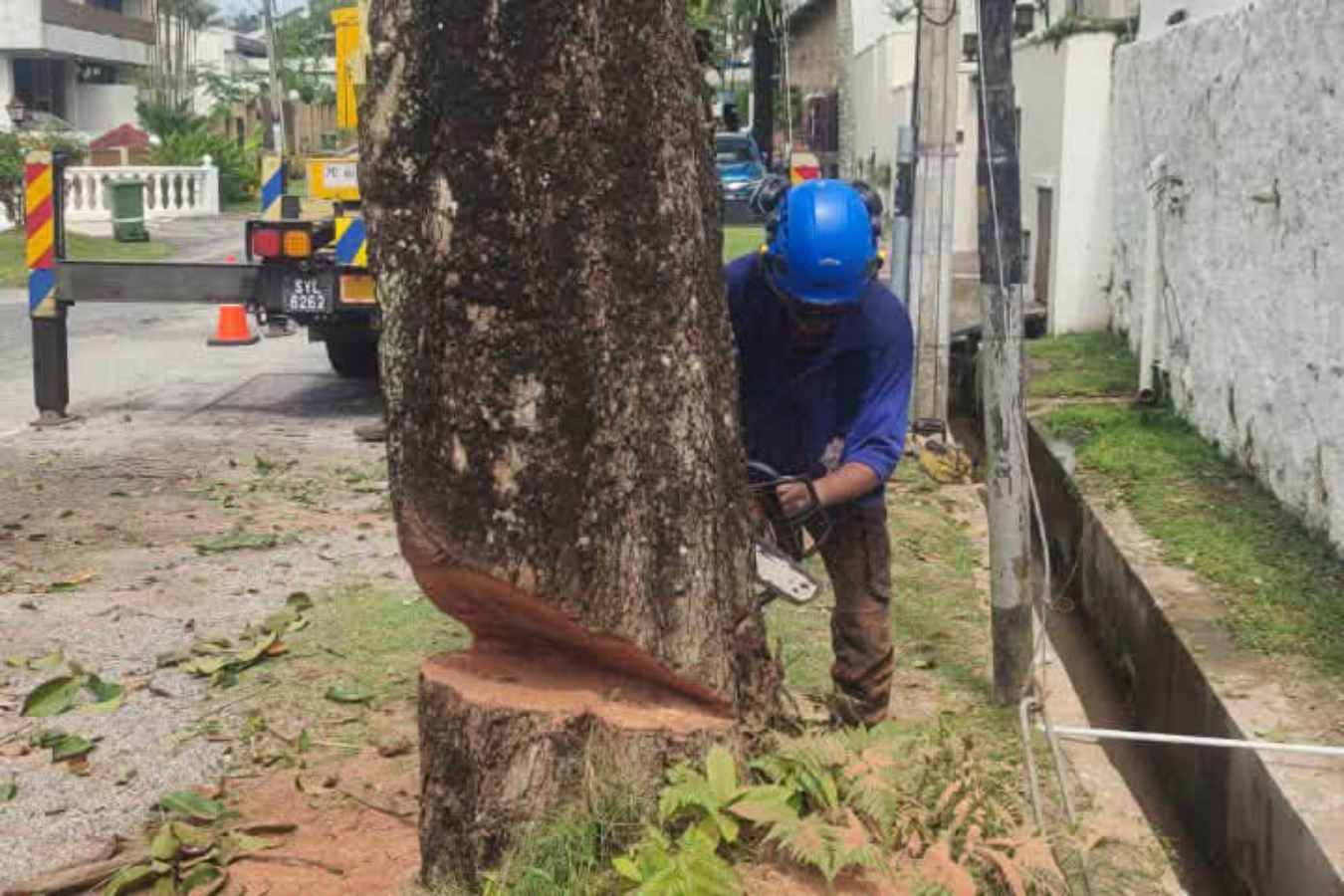
DBKL tree management and Sponge City meet in the assessment work. DBKL has 21 certified arborists, hired through a contractor panel. They assess tree health, stability and risk, including trees proposed for felling. Federal Territories Minister Hannah Yeoh said every felling proposal needs a technical evaluation.
DBKL tree management after fatal falls and what residents can do
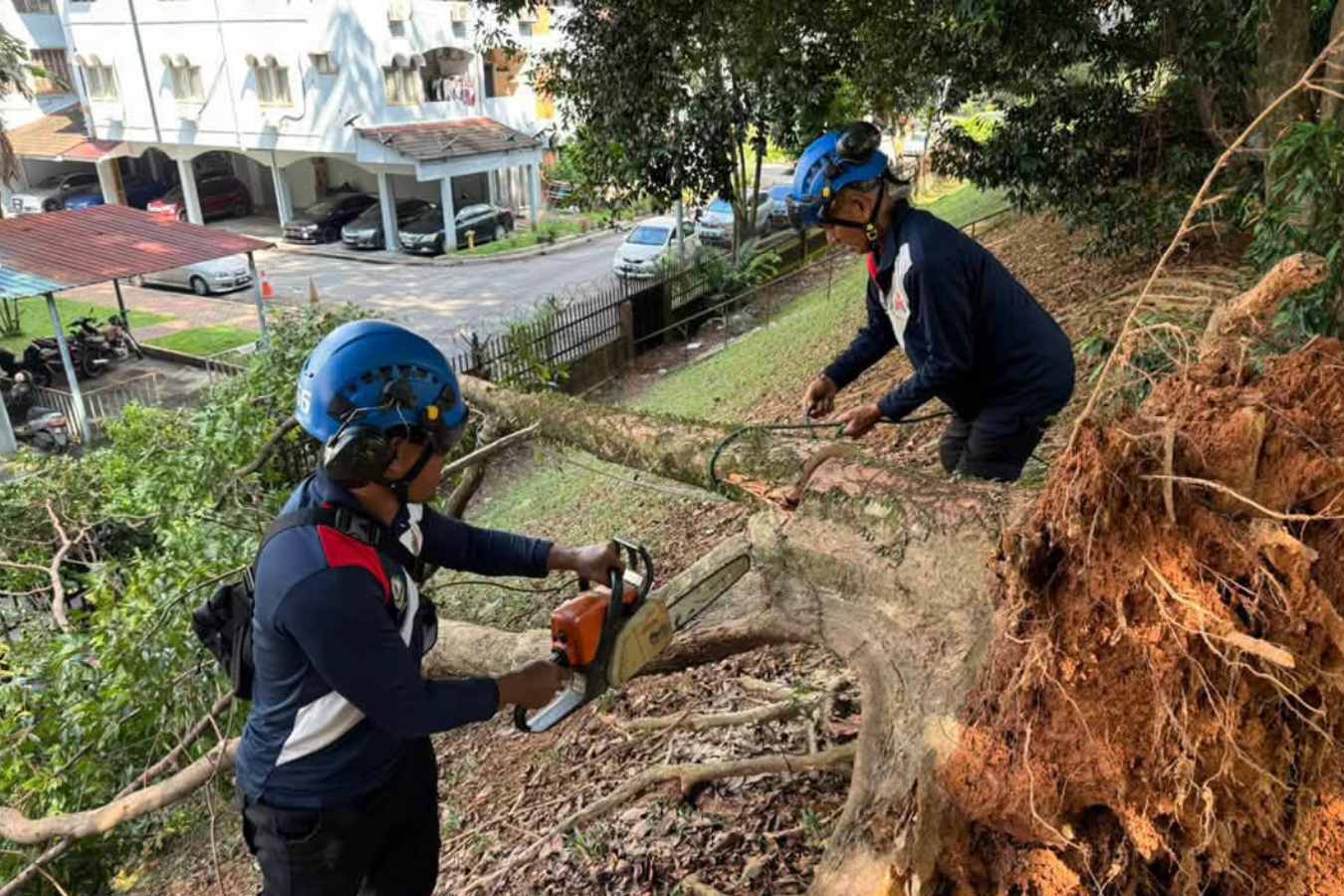
The complaint load is heavy. DBKL’s emergency squad handled 2,254 complaints in 2025, and 1,781 were fallen trees or broken branches. In January to April 2026, 593 of 732 complaints were of the same kind. CJ.MY found both periods run at about 148 a month, or five a day.
Courts and investigators have also pressed the City Hall. In March 2026, a Session Court ordered DBKL to pay RM824,180 over a 2023 death on Jalan Kuching. The judge found that monitoring and upkeep fell short. After a fatal fall on Jalan Tun Razak in July, DBKL began a technical probe with the Malaysian arborists’ association.
Residents can help by reporting leaning trees, cracked trunks, dead branches and exposed roots. Report fallen trees through DBKL’s 24-hour emergency squad. Check tags before you report, and avoid sheltering under old trees during storms. The 2019 shade tree plan is public on DBKL’s website.
DBKL said in 2024 that it was updating that plan and drafting guidelines for old trees. CJ.MY has not found the updated version. Readers who want the DBKL tree management rules can ask the City Hall. They can also follow updates on the Sponge City programme and KL’s drainage works.



 Admin

 Yalinie Mathan





Add comment