


 Yalinie Mathan
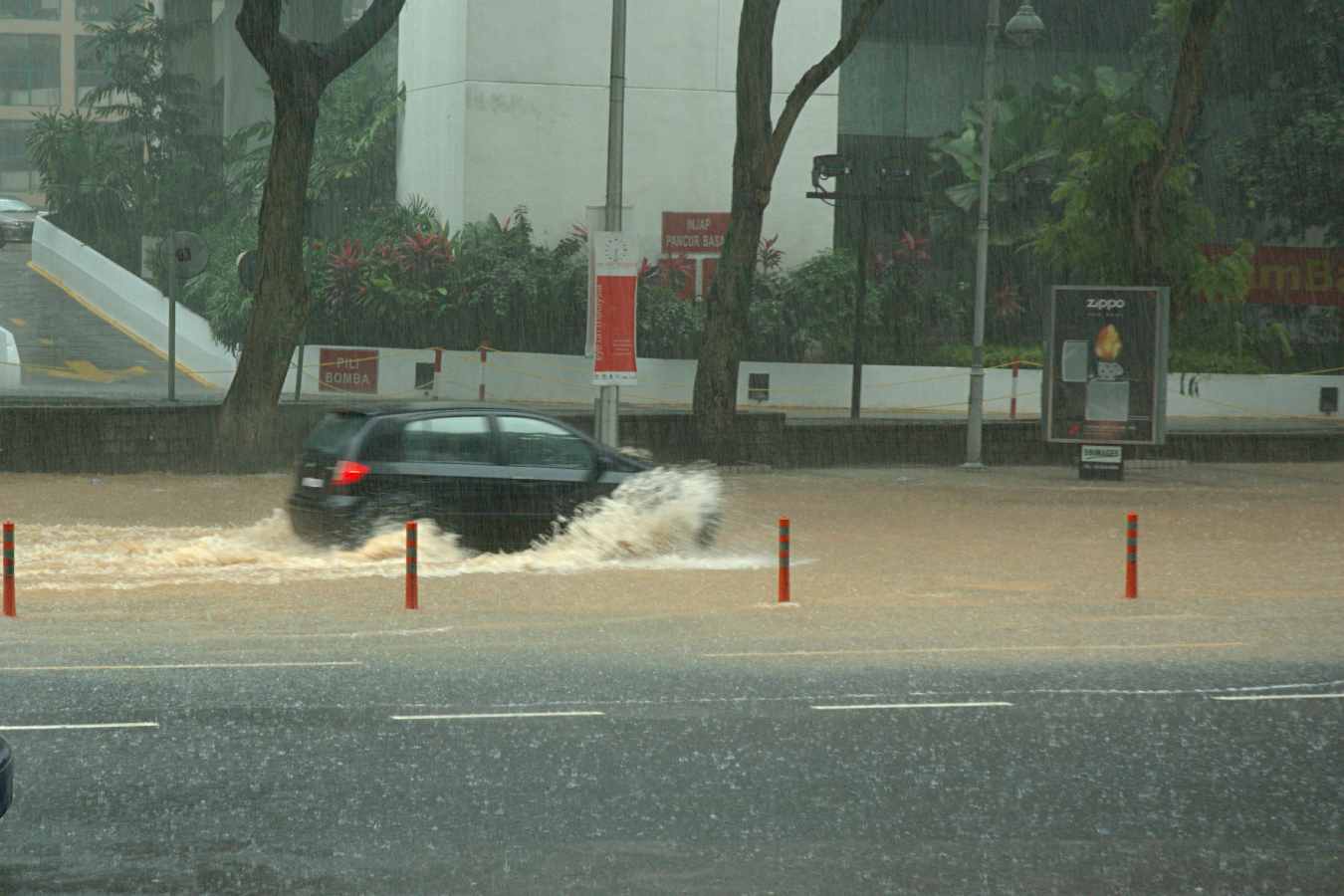
Kuala Lumpur flood hotspots have fallen to 14 from more than 30 in 2022. Minister in the Prime Minister’s Department (Federal Territories) Hannah Yeoh gave the figure on 19 November. She was speaking at the opening of the HSBC Wealth Centre in the city.
The city aims to cut the number to 10 by year-end. Hannah said the drop came from better rainwater management and flash flood preparedness. KL is also working towards a Sponge City model.
For residents, a shorter hotspot list matters most when heavy rain hits. Live reports go to the mayor during downpours, she said. Other plans cover walkways, parks and heritage.
Kuala Lumpur flood hotspots and the Sponge City push
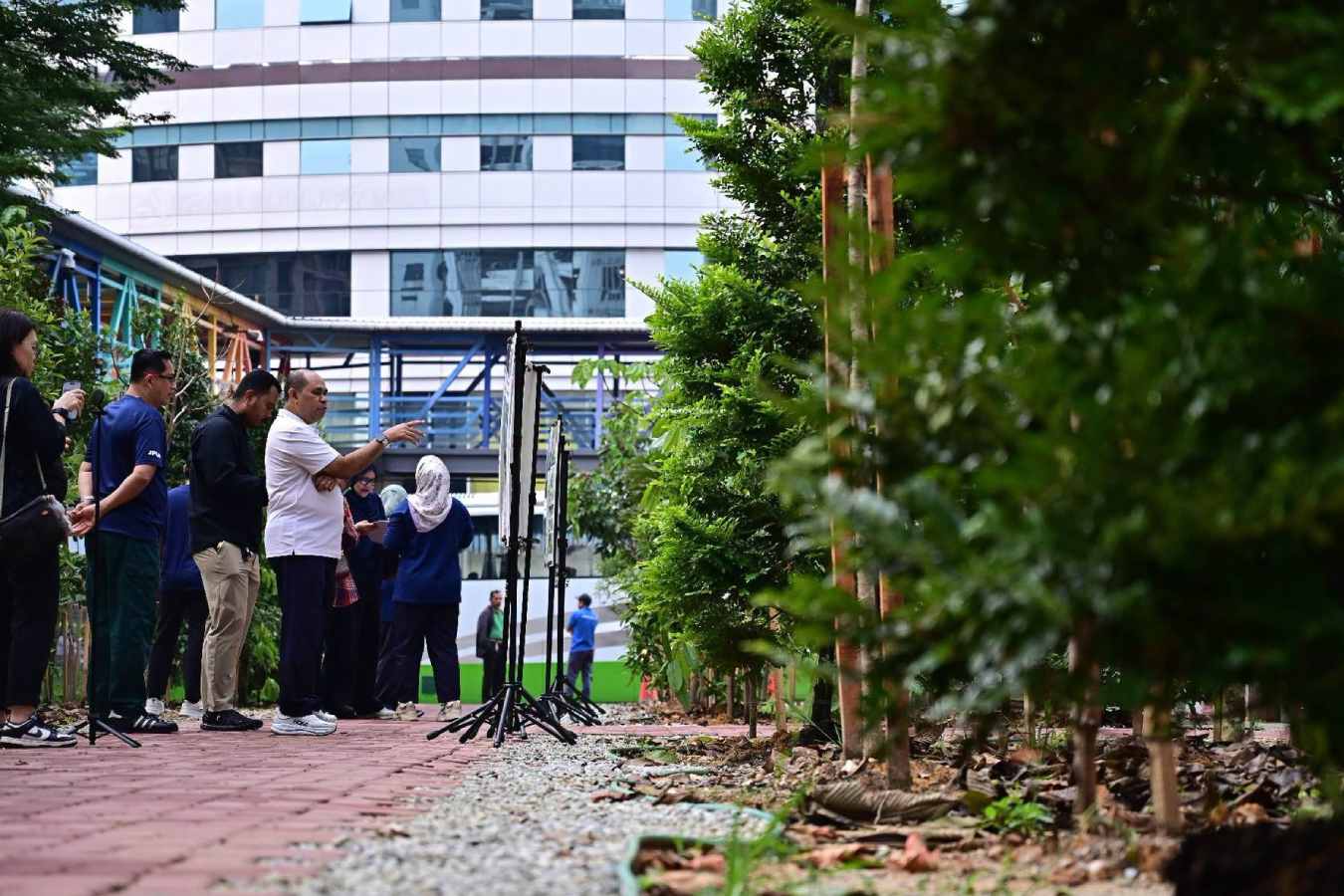
The count of Kuala Lumpur flood hotspots has more than halved since 2022. Fourteen hotspots remain, and the target is ten by December. That leaves about six weeks to deliver.
Rainwater detention is planned at Perdana Botanical Gardens and Padang Merbok. More than 60 private detention facilities are also monitored. All of this fits the city’s move towards a Sponge City model.
Live reports reach the mayor whenever heavy rain falls. That helps officials track conditions and respond quickly. Earlier, DBKL moved its flood warning to one hour ahead.
KL has also identified 32 green spaces for microforests by 2027. Hannah linked the plan to climate resilience, and she mentioned gazetting parks as well. These green pockets add to the city’s rainwater strategy.
Kuala Lumpur covered walkways across 11 constituencies

Budget 2027 plans 22km of covered walkways across all 11 constituencies. They will link homes, public transport stations, schools and clinics. Each constituency is set to get 2km, which Hannah said improves connectivity.
Hannah told Parliament on 2 November that the project would cost RM55 million. Work is scheduled to start in January 2027. The spending falls under DBKL’s operating expenditure. Completion is expected by the third quarter of next year.
Read more: KL plans a 22km covered walkway and railway heritage revival
Read more: DBKL flood warning now comes one hour early, not five minutes
Read more: Six restored Medan Pasar shophouses open as Muara Arts Gallery
CJ.MY first reported the 22km covered walkway plan on 29 October. The latest remarks repeat that scope, so nothing has changed in the length. The cost and timeline are the newer details.
Covered paths matter in a city of sudden downpours and heat. In October, Hannah noted public support and said officials would explore fast-tracking the project. Commuters near stations will be the first to feel any change.
Kuala Lumpur flood hotspots, heritage and the RM600m fund

RM600 million through Khazanah will fund heritage restoration. Hannah said the city is also investing in liveability, including protected green spaces. The list includes the Sultan Abdul Samad Building, Carcosa and Seri Negara. Each site sits in the older part of the city.
The money also covers Medan Pasar rejuvenation. Six restored shophouses there recently opened as the Muara Arts Gallery. Visitors can already see part of that work.
Programmes for senior citizens are part of the same package. Hannah framed the plans as ways to make KL more liveable. She tied them to a stronger economy and shared prosperity.
The Kuala Lumpur flood hotspots target gives readers a clear test. The count should drop from 14 to 10 by year-end. Residents in known hotspots should still follow DBKL warnings when rain is heavy.




 Sashidaran Gunathevan
 Maran Perianen





Add comment