


 Admin
AdminThe recently concluded Rain Rave Water Music Festival 2026 has delivered a measurable boost to Malaysia’s tourism economy and regional visibility, drawing strong crowds, energising local businesses, and showcasing the country’s cultural and creative industries on an international stage. Held over three days from April 30 to May 2 in Bukit Bintang, the event formed a key activation under the Visit Malaysia 2026 campaign, with parallel editions staged across seven other states.
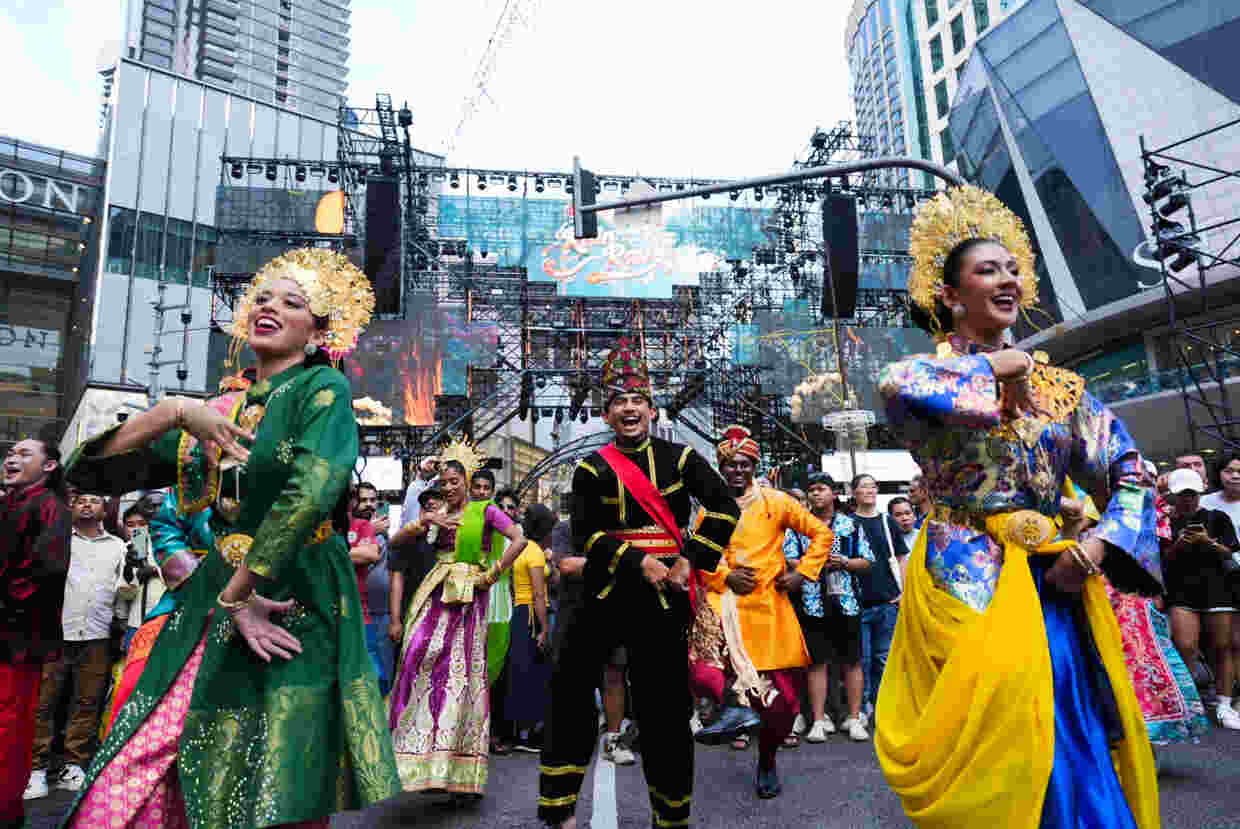
Attendance was estimated between 30,000 and 80,000 nationwide, with more than 7,000 visitors recorded on opening night in Kuala Lumpur alone. The strong turnout translated into immediate commercial gains, particularly for small and medium enterprises (SMEs), as the event model placed Malaysian vendors, artisans, and performers at the centre of the programme.
The festival comes amid rising intra-Asian travel demand, positioning Malaysia to capture a larger share of regional tourism flows while strengthening its appeal as a multi-experience destination.
Nationwide rollout extends tourism gains beyond capital
The Rain Rave initiative stood out for both its scale and coordinated execution. While Bukit Bintang served as the flagship urban venue, simultaneous programmes in Negeri Sembilan, Johor, Melaka, Kedah, Pahang, Terengganu, and WP Labuan ensured tourism benefits were distributed nationwide.

Each location curated activities rooted in local identity rather than a centralised template. Terengganu hosted a squid jigging carnival in Marang, Johor featured a floating market alongside traditional games, while Negeri Sembilan combined a neon-themed fun run with live performances in Port Dickson.
This decentralised approach channelled visitor spending into regional economies, reducing over-reliance on Kuala Lumpur while highlighting diverse tourism offerings across the country. It also demonstrated Malaysia’s capacity to execute synchronised, multi-state tourism campaigns at scale.
Cultural identity and SMEs drive daytime economy
A defining feature of the event was its integration of cultural programming with grassroots commerce. Daytime activities centred on curated food markets and craft zones, where local hawkers, artisans, and performers engaged directly with visitors.
In Kuala Lumpur, Bukit Bintang’s commercial district became a focal point for SME participation, with halal street food vendors and craft exhibitors benefiting from sustained crowds throughout the long weekend. Cultural programming, delivered in collaboration with national arts and heritage agencies, included traditional performances, live demonstrations, and family-oriented activities.

This reflects a deliberate shift towards experience-led tourism that integrates heritage with commercial participation. In high-traffic zones such as Bukit Bintang’s food and retail clusters, vendors collectively recorded revenues exceeding RM200,000, underscoring the event’s immediate economic impact.
Beyond direct sales, the programme created short-term employment across event production, logistics, technical services, and creative performance, further extending its economic footprint.
International line-up draws regional crowds
The inclusion of regional and international acts helped drive cross-border attendance, reinforcing Kuala Lumpur’s growing presence on Asia’s festival circuit. Across three nights, Malaysian performers shared the main stage with acts from across Asia and Europe, creating a balanced line-up that appealed to both domestic and international audiences.
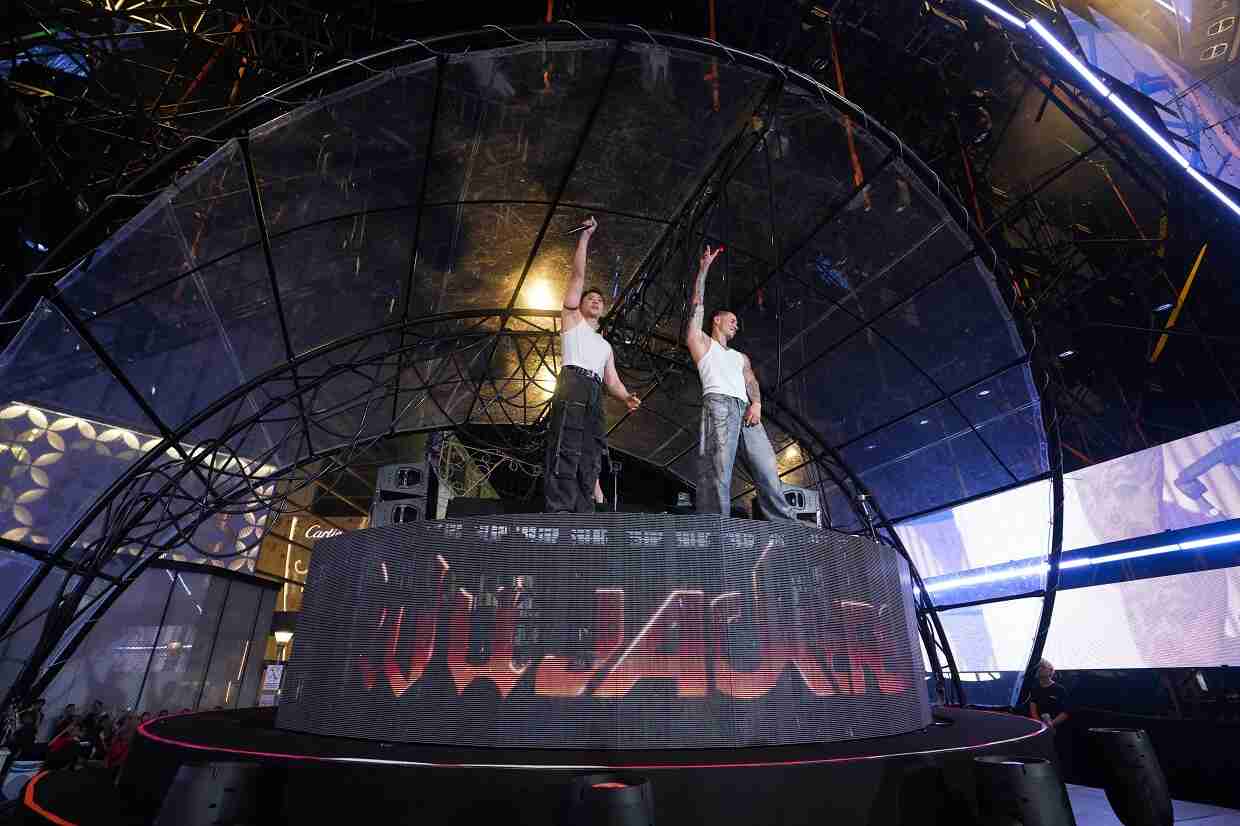
The second night’s headline performance by international electronic duo WUJACKERS drew visitors from across ASEAN, reflecting the pull of globally recognised festival names when paired with strong local programming. Supporting acts from Thailand, China, Indonesia, the Philippines, and the Republic of Korea further strengthened the event’s regional appeal.
The programme’s scale and reach were recognised by Asia Records, which certified it as the largest urban tourism cultural and music festival of 2026. This recognition underscores Malaysia’s ability to host large-format events capable of competing within the regional entertainment landscape.
Hospitality and retail sectors see strong spillover
The event’s economic impact extended beyond its immediate footprint. Located in the heart of Bukit Bintang, the Kuala Lumpur edition leveraged partnerships with major retail centres, hotels, and tourism stakeholders to maximise visitor spending.
Approximately 80 hotels nationwide offered promotional packages tied to the festival weekend, contributing to higher occupancy rates during the Labour Day holiday period. Retailers, food and beverage outlets, and entertainment venues across the district reported increased foot traffic, as attendees explored the surrounding area before and after scheduled programmes.
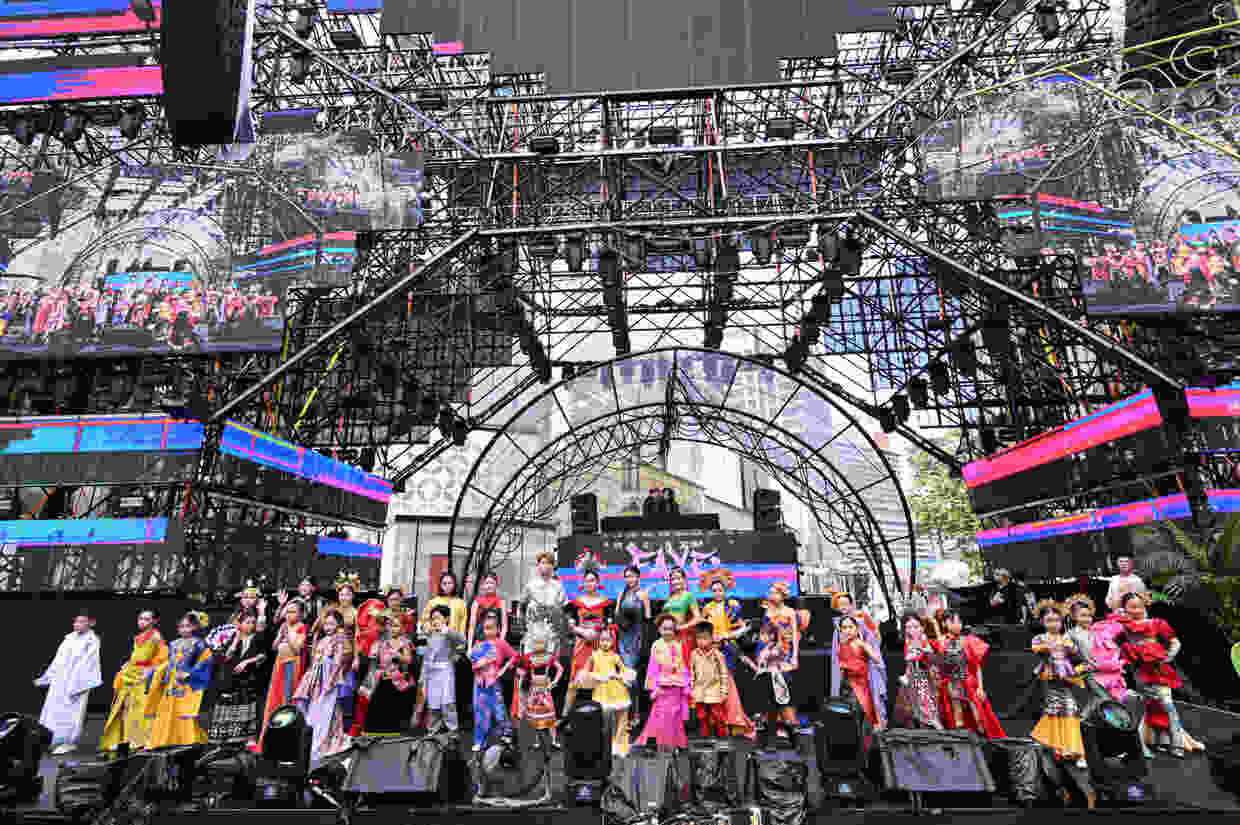
The closing night in Kuala Lumpur brought together cultural performance and large-scale production, combining traditional elements with synchronised water displays and lighting effects. The finale encapsulated the campaign’s theme of blending heritage with contemporary entertainment to appeal to a broad spectrum of travellers.
As a flagship initiative under Visit Malaysia 2026, the Rain Rave Water Music Festival demonstrates how integrated programming across culture, entertainment, and commerce can drive sustained tourism growth. Its success signals a scalable model for future campaigns, where coordinated nationwide execution and localised experiences work in tandem to extend economic benefits across communities while sustaining visitor momentum beyond a single campaign cycle.


 Maran Perianen
 C. Khor
 Sashidaran Gunathevan




Add comment