

 Yalinie Mathan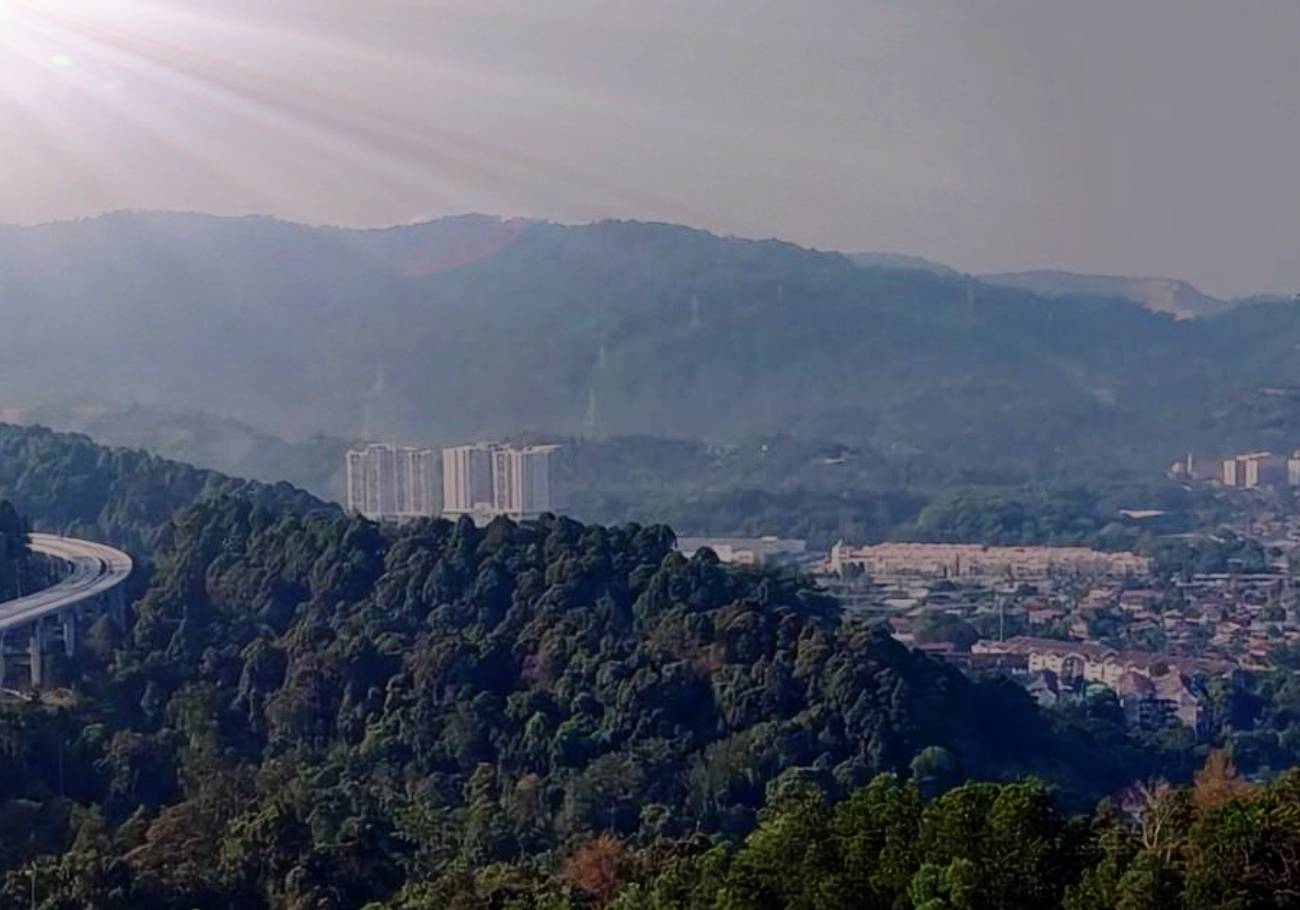
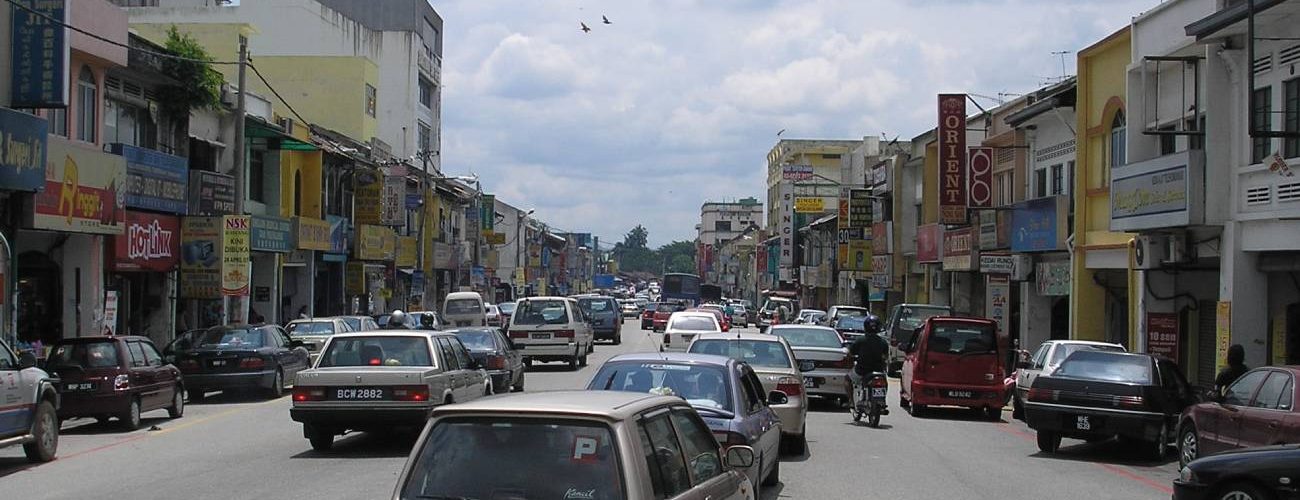
Every day, thousands of commuters pass through Rawang on their way to Kuala Lumpur without a second thought. It is the town between the highway exits — somewhere to refuel, somewhere to grab a quick meal, somewhere you live because the commute is bearable.
Yet this unassuming Selangor town quietly achieved more “firsts” in Malaysian history than almost anywhere else in the country.
Before Kuala Lumpur had electric streetlights, this town did. Before any other town in Malaya had a power station, this town had one. And the country’s first cement factory still stands here, even after its closure in 2020.
Rawang: The town that switched on Malaya
Rawang’s story begins with tin. In 1825 and this town became the second site in Selangor explored for tin mining, developing alongside the much larger tin operations in Perak.
Hakka immigrants arrived from the 1860s onward, drawn by the same mining boom that built Kuala Lumpur.
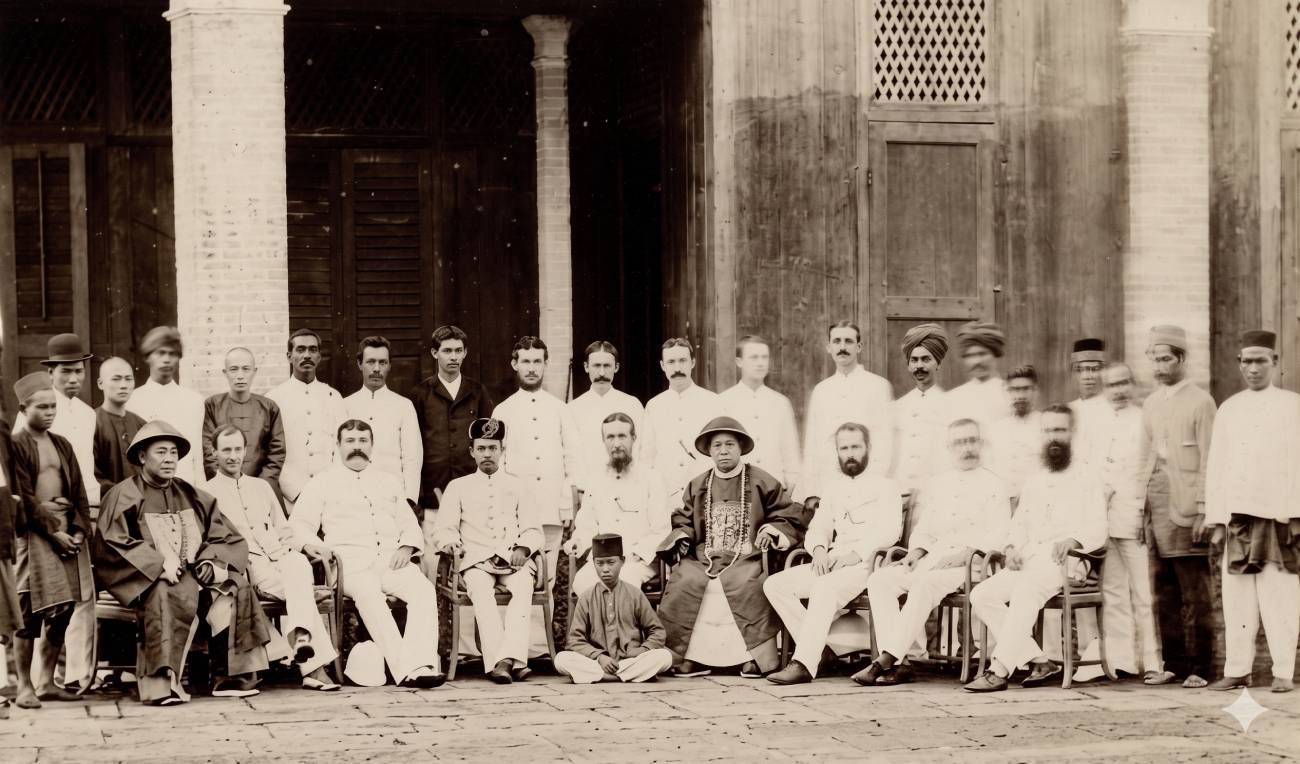
In 1894, two tycoons — Loke Yew and K. Thamboosamy Pillay — installed the first electric generator in British Malaya right here in this town. The purpose was practical: powering the tin mines more efficiently. However, the impact went far beyond the mines themselves.
As a result, Rawang became the first town in Malaya to use electric pumps for tin mining. It also became the first town with electric street lights.
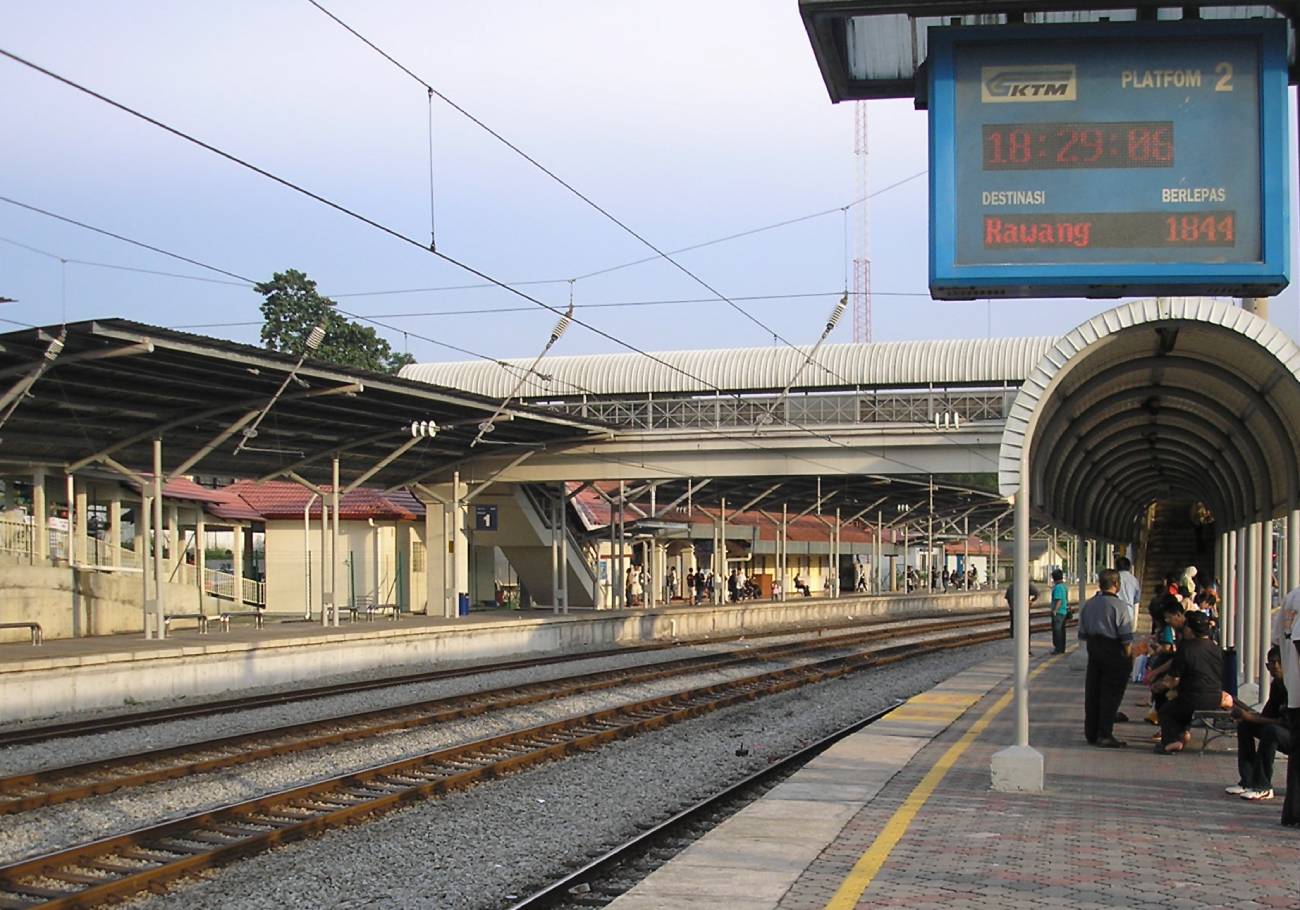
Furthermore, Rawang Railway Station was the first station in Malaya with electricity to power its lamps and fans. Before Kuala Lumpur lit up its streets, Rawang already had.
A civil war battlefield hiding in plain sight
Long before electricity arrived, Rawang found itself at the centre of a war.
In May 1871, during the Selangor Civil War, Rawang became the site of a major battle. Syed Mashhor — having already been defeated once at Ampang — gathered roughly 1,000 men and marched toward Kuala Lumpur a second time.
Standing in his way was a camp of around 500 men near Rawang, commanded by Yap Voon Lung under Kapitan Yap Ah Loy’s overall command.
The fighting was brutal and lasted days. Yap Voon Lung’s initial position fell after losing over 40 men, forcing a retreat. However, reinforcements arrived from Kuala Lumpur under Hiu Fatt, and the two camps devised an ambush. Mashhor’s forces were lured into a trap between two positions and suffered heavy losses.
Meanwhile, rival Hakka leader Chong Chong held a separate camp near this town. When Kuala Lumpur’s commander Chung Piang launched a final assault, he identified a weakly defended flank and broke through.
Chong Chong’s camp was overrun, costing Chung Piang’s side 70 killed and over 100 wounded. Chong Chong fled toward Serendah, where his remaining men were routed. He was never seen again — likely killed, though his body was never identified.
Consequently, what is now a quiet stretch between Rawang and Serendah was once one of the bloodiest battlegrounds of the Selangor Civil War. Today, nothing visibly marks this history. Commuters drive through it every single day without knowing it.
From tin mines to cement — Another first for Rawang
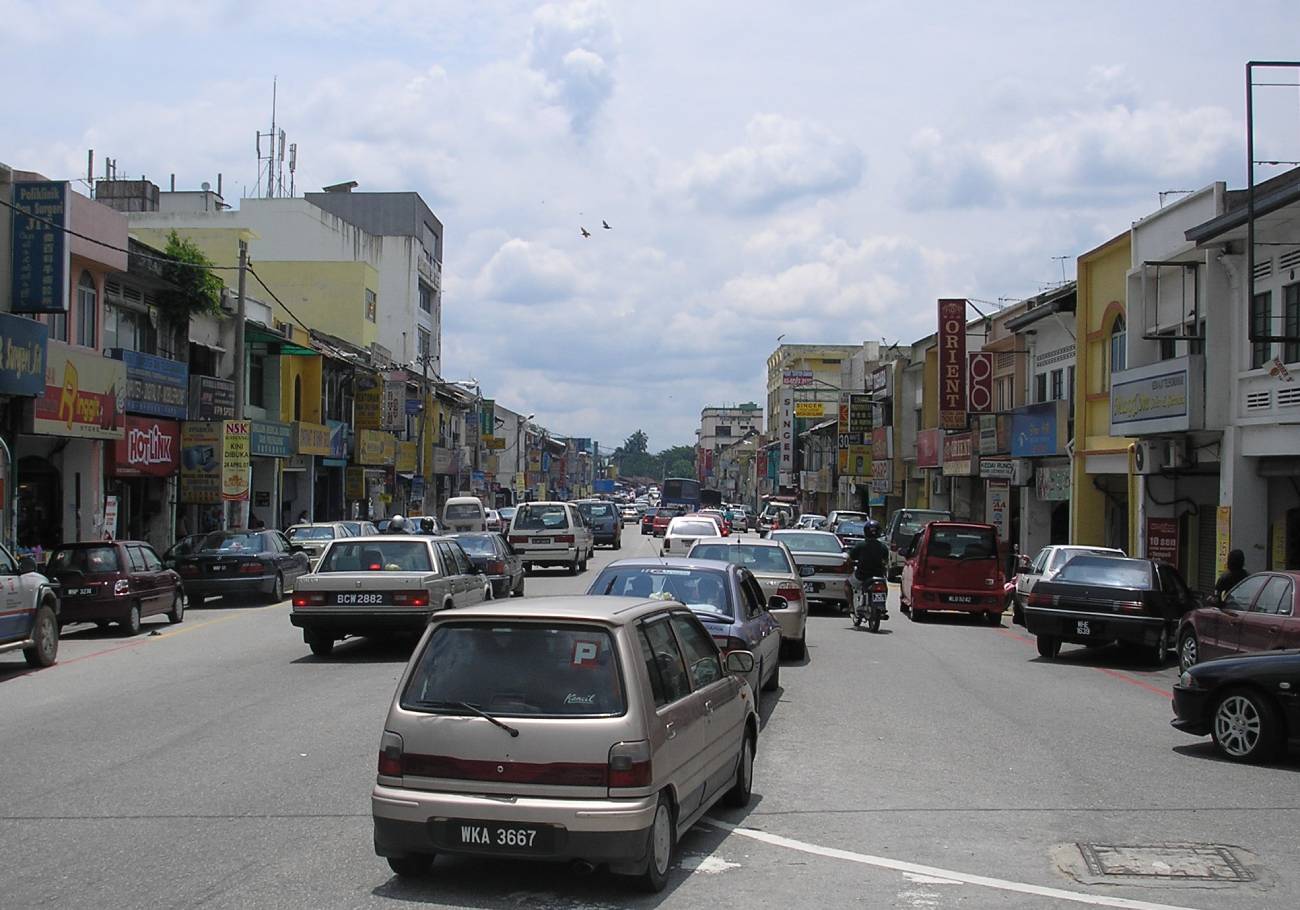
When the tin industry declined in the mid-20th century, Rawang reinvented itself once again.
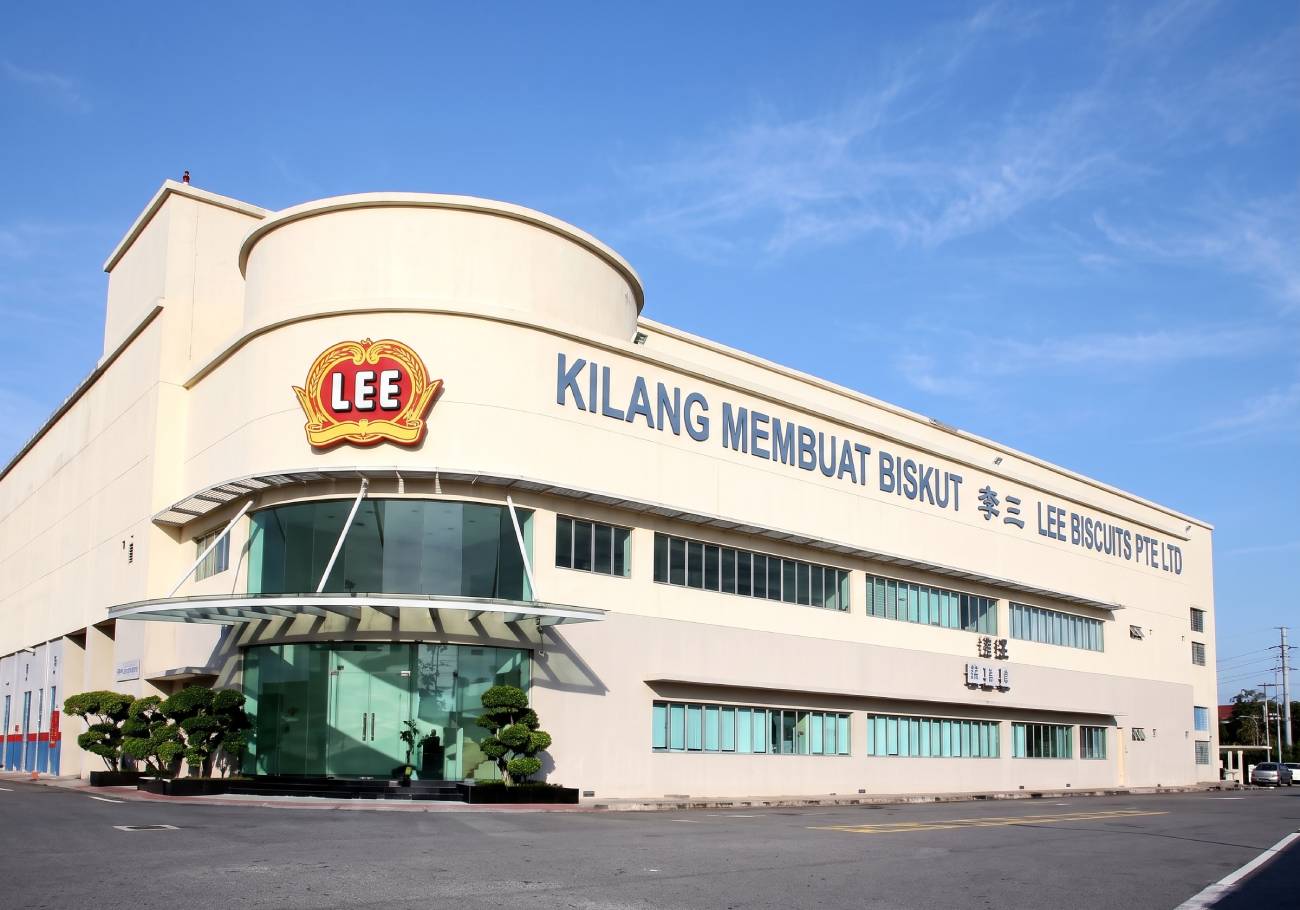
In 1953, the Associated Pan Malayan Cement Company launched Rawang Works — the first cement factory in Malaya.
It was built on land vacated by tin mining operations that had moved westward to what is now Bestari Jaya. Moreover, this made this town one of the earliest towns in Malaysia to produce agricultural goods, natural resources, and cement simultaneously.
The factory later became part of Lafarge Malaysia, then YTL Cement, before finally closing in 2020 due to high production costs.
Nevertheless, the site retains significant value as a land bank for future development — meaning Rawang’s industrial story is far from over.
Rawang: A town of many communities
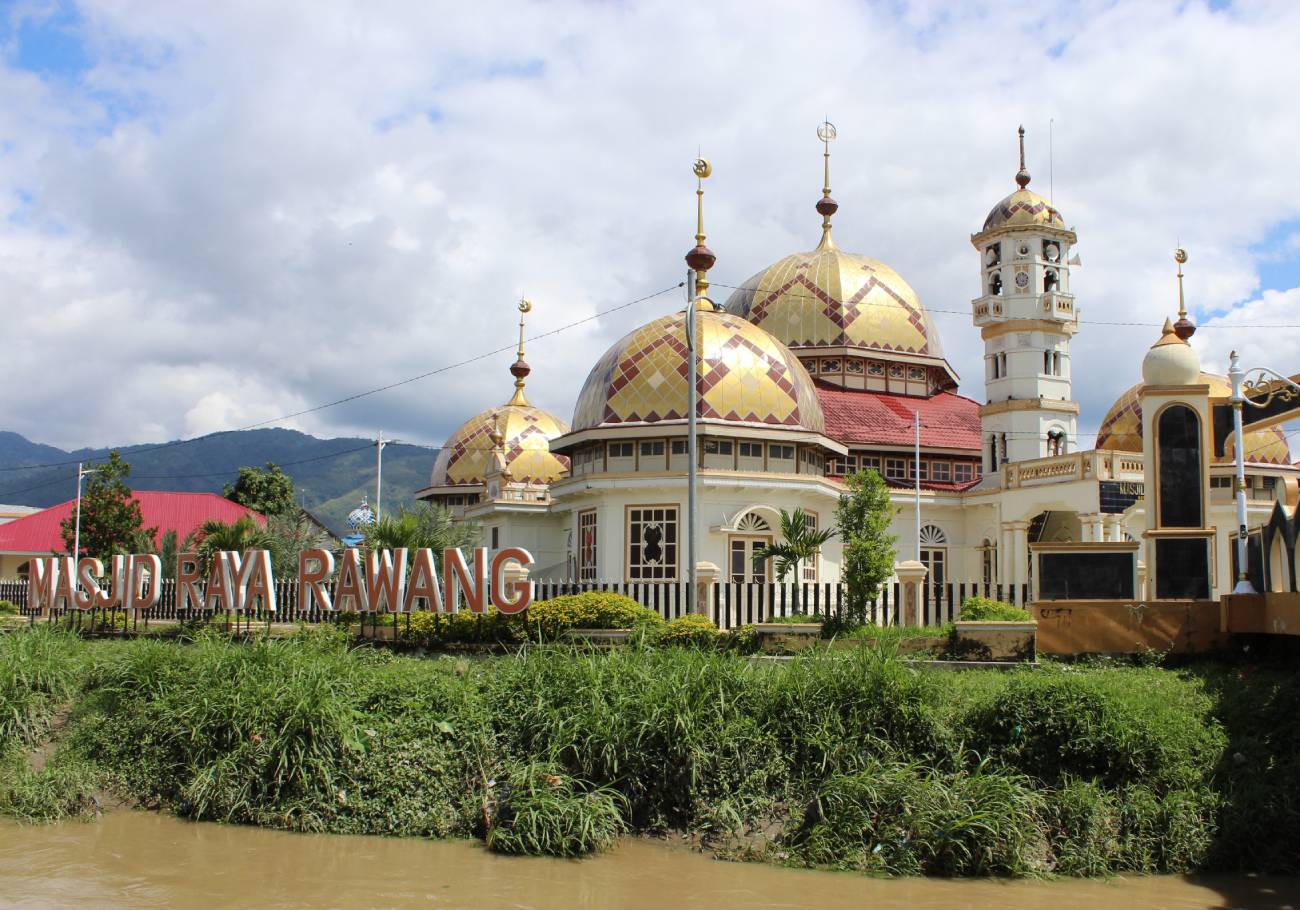
Rawang’s diversity tells its own story. The Sze Yeah Kong Temple, founded by Hakka immigrants in 1869, remains one of Rawang’s oldest religious sites.
Nearby, the Sri Veerakathy Vinayagar Temple has served the Tamil community since 1943 — many of whom worked in the cement factory and surrounding plantations.
Additionally, Rawang is home to one of Malaysia’s few Gurkha settlements, descendants of Nepali military personnel brought in by the British.
A Sikh gurdwara has stood near the railway station since 1938. Meanwhile, St. Jude’s Church has served the Catholic community since 1957, with its annual October feast drawing crowds from across the country.
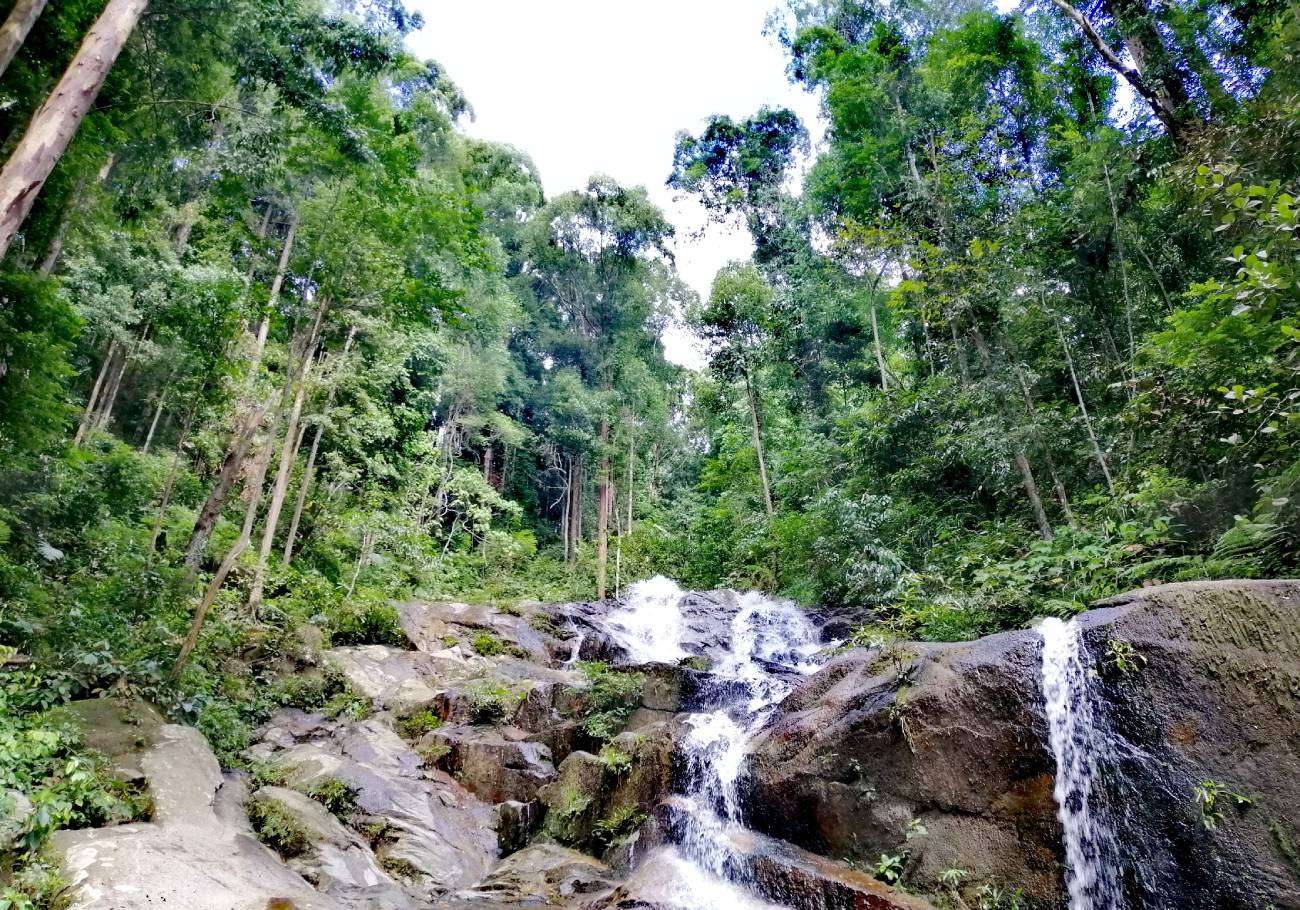
For visitors, Rawang’s appeal now lies mostly in its surroundings rather than its town centre. Templer Park offers waterfalls and hiking trails just outside town. The Kanching Rainforest Waterfall — a seven-tiered cascade — remains one of the most scenic spots in the area.
The Rawang Bypass, meanwhile, is worth driving for its own sake. Its 2.7km elevated section stands 58.2 metres high, making it one of the tallest highway structures in Southeast Asia.
It was built using a construction method introduced to Malaysia for the first time, specifically to minimise damage to the surrounding forest reserve — home to the critically endangered Hopea subalata tree.
If you are travelling between Rawang and Batu Arang, the Smart Selangor MPS3 free bus connects both towns directly — linking two places that quietly shaped Malaysia’s industrial history, separated by little more than a few kilometres of road.
Rawang is located in the Gombak District of Selangor, approximately 25km northwest of Kuala Lumpur via the North-South Expressway or Guthrie Corridor Expressway.


 Amirull Salihing
 C. Khor



Add comment