


 C. Khor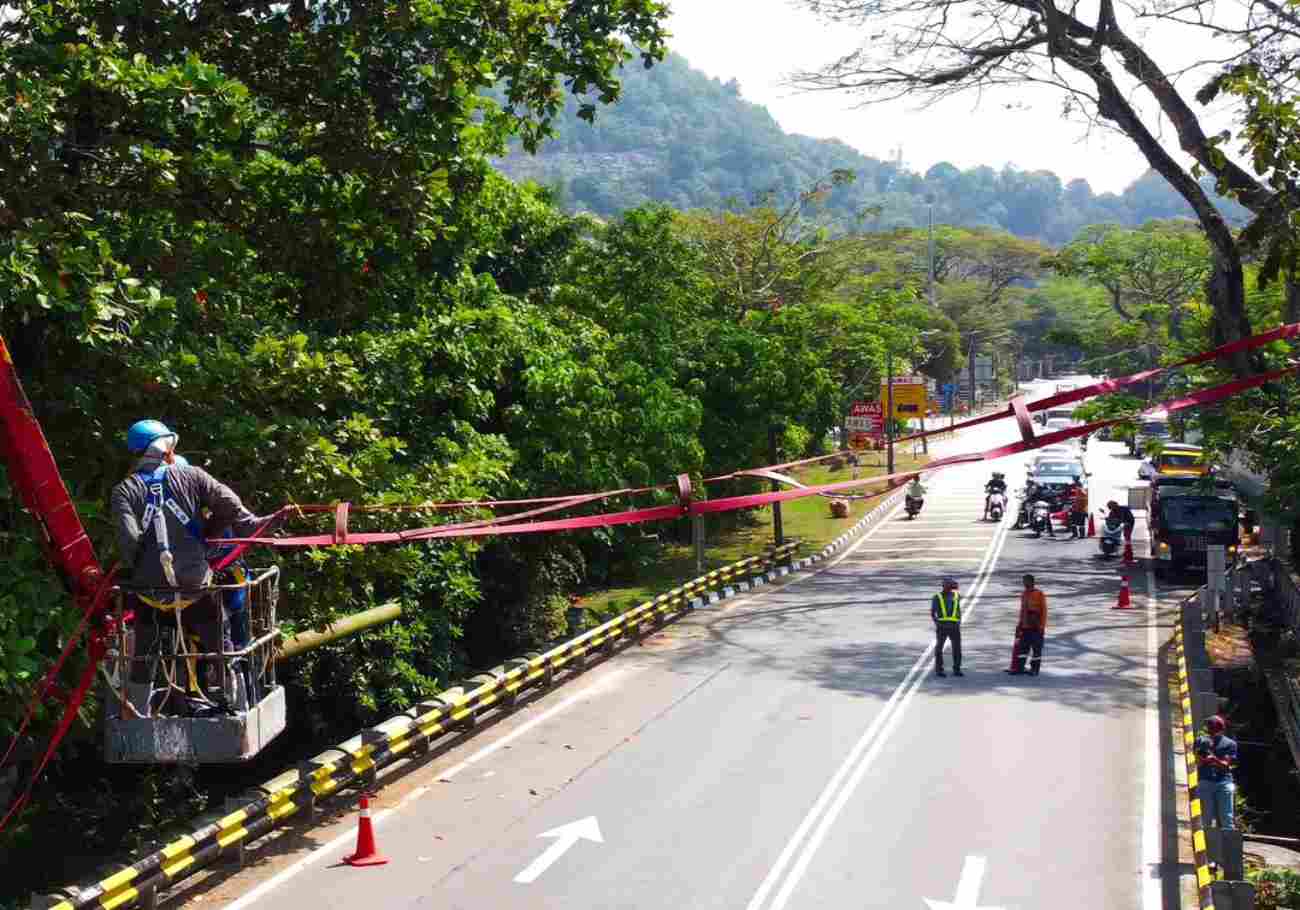
In 2016, primatologist Dr Yap Jo Leen was tracking dusky langurs in the forests of Penang when she watched one of them — a langur her team had named Towkay Soh, Hokkien for “lady boss” — get struck by a car while crossing a busy coastal road.
Dazed, the langur managed to get back on her feet and retreat into a tree while Yap and her colleagues blocked traffic. Over the days that followed, the langur group’s response stayed with Yap.
“Female individuals, they would approach her and groom her and even try to make her feel better,” she said. “I always believe that the primates, humans and monkeys, we all share a similarity, which is connection.”
That moment set off a conservation project now drawing attention from AFP, Bernama and Mongabay — and quietly changing how Penang residents think about the wildlife living alongside them.
Three bridges, zero deaths
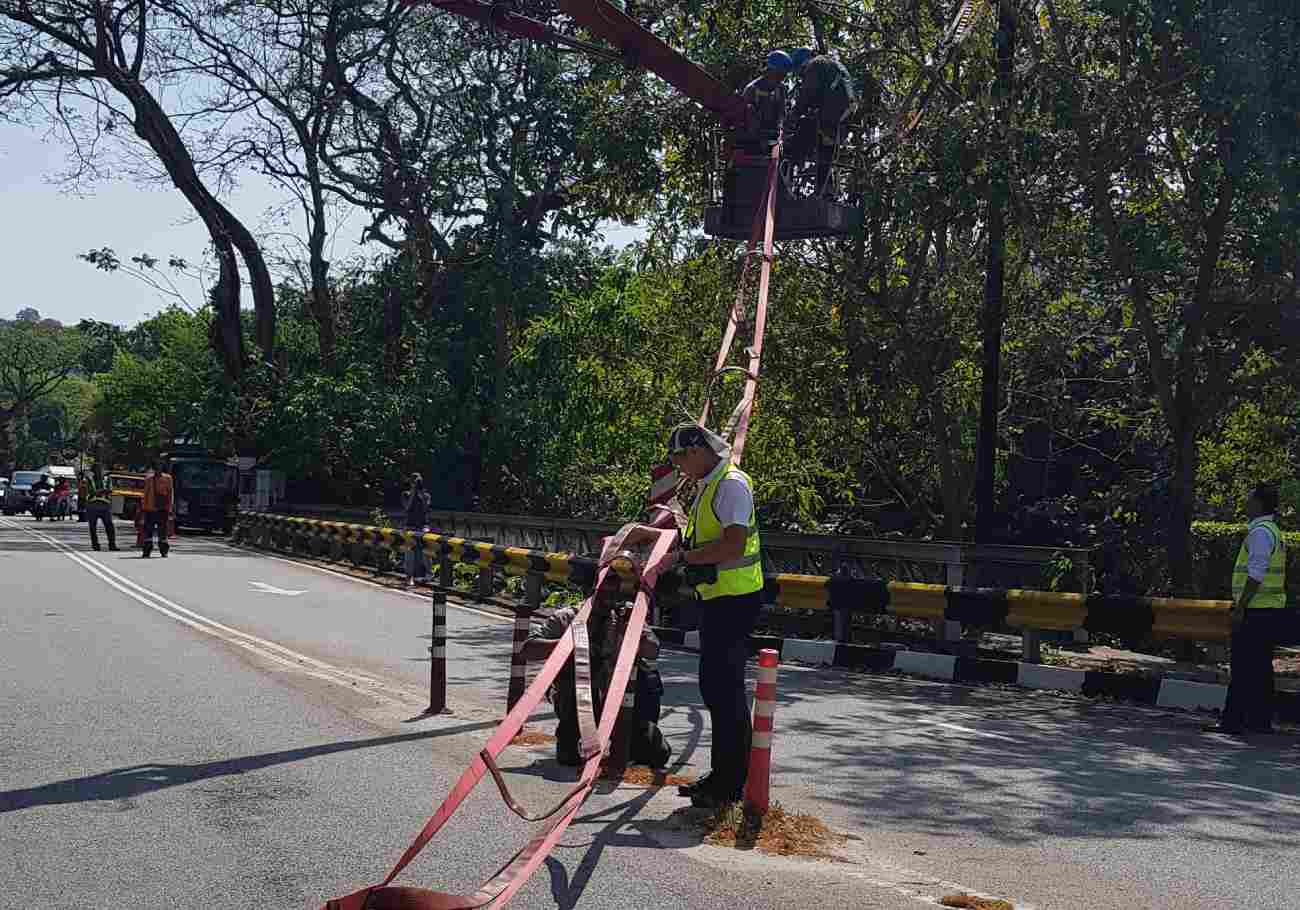
Dr Yap founded Langur Project Penang (LPP) and in 2019 built Malaysia’s first artificial canopy bridge over a busy road in Teluk Bahang. The result was immediate. At that site, at least eight dusky langurs had died in traffic accidents between 2016 and 2018. No deaths have been recorded there since the bridge went up.
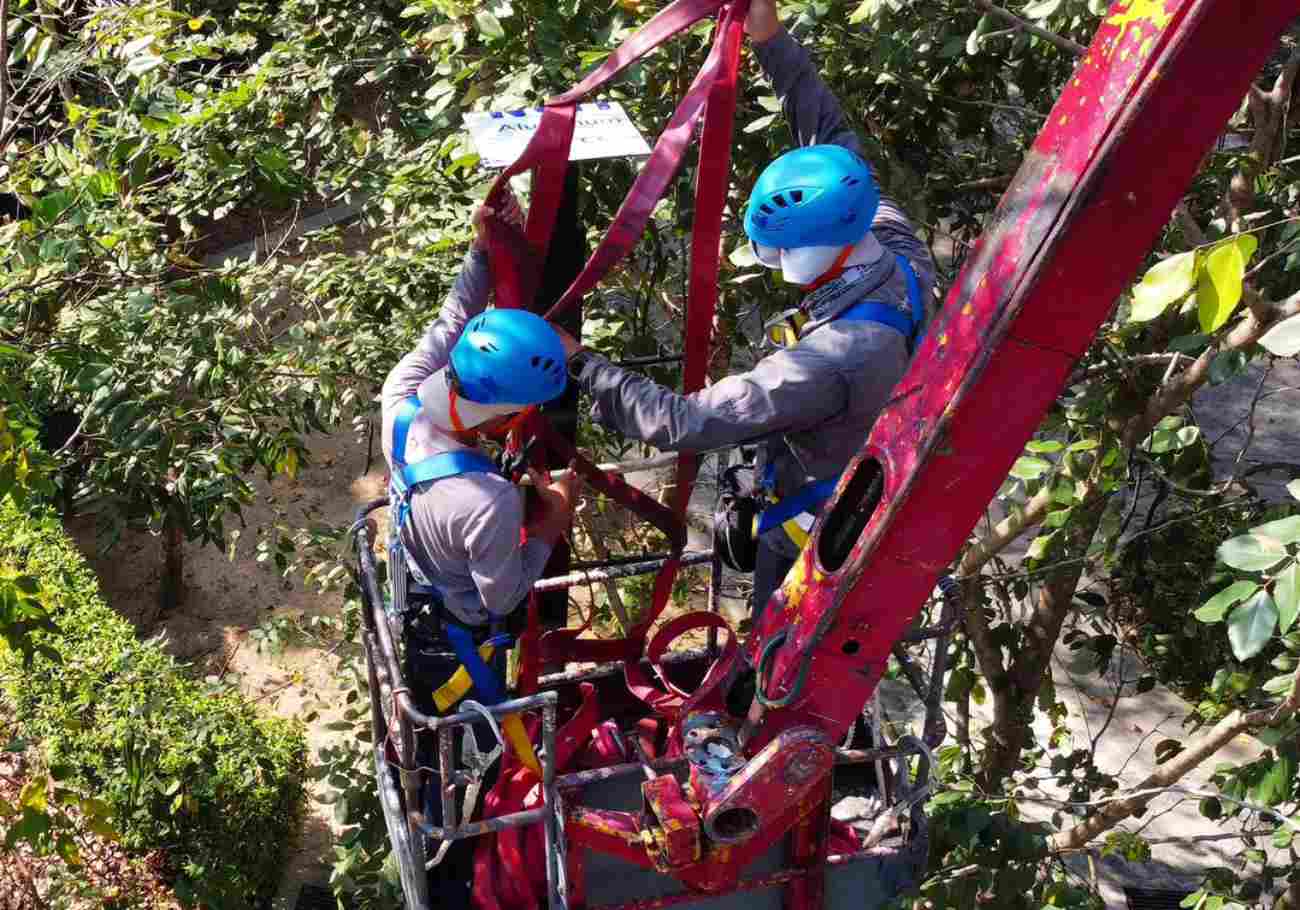
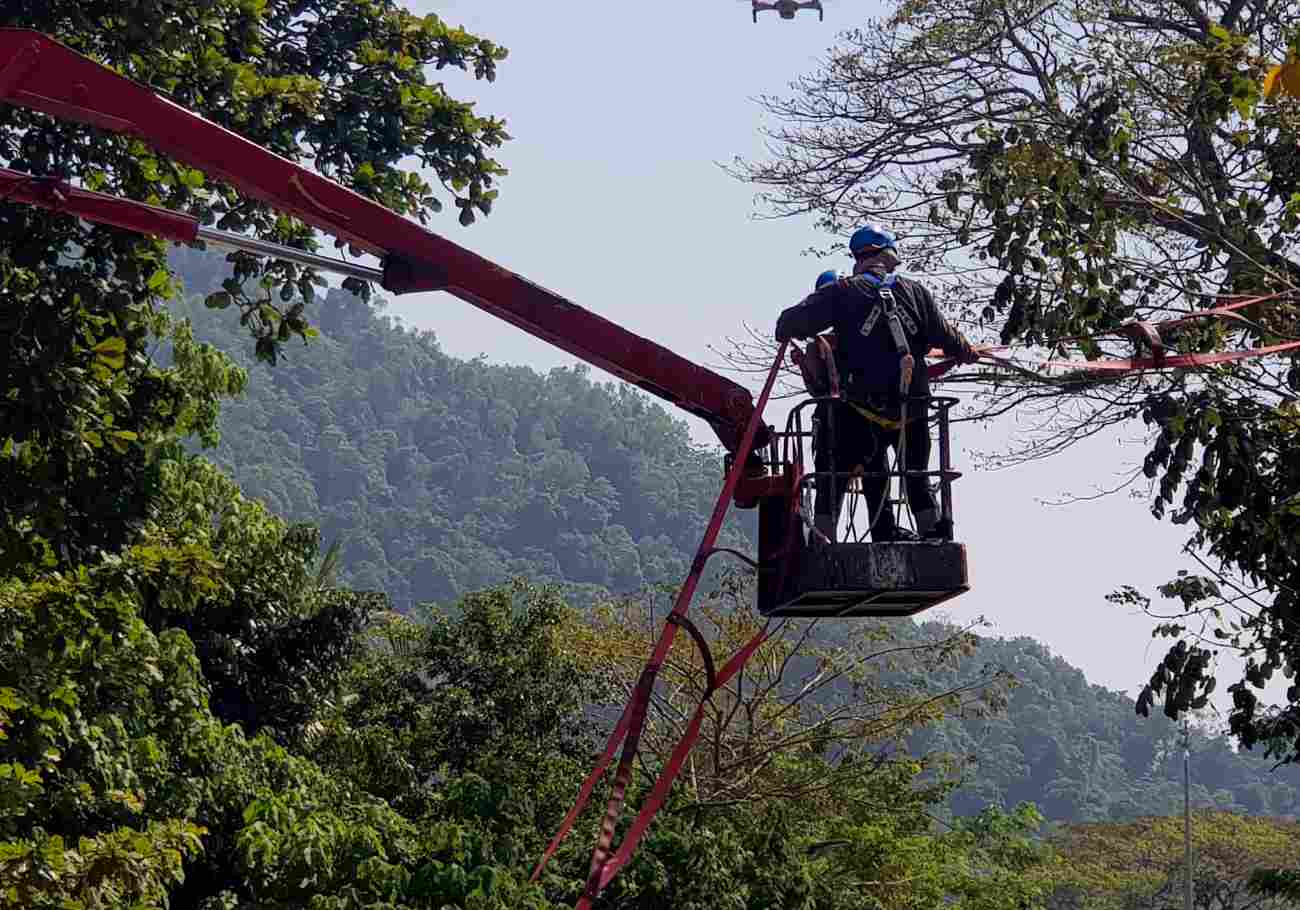
The bridge material was equally inventive. According to the LPP press release, the main material is decommissioned fire hoses collected from the Fire and Rescue Department of Malaysia — upcycled waste turned into a wildlife crossing.
LPP followed with a second bridge, Numi’s Crossing in Tanjung Bungah, in 2024. Then on 8 April this year, a third bridge went up in Batu Ferringhi — named The Obscura, after the dusky langur’s scientific name Trachypithecus obscurus.
“Behind each road canopy bridge we install, there are countless stories from both human and monkey perspectives. We are bringing a new canopy bridge to Batu Ferringhi, not only to ensure it provides a safe passage for our wildlife neighbours but also to serve as a living blueprint for urban human-wildlife coexistence,” said Dr Yap.
Together, the three bridges have recorded more than 8,500 wildlife crossings and helped nine species safely cross roads, including the dusky langur, long-tailed macaque, Sunda slow loris, Asian palm civet, black giant squirrel, plantain squirrel, paradise tree snake, many-lined sun skink and green-crested lizard.
A community that watches, records and cares
The bridges are only half the story. LPP has built a citizen science programme where volunteers — from students to working adults — observe wildlife behaviour, record movement patterns and document human-primate interactions on the ground.
Volunteers receive a small stipend and training in fieldwork in return for committing to track the monkeys for at least three months, using spreadsheets and the Wikiloc trail app to record GPS coordinates.
The Batu Ferringhi chapter has also brought in local voices. “Growing up in Batu Ferringhi, I have observed the landscape changes in the area and firsthand witnessed the impact of human-feeding wildlife activities in several key areas, which have led to increased conflicts between humans and wildlife and a decline in local biodiversity,” said Lim Hock Cheng, chairman of MPKK Batu Ferringhi, who is collaborating with LPP on community engagement and environmental education.
Wong Hui Yi, LPP’s project executive, added that Batu Ferringhi was chosen for its rich urban biodiversity — sea eagles in the sky, monkeys leaping from rain trees to cable lines, black giant squirrels in the Angsana trees. “It is a positive sign that more people are developing stronger interest in discovering Penang’s local natural heritage, boosting the local ecotourism industry,” she said.
The government is paying attention
The project has also earned state-level support. Zairil Khir Johari, Penang State EXCO for Infrastructure, Transport and Digital, and State Assemblyman for Tanjong Bunga, endorsed the project and facilitated the JKR road canopy bridge permit.
“Projects like The Obscura canopy bridge demonstrate how planning and science-based solutions can be integrated into development to address real environmental challenges on the ground.
Efforts such as ‘Bridge to Coexist’ not only promote coexistence between humans and wildlife but also reinforce Penang’s identity as a state that values and protects its natural heritage,” he said.
Complaints from one residential estate in Tanjung Bungah dropped significantly after Numi’s Crossing went up, as the langur group gained access to more forest territory and spent less time in the neighbourhood searching for food.
“Primate observation is more than just scientists’ work — it can be everyone’s hobby, like bird-watching,” said Dr Yap. “Conservation should be accessible to everyone.”
Peninsular Malaysia has lost more than half its forest cover since 1900 as its human population grew from 1.7 million to 25 million. The dusky langurs did not move into the neighbourhoods. The neighbourhoods moved into theirs.
LPP is currently looking for volunteers. Visit langurprojectpenang.com/get-involved to find out more.

 Maran Perianen






Add comment