


 Admin
AdminMalaysian organisations are being urged to strengthen workforce capabilities and governance frameworks as artificial intelligence (AI) adoption accelerates, with industry leaders warning that technology investments alone will not deliver sustainable business transformation.
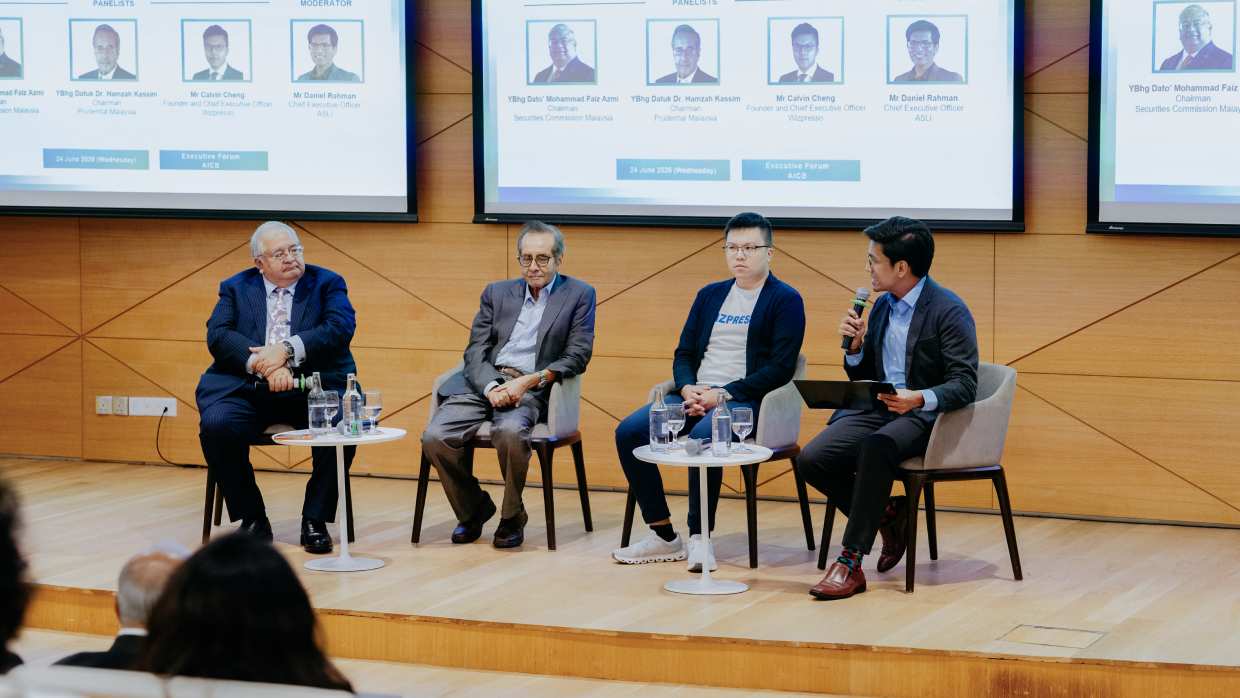
The call was made during the leadership forum, From Oversight to Foresight, organised by the Institute of Chartered Accountants in England and Wales (ICAEW) Malaysia in collaboration with FIDE FORUM. The event brought together leaders from the governance, finance and technology sectors to examine how AI is reshaping organisations and the leadership required to manage its risks and opportunities.
Speakers agreed that while businesses are increasingly embracing AI, many remain insufficiently prepared to manage its implementation, governance and long-term impact, creating a widening gap between technological ambition and organisational readiness.
Governance and AI literacy remain key challenges
Founder of Wizpresso, Calvin Cheng, highlighted findings from research by the Hong Kong Chartered Governance Institute involving more than 2,500 listed companies, revealing a significant disconnect between AI adoption and governance.
“We found that 88 percent of companies talked about AI in their annual reports and strategies. But less than 25 percent actually talked about AI governance and AI risk management,” he said.
Cheng cautioned that some organisations, particularly smaller companies, were promoting AI ambitions without establishing the necessary governance structures or developing workforce capabilities to support implementation.
“Giving people the right tools are not enough. It’s like giving an iPad to a monkey,” he said. “AI literacy is one of the first stages of the journey. The real question is: how do we equip people with the knowledge and training to use these tools effectively and efficiently?”
Moderator Danial Rahman, Chief Executive Officer of the Asian Strategy & Leadership Institute (ASLI), observed that AI adoption is already widespread among professionals, noting that more than three-quarters of the forum’s audience of bankers and chartered accountants already use AI in their work and daily routines.
Human judgement remains central to AI transformation
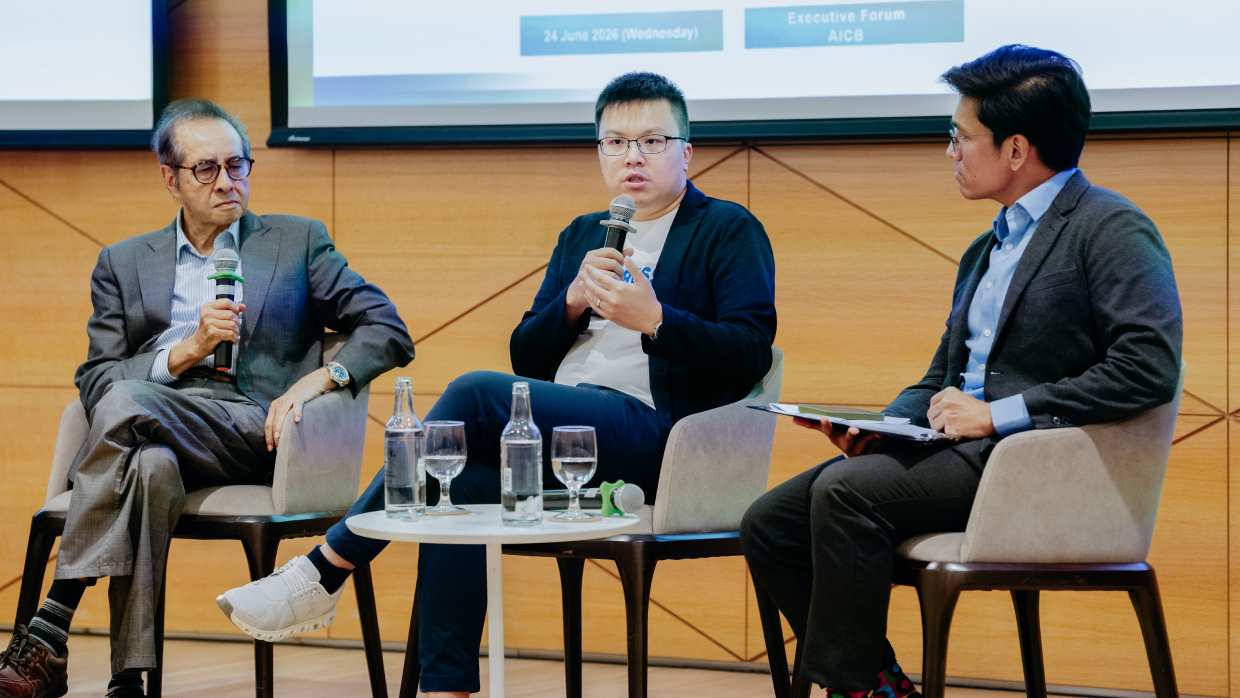
Chairman of Prudential Assurance Malaysia, Dato’ Seri Hamzah Kassim, said many organisations remain at the pilot stage because leadership teams often underestimate the organisational changes required to successfully deploy AI.
“Most organisations remain stuck at the experimental stage due to limited risk appetite, talent shortages, challenges in proving ROI, and the scale of change required,” he said. “AI is not a project, it is a business and operating model transformation.”
Hamzah stressed that AI initiatives should not be viewed simply as technology deployments, arguing that leadership alignment and governance play a more decisive role than software capabilities.
“AI failures are rarely technical,” he said. “They’re governance failures. When boards and management aren’t working together as a team, implementation stalls.”
Meanwhile, Securities Commission Malaysia Chairman and ICAEW Council Member Dato’ Mohd Faiz Azmi reminded participants that AI differs from conventional rules-based technologies because it introduces greater uncertainty, making human oversight and critical thinking increasingly important.
For the accounting and finance profession, panellists said AI is expected to automate routine analytical work while expanding opportunities for professionals to provide strategic advice on governance, risk management and organisational readiness.
The forum concluded that AI is unlikely to replace human expertise but will redefine professional roles, with organisations gaining the greatest competitive advantage by developing talent capable of interpreting context, exercising sound judgement and confidently evaluating AI-generated outputs rather than accepting them without question.


 C. Khor
 Sashidaran Gunathevan






Add comment