


 Admin
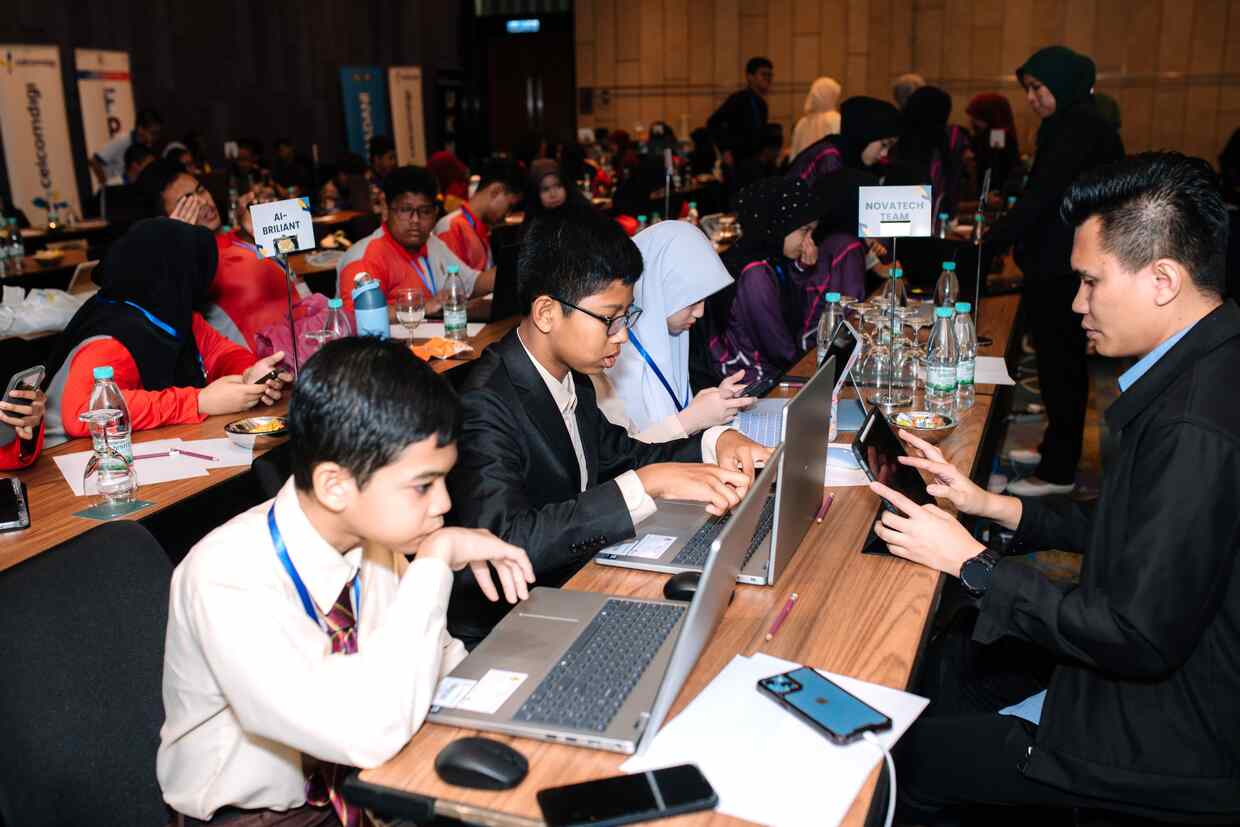
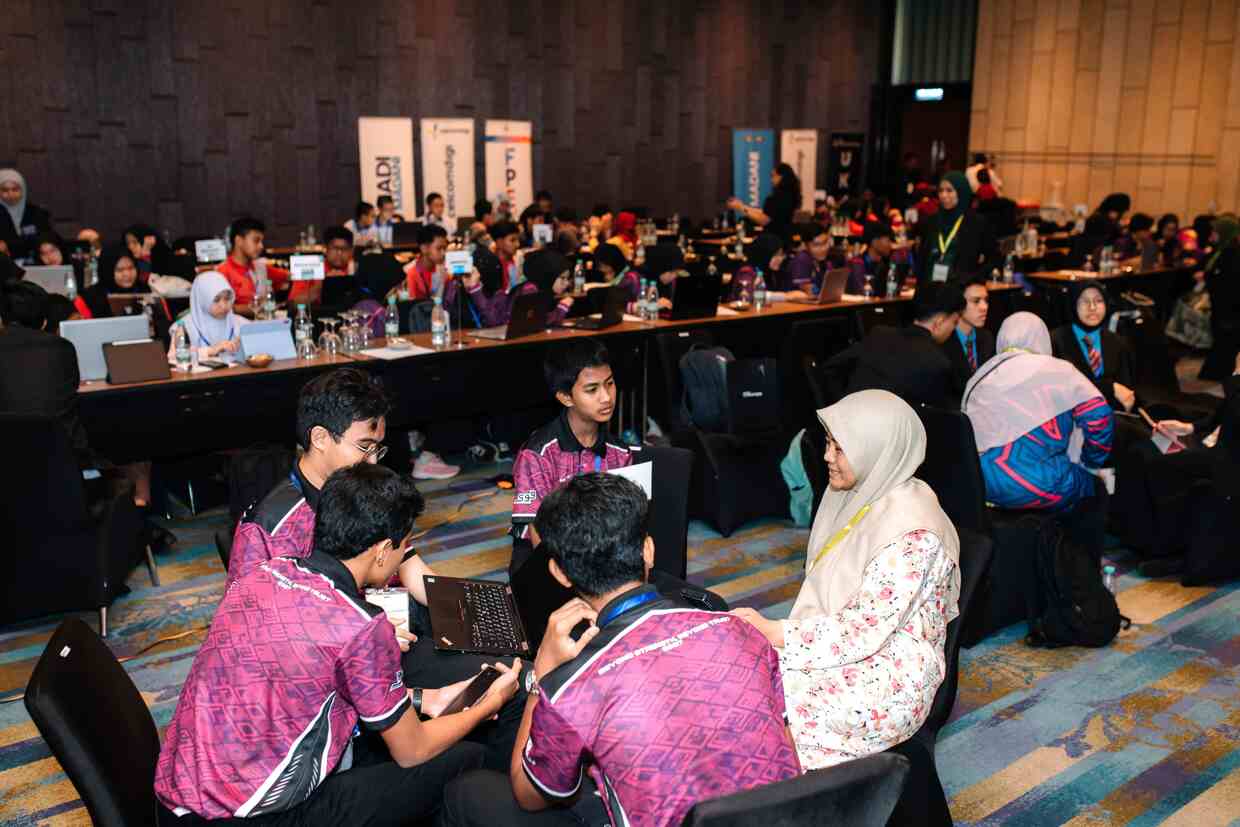
Malaysian secondary school students showcased artificial intelligence (AI) applications addressing challenges in agriculture and the commodities sector at the AI Muda@NADI Hackathon 2026, which brought together 26 finalist teams from schools nationwide.
Held under the theme “AI Innovation for the Future of Plantations and Commodities”, the two-day event featured projects exploring smart farming, plantation productivity, environmental conservation and sustainable agricultural practices.
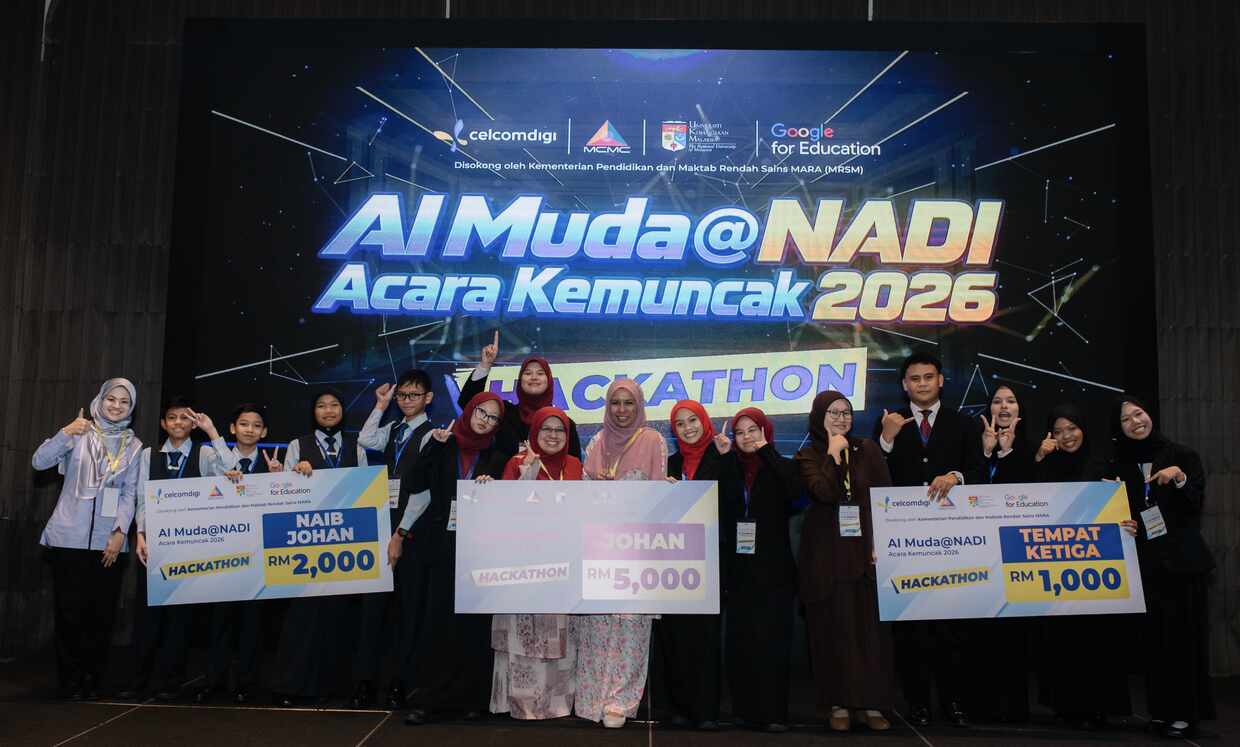
The winning team, INNOVIQ from Kolej Vokasional Perdagangan Johor Bahru, developed TerraScan, an AI-powered agriculture application designed to support farming decisions through soil analysis, crop recommendations, weather forecasting, farm simulation and financial management.
The team received RM5,000, while the second- and third-placed teams were awarded RM2,000 and RM1,000 respectively.
The hackathon marked the culmination of a nationwide learning initiative involving more than 9,000 secondary school students, providing a platform for participants to apply their AI knowledge to practical challenges.
From digital learning to practical solutions
AI Muda@NADI was implemented in August under the AI@NADI Training Programme 2026 by the Malaysian Communications and Multimedia Commission (MCMC), in collaboration with CelcomDigi through the National Information Dissemination Centres (NADI).
More than 9,000 students participated in six online learning modules covering prompt engineering, responsible AI use, creative content development and AI applications for learning and productivity.
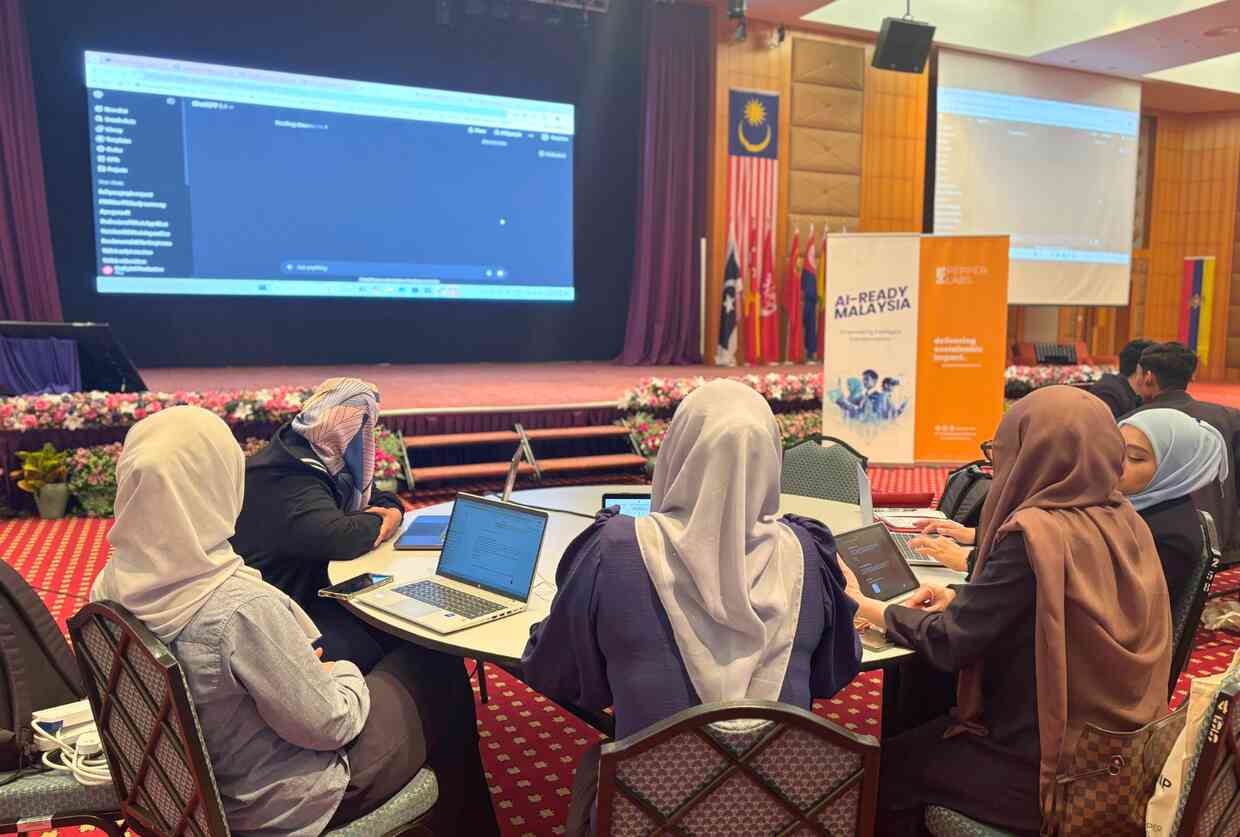
After completing the modules, students submitted their work for assessment through an online system developed for the programme.
The 26 finalist teams were selected based on four components: AI applications developed using vibe coding, AI videos, AI Prompt Trails and AI Project Cards.
Submissions were assessed according to the problems addressed, proposed AI solutions, relevance to Malaysian challenges and alignment with the United Nations Sustainable Development Goals.
Each finalist team comprised four students and a supervising teacher from the same school, with participating schools representing every state in Malaysia.
The initiative was conducted in partnership with Universiti Kebangsaan Malaysia’s Faculty of Education and Google for Education, with support from the Education Ministry and Maktab Rendah Sains MARA (MRSM).
Expanding access to AI skills
CelcomDigi chief enterprise business officer and acting chief innovation officer T. Kugan said the programme brought together public-sector, academic and technology partners to provide practical learning opportunities.
“Through AI@NADI, CelcomDigi brings together public-sector leadership, academic expertise, technology capabilities and communities to translate AI ambitions into practical learning opportunities. By connecting these strengths, we can help more young Malaysians develop relevant skills and explore how AI can address real-world challenges, preparing them for opportunities ahead in a digital nation,” he said.
The programme reflects efforts to introduce AI learning beyond theoretical instruction by encouraging students to develop applications relevant to local industries and community needs.
TerraScan’s features, for example, are intended to help farmers assess soil conditions, identify suitable crops and consider weather and financial factors when making decisions. However, the organisers did not provide independent assessments of the application’s performance or evidence of its effectiveness in actual farming operations.
MCMC and CelcomDigi plan to extend the AI@NADI Training Programme to tertiary education students and working professionals, although a specific timeline was not announced.
The proposed expansion would broaden access to practical AI training beyond secondary schools, supporting the development of digital skills for education, employment and professional development.




 CJMY
 Sashidaran Gunathevan

 Yalinie Mathan




Add comment