


 Yalinie Mathan
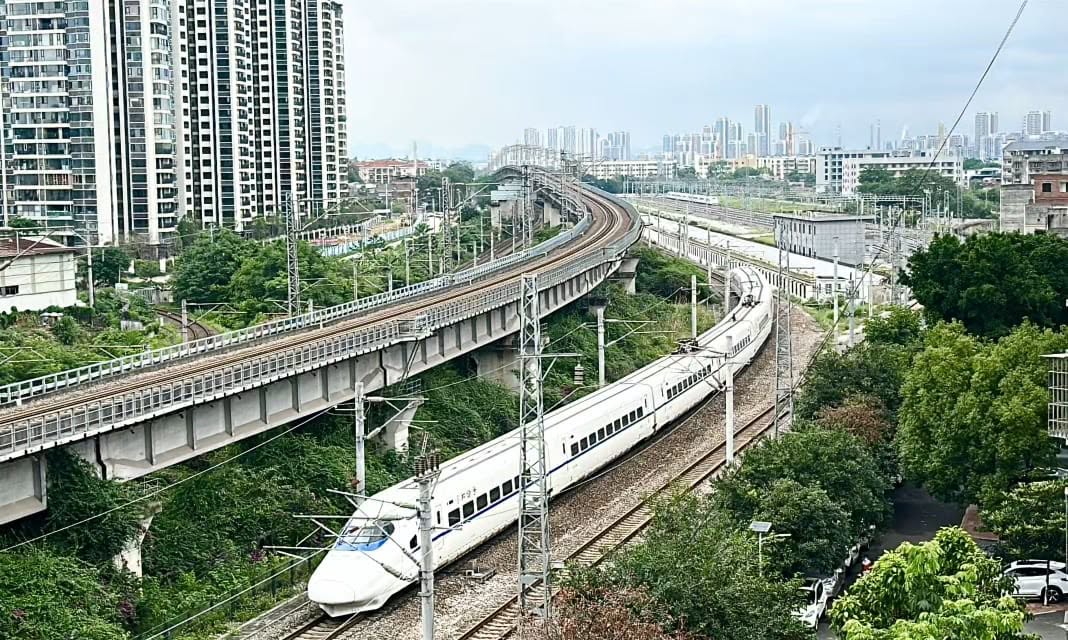
Travellers heading to Malaysia’s East Coast will soon experience journeys that cut road travel times in half. The East Coast Rail Link (ECRL) launches commercial services on 12 December with four flagship stations designed as cultural landmarks.
Rather than building uniform transit hubs, planners shaped Gombak, KotaSAS, Kuala Terengganu, and Kota Bharu around local history and landscapes. The approach turns routine Malaysia rail travel into a visual introduction to each state along the route.
For tourists, families, and workers, the line promises faster and more predictable intercity connections. It also aims to bring new visitors to hotels, eateries, malls, and heritage sites across the East Coast.
Four ECRL stations reflect state heritage and landscapes
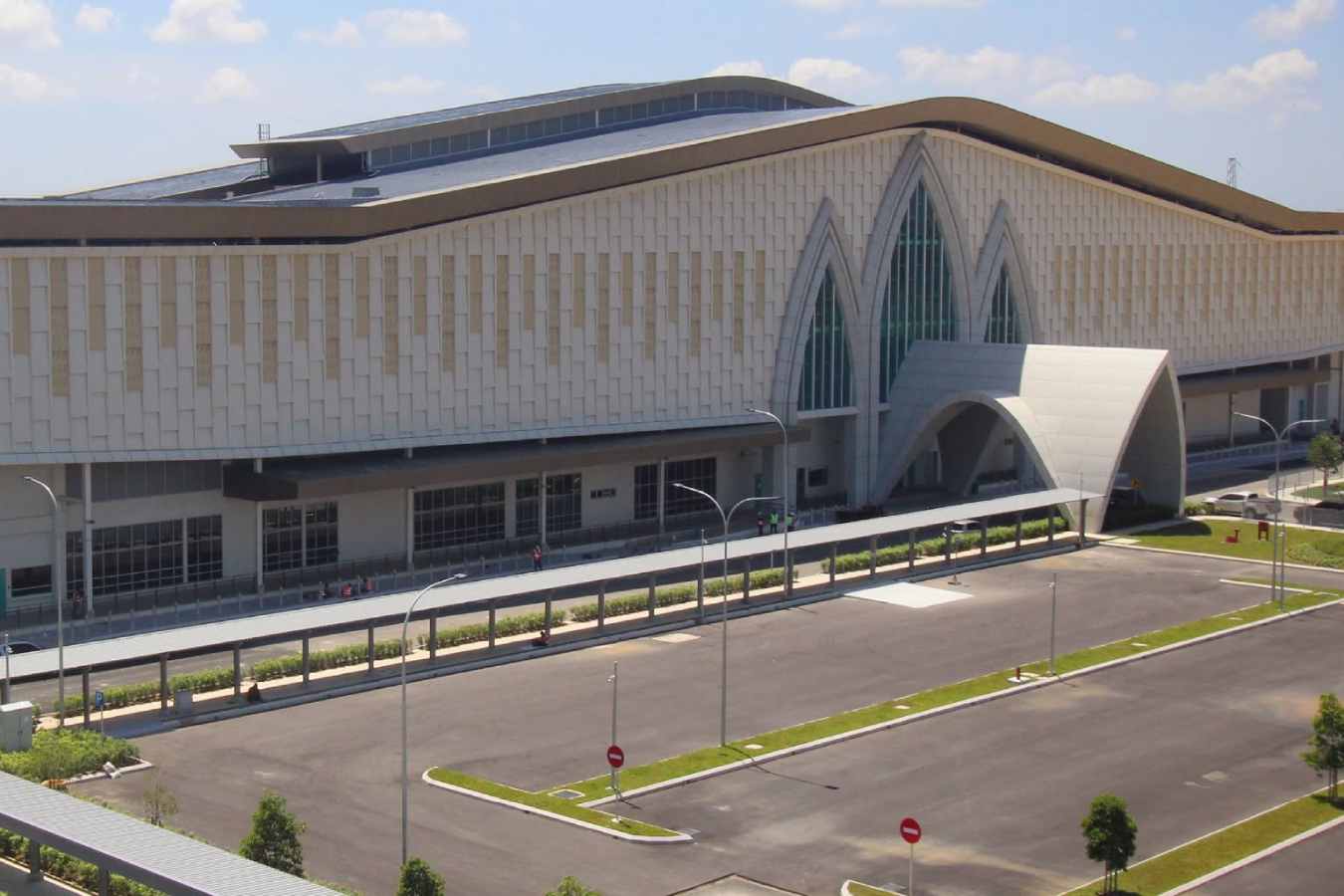
The four flagship ECRL stations draw directly from the natural and cultural identity of their respective states. Designers moved away from standard transport hub templates so every stop feels rooted in its surroundings.
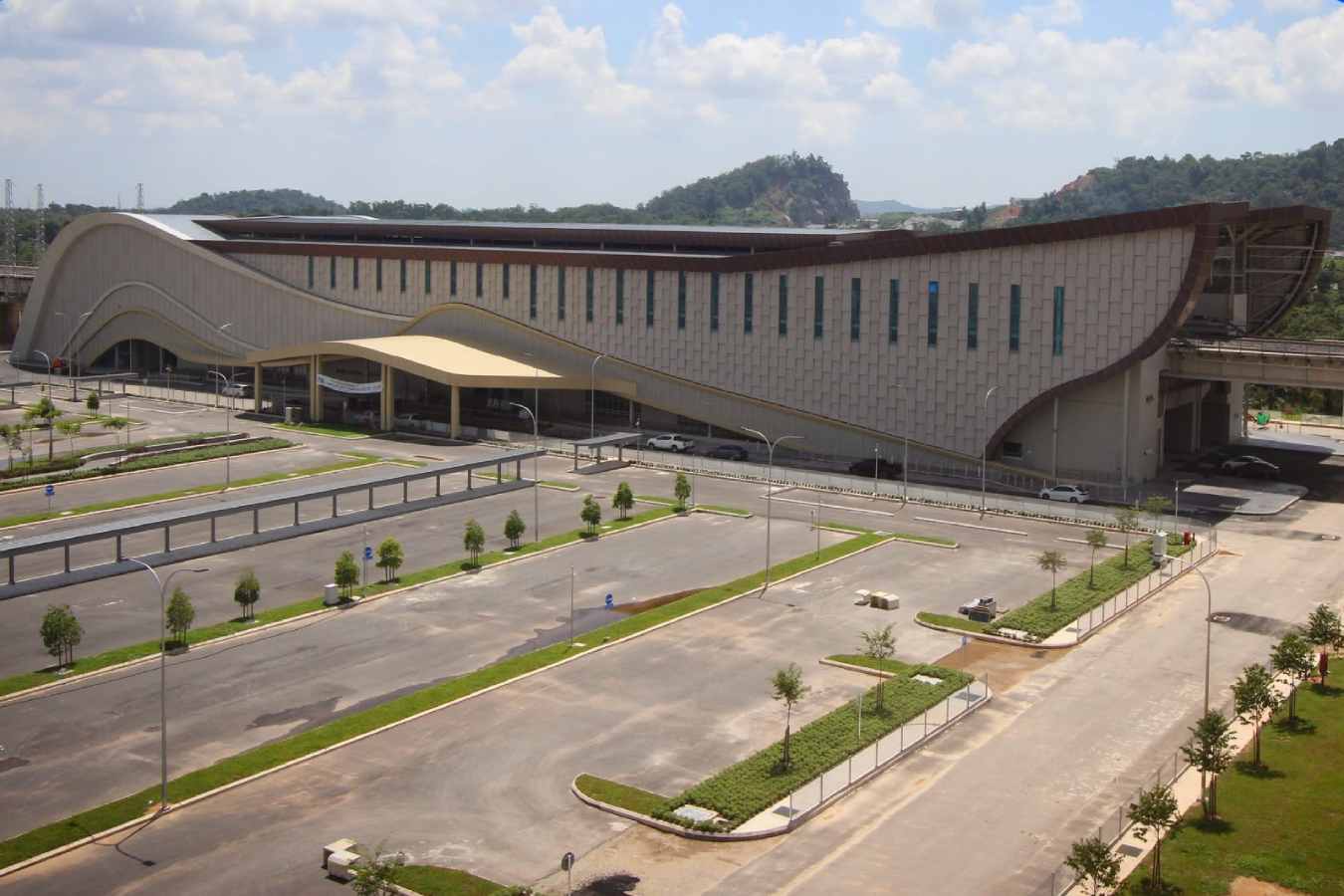
In Pahang, the KotaSAS station incorporates the state’s long-standing connection with elephants into its architectural identity. Further north, the Kuala Terengganu stop reflects Terengganu’s coastal heritage and maritime character.
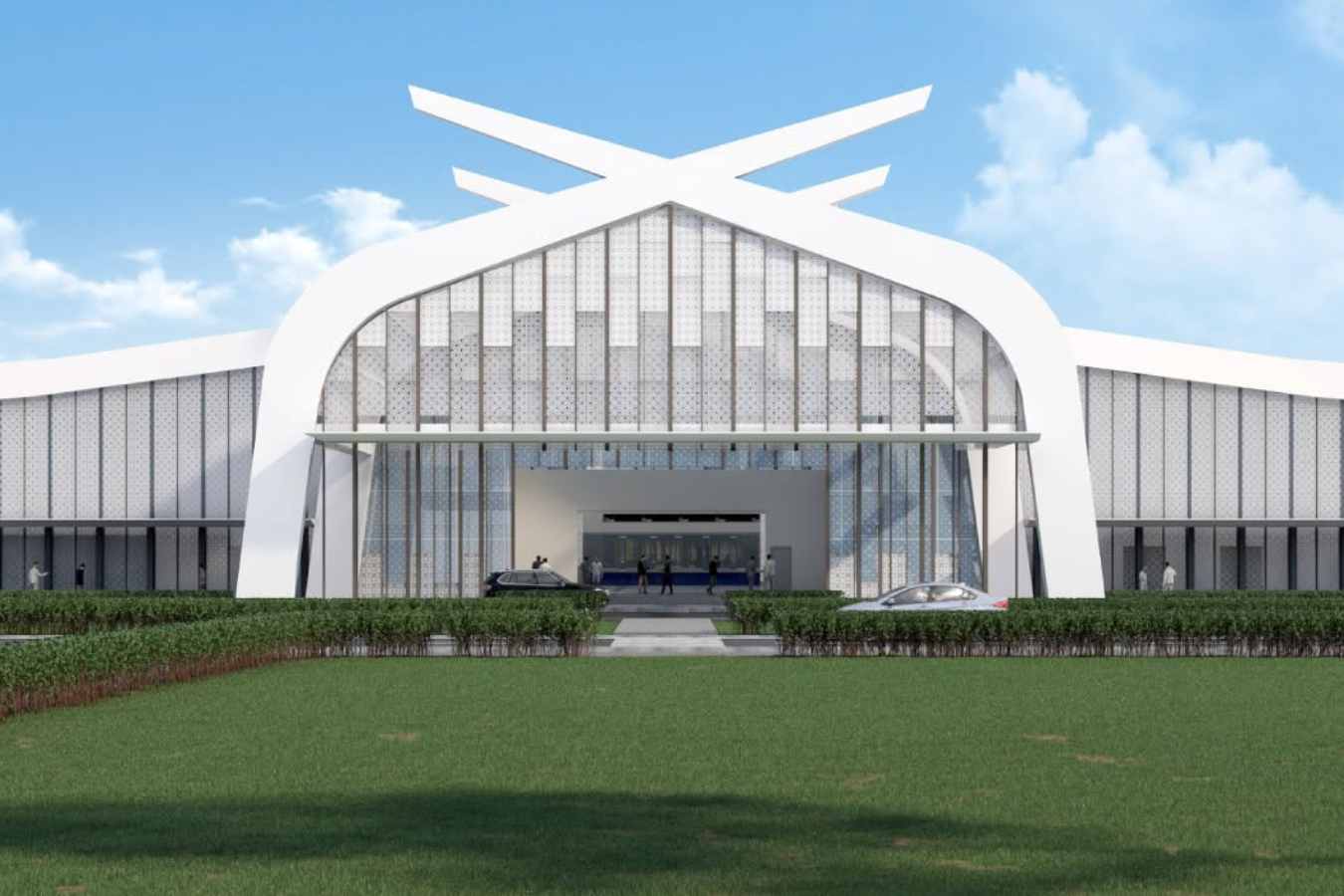
Meanwhile, the Kota Bharu station draws inspiration from Kelantan’s traditional Malay palace architecture. Together with the Gombak terminal, these designs give passengers a distinct sense of place upon arrival.
By embedding local culture into station structures, the East Coast Rail Link turns transit points into destinations themselves. Travellers passing through the corridor can engage with regional identity before even stepping outside the terminal.
Faster travel times reshape East Coast connectivity
Beyond architectural appeal, the East Coast Rail Link delivers major time savings for everyday passengers. Trips from Gombak to Kuala Terengganu will take about three hours once commercial operations begin.
Journeys from Gombak to Kota Bharu will take roughly four hours under the new schedule. These shorter durations offer a practical alternative to long highway drives, especially during peak holiday periods.
READ MORE: ECRL fares will sit between bus and plane tickets, MRL says
READ MORE: ECRL: Agong inaugurates first track installation
READ MORE: ECRL Kuala Selangor alignment is 83% complete as port link nears
As a result, weekend trips and family visits between the Klang Valley and the East Coast become far easier to plan. Workers commuting between regional centres also gain a reliable and faster transport option.
Improved rail connectivity supports Malaysia’s broader push to strengthen domestic transport links and regional growth. Faster movement of people across state lines helps narrow the travel gap between the West and East Coasts.
Rail tourism brings new opportunities for local businesses
The launch of commercial services on 12 December positions rail tourism as a fresh driver for local economies. Easier access to Pahang, Terengganu, and Kelantan encourages more travellers to explore towns beyond major highways.
Along the corridor, hotels and hospitality operators stand to benefit from steady weekend and holiday arrivals. Local food businesses, retail malls, and established heritage sites could also see higher foot traffic from rail passengers.
Furthermore, linking heritage-themed stations with nearby attractions creates a seamless cultural route for domestic and international visitors. Travellers can plan multi-stop itineraries without relying solely on private cars or long-distance buses.
Passengers planning year-end travel can look out for commercial service schedules ahead of the 12 December launch. Checking station access links and nearby local attractions early will help travellers make the most of the new route.





 Sashidaran Gunathevan
 Amirull Salihing

 Sidhaarthan




Add comment