


 Jimmy Tan
Sarnath, the sacred site where Gautama Buddha is believed to have delivered his first sermon, has been officially inscribed on the UNESCO World Heritage List, marking a significant milestone for global heritage conservation and Buddhist pilgrimage.
The announcement was made during the 48th session of the UNESCO World Heritage Committee in Busan, South Korea. The recognition makes Sarnath India’s 45th World Heritage property, strengthening the country’s standing as home to the world’s sixth-highest number of UNESCO-listed heritage sites and the second-highest in the Asia-Pacific region.
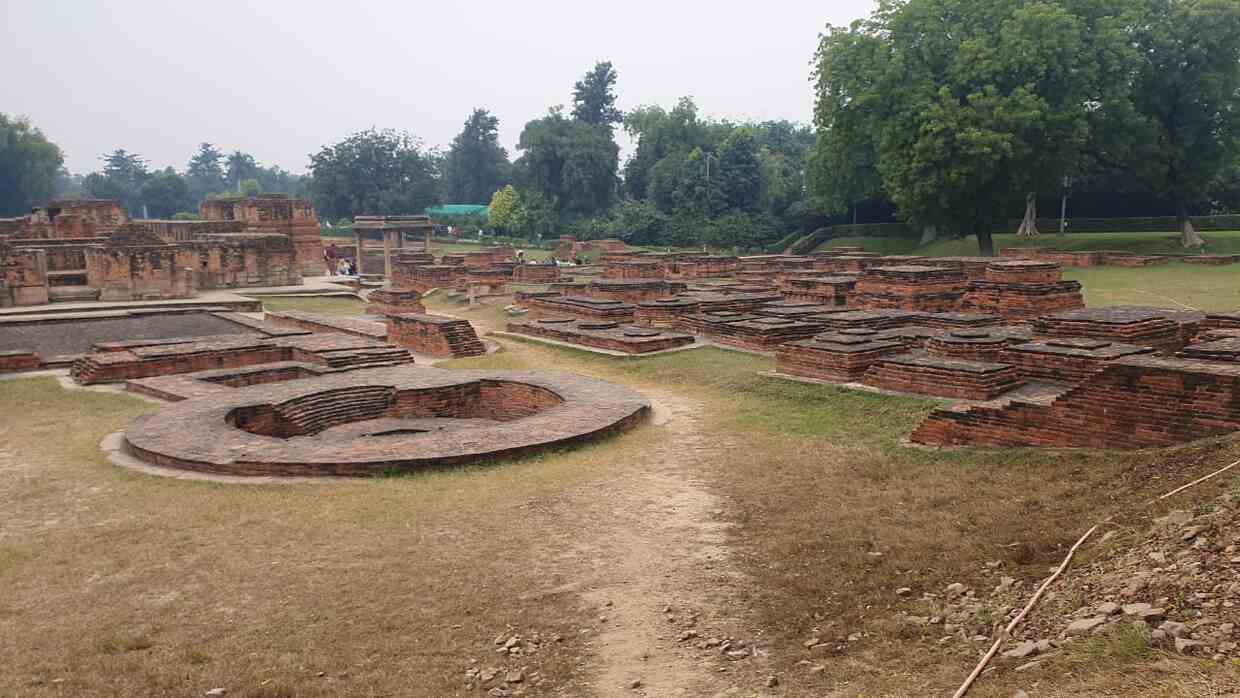
The designation is expected to enhance international recognition of Sarnath while reinforcing efforts to preserve one of Buddhism’s most revered sites for future generations.
Significance for Malaysian Buddhist pilgrims
The recognition is expected to resonate across Southeast Asia, including Malaysia, where Buddhism is the country’s second-largest religion. Sarnath has long been an important destination for Malaysian devotees undertaking the Buddhist Circuit, a pilgrimage tracing the life and teachings of the Buddha across India and Nepal.
Located near the ancient city of Varanasi in Uttar Pradesh, Sarnath is revered as the place where the Buddha delivered the Dhammacakkappavattana Sutta, or the first sermon, more than 2,500 years ago. The site symbolises the beginning of the spread of Buddhist teachings centred on compassion, wisdom and peace.
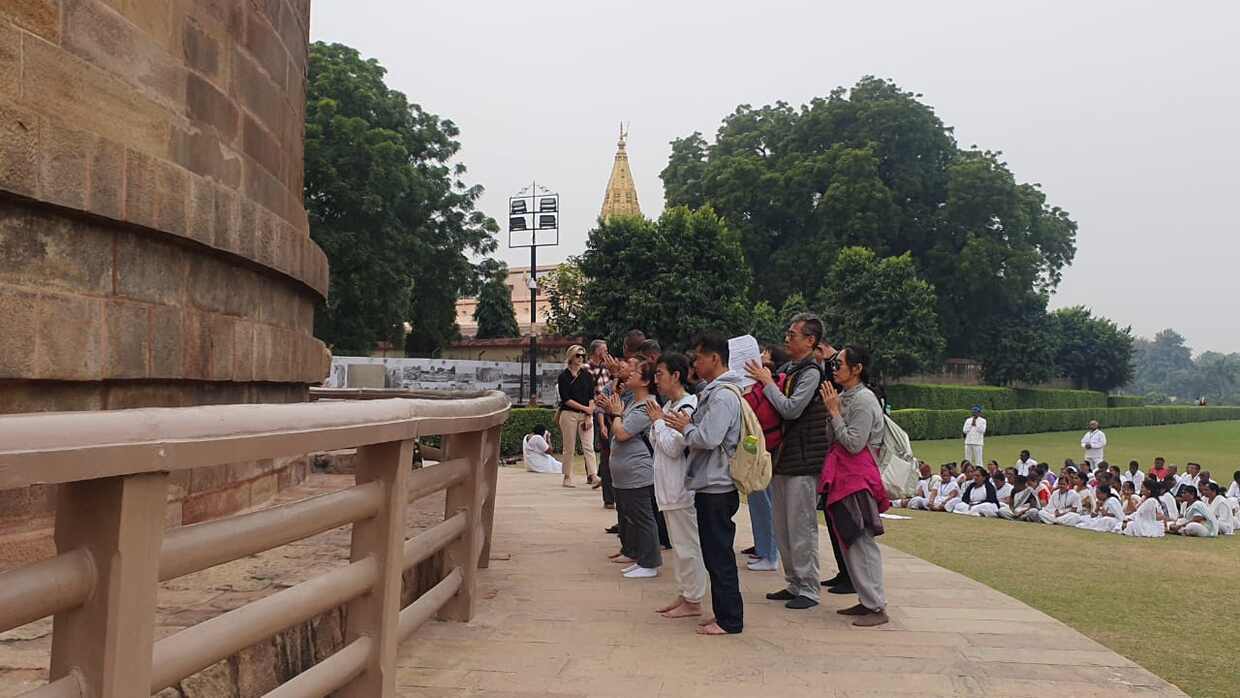
With established flight connections between Kuala Lumpur and major Indian cities, the UNESCO recognition could encourage renewed interest in religious, cultural and heritage tourism among Malaysian travellers.
Long-term conservation commitment
The inscription follows a lengthy nomination process. India first placed Sarnath on UNESCO’s tentative list in 1998 before submitting a formal nomination dossier in January 2025. The application underwent an 18-month evaluation by the International Council on Monuments and Sites (ICOMOS), which assessed the site’s historical significance, conservation standards and long-term management plans.
Sarnath now joins other internationally recognised Buddhist heritage sites, including the Mahabodhi Temple at Bodh Gaya, Lumbini in Nepal and Anuradhapura in Sri Lanka.
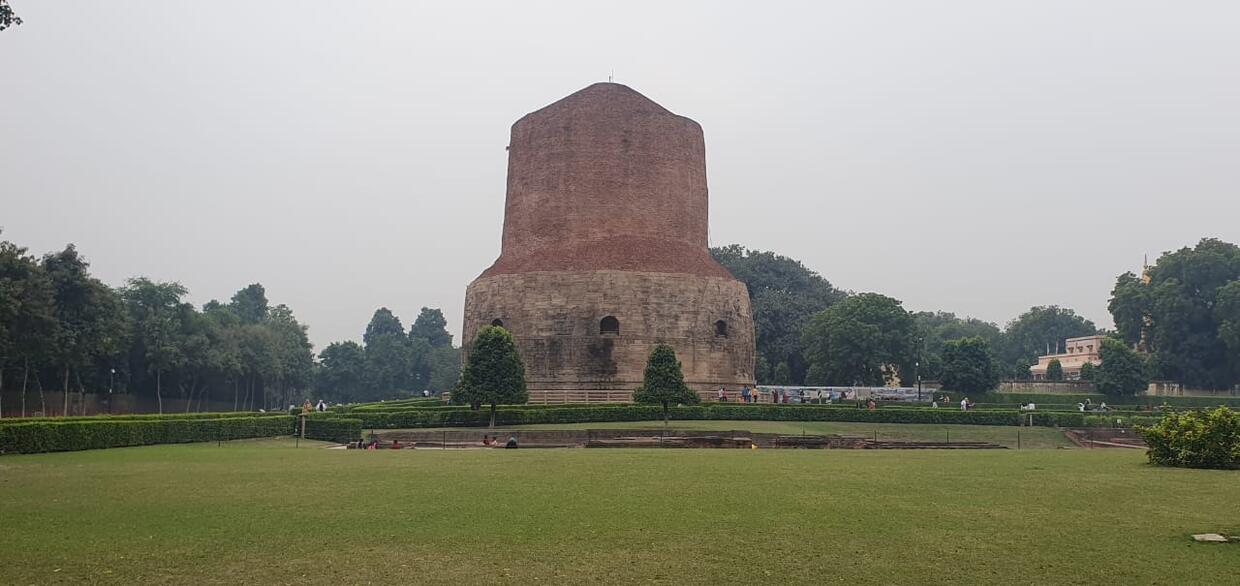
While UNESCO recognition raises the site’s international profile, it does not automatically provide financial assistance. Instead, it places greater responsibility on India to preserve Sarnath’s archaeological and cultural integrity, manage growing visitor numbers and submit regular reports on its conservation status.
Heritage experts note that the site’s long-term success will depend on balancing increased tourism with the protection of its historical and spiritual significance, ensuring Sarnath remains both a living place of worship and a treasured cultural landmark for generations to come.



 Admin
Admin







Add comment