


 Admin
AdminConstruction projects are becoming increasingly dependent on digital information. Drawings, schedules, inspection reports, photographs and design revisions now move between architects, engineers, contractors and project owners through digital systems rather than paper documents alone. For large developments, this shift can significantly change how quickly teams identify problems and respond to them.
The trend is particularly relevant in fast-growing construction markets such as Malaysia, where infrastructure, residential and commercial projects often involve numerous contractors and specialists working across several locations. As project complexity increases, keeping everyone aligned becomes one of the biggest management challenges.
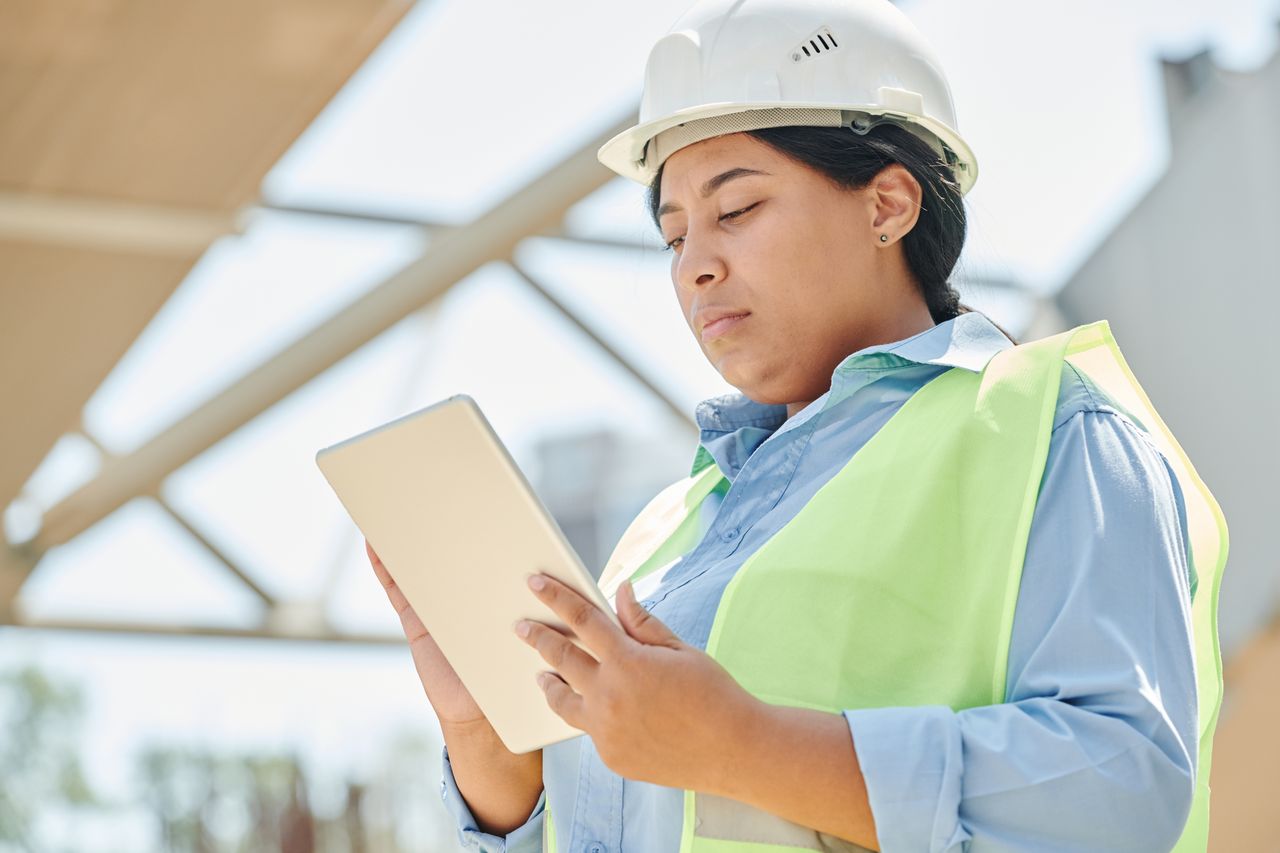
One development in this area is Remote construction control, which allows project teams to review site conditions, document progress and communicate findings without requiring every stakeholder to be physically present for every inspection. Used correctly, remote oversight can complement traditional site visits and provide project managers with more frequent visibility into ongoing work.
Site Visibility Is a Common Project Challenge
Construction managers need accurate information about what is actually happening on site. A schedule may show that a particular stage should be complete, but the real situation can differ because of weather, material delays, design changes or coordination problems between contractors.
Traditionally, project leaders have relied heavily on physical inspections and written reports. Those methods remain important, but information can become outdated quickly when a project changes from day to day.
Digital inspection tools allow site teams to record conditions as work progresses. Photographs, comments, checklists and identified issues can be attached to specific areas or tasks, giving other participants a clearer picture of the current situation.
This creates a more continuous record of the project rather than relying only on periodic reports.
Faster Issue Detection Can Reduce Rework
Rework is one of the most expensive problems in construction.
A relatively small installation error can become much more costly if it is discovered only after additional work has been completed around it. The earlier a discrepancy is identified, the easier it usually is to correct.
Remote review can help specialists examine work sooner. An engineer or project manager who is not currently at the site may still be able to review documented conditions and determine whether additional attention is required.
This does not mean every issue can be resolved remotely. Certain structural, safety and quality checks still require direct inspection by qualified professionals. However, digital oversight can help teams decide where physical attention is most urgently needed.
Better Documentation Supports Accountability
Construction projects generate large amounts of information, and disputes sometimes arise simply because teams remember events differently.
A structured digital record can reduce this uncertainty. If an issue is documented with a date, location, image and responsible party, it becomes easier to understand when it was identified and what action followed.
This is useful for contractors as well as project owners. Clear documentation can demonstrate that work was completed, comments were addressed or changes were requested at a particular stage.
For project managers, the benefit is greater traceability. Instead of searching through emails, messaging apps and separate folders, relevant information can be linked more directly to the work being discussed.
Remote Oversight Can Help Distributed Teams
Many construction projects involve consultants who are not permanently based at the site.
Architects may work from another city, specialist engineers may visit only when required, and owners may be managing several developments simultaneously. Bringing every participant to every inspection can be expensive and difficult to coordinate.
Remote access to site information gives these teams another option.
A specialist can review progress before deciding whether a physical visit is necessary. Project owners can monitor key milestones without relying entirely on summary reports, while contractors can receive feedback more quickly.
For large Malaysian infrastructure and urban development projects, where coordination often spans multiple organisations, this type of visibility can be particularly useful.
Technology Does Not Replace Site Expertise
Digital construction tools are most effective when they support experienced professionals rather than attempt to replace them.
A photograph cannot always reveal whether a component has been installed correctly. Remote information may lack context, and poor documentation can lead to incorrect conclusions.
Teams therefore need clear procedures defining what can be reviewed digitally and what still requires an on-site inspection.
Training also matters. If workers document issues inconsistently, even sophisticated software will produce incomplete information. Technology works best when everyone understands what should be recorded, when it should be recorded and who is responsible for responding.
A More Connected Construction Process
Digital construction management is gradually connecting design, planning, inspection and reporting into a more continuous process.
Instead of information moving slowly between separate teams, project participants can increasingly work from shared and frequently updated records. This can improve communication, shorten response times and provide a clearer view of project progress.
The objective is not to remove people from construction sites. It is to make the time spent on site more effective by giving decision-makers better information before problems become expensive.
Conclusion
Remote construction oversight reflects a broader shift toward more connected project management. Digital inspections, structured documentation and faster communication can help teams identify problems earlier and maintain better visibility across complex projects.
For Malaysia’s growing construction and infrastructure sector, these tools may become increasingly relevant as projects involve more specialists, tighter schedules and greater expectations around transparency. The technology itself is only part of the solution; its real value comes from helping experienced teams make better-informed decisions.


 Yalinie Mathan
 Sashidaran Gunathevan
 CJMY
CJMY



Add comment